The Wild Sage logo
The Wild Sage Logo

Herbal Medicine at your fingertips

Comprehensive database of herbal remedies with detailed safety information and traditional uses

New to herbal terms? Read the glossary →
ADHD
Abcess
Acid Reflux Relief
Acinetobacter
Acne
Acne Vulgaris
Addisons
Adenomyosis
Adenovirus
Adrenal fatigue
Aging
Aids
Alcaligenes faecalis
Alcoholism
Allergic Rhinitis
Allergies
Allergy
Alopoecia
Alopoecia nervosa
Alzheimer's, Dementia & Cognitive Decline
420 herbs found
Important: This information is for educational purposes only. Always consult with qualified healthcare professionals before using herbal remedies, especially if you have existing health conditions or take medications.
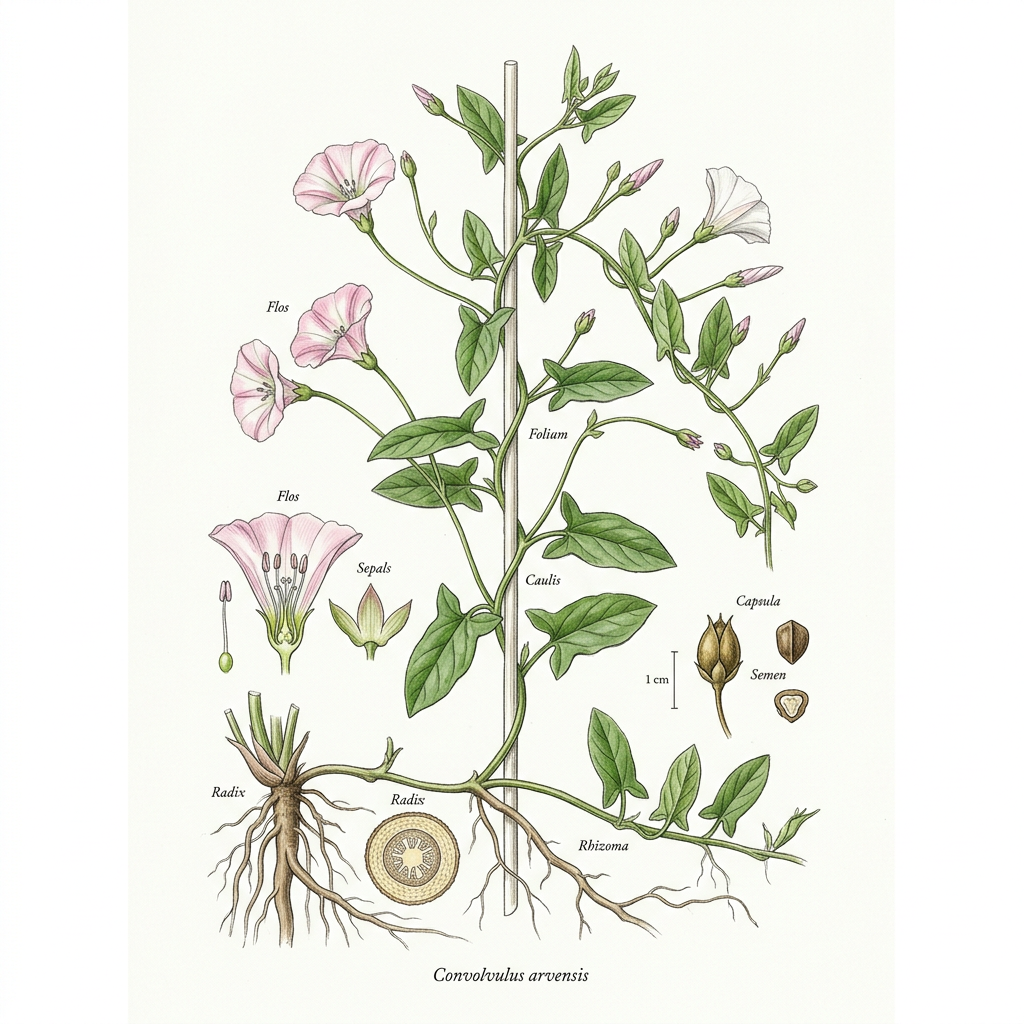
Field bindweed

Field bindweed

Convolvulus arvensis

moderate risk Risk
Convolvulaceae
Bindweed calms mind, acts as cholagogue, diuretic, laxative; flowers are antibacterial and antifungal.
<p>Greater bindweed, scientifically known as Convolvulus arvensis, is a perennial climbing plant belonging to the Convolvulaceae family. This herb has been utilized in traditional herbal medicine for centuries, often found in the folklore of various cultures for its reputed healing properties. Historically, greater bindweed has been employed in the treatment of digestive ailments, respiratory conditions, and skin disorders, reflecting its versatility as a botanical remedy. The plant’s distinctive twining growth habit and trumpet-shaped flowers make it easily recognizable, and its deep-rooting structure presents unique considerations in both agricultural practices and herbal applications. The therapeutic profile of greater bindweed is multifaceted, characterized primarily by its cancer-protective, choleretic, and laxative actions. Studies suggest that this herb contains bioactive compounds that may contribute to its protective effects against certain types of cancer, potentially through antioxidant mechanisms that neutralize free radicals. As a choleretic, greater bindweed is believed to stimulate the production and flow of bile, thus enhancing digestive health and supporting liver function. Its laxative properties are attributed to its ability to stimulate intestinal motility, promoting regular bowel movements and providing relief from constipation. These key actions underscore the herb's significance in holistic approaches to digestive and liver health. Mechanistically, the benefits of greater bindweed can be linked to its active constituents, which include flavonoids, saponins, and alkaloids. These compounds interact with various biological pathways, supporting overall wellness in the body. The herb’s choleretic effect aids in the emulsification of fats, enhancing nutrient absorption and contributing to metabolic processes. Furthermore, its laxative properties may arise from its impact on intestinal smooth muscle, facilitating peristalsis and easing stool passage. As contemporary herbalists and researchers explore greater bindweed's potential, it stands as a testament to the enduring value of traditional herbal practices and the rich tapestry of plant-based medicine.</p>

Uses & Conditions

Respiratory Support
Digestive Support
Immune Support
Bone Cancer
Prostate Cancer
Gastric Cancer
Cervical Cancer
Kidney Cancer
Breast Cancer
Skin Cancer
Mucous Membrane Inflammation
Fever
Stress
Anxiety
Diabetes Management
Atherosclerosis
Constipation
Urinary Tract Infection
Bronchitis
Arthritis
Rheumatoid Arthritis
E. Coli
Salmonella
Spleen Enlargement
Insect Bites

Actions

Anti-cancer
Choleretic
Laxative
Demulcent
Diuretic
Febrifuge
Cholagogue
Lymphocyte Activator
Anti-angiogenic
Chelator Of Metals
COX-2 Inhibitor
Anti-bacterial
Anti-fungal
Cardiometabolic
Anti-diabetic
Mucous Membrane Tonic
Anxiolytic

Synonyms

Meadow Bindweed
Creeping Jenny
Perennial Morning glory
Small-flowered Morning glory
Convolvulus

Parts Used

Roots (most often used) flowers (antibacterial/antifungal) & stems
Aerial parts
Root

Native Countries

Europe
North Africa
Asia
United States
Mexico

USDA Hardiness Zones

USDA 3-9
3
4
5
6
7
8

Contraindications

  • Pregnancy and breastfeeding due to potential uterine stimulant effects and lack of safety data
  • Intestinal obstruction
  • Chronic inflammatory bowel conditions such as Crohn's disease or ulcerative colitis
  • Known allergy to plants in the Convolvulaceae family
  • Gallstone disease
  • Severe electrolyte imbalances
  • Children under 12 years

Potential Side Effects

  • Laxative dependency
  • Abdominal cramping at high doses
  • Mild gastrointestinal distress
  • Loose stools

Interactions

  • Laxative medications: potential for excessive bowel stimulation or electrolyte depletion
  • Diuretic medications: potential additive effect on fluid balance or potassium levels
  • Anticoagulant or antiplatelet drugs: theoretical risk of interaction
  • Prescription liver-support medications: theoretical potential to alter hepatic bile flow metabolism

Dosages, tincture ratios & research — members only

Unlock Garreth's dosing guidance, tincture ratios, the dosage calculator and the research studies for Field bindweed.

Your assessment and results stay saved — upgrading only unlocks more of them.

See membership plans

Community Photos

No community photos yet. Sign in to upload photos.

Reviews & Ratings

Sign in to leave a review.

No reviews yet. Be the first!

GF

Garreth Falls — B.Th., Dip. H.M., MNIMH

Content curated and reviewed by Garreth Falls, Consultant Medical Herbalist · The Wild Sage

Medical Disclaimer: This information is for educational purposes only and is not intended as medical advice. Always consult with qualified healthcare professionals before starting any herbal treatment.
Western tradition

Sustainability & quality

Abundant

A common, vigorous weed in the UK; ensure collection from areas not treated with herbicides.

Key constituents

Glycosides, flavonoids, Tannins, Tropine, Pseudotropine, Resin glycosides, Convolvulin, Caffeic acid derivatives, Alkaloids

References

  1. Herbal Reality. Herb monographs. herbalreality.com

Reviewed by Garreth, Medical Herbalist (MNIMH) · November 2026

Related conditions

Explore conditions where Field bindweed is traditionally used.

Related Herbs
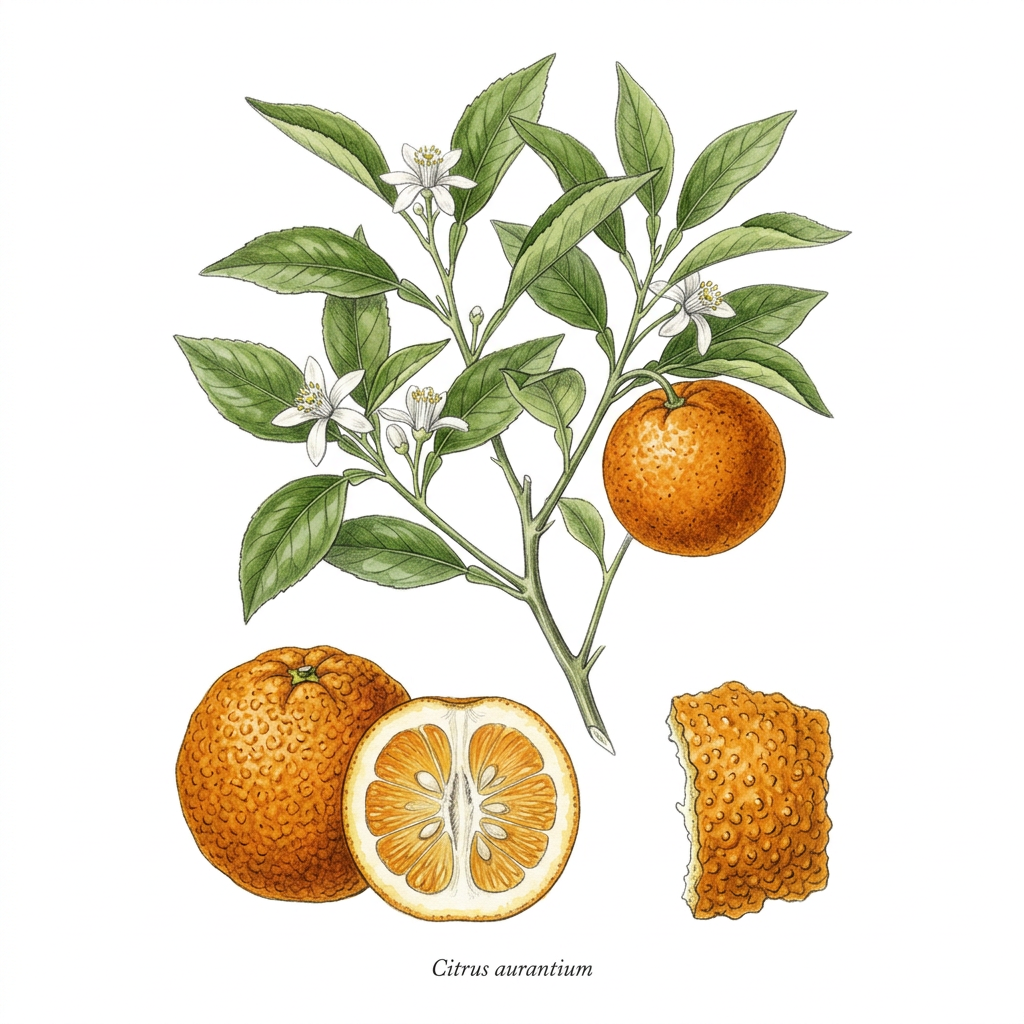
Orange Bitter

Orange Bitter

Citrus aurantium

Immune Support
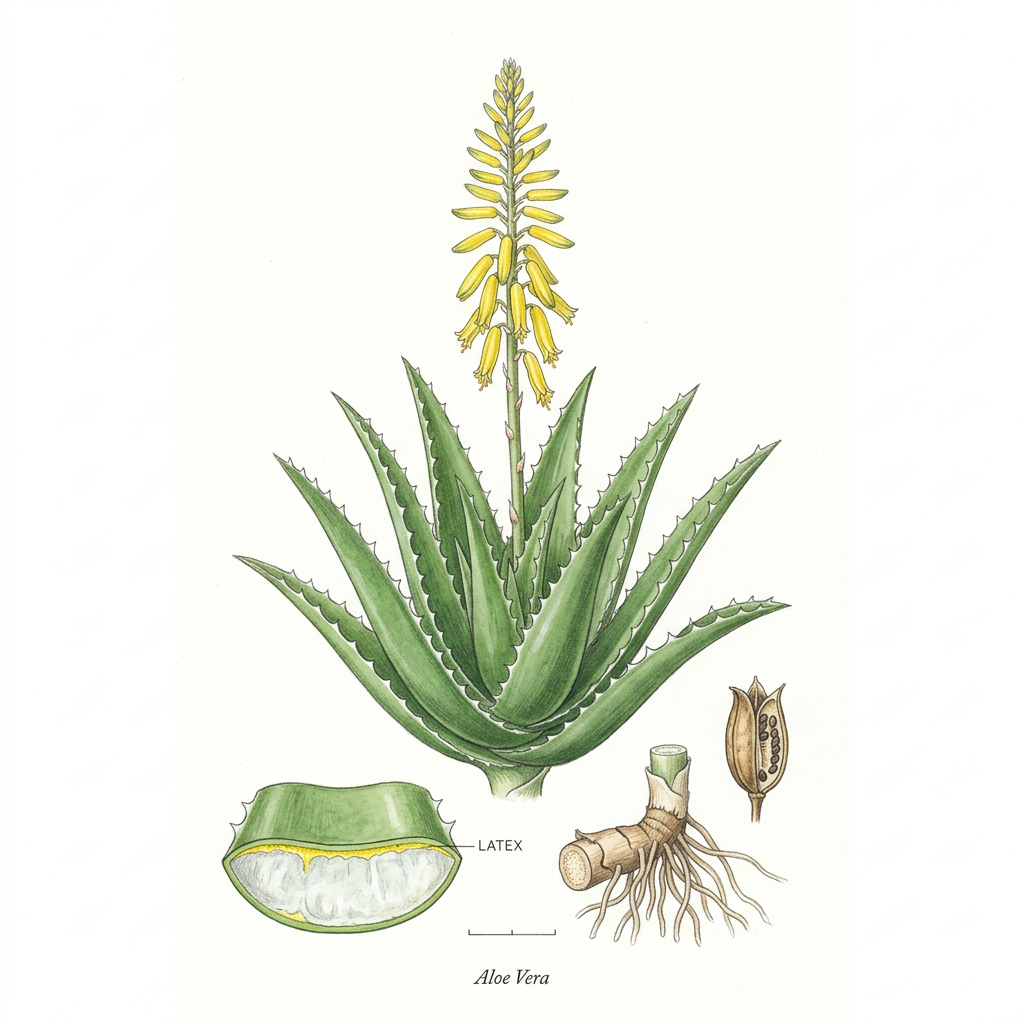
Aloe Vera

Aloe Vera

Aloe vera

Digestive Support
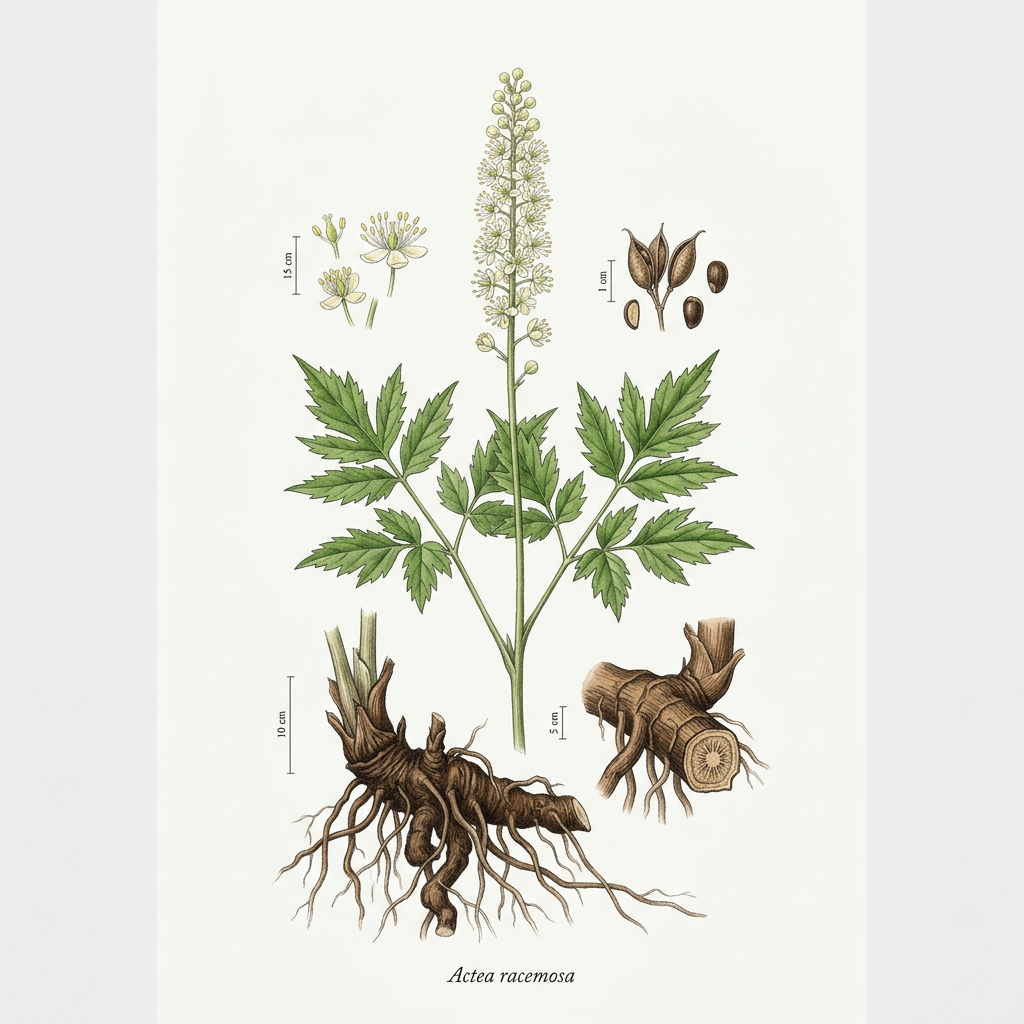
Black Cohosh

Black Cohosh

Actaea racemosa

Hormonal Support
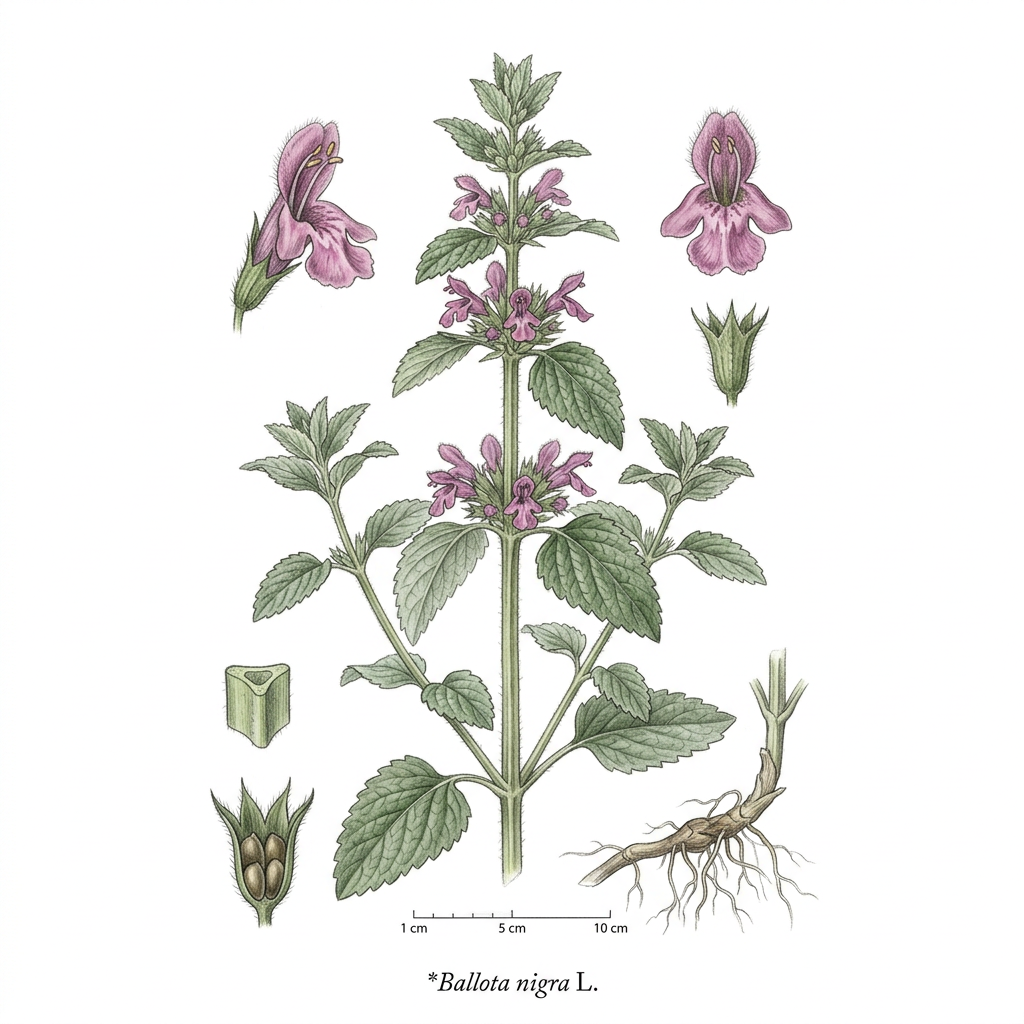
Black Horehound

Black Horehound

Ballota nigra

Digestive Aid