The Wild Sage logo
The Wild Sage Logo

Herbal Medicine at your fingertips

Comprehensive database of herbal remedies with detailed safety information and traditional uses

New to herbal terms? Read the glossary →
ADHD
Abcess
Acid Reflux Relief
Acinetobacter
Acne
Acne Vulgaris
Addisons
Adenomyosis
Adenovirus
Adrenal fatigue
Aging
Aids
Alcaligenes faecalis
Alcoholism
Allergic Rhinitis
Allergies
Allergy
Alopoecia
Alopoecia nervosa
Alzheimer's, Dementia & Cognitive Decline
420 herbs found
Important: This information is for educational purposes only. Always consult with qualified healthcare professionals before using herbal remedies, especially if you have existing health conditions or take medications.
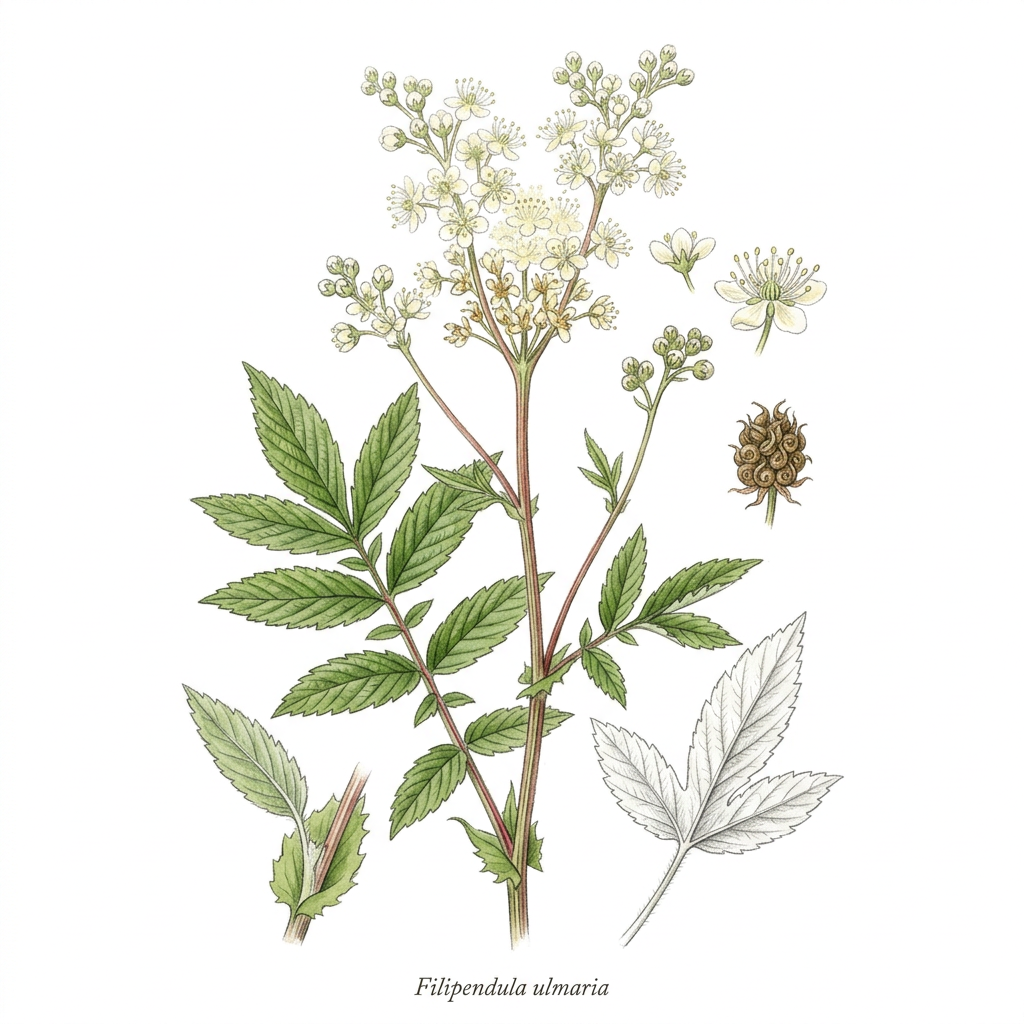
Filipendula ulmaria

Filipendula ulmaria

Filipendula ulmaria

low risk Risk
Rosaceae
Cooling, bitter astringent
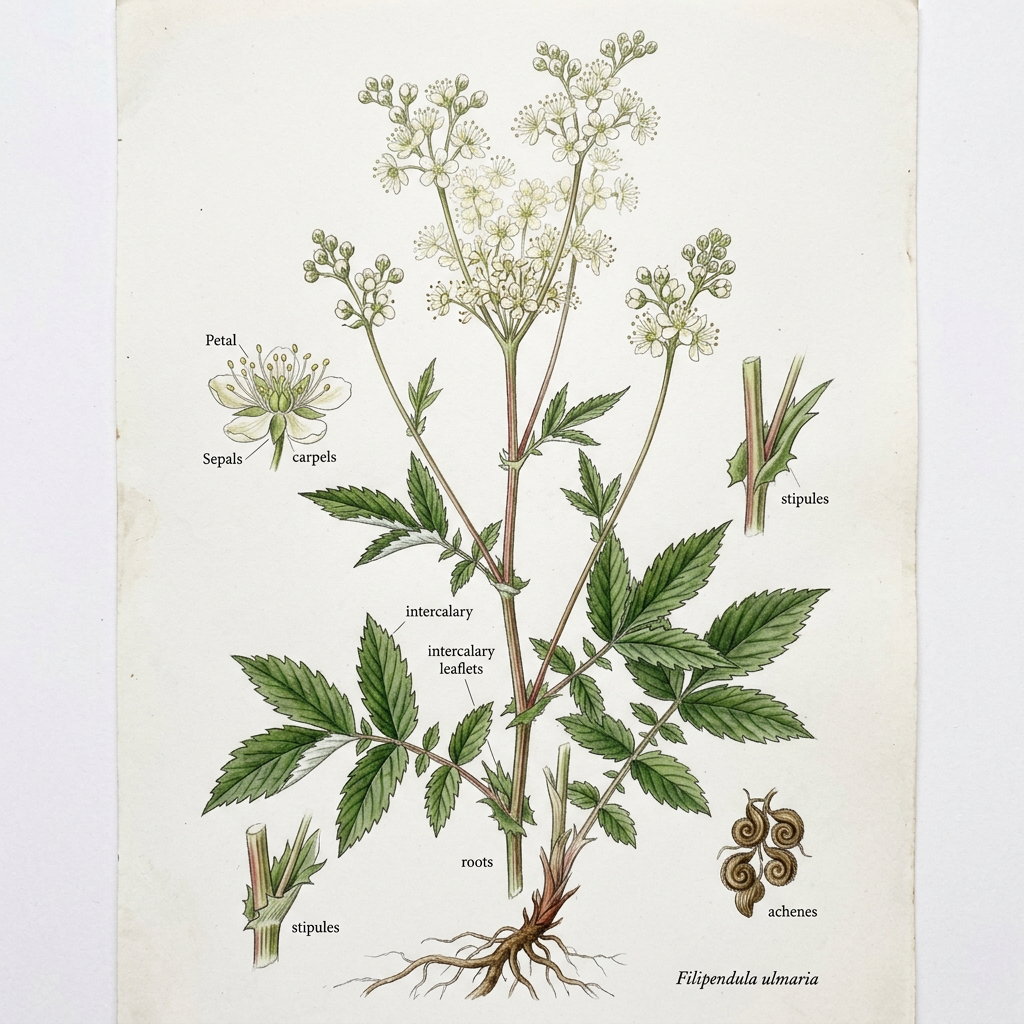
<p>Filipendula ulmaria, commonly known as meadowsweet, is a perennial member of the Rosaceae family. It features pinnate leaves with a downy underside and dense, creamy-white, fragrant cymes of flowers that emerge in summer, typically found in damp meadows and along riverbanks. The plant possesses a distinct sweet, almond-like aroma when crushed, attributed to its volatile oils.</p><p>Traditionally, meadowsweet has been highly valued as a gentle stomach soother and a remedy for rheumatic complaints. Known historically as 'queen of the meadow', it was a staple in domestic apothecaries, famously used as a digestive tonic and for its mild diaphoretic properties during febrile illnesses. Its historical reputation for easing stomach acidity and colic led to its use as a standard household remedy.</p><p>Modern herbal practice utilises meadowsweet primarily for its anti-inflammatory and gastro-protective actions. The presence of salicylic acid derivatives and tannins provides a unique pharmacological profile that can address digestive discomfort while supporting the musculoskeletal system. Research suggests the plant's buffering action, due to its complex phytochemical composition, makes it gentler on the gastric mucosa than isolated synthetic salicylates.</p><p>In clinical practice, I often use meadowsweet as a foundational herb for patients experiencing gastritis, acid reflux, or peptic discomfort, as it acts as a soothing tonic for the gastrointestinal lining. Furthermore, it is frequently incorporated into blends for mild arthritic pain or as part of a diaphoretic protocol for patients managing mild inflammatory congestion during colds. Caution is maintained regarding its salicylate content, ensuring suitability for the individual patient.</p>

Uses & Conditions

Immune Support
Respiratory Support
Wound Healing
Inflammation
Calculi
Menorrhagia
Pain
Osteoarthritis
Colds
Cystitis
Dysuria
Cervical Dysplasia
Acid Reflux
Joint Pain
Headaches
Fever
Nerve Pain
Digestive Discomfort
Menstrual Pain
Skin Conditions
Sore Throat

Actions

Anti-inflammatory
Digestive Aid
Analgesic
COX-2 Inhibitor
TNF-a Inhibitor
NFkB Inhibitor
Anti-bacterial

Parts Used

Dried flowering tops
Dried aerial parts

Native Countries

United Kingdom
Ireland
Europe
Asiatic regions
North America

USDA Hardiness Zones

3
4
5
6
7

Contraindications

  • Salicylate hypersensitivity or known aspirin allergy
  • Pregnancy due to potential uterine stimulation
  • Breastfeeding due to lack of safety data regarding salicylate transfer
  • Active peptic ulcer disease or history of severe gastrointestinal haemorrhage
  • Children and adolescents due to the theoretical risk of Reye's syndrome

Potential Side Effects

  • Mild gastrointestinal upset or nausea
  • Allergic skin reactions such as rashes
  • Increased risk of bleeding in individuals with pre-existing clotting disorders

Interactions

  • Anticoagulants and antiplatelet drugs: may enhance effect and increase bleeding risk
  • Aspirin or NSAIDs: potential additive effect on gastric irritation and salicylate exposure
  • Diuretics: monitor for potential electrolyte disturbances

Dosages, tincture ratios & research — members only

Unlock Garreth's dosing guidance, tincture ratios, the dosage calculator and the research studies for Filipendula ulmaria.

Your assessment and results stay saved — upgrading only unlocks more of them.

See membership plans

Community Photos

No community photos yet. Sign in to upload photos.

Reviews & Ratings

Sign in to leave a review.

No reviews yet. Be the first!

GF

Garreth Falls — B.Th., Dip. H.M., MNIMH

Content curated and reviewed by Garreth Falls, Consultant Medical Herbalist · The Wild Sage

Medical Disclaimer: This information is for educational purposes only and is not intended as medical advice. Always consult with qualified healthcare professionals before starting any herbal treatment.
Western tradition

Sustainability & quality

Abundant

Common in wet meadows; ensure areas for wild harvesting are free from agricultural run-off or contamination.

Key constituents

Salicylates, Volatile Oils, Tannin

References

  1. Bone & Mills "Principles and Practice of Phytotherapy" 2nd ed. 2013
  2. British Herbal Pharmacopoeia 1983
  3. Herbal Reality. Herb monographs. herbalreality.com

Reviewed by Garreth, Medical Herbalist (MNIMH) · November 2026

Related conditions

Explore conditions where Filipendula ulmaria is traditionally used.

Related Herbs
Meadowsweet

Meadowsweet

Filipendula ulmaria

Digestive aid
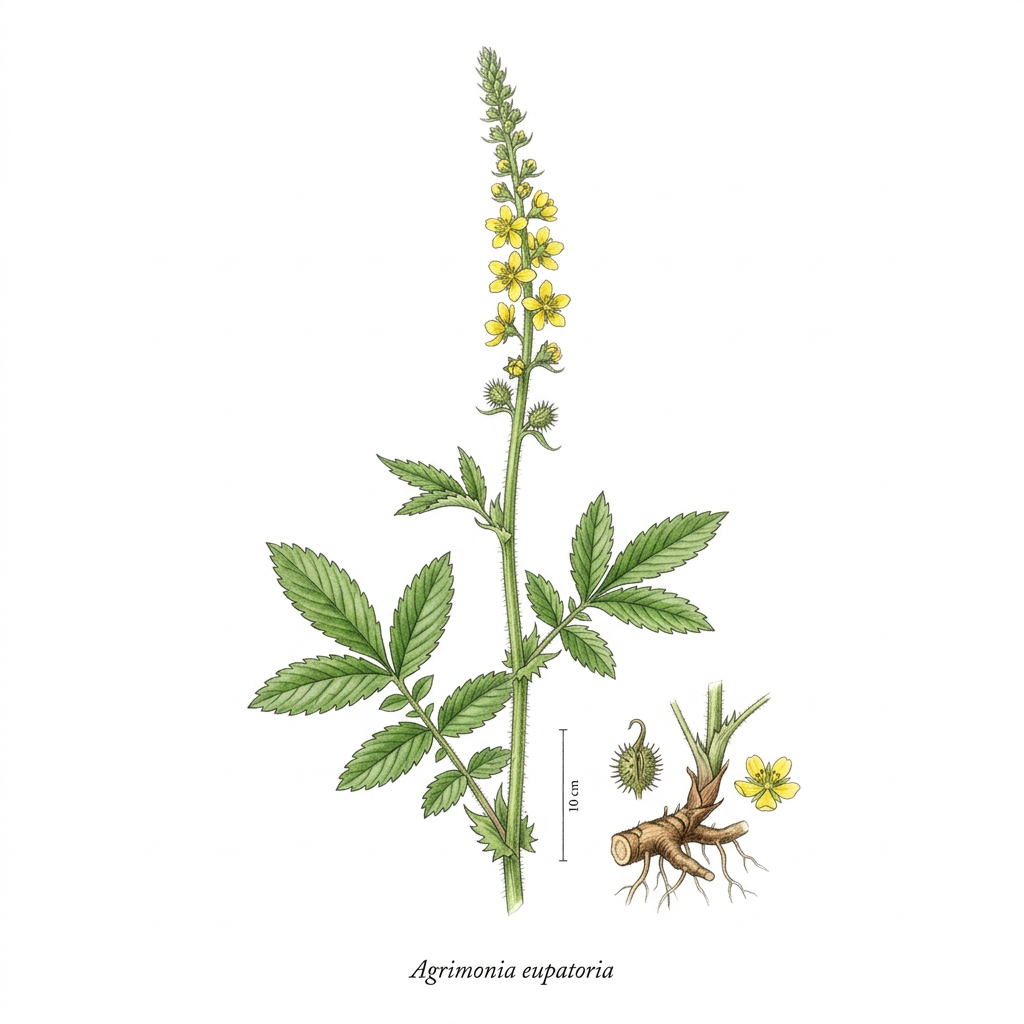
Agrimony

Agrimony

Agrimonia eupatoria

Digestive Aid
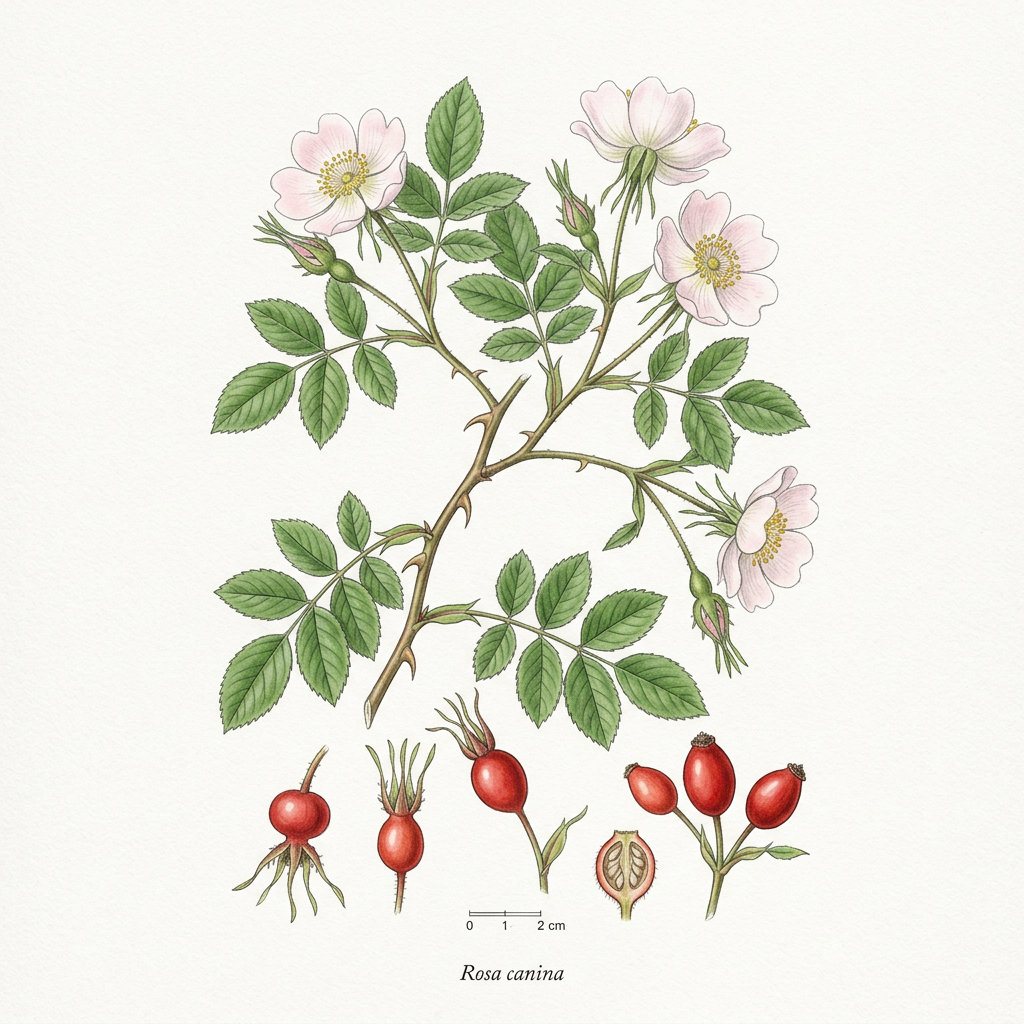
Dog rose

Dog rose

Rosa canina

Immune Support
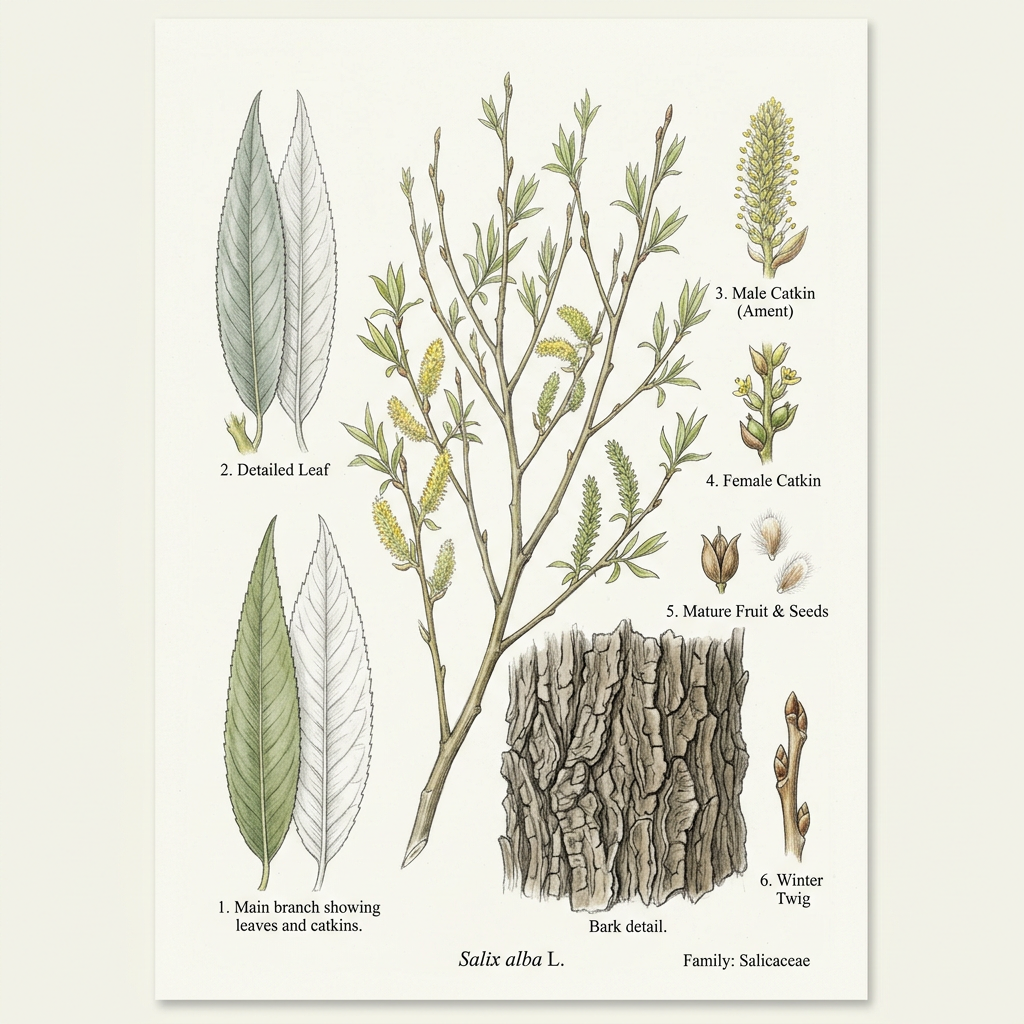
Willow

Willow

Salix alba

Temperature Regulation