The Wild Sage logo
The Wild Sage Logo

Herbal Medicine at your fingertips

Comprehensive database of herbal remedies with detailed safety information and traditional uses

New to herbal terms? Read the glossary →
ADHD
Abcess
Acid Reflux Relief
Acinetobacter
Acne
Acne Vulgaris
Addisons
Adenomyosis
Adenovirus
Adrenal fatigue
Aging
Aids
Alcaligenes faecalis
Alcoholism
Allergic Rhinitis
Allergies
Allergy
Alopoecia
Alopoecia nervosa
Alzheimer's, Dementia & Cognitive Decline
420 herbs found
Important: This information is for educational purposes only. Always consult with qualified healthcare professionals before using herbal remedies, especially if you have existing health conditions or take medications.
Fir

Fir

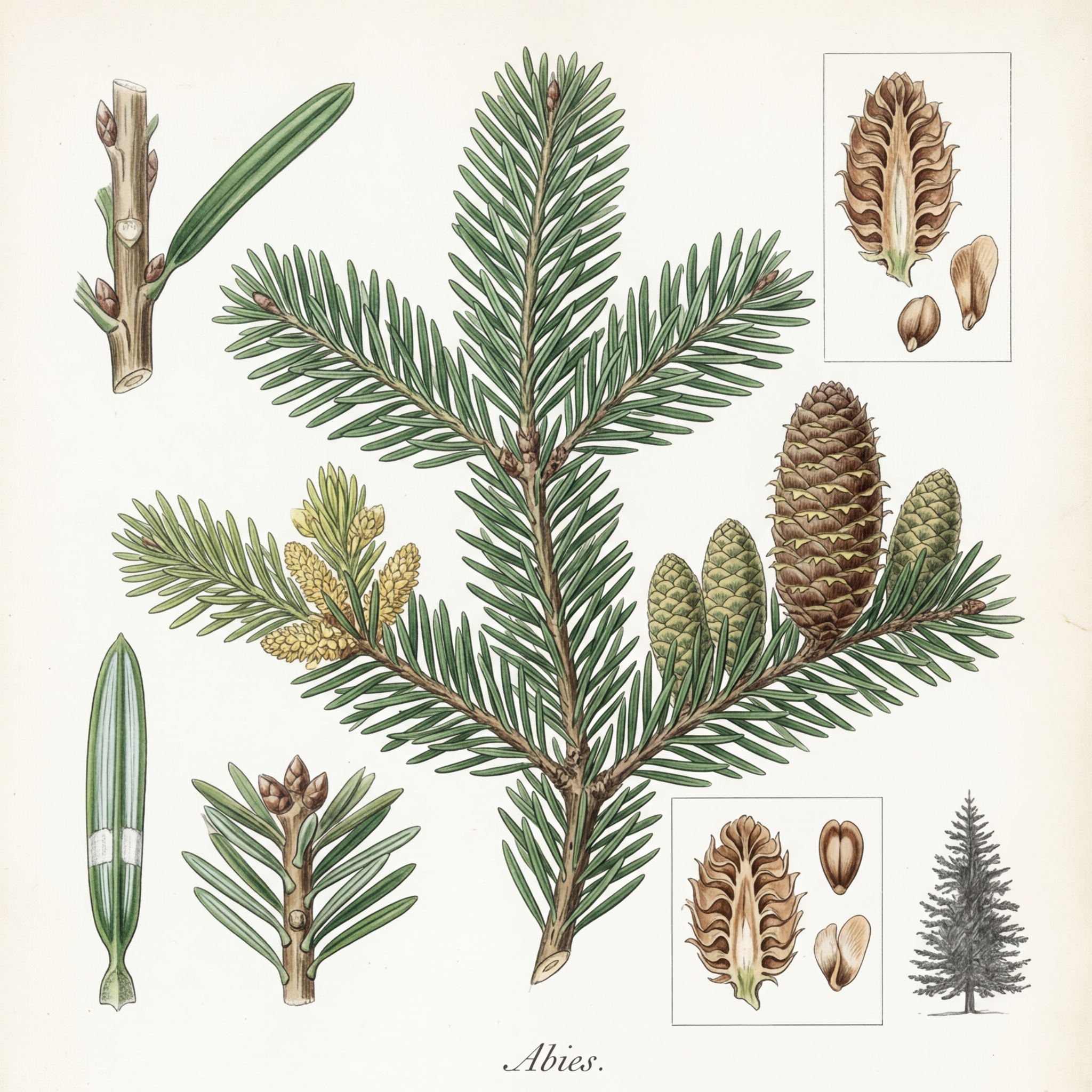
Abies spp.

low risk Risk
Pinaceae
<p>Abies species, commonly known as Silver Fir or Balsam Fir, are evergreen coniferous trees characterised by their flattened, needle-like leaves which are often marked with two white stomatal bands underneath. The cones stand upright on the branches and disintegrate while still on the tree, leaving behind a central spike. They are native to the temperate regions of the Northern Hemisphere, favouring moist, mountainous climates where they often form large, aromatic forest stands.</p><p>Traditionally, Fir has been used in European and North American herbal traditions as a stimulant expectorant and antiseptic for the respiratory system. The resin, often gathered as 'Balsam of Fir', was applied topically as a vulnerary for minor wounds and historically served as a base for various salves. The needles and twigs are traditionally used for support during seasonal catarrh, coughs, and mild bronchial irritation, valued for their warming and clearing aromatic properties.</p><p>Modern research into Abies species highlights the presence of volatile monoterpenes and polyphenolic compounds, which contribute to their antioxidant and antimicrobial properties in vitro. Clinical evidence regarding specific therapeutic efficacy is limited; however, current practice often utilises the essential oil or needle preparations to support respiratory health and as a supportive tonic. It is typically employed in the form of steam inhalations or syrups to assist in loosening stubborn mucus.</p>

Uses & Conditions

Immune Support
Immune Deficiency
Upper Respiratory Tract Infection

Actions

Cytokine Modulator
Immunomodulator

Parts Used

Needles
Twigs
Resin
Essential oil

Native Countries

North America
Europe
Asia
Northern Hemisphere
Mountain Regions

USDA Hardiness Zones

3
4
5
6
7

Contraindications

  • Pregnancy: avoid therapeutic doses due to lack of safety data
  • Breastfeeding: avoid use as the safety profile for nursing infants is not established
  • Asthma: avoid essential oil inhalation if there is a history of hyper-reactive airways as volatiles may trigger bronchospasm
  • Allergy: avoid if hypersensitive to Pinaceae species or turpentine derivatives
  • Children: do not apply essential oils to the face or near the nostrils of young children due to risk of respiratory distress

Potential Side Effects

  • Skin irritation or contact dermatitis if applied topically
  • Nausea or digestive upset if ingested in excessive quantities
  • Coughing or throat irritation from essential oil inhalation

Interactions

  • Use caution when combining with prescription respiratory or sedative medications due to potential for additive effects
  • Theoretical caution with medications processed by the liver, though evidence is limited

Dosages, tincture ratios & research — members only

Unlock Garreth's dosing guidance, tincture ratios, the dosage calculator and the research studies for Fir.

Your assessment and results stay saved — upgrading only unlocks more of them.

See membership plans

Community Photos

No community photos yet. Sign in to upload photos.

Reviews & Ratings

Sign in to leave a review.

No reviews yet. Be the first!

GF

Garreth Falls — B.Th., Dip. H.M., MNIMH

Content curated and reviewed by Garreth Falls, Consultant Medical Herbalist · The Wild Sage

Medical Disclaimer: This information is for educational purposes only and is not intended as medical advice. Always consult with qualified healthcare professionals before starting any herbal treatment.
Western tradition

Sustainability & quality

Abundant

Commonly sourced from sustainable forestry; ensure oils and resins are extracted with minimal environmental impact.

Key constituents

Alpha-pinene, Limonene, Camphene, Bornyl acetate, Flavonoids, Resinous acids, Vitamin C

References

  1. Herbal Reality. Herb monographs. herbalreality.com

Reviewed by Garreth, Medical Herbalist (MNIMH) · November 2026

Related conditions

Explore conditions where Fir is traditionally used.

Related Herbs
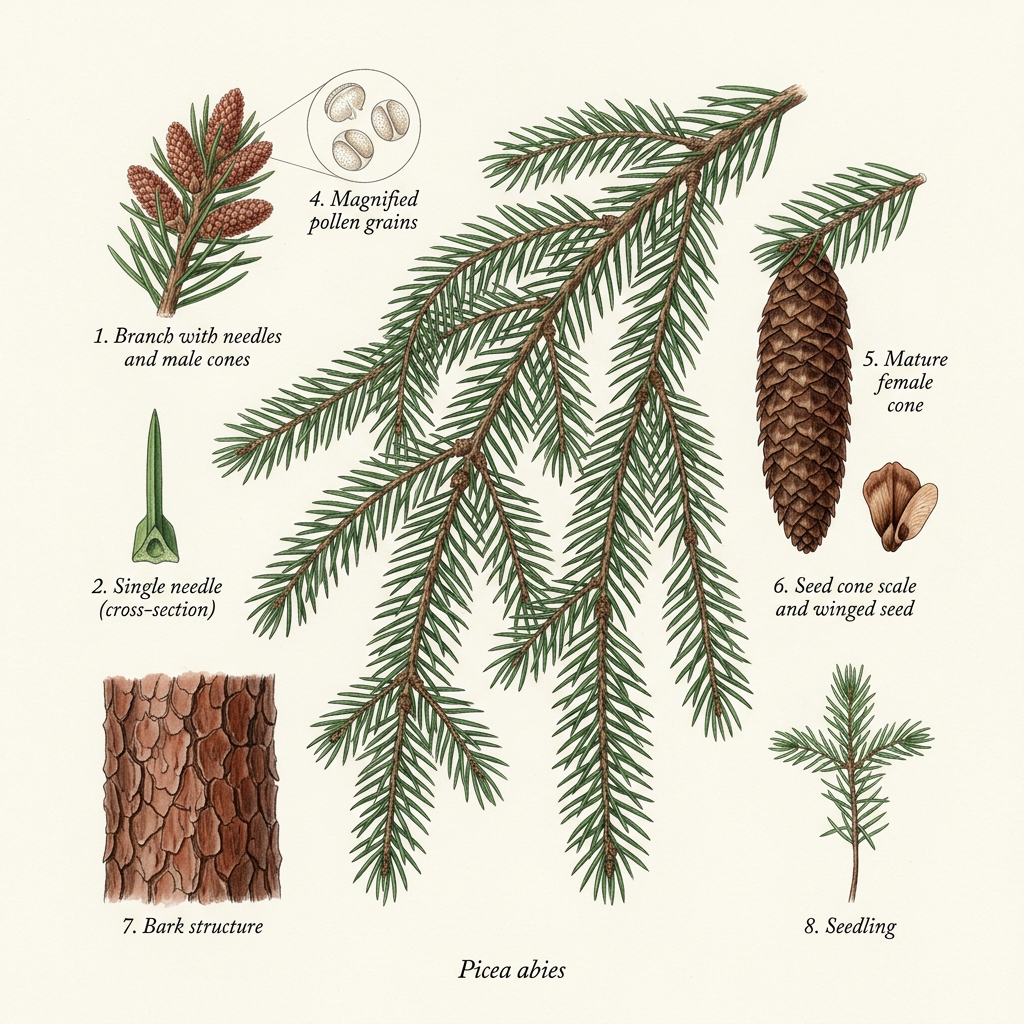
Pine

Pine

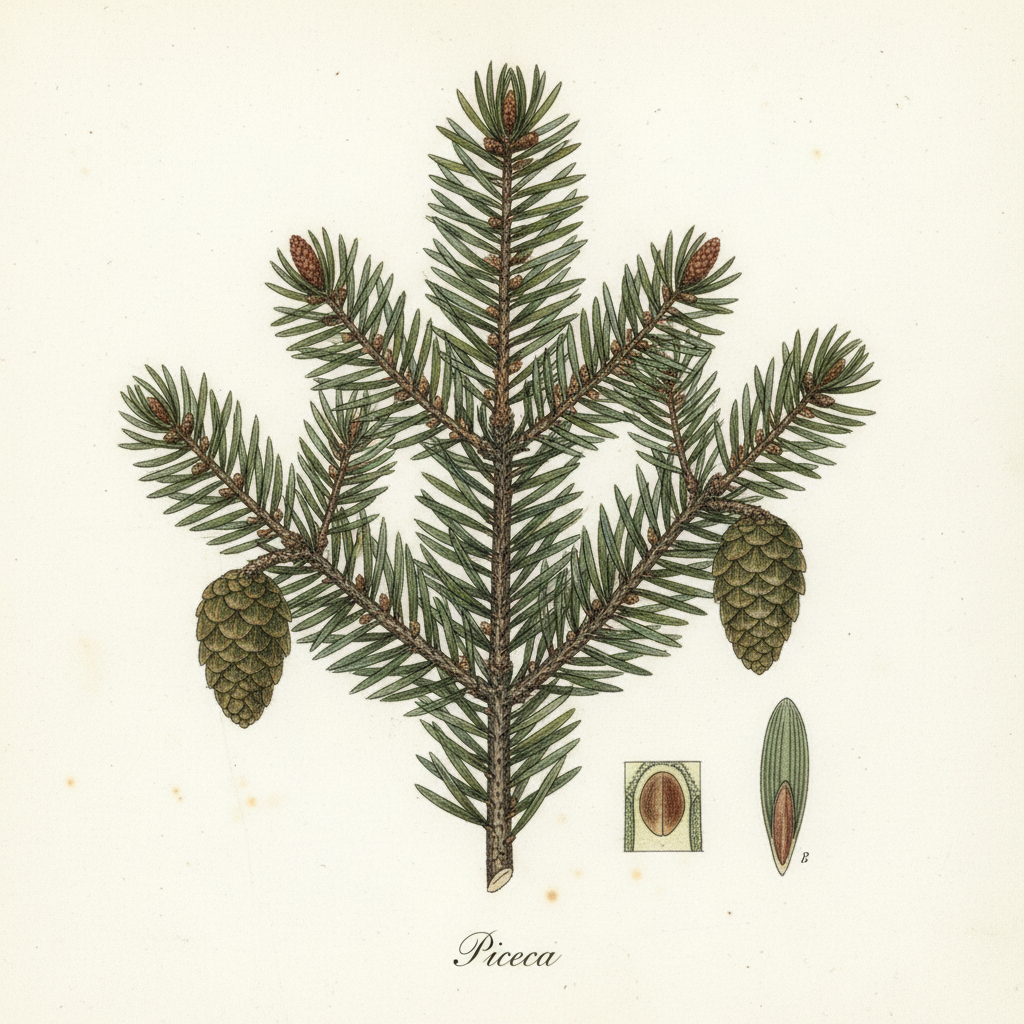
Picea abies

Testosterone Support
Spruce

Spruce

Spruce

Immune Support
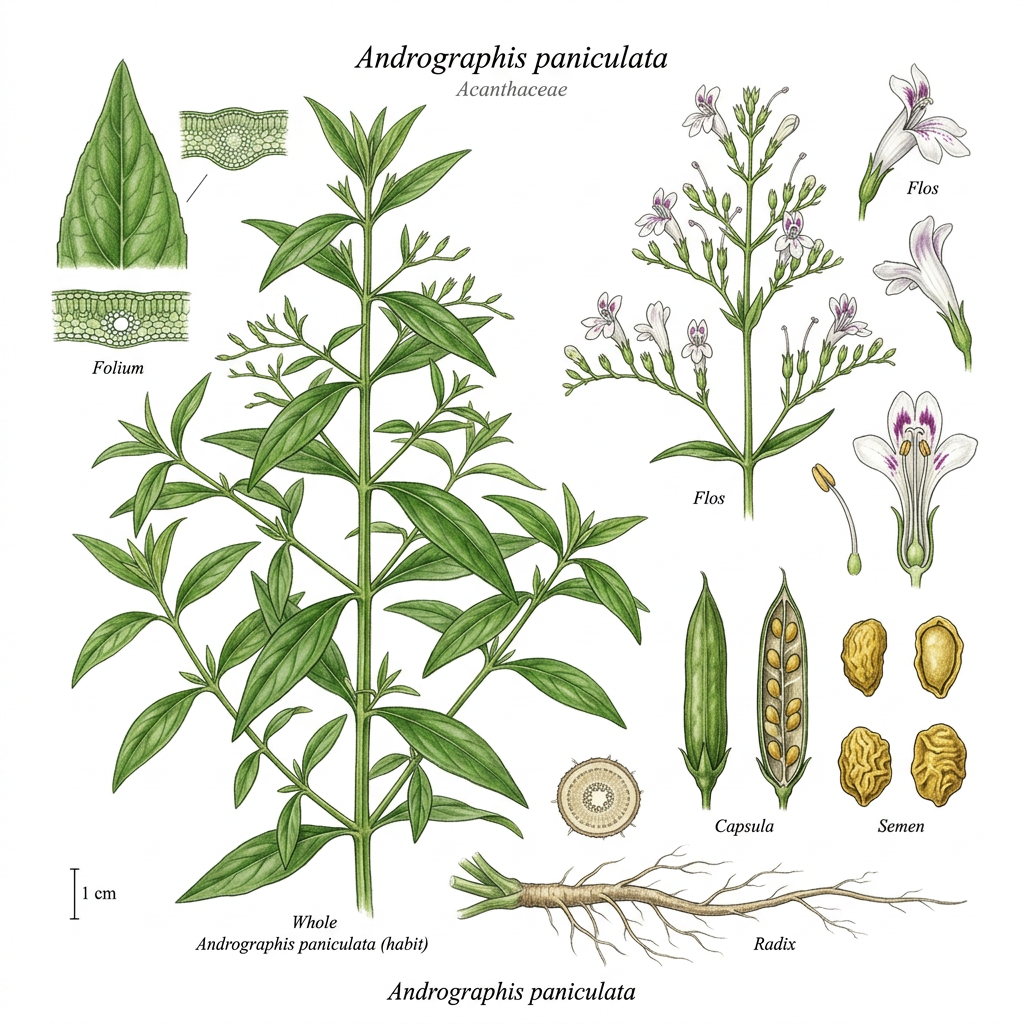
Andrographis

Andrographis

Andrographis paniculata

Immune Support
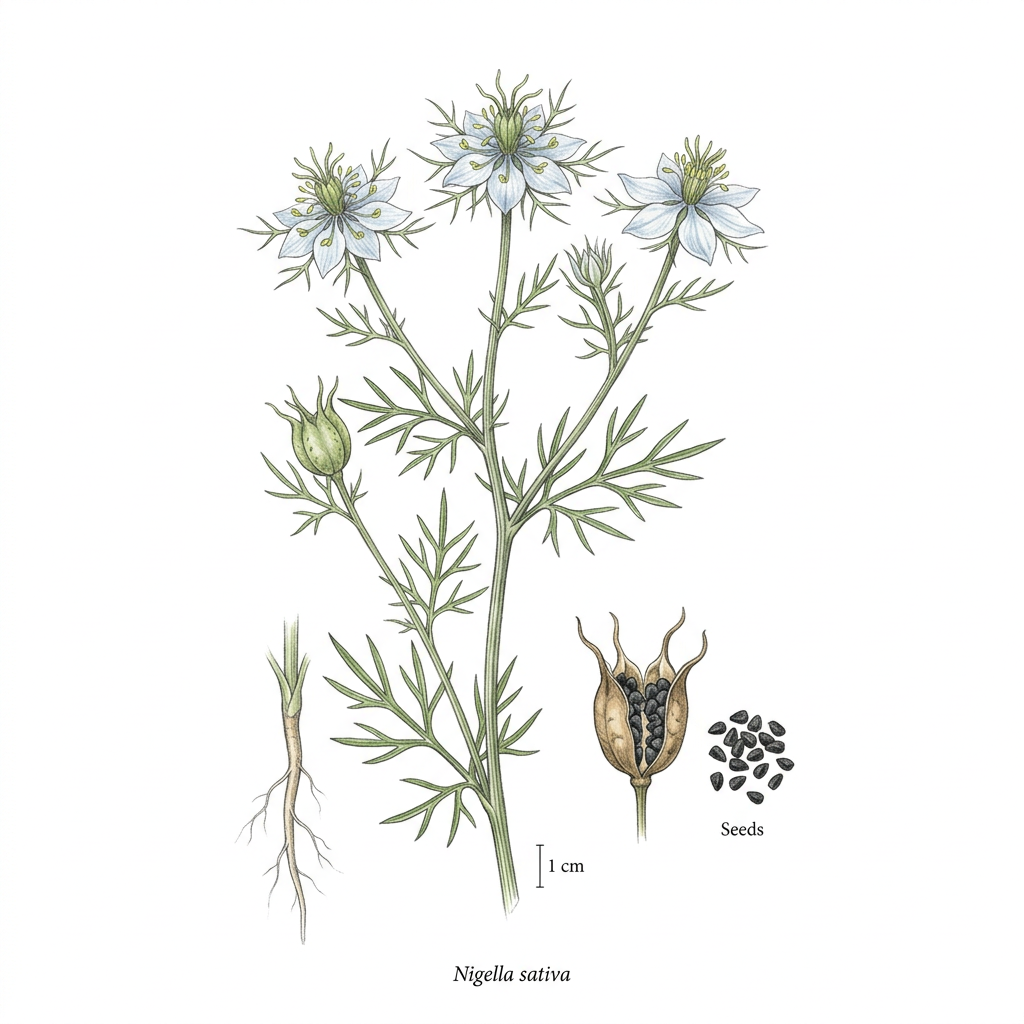
Black Cumin Seed

Black Cumin Seed

Nigella sativa

Antioxidant Support