The Wild Sage logo
The Wild Sage Logo

Herbal Medicine at your fingertips

Comprehensive database of herbal remedies with detailed safety information and traditional uses

New to herbal terms? Read the glossary →
ADHD
Abcess
Acid Reflux Relief
Acinetobacter
Acne
Acne Vulgaris
Addisons
Adenomyosis
Adenovirus
Adrenal fatigue
Aging
Aids
Alcaligenes faecalis
Alcoholism
Allergic Rhinitis
Allergies
Allergy
Alopoecia
Alopoecia nervosa
Alzheimer's, Dementia & Cognitive Decline
420 herbs found
Important: This information is for educational purposes only. Always consult with qualified healthcare professionals before using herbal remedies, especially if you have existing health conditions or take medications.
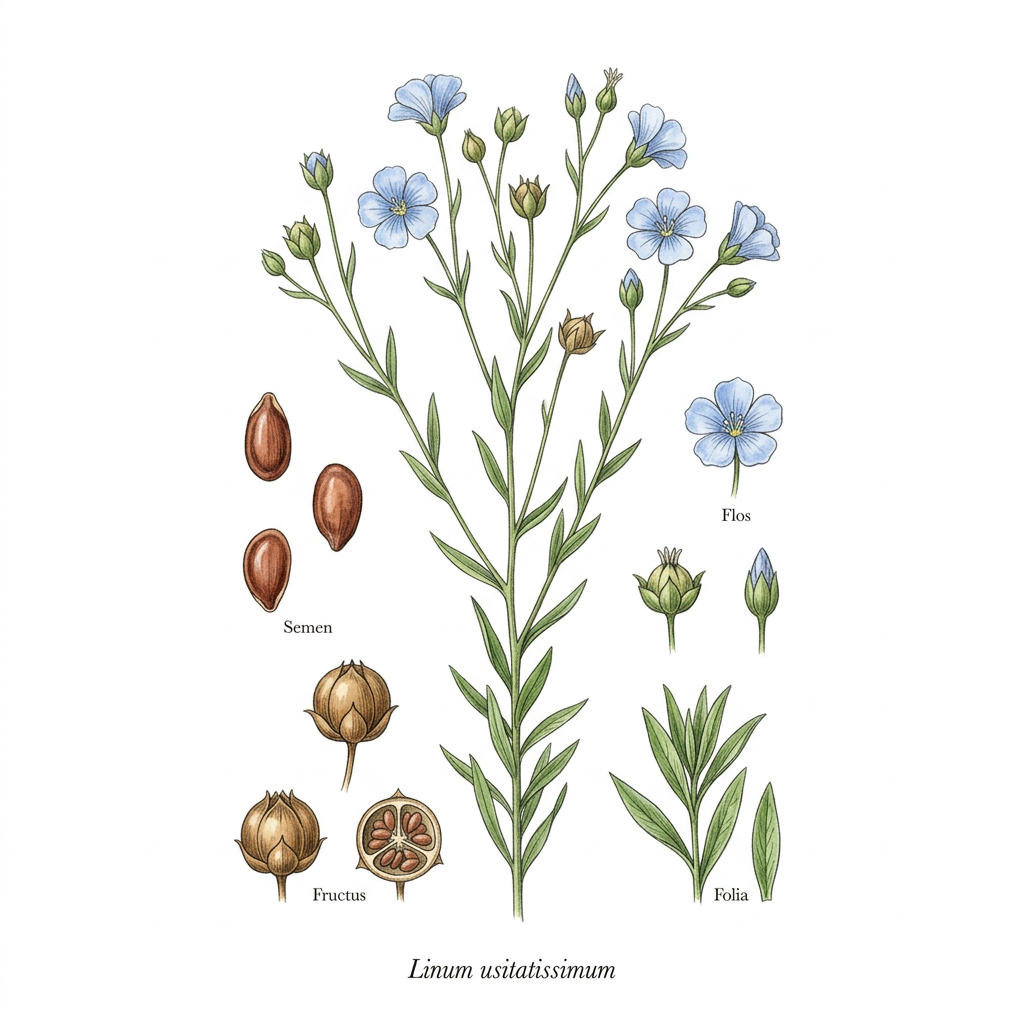
Flax

Flax

Linum usitatissimum

low risk Risk
Linaceae
Known for its calming and soothing properties, promoting emotional balance and mental clarity.
<p>Flax is a versatile herbaceous plant that has been cultivated for thousands of years, renowned for its culinary, textile, and medicinal applications. Its seeds, known as flaxseeds, have been utilized in traditional herbal medicine across various cultures, particularly in ancient Egypt, Greece, and China, where they were celebrated for their health-promoting properties. Historically, flax was prescribed for ailments ranging from digestive disorders to inflammatory conditions. Its seeds are a rich source of omega-3 fatty acids, lignans, and soluble fiber, which have contributed to its enduring reputation as a cornerstone of natural health practices. The therapeutic properties of flax are primarily attributed to its high concentrations of alpha-linolenic acid (ALA), a type of omega-3 fatty acid that is known for its potent anti-inflammatory effects. As an anti-inflammatory agent, flax can help reduce the risk of chronic diseases, particularly cardiovascular issues, by improving lipid profiles and lowering blood pressure. Additionally, flaxseeds act as a digestive aid, aiding in regularity and promoting gut health through their soluble fiber content. The lignans present in flax also boast antioxidant properties, potentially reducing oxidative stress and enhancing overall metabolic function. These combined actions make flax an invaluable ally in supporting heart health, digestive wellness, and maintaining balanced inflammation levels. In the body, flax’s beneficial compounds work synergistically to promote a range of health outcomes. The omega-3 fatty acids play a crucial role in modulating inflammatory processes and supporting arterial health, while the soluble fiber contributes to cholesterol management and enhanced digestion. Flax's lignans are metabolized into enterolignans, compounds that can exert estrogen-like effects, potentially offering protective benefits against hormone-related cancers. Moreover, flaxseeds are known to support the microbiome by acting as a prebiotic, fostering the growth of beneficial gut bacteria. Overall, the inclusion of flax in the diet not only champions cardiovascular and digestive health but also enriches the body's biochemical resilience, showcasing its multifaceted role in holistic wellness.</p>

Uses & Conditions

Cardiovascular Support
Digestive Support
Menopause Support
Cardiovascular Disease
Inflammatory Bowel Disease
Anxiety Disorders
Constipation
Endometriosis
PCOS
Menorrhagia
Dysmenorrhea
Atherosclerosis

Actions

Anti-inflammatory
Hypocholesterolemic
Anxiolytic

Parts Used

Seeds

Native Countries

Egypt
Mediterranean
Central Asia
China
India

USDA Hardiness Zones

3
4
5
6
7

Contraindications

  • Bowel obstruction or gastrointestinal tract strictures
  • Acute inflammatory bowel conditions during an active flare-up
  • Pre-existing hormone-dependent cancers
  • Chronic constipation without adequate fluid intake
  • History of severe allergy to Linum usitatissimum

Potential Side Effects

  • Constipation if not taken with adequate water

Interactions

  • Anticoagulants and antiplatelet drugs: potential for increased bleeding risk when taken in very large doses
  • Oral medications: mucilage content may slow absorption; separate doses by at least two hours
  • Hormone-sensitive medications: potential for oestrogenic or anti-oestrogenic effects; consult a practitioner if taking tamoxifen or HRT

Dosages, tincture ratios & research — members only

Unlock Garreth's dosing guidance, tincture ratios, the dosage calculator and the research studies for Flax.

Your assessment and results stay saved — upgrading only unlocks more of them.

See membership plans

Community Photos

No community photos yet. Sign in to upload photos.

Reviews & Ratings

Sign in to leave a review.

No reviews yet. Be the first!

GF

Garreth Falls — B.Th., Dip. H.M., MNIMH

Content curated and reviewed by Garreth Falls, Consultant Medical Herbalist · The Wild Sage

Medical Disclaimer: This information is for educational purposes only and is not intended as medical advice. Always consult with qualified healthcare professionals before starting any herbal treatment.
Western tradition

Sustainability & quality

Cultivated

An agricultural crop widely farmed for seeds and fibre. Ensure organic certification to avoid pesticide residues in the oils and seeds.

Key constituents

Anti-inflammatory, Cardiovascular Health, Vitamins, Minerals

References

  1. ESCOP Monographs 2nd ed. 2003
  2. EMA/HMPC Community Herbal Monograph
  3. British Herbal Pharmacopoeia 1983
  4. Herbal Reality. Herb monographs. herbalreality.com

Reviewed by Garreth, Medical Herbalist (MNIMH) · November 2026

Related conditions

Explore conditions where Flax is traditionally used.

Related Herbs
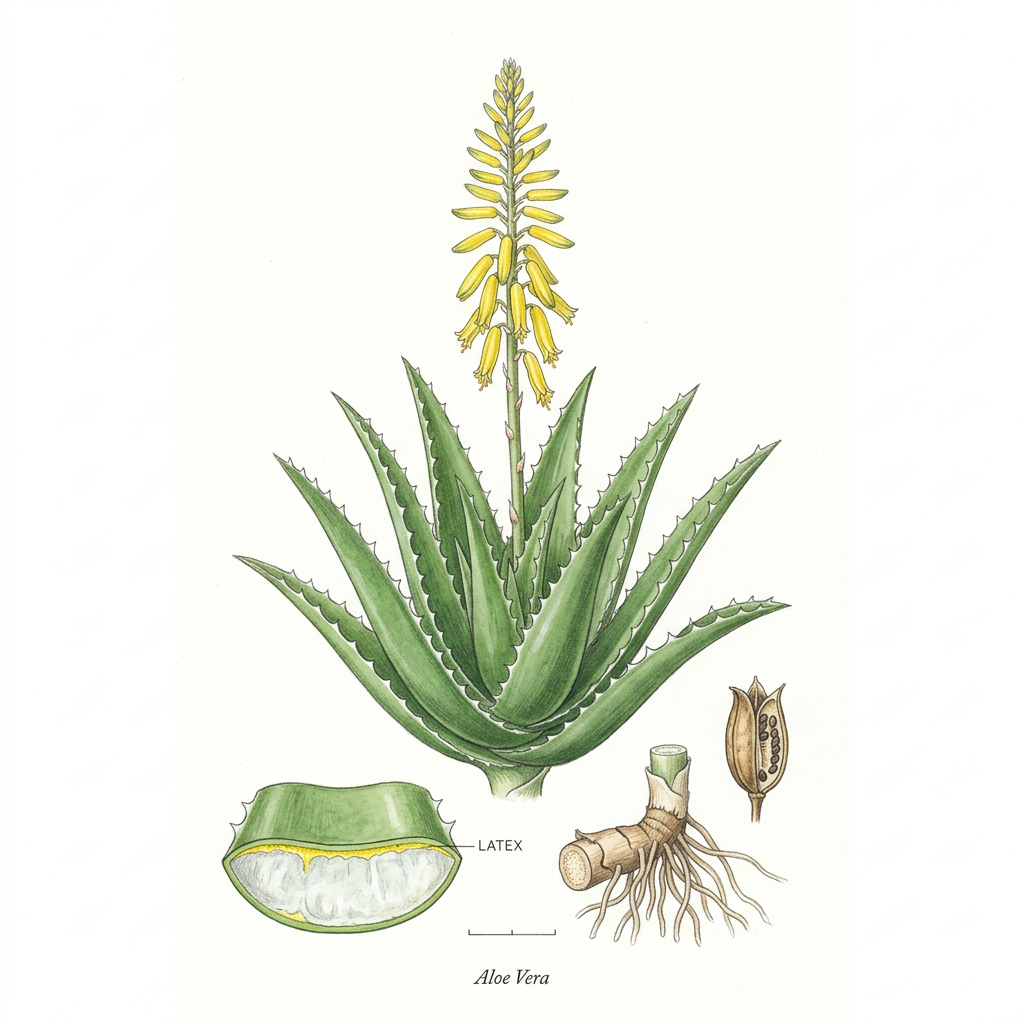
Aloe Vera

Aloe Vera

Aloe vera

Digestive Support
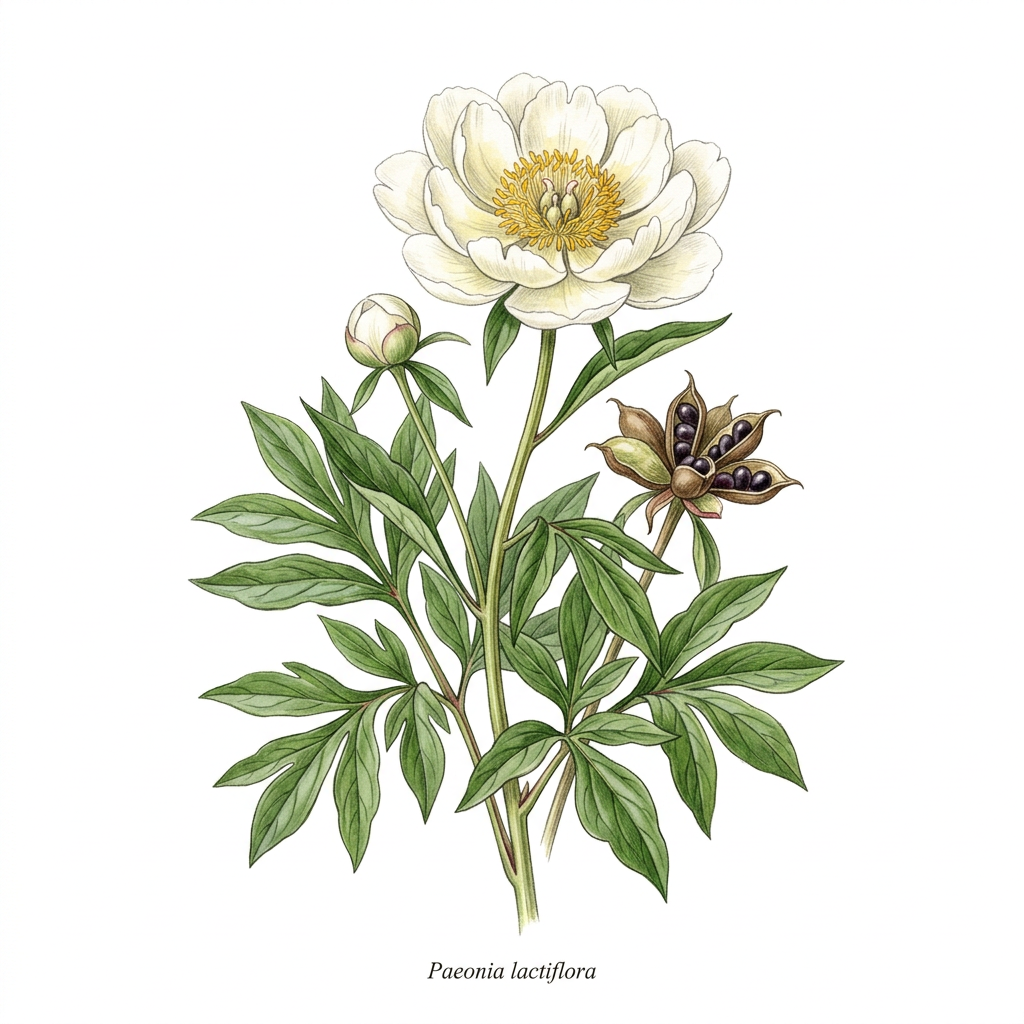
White peony

White peony

Paeonia lactiflora

Hormonal Balance
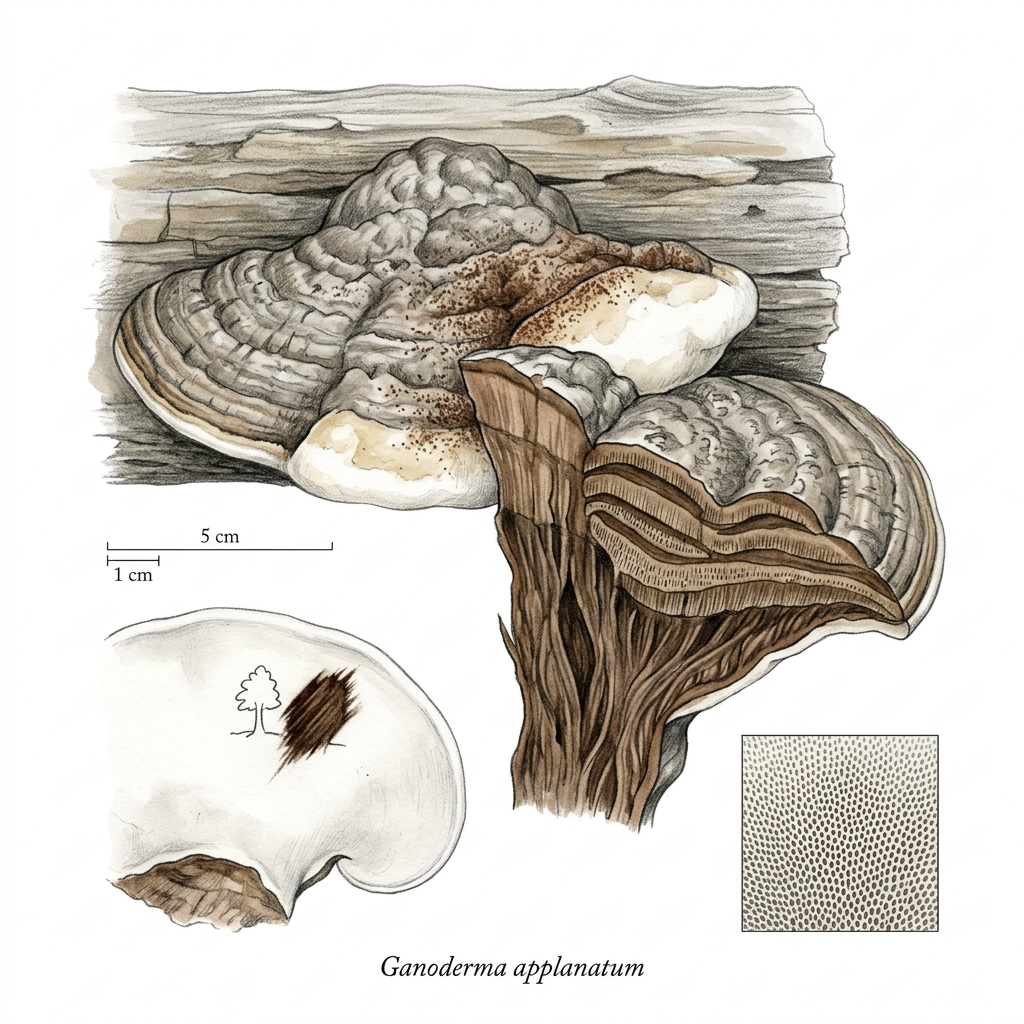
Artist's Conk

Artist's Conk

Ganoderma applanatum

Immune Support
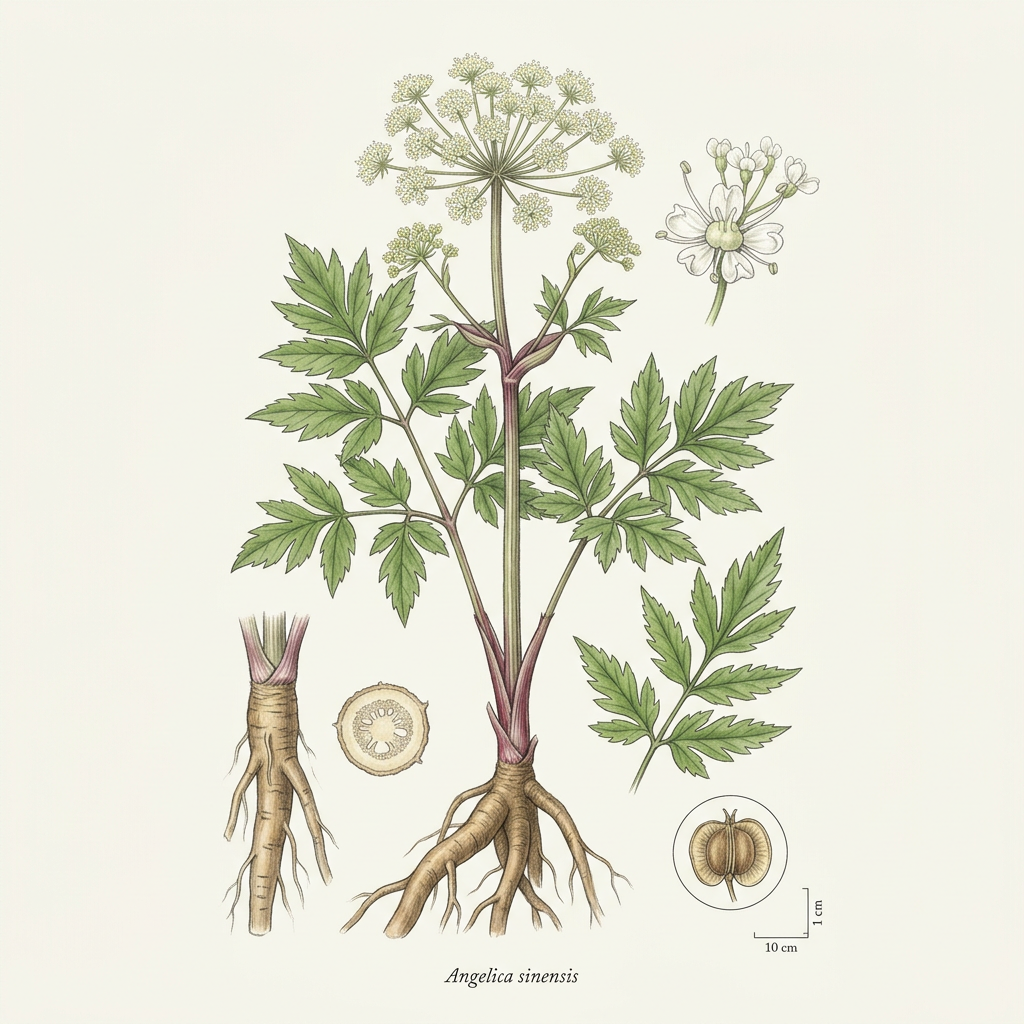
Chinese angelica

Chinese angelica

Angelica sinensis

Blood Tonic