The Wild Sage logo
The Wild Sage Logo

Herbal Medicine at your fingertips

Comprehensive database of herbal remedies with detailed safety information and traditional uses

New to herbal terms? Read the glossary →
ADHD
Abcess
Acid Reflux Relief
Acinetobacter
Acne
Acne Vulgaris
Addisons
Adenomyosis
Adenovirus
Adrenal fatigue
Aging
Aids
Alcaligenes faecalis
Alcoholism
Allergic Rhinitis
Allergies
Allergy
Alopoecia
Alopoecia nervosa
Alzheimer's, Dementia & Cognitive Decline
420 herbs found
Important: This information is for educational purposes only. Always consult with qualified healthcare professionals before using herbal remedies, especially if you have existing health conditions or take medications.
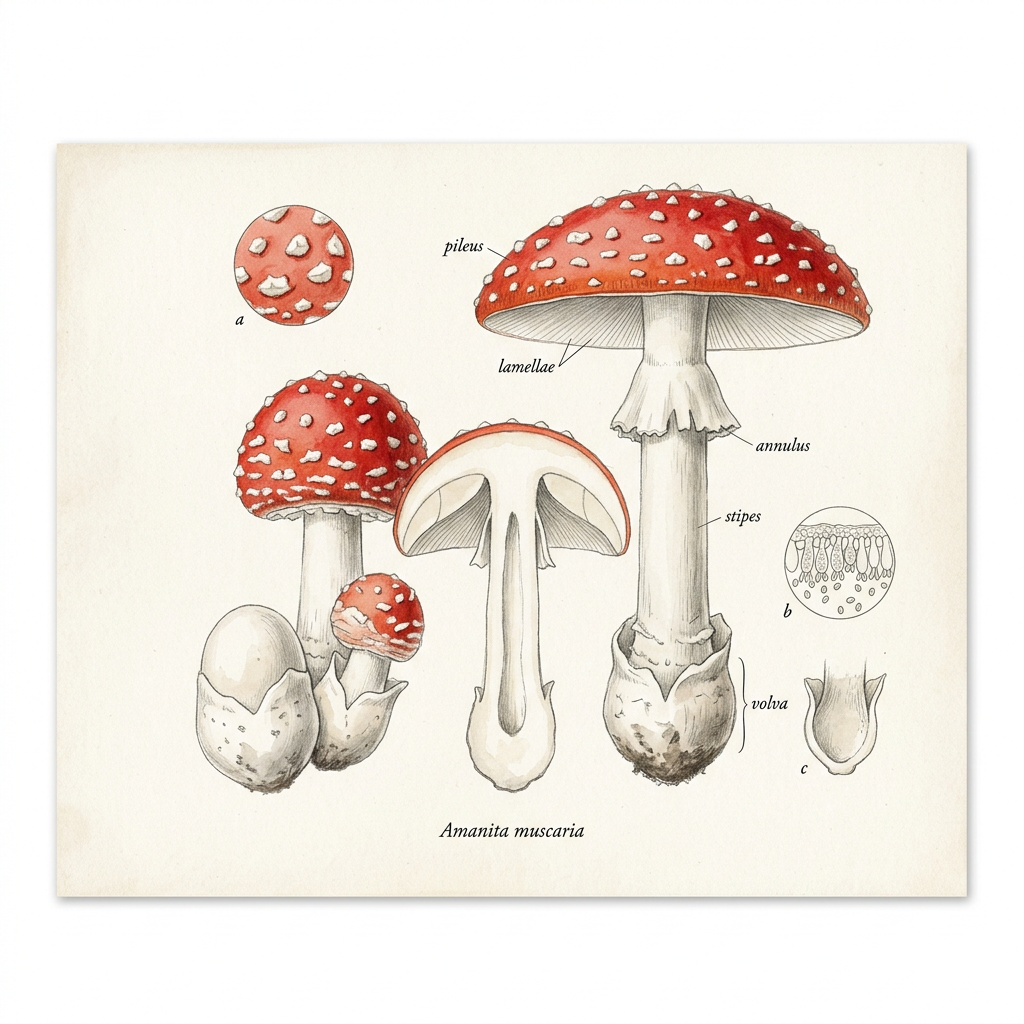
Fly agaric

Fly agaric

Amanita muscaria

high risk Risk
Amanitaceae
cool, dry , bitter.
<p>The Fly Agaric, scientifically known as *Amanita muscaria*, is a strikingly iconic fungal species characterized by its vivid red cap adorned with white speckles. This mushroom has a profound presence in various cultural mythologies and traditional practices, particularly among the indigenous peoples of Siberia and parts of the Arctic. Historically, it has been used in shamanic rituals, where practitioners consumed the mushroom to achieve altered states of consciousness and engage in spiritual exploration. Despite its association with mysticism, *Amanita muscaria* is also recognized in some folklore as a remedy for various ailments, showcasing its significant role in the natural pharmacopoeia of numerous cultures. The therapeutic properties of Fly Agaric are multifaceted, with key actions including its roles as a COX-2 inhibitor, anxiolytic, and antiviral agent. As a COX-2 inhibitor, *Amanita muscaria* may aid in reducing inflammation and alleviating pain, making it a notable ally in the management of inflammatory conditions. Its anxiolytic properties suggest potential benefits for individuals experiencing anxiety, promoting a sense of calm without sedative effects typical of many pharmaceuticals. Additionally, studies indicate that certain compounds within this mushroom exhibit antiviral properties, providing a natural alternative for bolstering the immune system against viral pathogens. At a biochemical level, *Amanita muscaria* exerts its effects through various mechanisms. The active constituents, notably ibotenic acid and muscimol, interact with neurotransmitter systems in the central nervous system. Ibotenic acid is converted into muscimol, which binds to GABA receptors, enhancing the inhibitory action of the neurotransmitter GABA, thus contributing to its anxiolytic effects. Furthermore, the inhibition of COX-2 enzymes disrupts the inflammatory pathway, leading to reduced production of prostaglandins, which are often responsible for pain and inflammation. This unique combination of actions highlights the potential of Fly Agaric not only as a historical and traditional remedy but also as a subject of modern scientific interest in the field of herbal medicine.</p>

Uses & Conditions

Anxiety
Immune Support
Spiritual Exploration
Altered States Of Consciousness
Nervous System Support
Trigeminal Neuralgia
Neuralgia
Pancreatitis
Alzheimer's
Inflammation

Actions

Cox-2 Inhibitor
Anxiolytic
Antiviral

Parts Used

Fruiting body (fresh or dried)

Native Countries

Northern Europe
Siberia
North America
Japan
Scandinavia

USDA Hardiness Zones

3
4
5
6

Contraindications

  • Pregnancy and breastfeeding
  • Children and adolescents
  • Individuals with pre-existing hepatic or renal impairment
  • History of psychiatric disorders or severe neurological conditions
  • Two weeks prior to any elective surgery

Potential Side Effects

  • Gastrointestinal distress including nausea, vomiting, and diarrhoea
  • Neurological symptoms including dizziness, tremors, and muscle twitching
  • Psychotropic effects ranging from vivid hallucinations to extreme confusion or delirium
  • Tachycardia and fluctuations in blood pressure

Interactions

  • Central nervous system depressants may lead to synergistic sedative or dissociative effects
  • Alcohol significantly increases the risk of toxic side effects and neurological distress
  • Anticholinergic drugs have potential for additive effects on heart rate and mental status
  • Extreme caution with all prescription medicines due to lack of human clinical data

Dosages, tincture ratios & research — members only

Unlock Garreth's dosing guidance, tincture ratios, the dosage calculator and the research studies for Fly agaric.

Your assessment and results stay saved — upgrading only unlocks more of them.

See membership plans

Community Photos

No community photos yet. Sign in to upload photos.

Reviews & Ratings

Sign in to leave a review.

No reviews yet. Be the first!

GF

Garreth Falls — B.Th., Dip. H.M., MNIMH

Content curated and reviewed by Garreth Falls, Consultant Medical Herbalist · The Wild Sage

Medical Disclaimer: This information is for educational purposes only and is not intended as medical advice. Always consult with qualified healthcare professionals before starting any herbal treatment.
Western tradition

Sustainability & quality

Abundant

Toxic; rarely used in modern professional herbal practice due to significant safety risks and legal restrictions. Topical application of this herb is a grey area legally and best avoided.

Key constituents

Muscimol, - Ibotenic acid, Beta-sitosterol, - Ergosterol, - Various polysaccharides

References

  1. Herbal Reality. Herb monographs. herbalreality.com

Reviewed by Garreth, Medical Herbalist (MNIMH) · November 2026

Related conditions

Explore conditions where Fly agaric is traditionally used.

Related Herbs
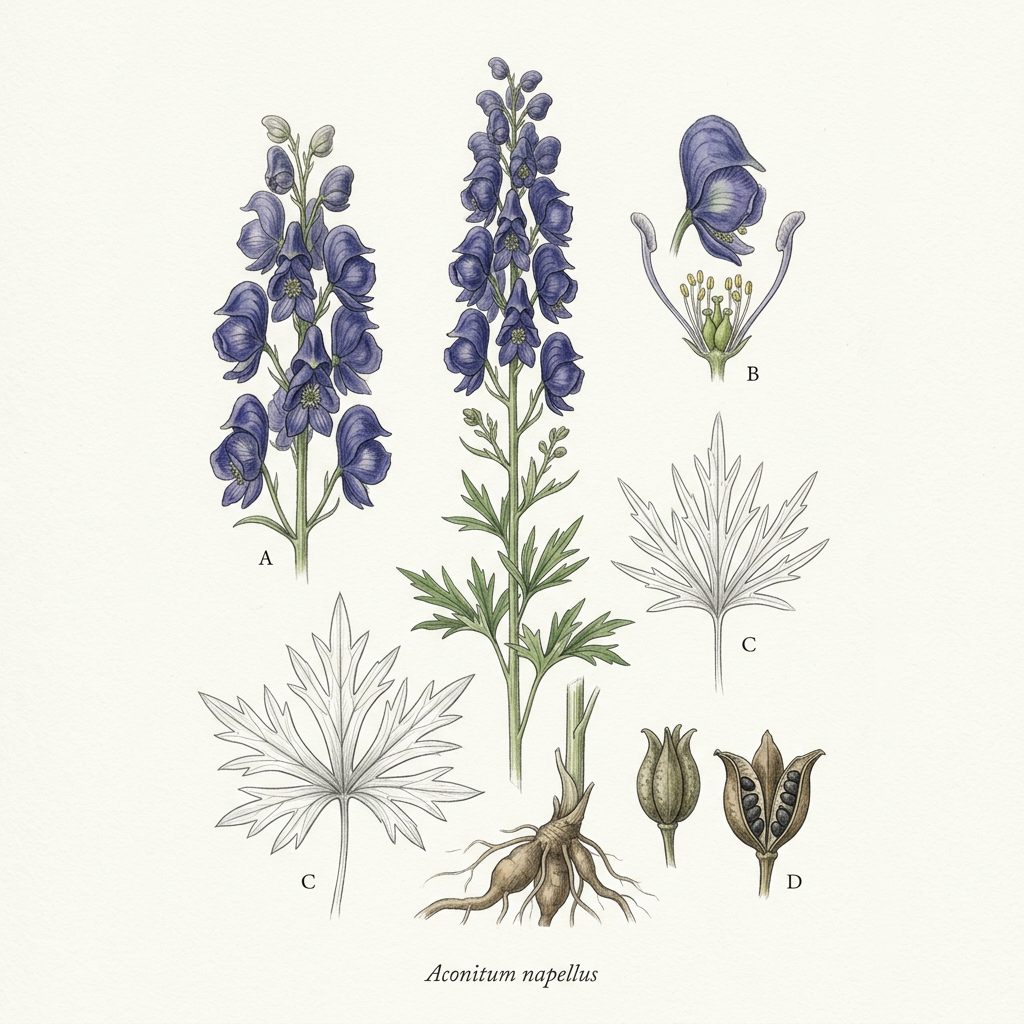
Monkshood

Monkshood

Aconitum napellus

Neuroprotection
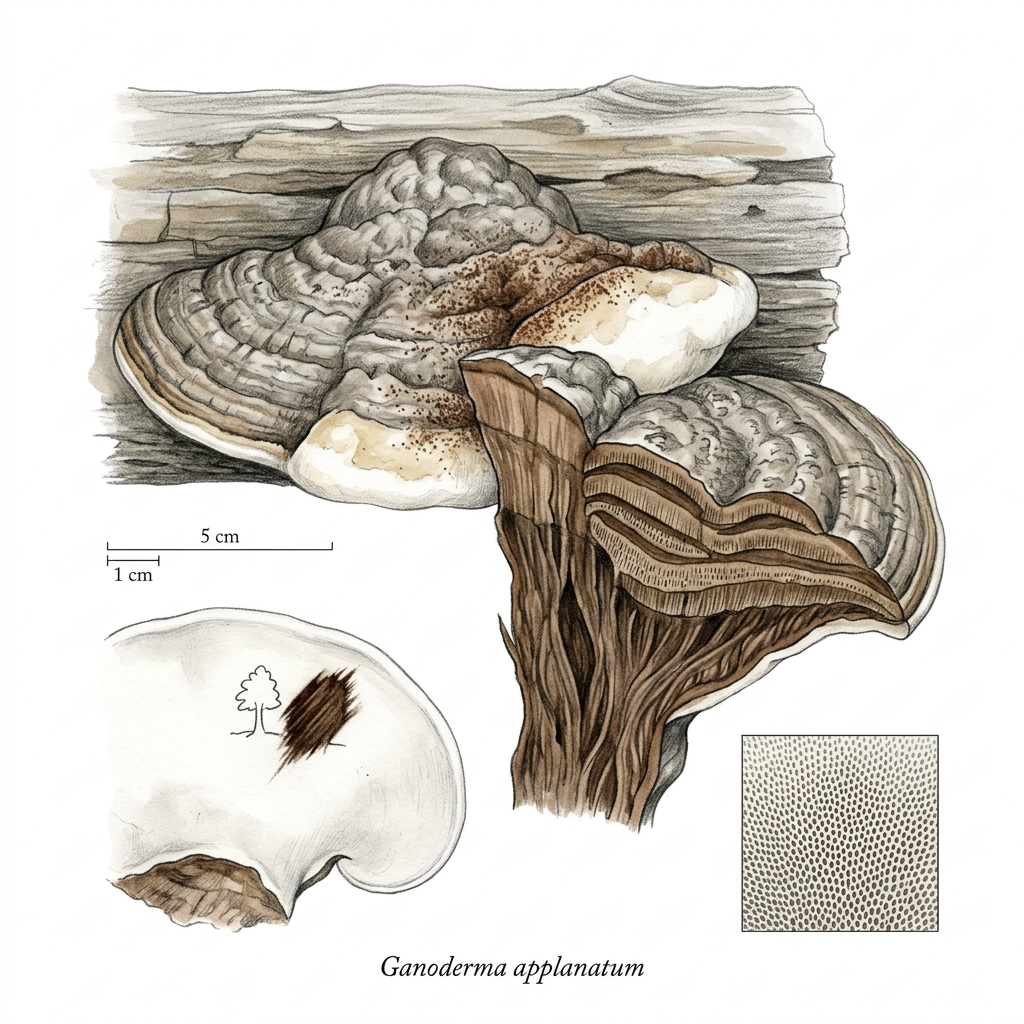
Artist's Conk

Artist's Conk

Ganoderma applanatum

Immune Support
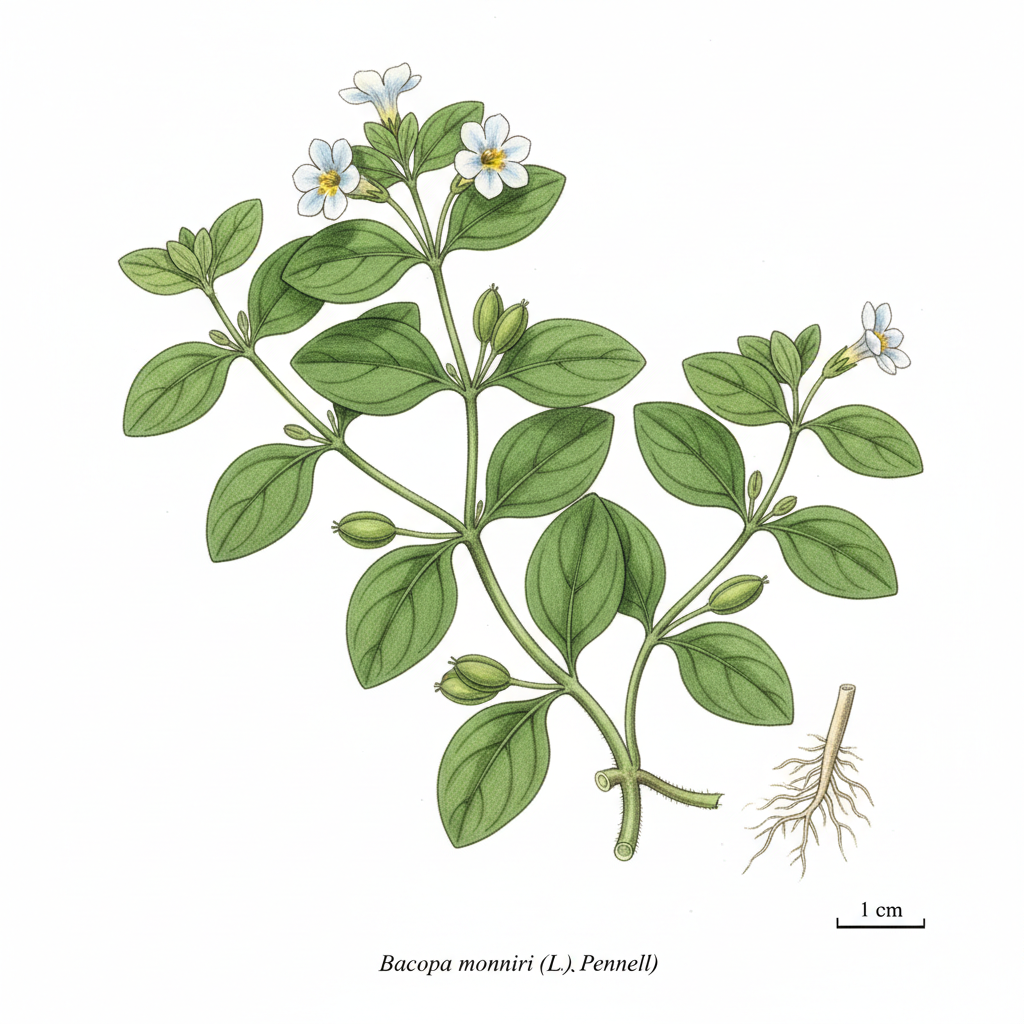
Brahmi

Brahmi

Bacopa monnieri

Cognitive Function
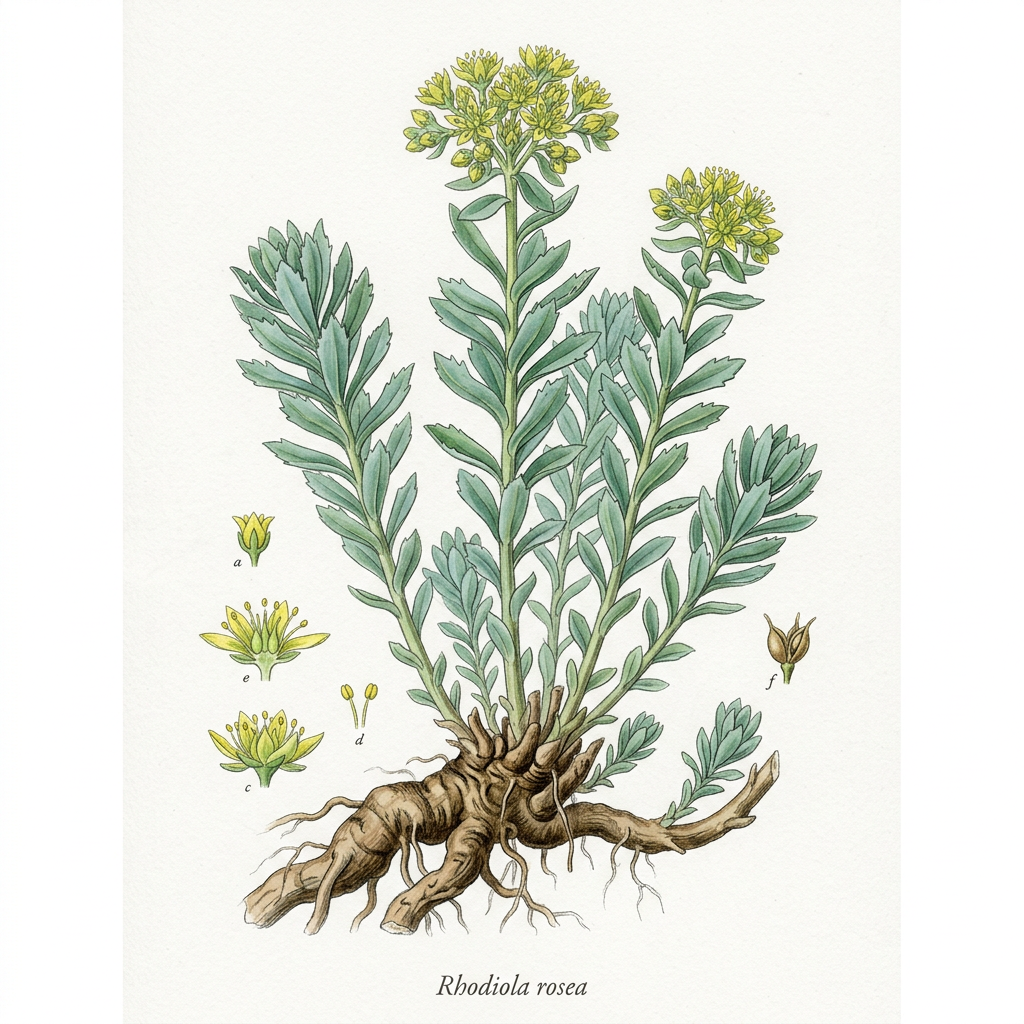
Rhodiola

Rhodiola

Rhodiola rosea

Adaptogen