The Wild Sage logo
The Wild Sage Logo

Herbal Medicine at your fingertips

Comprehensive database of herbal remedies with detailed safety information and traditional uses

New to herbal terms? Read the glossary →
ADHD
Abcess
Acid Reflux Relief
Acinetobacter
Acne
Acne Vulgaris
Addisons
Adenomyosis
Adenovirus
Adrenal fatigue
Aging
Aids
Alcaligenes faecalis
Alcoholism
Allergic Rhinitis
Allergies
Allergy
Alopoecia
Alopoecia nervosa
Alzheimer's, Dementia & Cognitive Decline
420 herbs found
Important: This information is for educational purposes only. Always consult with qualified healthcare professionals before using herbal remedies, especially if you have existing health conditions or take medications.
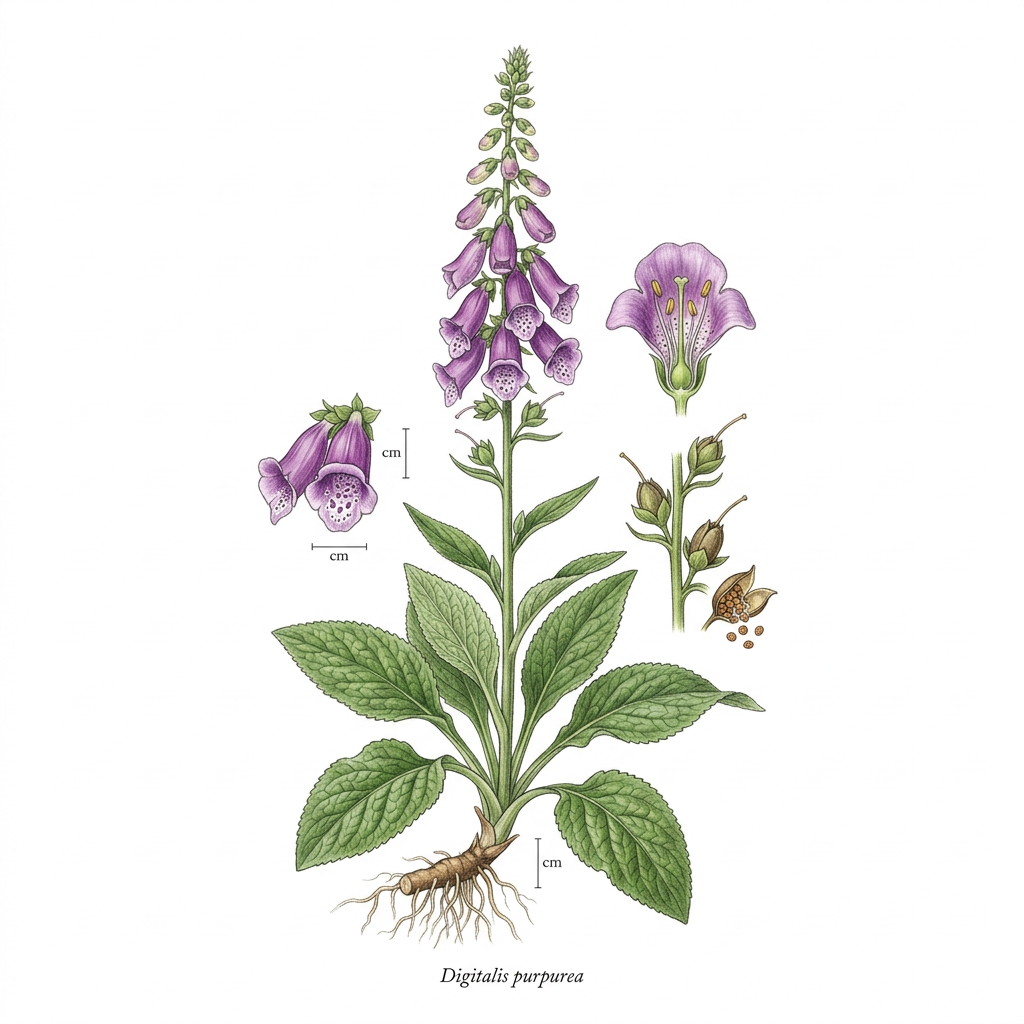
Foxglove

Foxglove

Digitalis

high risk Risk
Plantaginaceae
coooling, drying, bitter.
<p>Foxglove, or Digitalis purpurea, is a biennial plant belonging to the Plantaginaceae family, easily identified by its basal rosette of downy leaves in the first year and a striking, tall spike of bell-shaped, purple-spotted flowers in the second. It thrives in well-drained, acidic soils across woodlands and heathlands throughout the UK and Europe. The plant is notoriously toxic in its crude form and has a long, chequered history in herbal medicine and modern pharmacology.</p><p>Historically, Foxglove was employed as a traditional heart remedy, most famously documented by William Withering in the 18th century for the treatment of dropsy, now known as congestive heart failure. While the plant has a profound influence on myocardial contractility, the margin between a therapeutic dose and a lethal dose is dangerously narrow. Consequently, its direct use in raw botanical form is widely considered unsafe and inappropriate for modern herbal practice.</p><p>Modern research has focused on the isolated cardiac glycosides, such as digitoxin and digoxin, which function by increasing the force of heart muscle contraction while reducing its rate. Because of this potent activity, the botanical preparation of the leaf is rarely used by contemporary medical herbalists. Instead, patients typically receive refined, pharmaceutical-grade medicine, ensuring precise dosing that is impossible to achieve with standard home-prepared decoctions or tinctures.</p>

Uses & Conditions

Traditional heart support
Cardiac arrhythmias
Heart failure
Congestive heart failure
Epilepsy
Fatigue
Myocardial infarction
Oedema
Atrial fibrillation

Actions

Cardiosedative
Hypotensive

Parts Used

Dried leaves

Native Countries

United Kingdom
Europe
North Africa
Western Asia

USDA Hardiness Zones

4
5
6
7

Contraindications

  • Pregnancy and breastfeeding
  • Ventricular tachycardia or fibrillation
  • Hypokalaemia
  • Renal impairment
  • Known hypersensitivity to cardiac glycosides

Potential Side Effects

  • Cardiac arrhythmias and palpitations
  • Nausea, vomiting, and abdominal pain
  • Visual disturbances including blurred vision or xanthopsia
  • Confusion, lethargy, and neurological agitation

Interactions

  • Diuretics
  • Beta-blockers and calcium channel blockers
  • Corticosteroids
  • Quinidine and amiodarone

Dosages, tincture ratios & research — members only

Unlock Garreth's dosing guidance, tincture ratios, the dosage calculator and the research studies for Foxglove.

Your assessment and results stay saved — upgrading only unlocks more of them.

See membership plans

Community Photos

No community photos yet. Sign in to upload photos.

Reviews & Ratings

Sign in to leave a review.

No reviews yet. Be the first!

GF

Garreth Falls — B.Th., Dip. H.M., MNIMH

Content curated and reviewed by Garreth Falls, Consultant Medical Herbalist · The Wild Sage

Medical Disclaimer: This information is for educational purposes only and is not intended as medical advice. Always consult with qualified healthcare professionals before starting any herbal treatment.
Western tradition

Sustainability & quality

Abundant

Highly toxic; rarely used in modern practice and should be strictly avoided in wild form due to contamination risks.

Key constituents

Digitoxin, Digoxin, Gitoxin, Gitaloxin, Saponins, Flavonoids, Organic acids

References

  1. British Herbal Pharmacopoeia 1983
  2. Mills & Bone "The Essential Guide to Herbal Safety" 2005
  3. Herbal Reality. Herb monographs. herbalreality.com

Reviewed by Garreth, Medical Herbalist (MNIMH) · November 2026

Related conditions

Explore conditions where Foxglove is traditionally used.

Related Herbs
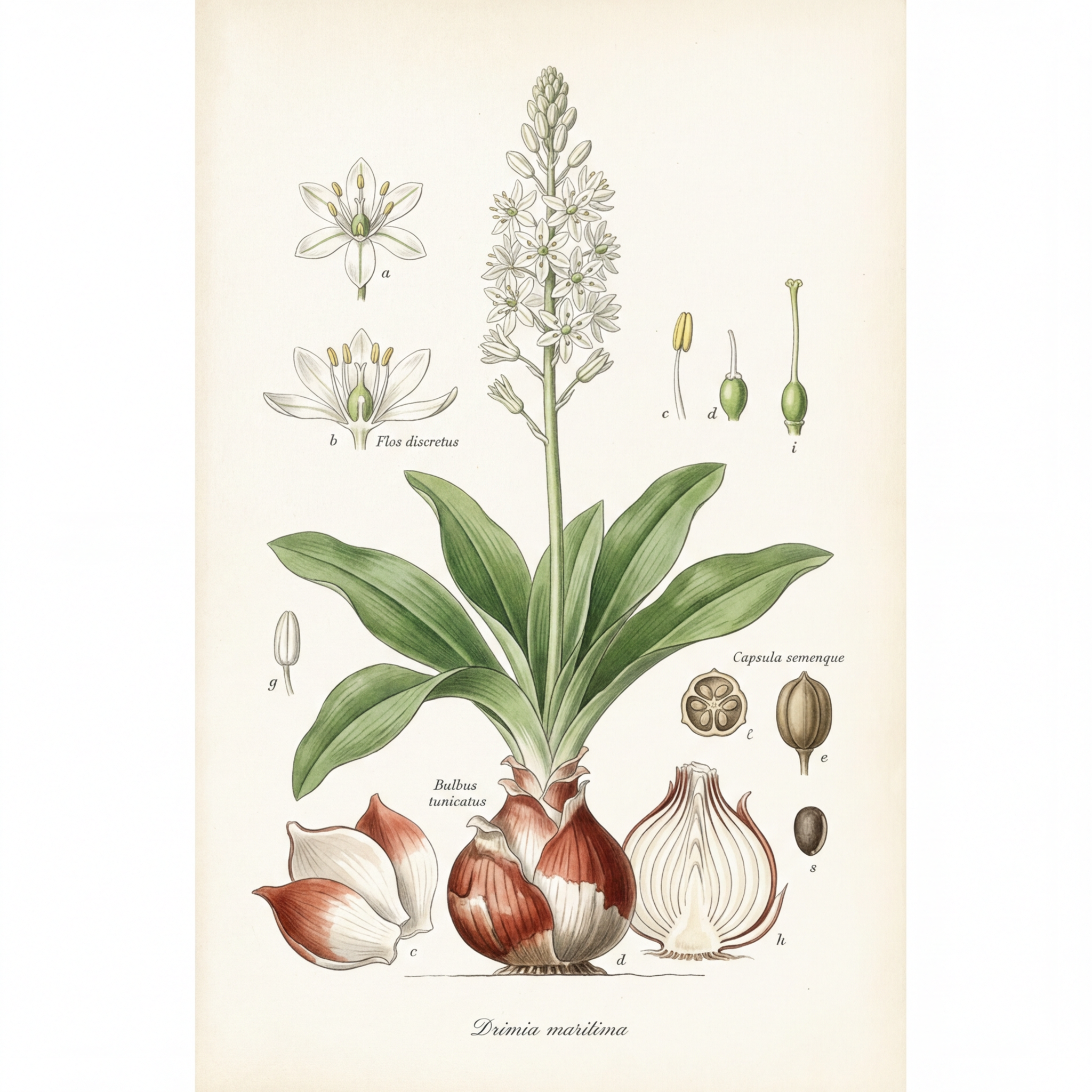
Squill

Squill
Squill

Respiratory Stimulant
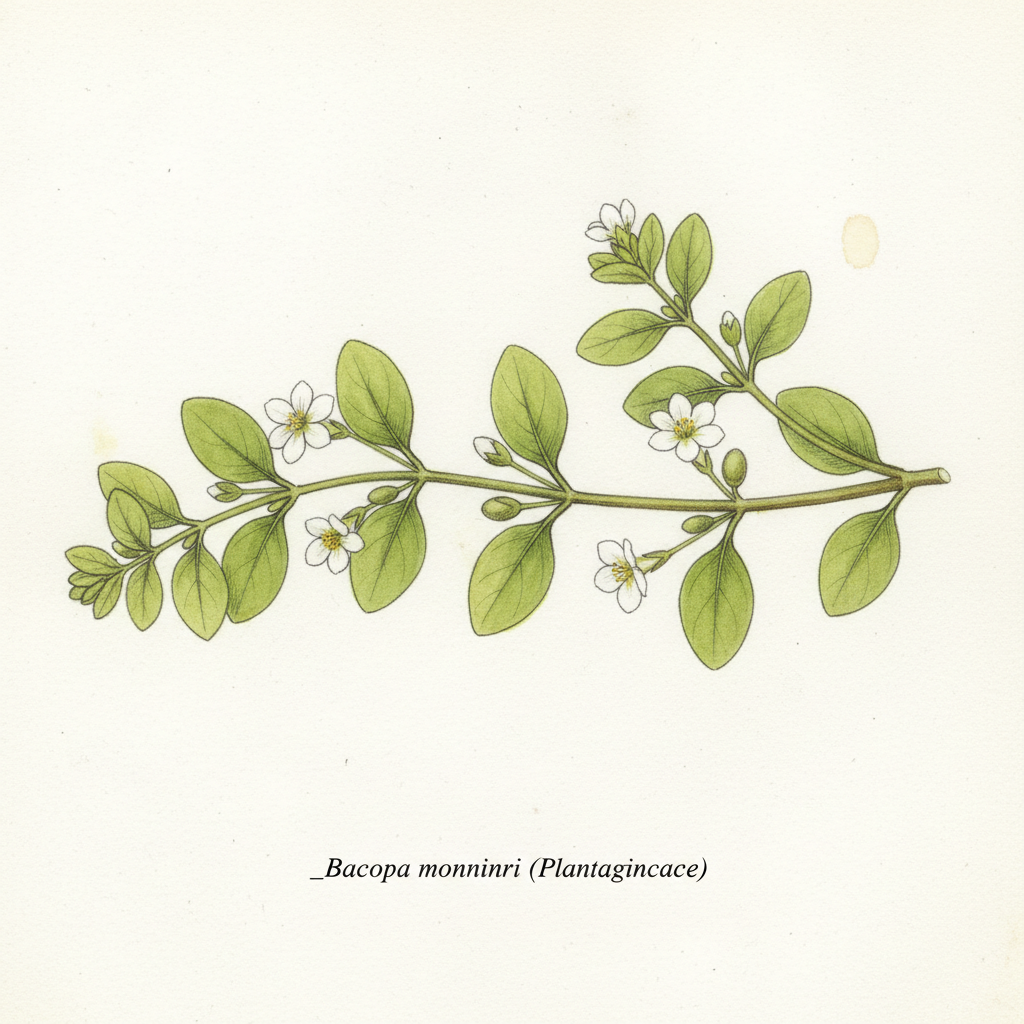
Water hyssop

Water hyssop

Bacopa monnieri

Memory Enhancement
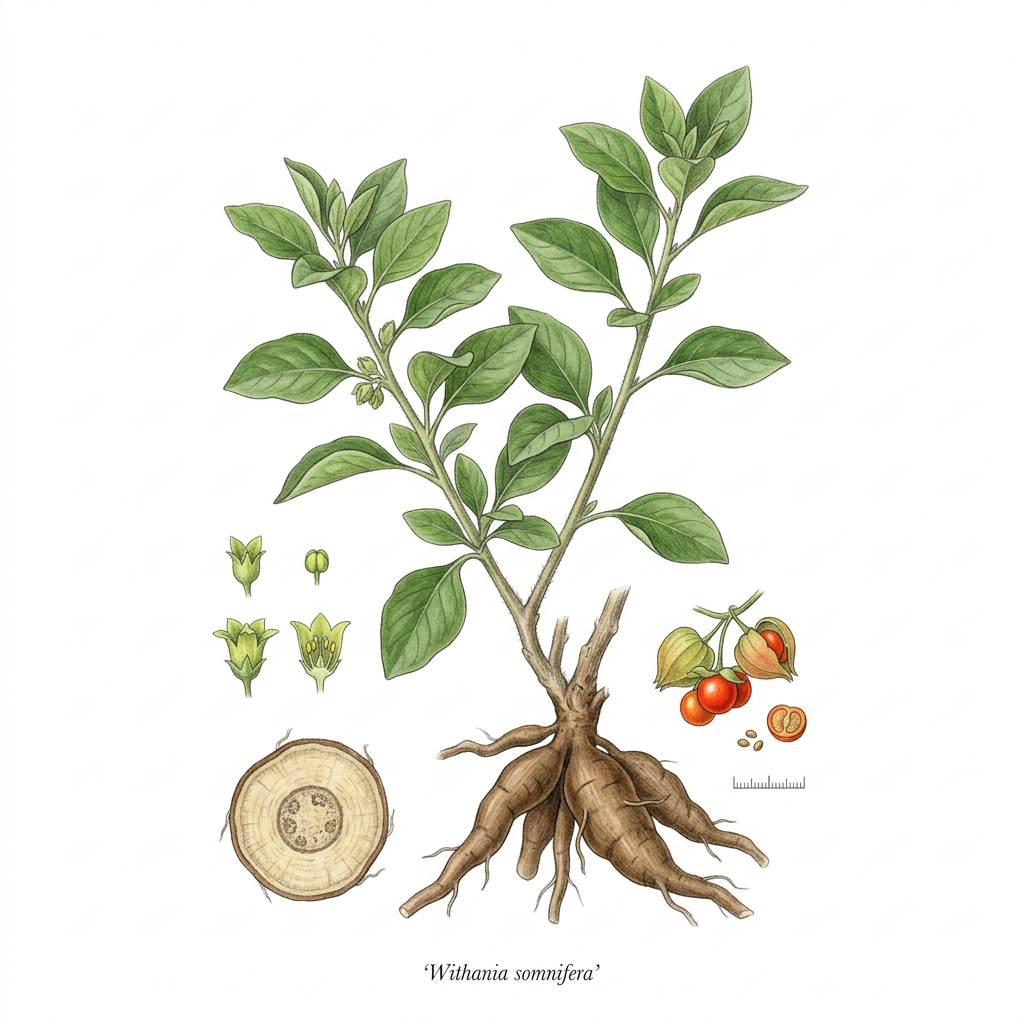
Ashwagandha

Ashwagandha

Withania somnifera

Immune Support
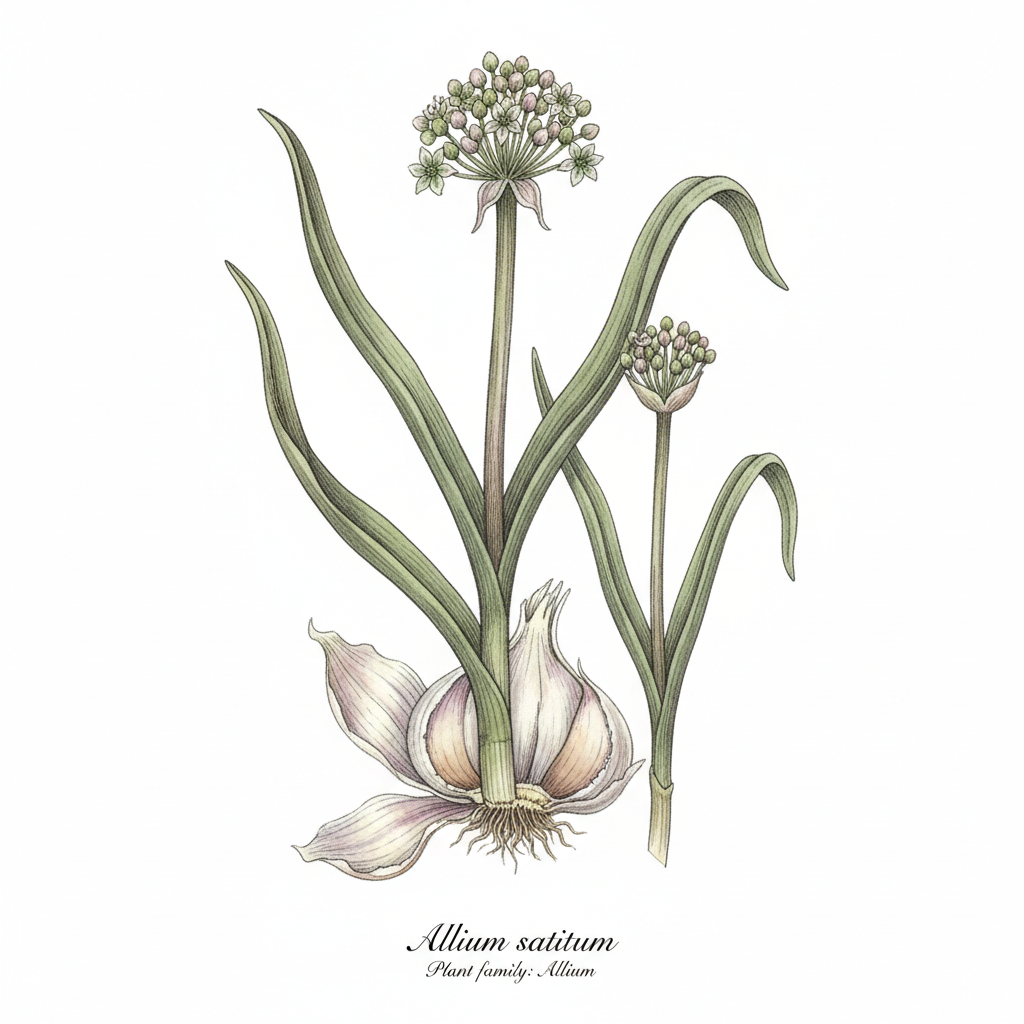
Garlic

Garlic

Allium sativum

Immune Support