The Wild Sage logo
The Wild Sage Logo

Herbal Medicine at your fingertips

Comprehensive database of herbal remedies with detailed safety information and traditional uses

New to herbal terms? Read the glossary →
ADHD
Abcess
Acid Reflux Relief
Acinetobacter
Acne
Acne Vulgaris
Addisons
Adenomyosis
Adenovirus
Adrenal fatigue
Aging
Aids
Alcaligenes faecalis
Alcoholism
Allergic Rhinitis
Allergies
Allergy
Alopoecia
Alopoecia nervosa
Alzheimer's, Dementia & Cognitive Decline
420 herbs found
Important: This information is for educational purposes only. Always consult with qualified healthcare professionals before using herbal remedies, especially if you have existing health conditions or take medications.
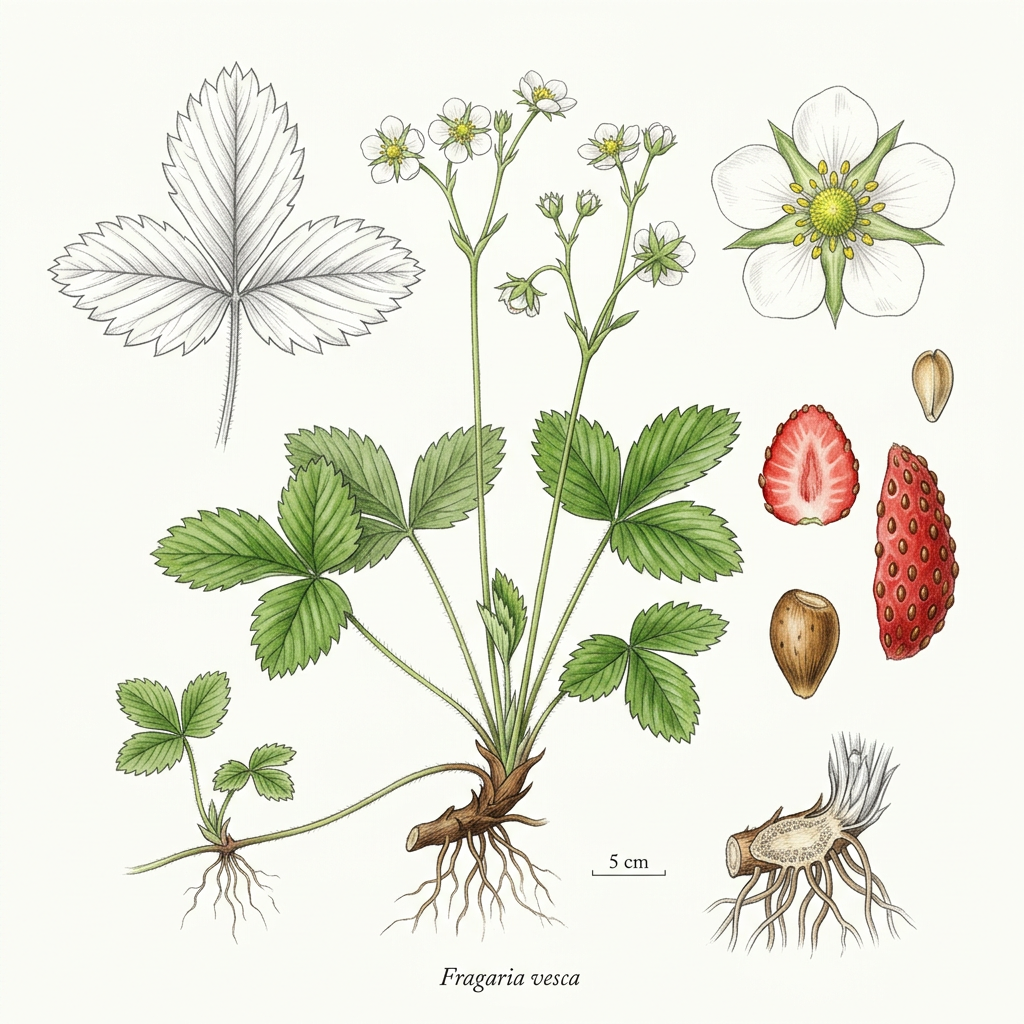
Fragaria vesca

Fragaria vesca

Fragaria vesca

low risk Risk
Rosaceae
<p>Fragaria vesca, commonly known as the wild strawberry, is a perennial member of the Rosaceae family. It is easily identified by its trifoliate, serrated leaves, its stoloniferous growth habit that allows it to carpet the forest floor, and its small, aromatic, red fruits. Unlike the commercial strawberry, the wild variety is preferred in herbal practice for its concentrated phytochemical profile, particularly within the foliage and rhizomes.</p><p>Historically, the leaves of Fragaria vesca have been valued in British herbal tradition as a mild astringent and a cooling tonic. It was frequently employed to support gastrointestinal health, particularly in cases of mild diarrhoea, and to gently soothe urinary tract irritability. The plant was also held in high regard by folk practitioners as a spring tonic, used to revitalise the body after the winter months, often prepared as a refreshing infusion.</p><p>Modern herbal practice continues to utilise the leaves primarily for their mild astringent properties, which are attributed to their tannin content. Research is limited, but traditional usage suggests it remains a helpful supportive agent in managing minor inflammatory conditions of the digestive tract and as a supportive diaphoretic. In clinical practice, it is often blended with other demulcent herbs to provide a balanced approach to soothing the mucous membranes throughout the body.</p>

Uses & Conditions

General astringent support
Diarrhoea
Urinary tract disorders
Colitis
Minor skin irritations

Actions

Astringent

Parts Used

Leaf
Rhizome

Native Countries

North America
Europe
Asia
Turkey
Japan

USDA Hardiness Zones

3
4
5
6
7

Contraindications

  • Pregnancy: avoid therapeutic doses due to limited safety data
  • Breastfeeding: avoid due to insufficient clinical evidence
  • Known hypersensitivity to Rosaceae family plants
  • Chronic or severe kidney conditions
  • Iron-deficiency anaemia: tannins may interfere with iron absorption

Potential Side Effects

  • Gastrointestinal upset or nausea in excessive quantities
  • Mild constipation due to astringent effects
  • Minor allergic skin reactions in sensitive individuals

Interactions

  • Diuretics: potential additive effects on electrolyte balance
  • Use caution with prescription medicines

Dosages, tincture ratios & research — members only

Unlock Garreth's dosing guidance, tincture ratios, the dosage calculator and the research studies for Fragaria vesca.

Your assessment and results stay saved — upgrading only unlocks more of them.

See membership plans

Community Photos

No community photos yet. Sign in to upload photos.

Reviews & Ratings

Sign in to leave a review.

No reviews yet. Be the first!

GF

Garreth Falls — B.Th., Dip. H.M., MNIMH

Content curated and reviewed by Garreth Falls, Consultant Medical Herbalist · The Wild Sage

Medical Disclaimer: This information is for educational purposes only and is not intended as medical advice. Always consult with qualified healthcare professionals before starting any herbal treatment.
Western tradition

Sustainability & quality

Abundant

Common wild plant; if sourcing commercially, ensure it is not gathered in areas prone to pollution.

Key constituents

Tannins (including ellagitannins), Flavonoids, Proanthocyanidins, Vitamin C, Triterpenoids, Volatile oils

References

  1. British Herbal Pharmacopoeia 1983
  2. Herbal Reality. Herb monographs. herbalreality.com

Reviewed by Garreth, Medical Herbalist (MNIMH) · November 2026

Related conditions

Explore conditions where Fragaria vesca is traditionally used.

Related Herbs
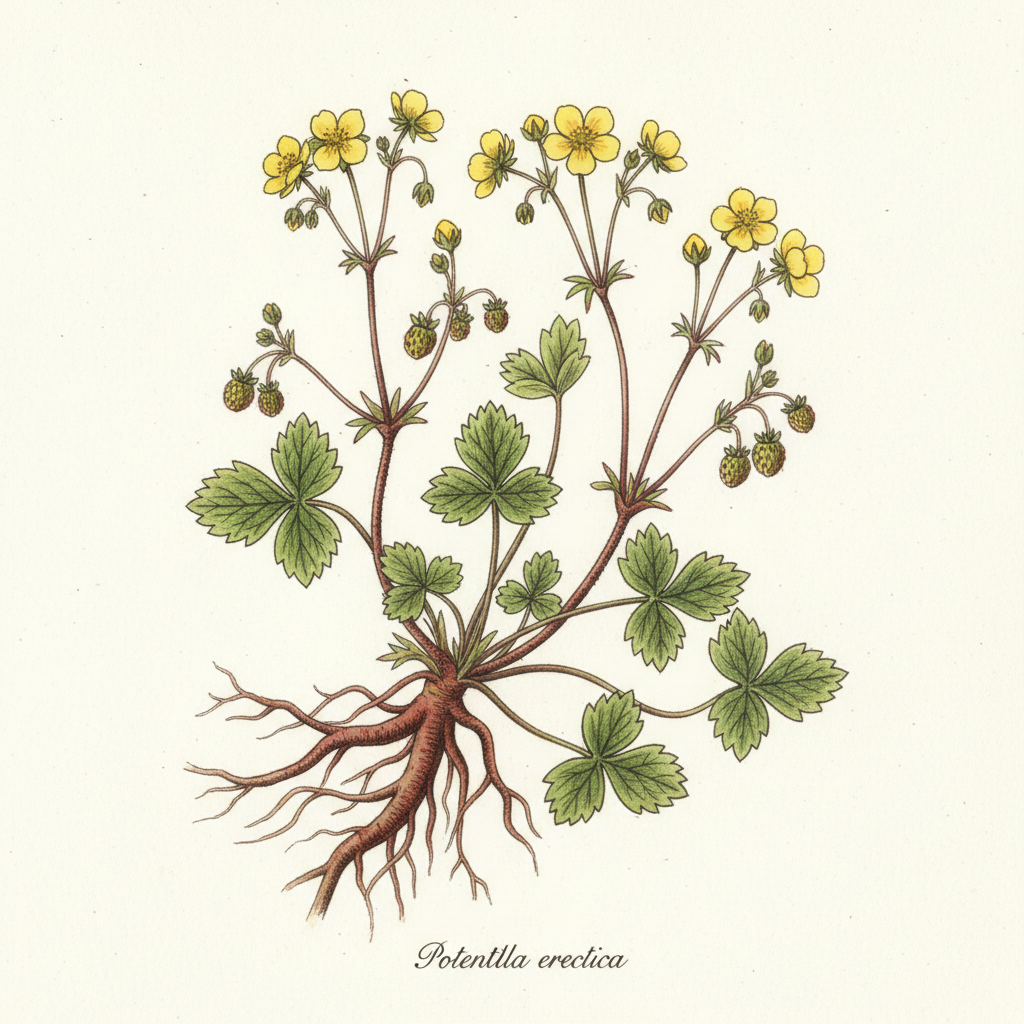
Tormentil

Tormentil

Potentilla erecta

Digestive Aid
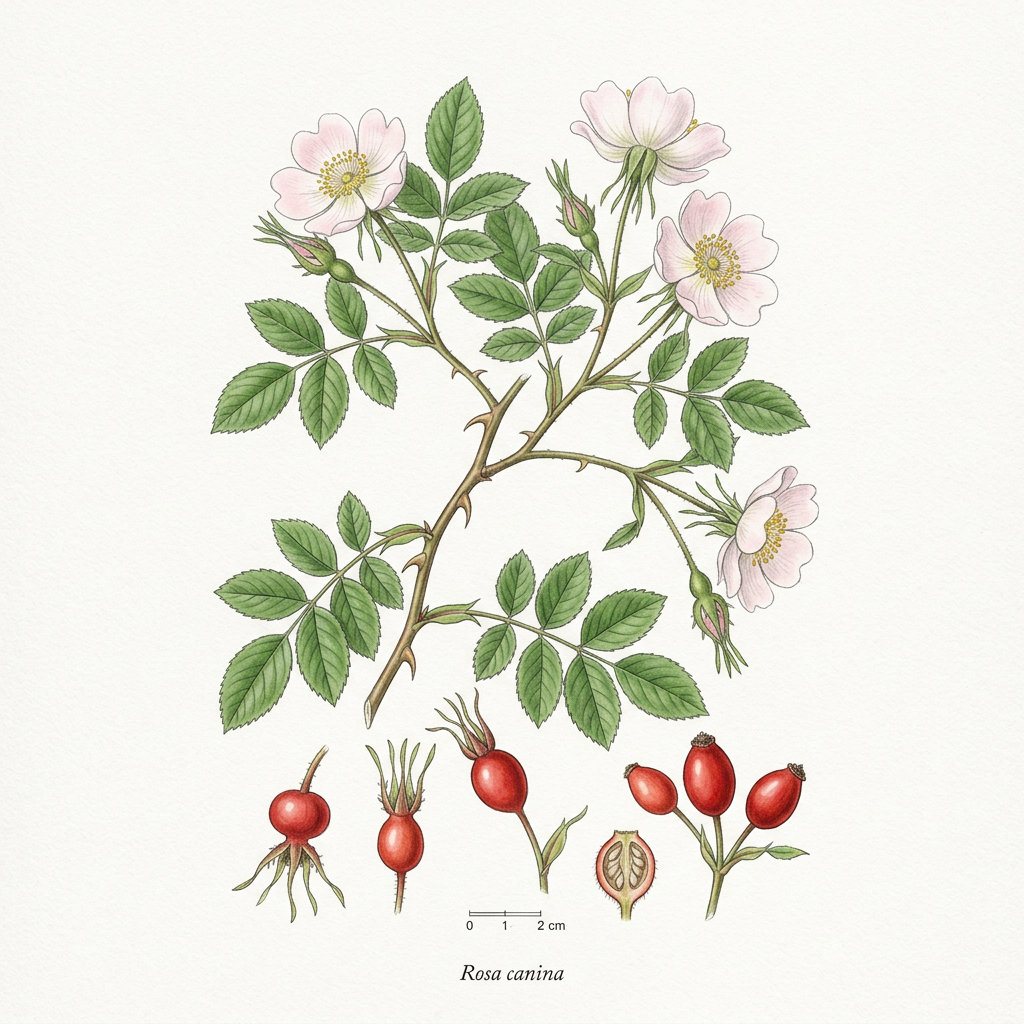
Dog rose

Dog rose

Rosa canina

Immune Support
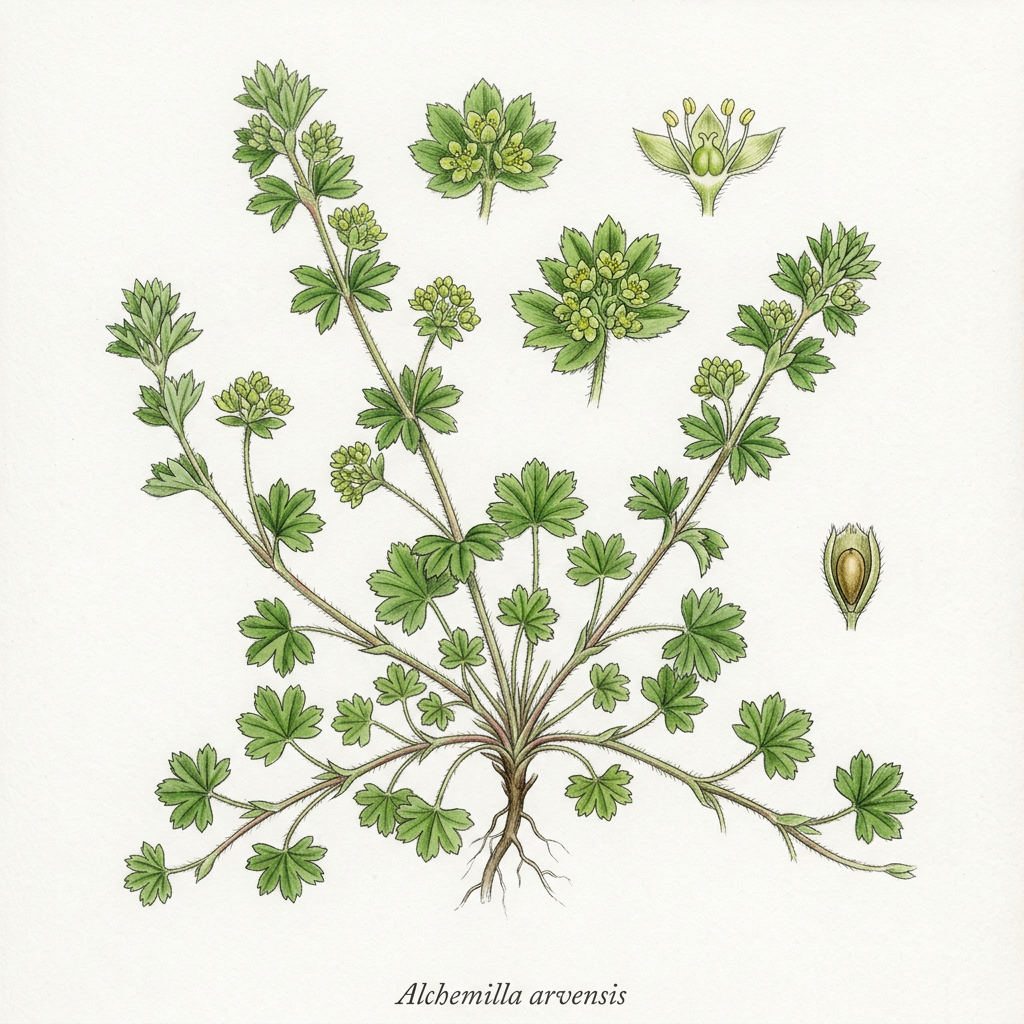
Parsley Piert

Parsley Piert

Alchemilla arvensis

Digestive Health
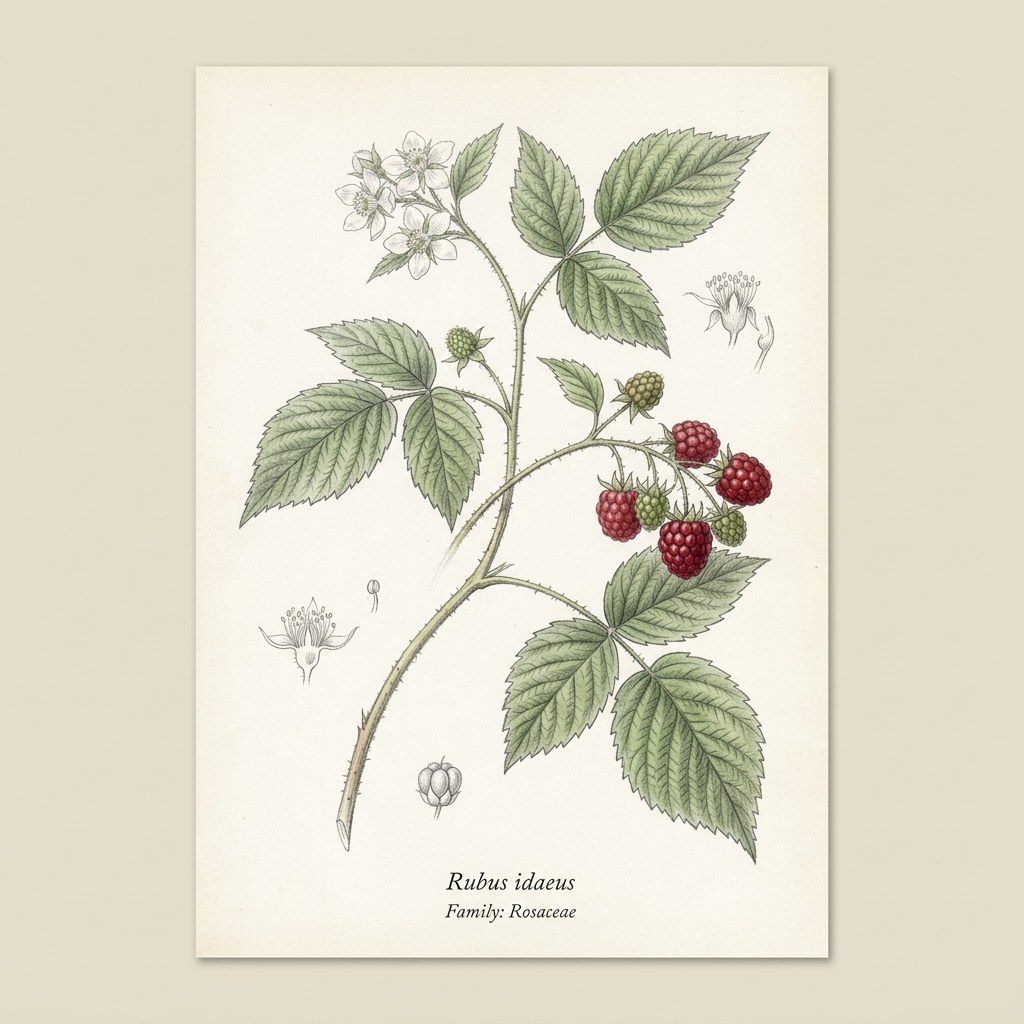
Raspberry Leaf

Raspberry Leaf

Rubus idaeus

Pregnancy Support