The Wild Sage logo
The Wild Sage Logo

Herbal Medicine at your fingertips

Comprehensive database of herbal remedies with detailed safety information and traditional uses

New to herbal terms? Read the glossary →
ADHD
Abcess
Acid Reflux Relief
Acinetobacter
Acne
Acne Vulgaris
Addisons
Adenomyosis
Adenovirus
Adrenal fatigue
Aging
Aids
Alcaligenes faecalis
Alcoholism
Allergic Rhinitis
Allergies
Allergy
Alopoecia
Alopoecia nervosa
Alzheimer's, Dementia & Cognitive Decline
420 herbs found
Important: This information is for educational purposes only. Always consult with qualified healthcare professionals before using herbal remedies, especially if you have existing health conditions or take medications.
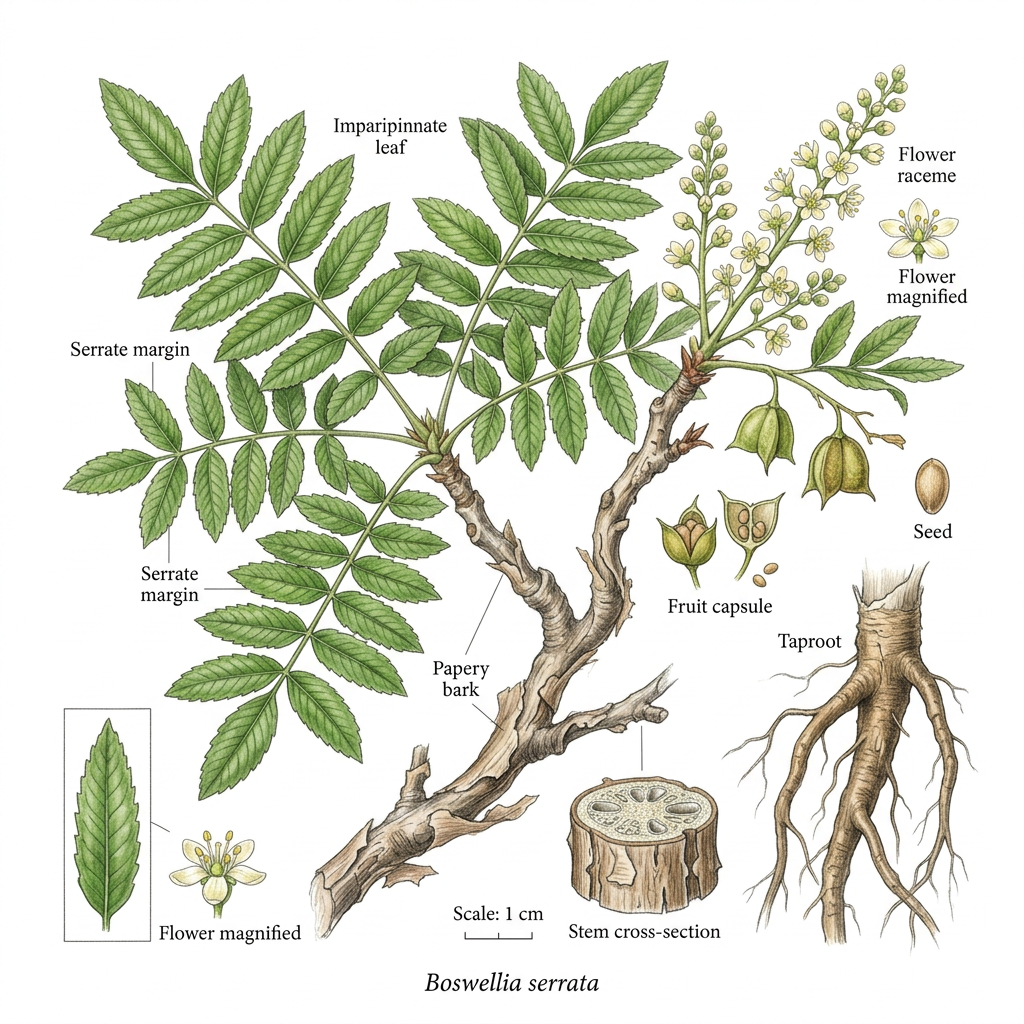
Frankincense

Frankincense

Boswellia serrata

low risk Risk
Burseraceae
Known for its calming and grounding effects, often used in meditation and spiritual practices to enhance focus and clarity.
<p>Boswellia serrata is a deciduous tree belonging to the Burseraceae family, native to the dry forests of India. It produces a fragrant oleoresin from incisions made in the bark, which hardens into the resin traditionally known as frankincense. Botanically, it is identified by its peeling papery bark and pinnate leaves, with the resin containing a complex mixture of essential oils, gum, and boswellic acids.</p><p>Historically, frankincense has been utilised across various cultures for thousands of years, most notably in Ayurvedic medicine for the management of inflammatory conditions. Traditionally used for supporting joint mobility, respiratory health, and minor digestive disturbances, it has held a central place in ritual, incense, and topical healing practices. The resin has been prized for its grounding aroma and its historical reputation as a supportive agent for the body's natural resilience.</p><p>Modern research has focused primarily on the pentacyclic triterpene acids, specifically acetyl-11-keto-beta-boswellic acid (AKBA), for their role in modulating inflammatory pathways such as 5-LOX. While clinical evidence continues to emerge, current studies are primarily investigating its potential in managing osteoarthritis and inflammatory bowel conditions. In clinical practice, the resin or its extracts are selected for their supportive role in balancing the body's inflammatory response, often integrated into long-term management plans for musculoskeletal discomfort.</p>

Uses & Conditions

Immune Modulation
Tumour Inhibition
Osteoarthritis
Asthma
Diabetes Mellitus
Rheumatoid Arthritis
Cancer
Chronic Inflammatory Diseases
Skin Disorders
Anxiety Disorders
Tendonitis
Bursitis
Lower Back Pain
Wound Healing
Ulcerative Colitis
Myeloma
Multiple Sclerosis
Premature Ejaculation
Colds
Crohn’s Disease
Emphysema
Cystic Fibrosis
Ankylosing Spondylitis
Appendicitis

Actions

Analgesic
Anti-inflammatory
Anti-atherosclerotic
Leukotriene Inhibitor
Anti-diabetic
Hypolipidaemic
Anti-viral
Nervine
Hepatoprotective
Hypoglycaemic
Cytoprotective
Anti-cancer
Sedative
Anti-asthmatic
Antioxidant
Anti-microbial
NFkB Inhibitor
TNF Inhibitor
IL-1b Inhibitor
Anti-HSV
Anxiolytic

Parts Used

Oleoresin

Native Countries

India
Oman
Somalia
Ethiopia
Yemen

USDA Hardiness Zones

10
11

Contraindications

  • Pregnancy: avoid due to lack of safety data
  • Breastfeeding: avoid as safety has not been established
  • Active gastrointestinal ulcers
  • Upcoming surgery: discontinue at least two weeks prior
  • Known hypersensitivity to Burseraceae family plants

Potential Side Effects

  • Mild gastrointestinal upset including nausea or acid reflux
  • Skin irritation or contact dermatitis when applied topically
  • Diarrhoea in sensitive individuals

Interactions

  • Anticoagulants such as warfarin: may increase the risk of bleeding
  • Non-steroidal anti-inflammatory drugs (NSAIDs): may have an additive effect
  • Immunosuppressants: potential for interaction due to immunomodulatory activity

Dosages, tincture ratios & research — members only

Unlock Garreth's dosing guidance, tincture ratios, the dosage calculator and the research studies for Frankincense.

Your assessment and results stay saved — upgrading only unlocks more of them.

See membership plans

Community Photos

No community photos yet. Sign in to upload photos.

Reviews & Ratings

Sign in to leave a review.

No reviews yet. Be the first!

GF

Garreth Falls — B.Th., Dip. H.M., MNIMH

Content curated and reviewed by Garreth Falls, Consultant Medical Herbalist · The Wild Sage

Medical Disclaimer: This information is for educational purposes only and is not intended as medical advice. Always consult with qualified healthcare professionals before starting any herbal treatment.
Ayurvedic tradition

Sustainability & quality

At risk

Significant concerns regarding overharvesting of wild trees. Prioritise certified organic and fair-trade sources that engage in sustainable plantation management.

Key constituents

Volatile Oils, Terpenoids, Alpha thujene, Cymene

References

  1. Bone & Mills "Principles and Practice of Phytotherapy" 2nd ed. 2013
  2. Pole "Ayurvedic Medicine" 2006
  3. Herbal Reality. Herb monographs. herbalreality.com

Reviewed by Garreth, Medical Herbalist (MNIMH) · November 2026

Related conditions

Explore conditions where Frankincense is traditionally used.

Related Herbs
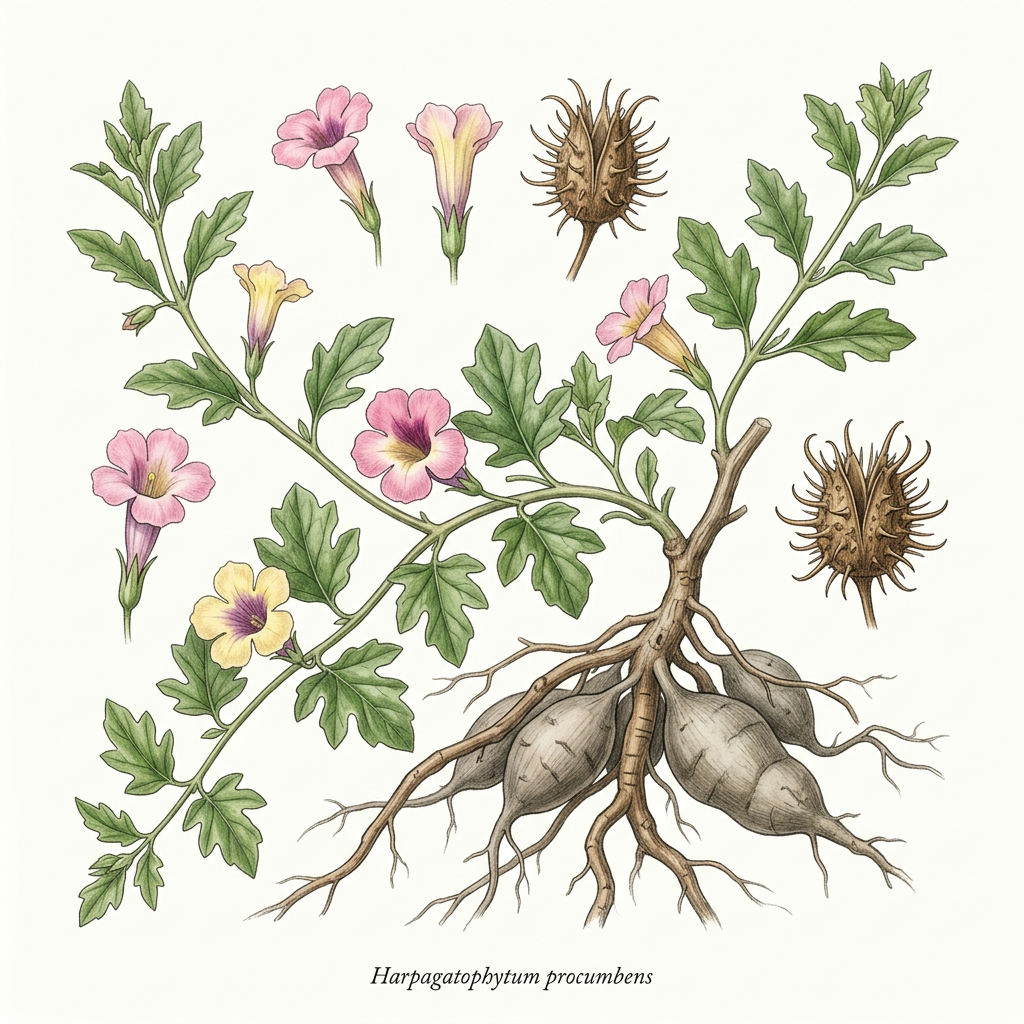
Devil's Claw

Devil's Claw

Harpagophytum procumbens
Circulation enhancement
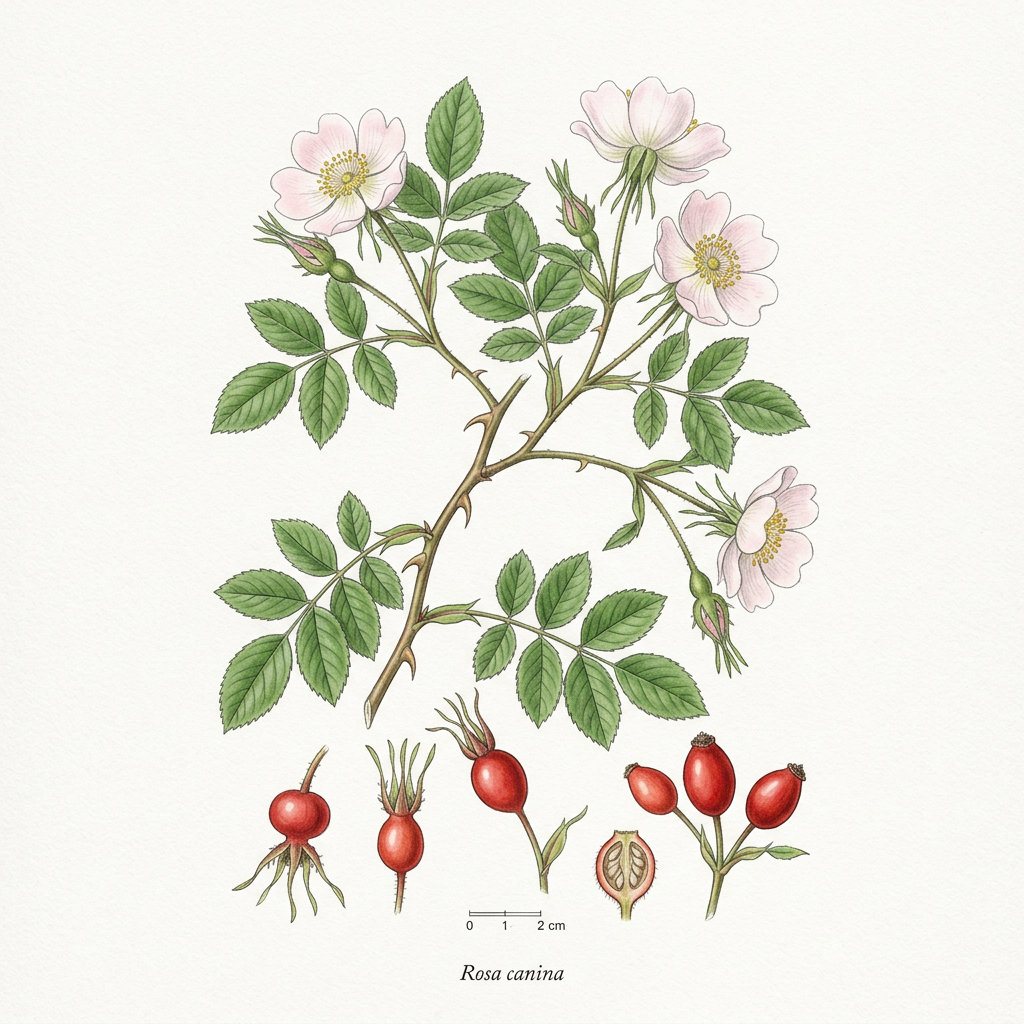
Dog rose

Dog rose

Rosa canina

Immune Support
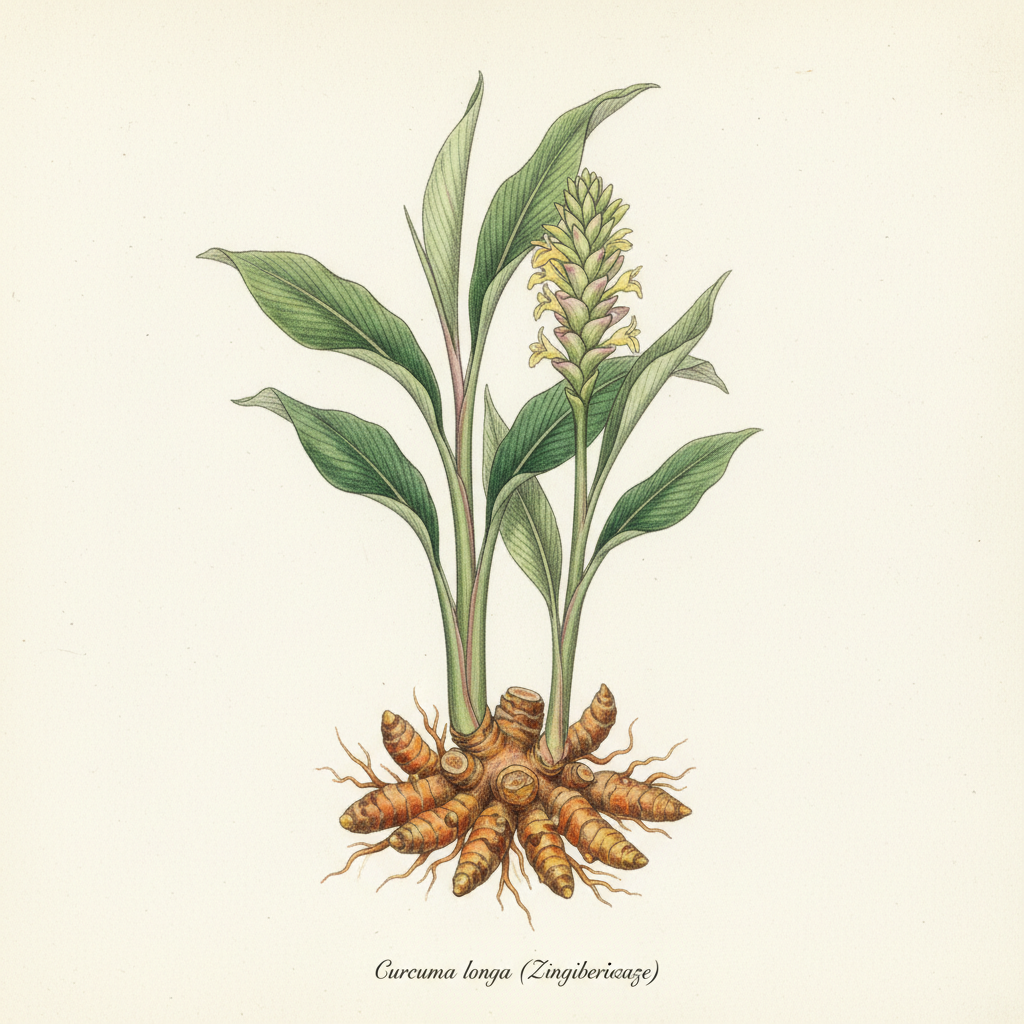
Turmeric

Turmeric

Curcuma longa

Antioxidant
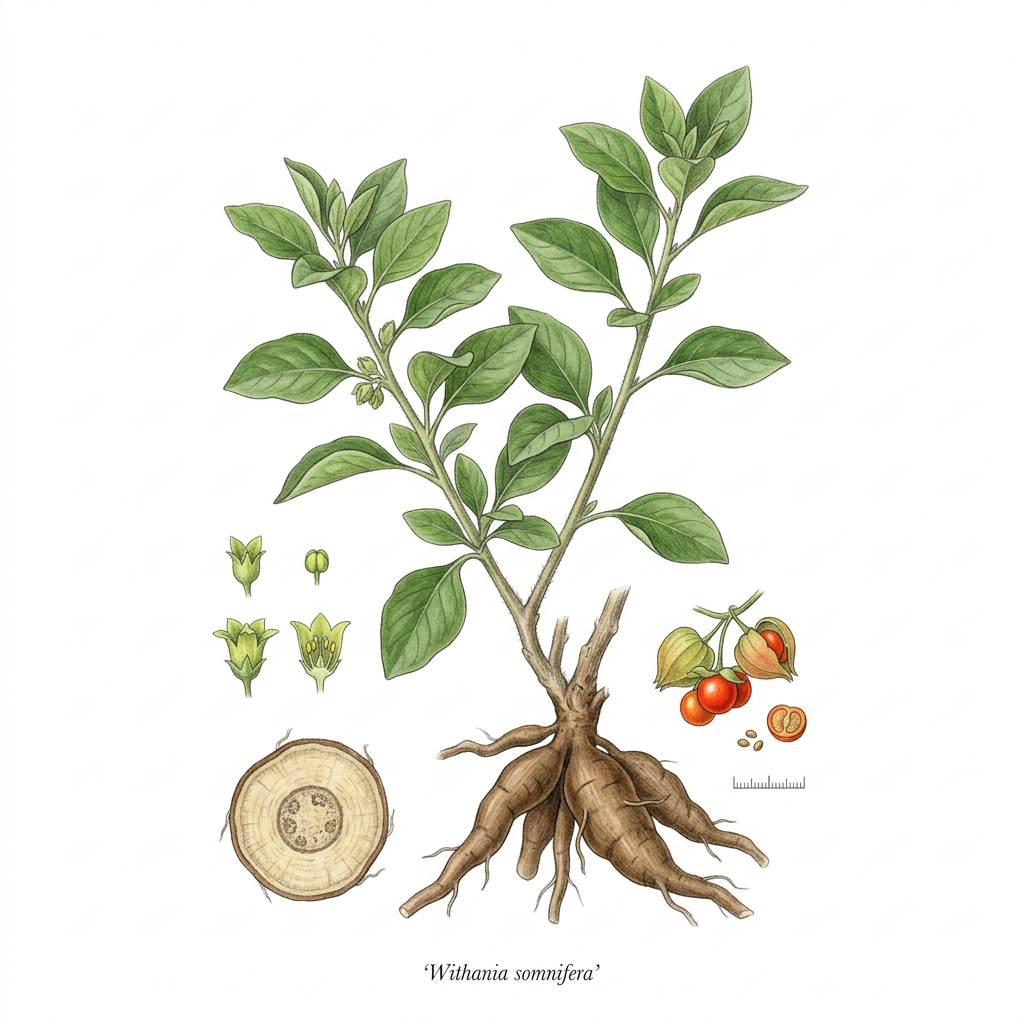
Ashwagandha

Ashwagandha

Withania somnifera

Immune Support