The Wild Sage logo
The Wild Sage Logo

Herbal Medicine at your fingertips

Comprehensive database of herbal remedies with detailed safety information and traditional uses

New to herbal terms? Read the glossary →
ADHD
Abcess
Acid Reflux Relief
Acinetobacter
Acne
Acne Vulgaris
Addisons
Adenomyosis
Adenovirus
Adrenal fatigue
Aging
Aids
Alcaligenes faecalis
Alcoholism
Allergic Rhinitis
Allergies
Allergy
Alopoecia
Alopoecia nervosa
Alzheimer's, Dementia & Cognitive Decline
420 herbs found
Important: This information is for educational purposes only. Always consult with qualified healthcare professionals before using herbal remedies, especially if you have existing health conditions or take medications.
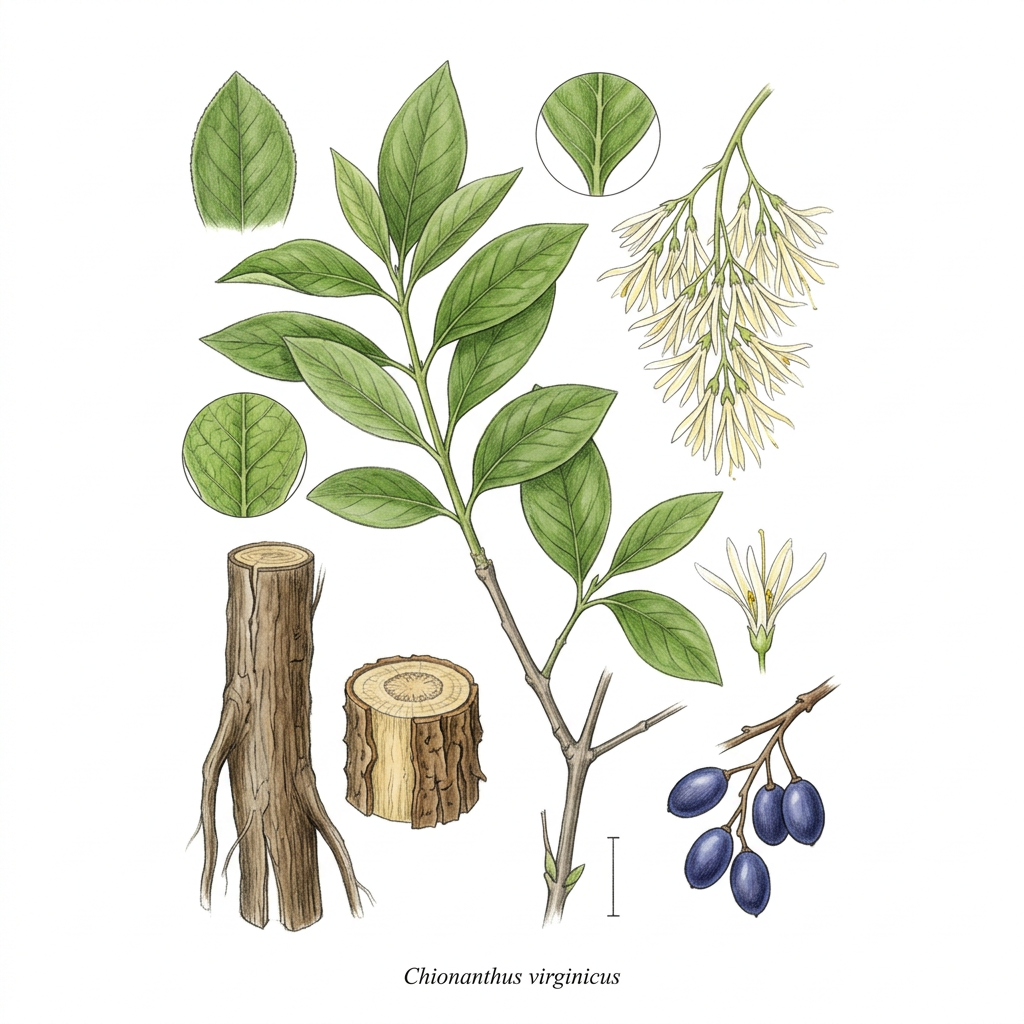
Fringe Tree

Fringe Tree

Chionanthus virginicus

low risk Risk
Oleaceae
Bitter and drying.
<p>Chioanthus virginicus, commonly known as the Fringe Tree, is a deciduous ornamental tree native to the eastern United States, celebrated for its striking clusters of delicate, fragrant white flowers that emerge in late spring. Historically, the bark and roots of Chioanthus virginicus have been utilized in traditional herbal medicine practices by indigenous peoples, who valued it for its potential therapeutic properties. Often referred to as a "poor man's cure," the herb has found a place in folk healing practices, primarily for promoting liver health and aiding digestion. Despite its longstanding presence in traditional medicine, Chioanthus virginicus remains a subject of ongoing research to fully document and validate its efficacy and potential applications in modern herbalism. The therapeutic properties of Chioanthus virginicus are thought to stem from its rich phytochemical constituents, including alkaloids, flavonoids, and other bioactive compounds. These components are believed to contribute to its potential hepatoprotective effects, supporting liver function and overall detoxification processes. The herb is traditionally attributed with cholagogue properties, promoting the flow of bile and aiding in the digestion of fats, thereby enhancing gastrointestinal health. Moreover, preliminary studies suggest that Chioanthus virginicus may possess anti-inflammatory and antioxidant properties, which can further support the body's natural defense mechanisms against oxidative stress. Mechanistically, Chioanthus virginicus is thought to facilitate its benefits through a combination of promoting bile synthesis, enhancing liver enzyme activity, and modulating inflammatory pathways. These mechanisms may support the body's metabolic processes and assist in the elimination of toxins. As research continues to unfold, Chioanthus virginicus may pave the way for new insights into herbal therapeutics, particularly in its application for liver health and digestive wellness, thus bridging traditional knowledge with contemporary scientific inquiry. By understanding this herb's potential roles, herbalists and healthcare practitioners can better appreciate its value in holistic health practices.</p>

Uses & Conditions

Digestive Health
Liver Detoxification
Non-alcoholic Fatty Liver Disease (NAFLD)
Splenomegaly
Cholecystitis
Pancreatitis
Portal Hypertension
Duodenitis
Cirrhosis
Chronic Fatigue

Actions

Adrenal Tonic
Depurative
Relaxing
Lymphatic
Hepatic
Bitter
Laxative
Cholagogue
Choleretic
Anti-emetic
Anti-inflammatory
Antioxidant

Parts Used

Bark of the root.

Native Countries

Southeastern US.

USDA Hardiness Zones

USDA 3-9

Contraindications

  • Pregnancy: avoid use due to insufficient safety data regarding potential uterine stimulation.
  • Breastfeeding: avoid use as the safety of phytochemical constituents in breast milk has not been established.
  • Bile duct obstruction: strictly contraindicated due to the herb's strong cholagogue effect which could aggravate blockages.
  • Severe gallstones: consult a medical practitioner before use as increased bile production may trigger biliary colic.

Potential Side Effects

  • Loose stools or mild diarrhoea due to increased bile secretion.
  • Abdominal cramping if taken on an empty stomach in sensitive individuals.
  • Occasional nausea when using high doses.

Interactions

  • Diuretics: potential additive effects might occur, increasing the risk of electrolyte imbalance.
  • Hepatotoxic drugs: use with caution as Fringe Tree affects liver metabolism and may alter the clearance rates of other medications.
  • Antidiabetic medications: may theoretically potentiate hypoglycaemic effects; blood glucose monitoring is advised.

Dosages, tincture ratios & research — members only

Unlock Garreth's dosing guidance, tincture ratios, the dosage calculator and the research studies for Fringe Tree.

Your assessment and results stay saved — upgrading only unlocks more of them.

See membership plans

Community Photos

No community photos yet. Sign in to upload photos.

Reviews & Ratings

Sign in to leave a review.

No reviews yet. Be the first!

GF

Garreth Falls — B.Th., Dip. H.M., MNIMH

Content curated and reviewed by Garreth Falls, Consultant Medical Herbalist · The Wild Sage

Medical Disclaimer: This information is for educational purposes only and is not intended as medical advice. Always consult with qualified healthcare professionals before starting any herbal treatment.
Western tradition

Sustainability & quality

At risk

Wild populations in North America are limited; prioritize cultivated sources or reputable suppliers to avoid further pressure on wild stands.

Key constituents

Alkaloids, - Flavonoids, - Saponins, Triterpenes, - Phenolic compounds.

References

  1. British Herbal Pharmacopoeia 1983
  2. Herbal Reality. Herb monographs. herbalreality.com

Reviewed by Garreth, Medical Herbalist (MNIMH) · November 2026

Related conditions

Explore conditions where Fringe Tree is traditionally used.

Related Herbs
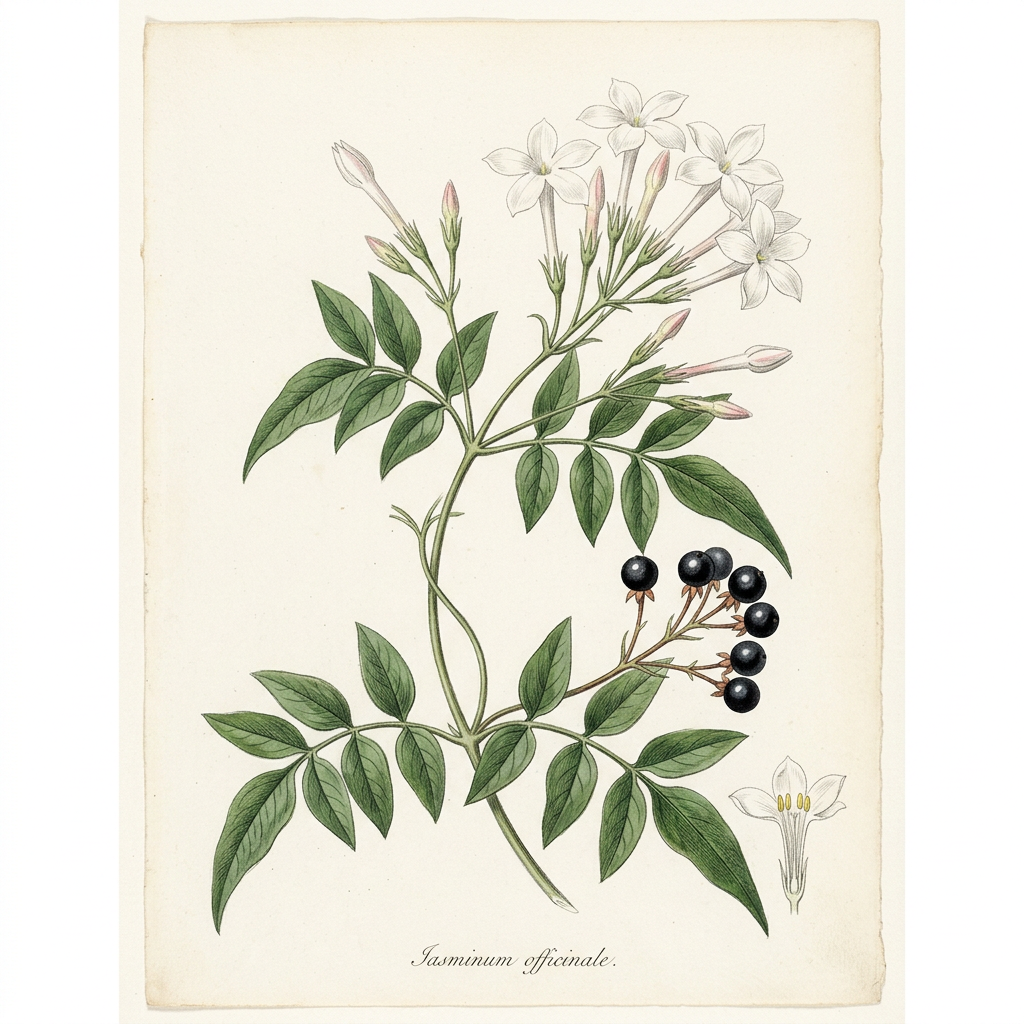
Jasmine

Jasmine

Jasminum spp.

Anxiety
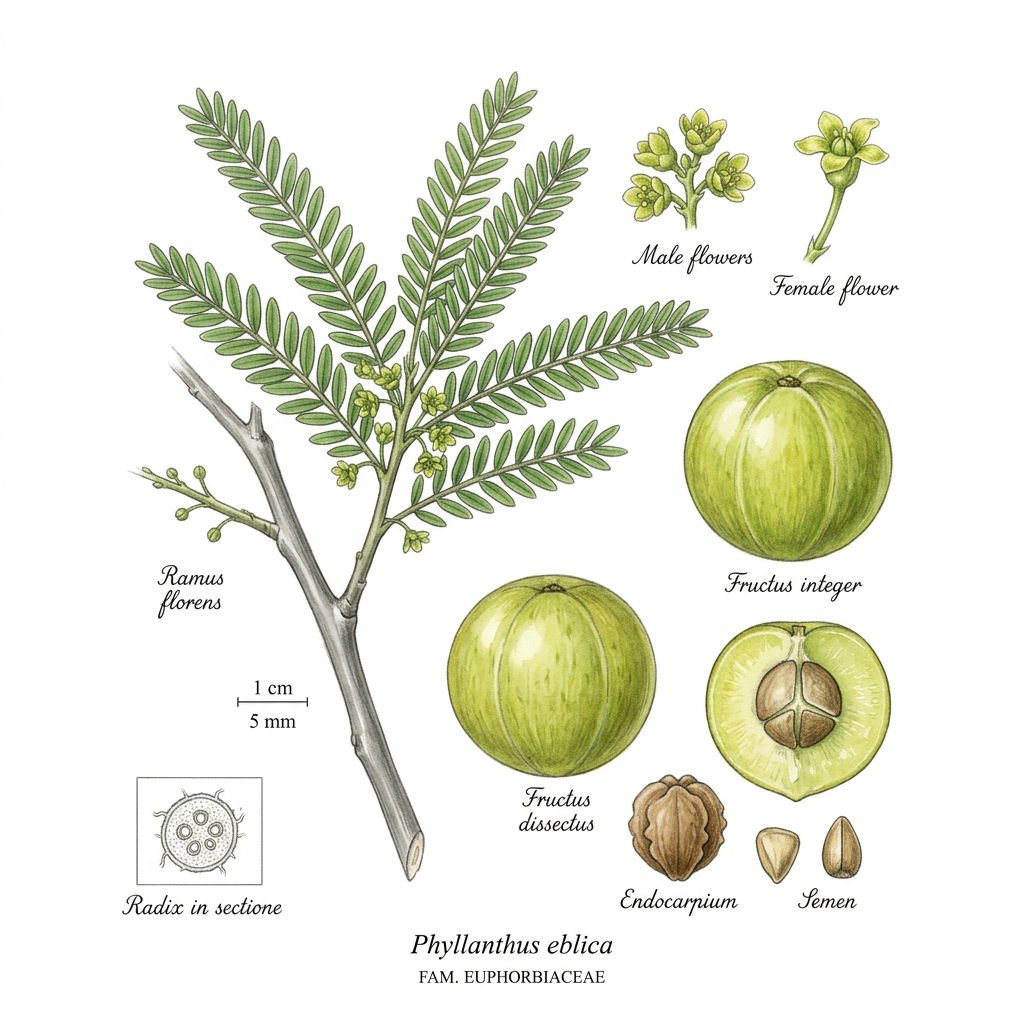
Amla

Amla

Phyllanthus emblica

Digestive Aid
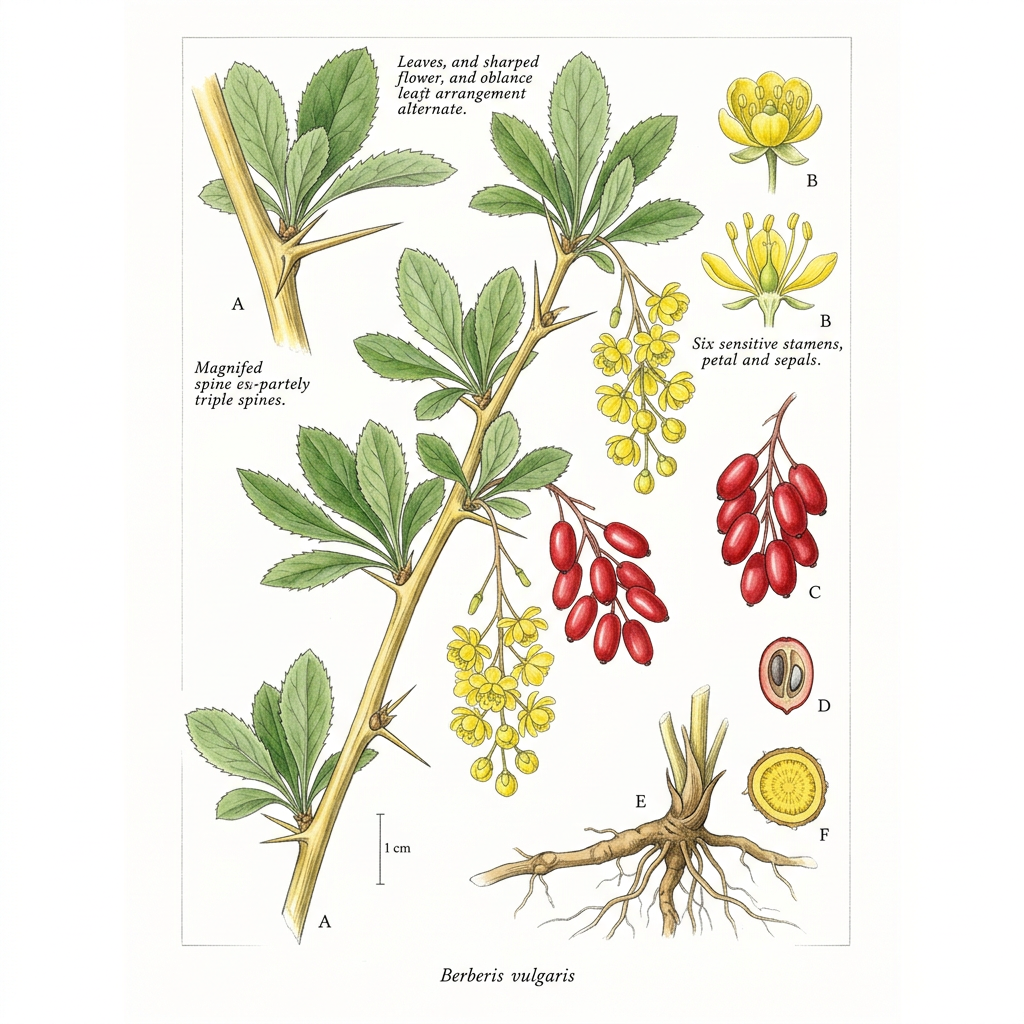
Barberry

Barberry

Berberis vulgaris

Digestive Aid
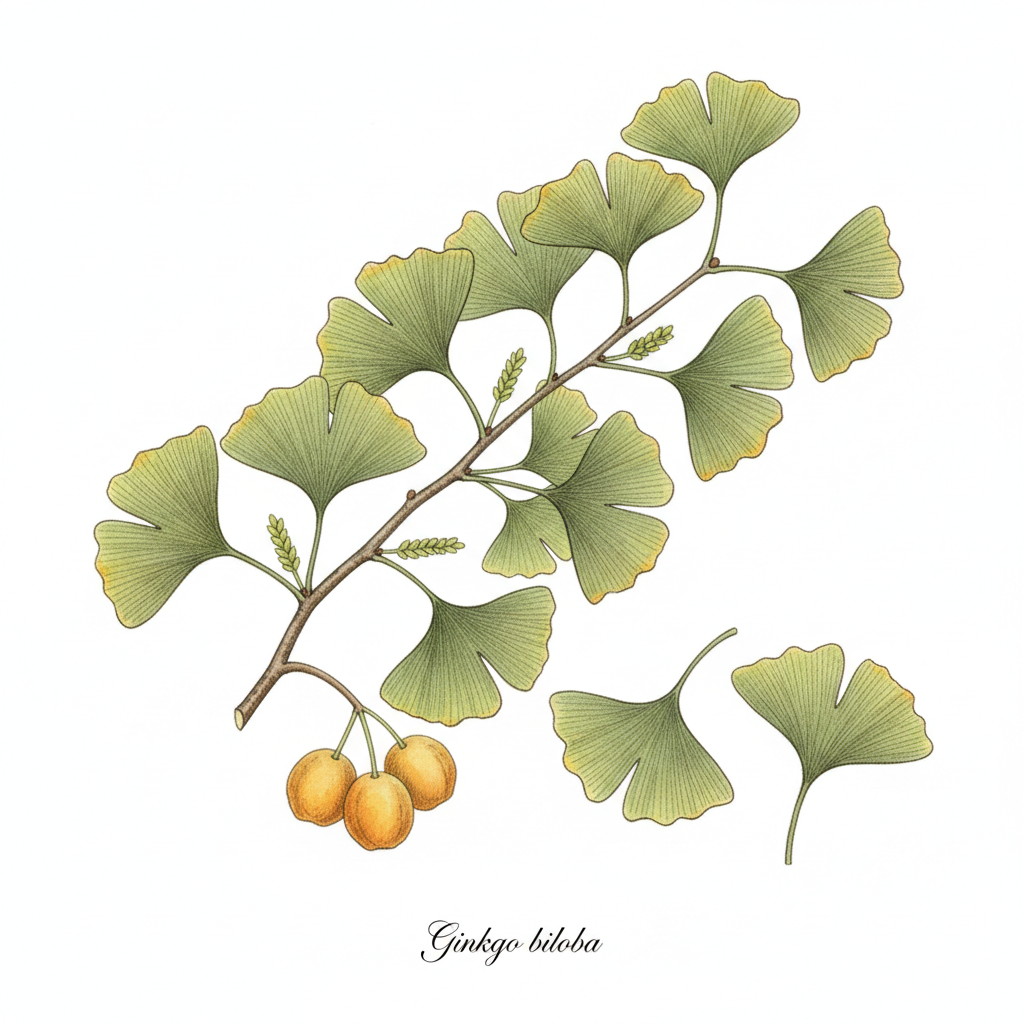
Ginkgo

Ginkgo

Ginkgo biloba

Cognitive Support