The Wild Sage logo
The Wild Sage Logo

Herbal Medicine at your fingertips

Comprehensive database of herbal remedies with detailed safety information and traditional uses

New to herbal terms? Read the glossary →
ADHD
Abcess
Acid Reflux Relief
Acinetobacter
Acne
Acne Vulgaris
Addisons
Adenomyosis
Adenovirus
Adrenal fatigue
Aging
Aids
Alcaligenes faecalis
Alcoholism
Allergic Rhinitis
Allergies
Allergy
Alopoecia
Alopoecia nervosa
Alzheimer's, Dementia & Cognitive Decline
420 herbs found
Important: This information is for educational purposes only. Always consult with qualified healthcare professionals before using herbal remedies, especially if you have existing health conditions or take medications.
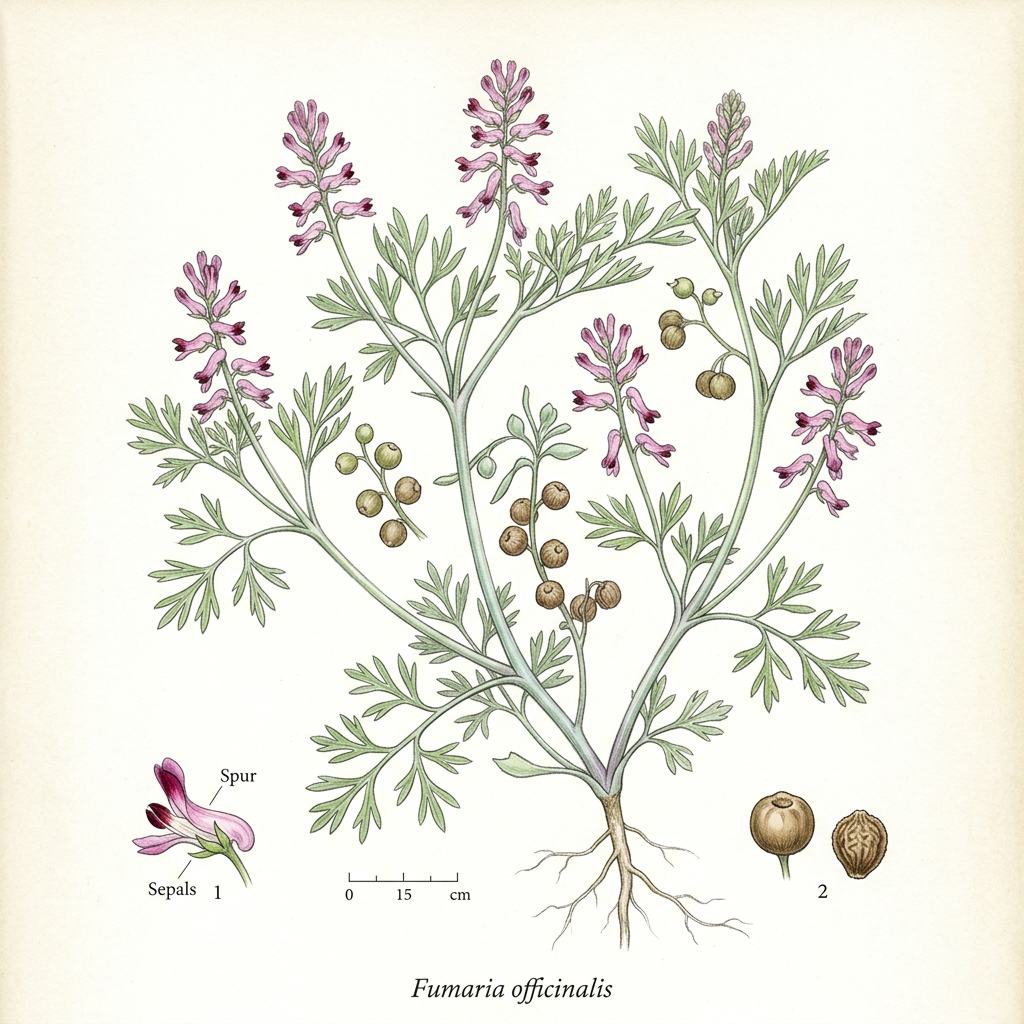
Fumary

Fumary

Fumaria officinalis

low risk Risk
Papaveraceae
it is believed to carry a calming energy that aids in emotional balance and clarity.
<p>Fumary, known scientifically as Fumaria officinalis, is a perennial herb belonging to the poppy family (Papaveraceae), native to Europe and widely distributed across temperate regions. Historically, fumary has been revered in traditional herbal medicine systems for centuries, particularly in ancient European cultures. Herbalists often recognized its unique properties, utilizing the leaves and flowers to create infusions and poultices believed to alleviate a variety of ailments. It earned its name from the Latin "fumus," meaning smoke, due to the unusual shape of its flowers, which resemble wisps of smoke. Traditionally, fumary was employed for its potential to support liver health, promote detoxification, and aid digestion, making it a staple in the apothecaries of yore. The primary therapeutic properties of fumary include its role as a detoxifier and digestive aid. Rich in bioactive compounds such as alkaloids, flavonoids, and tannins, fumary is thought to stimulate liver function and enhance bile production, thereby promoting efficient digestion and the elimination of toxins. This herb is often indicated for conditions associated with digestive disturbances, including indigestion, bloating, and gallbladder issues. In addition to its digestive benefits, fumary’s anti-inflammatory and mild diuretic properties contribute to its efficacy in reducing water retention and supporting urinary tract health. Furthermore, its mild sedative effects may help alleviate stress-related gastrointestinal issues, making fumary a multifaceted ally in promoting overall digestive wellness. Fumary's therapeutic actions are primarily attributed to its active constituents, which interact with various physiological pathways in the body. The herb enhances bile flow, supporting fat digestion and absorption, vital processes for overall health. Additionally, fumary’s alkaloids are believed to exert a soothing effect on the gastrointestinal tract, helping to reduce inflammation and facilitate smoother digestive function. By acting as a gentle detoxifier, it assists the body in eliminating waste products and toxins, thereby enhancing overall vitality. While modern research continues to explore the full spectrum of fumary's benefits, its longstanding traditional use underscores its potential as a valuable addition to holistic health practices, aligning with contemporary approaches to natural wellness and preventative care.</p>

Uses & Conditions

Detoxification
Nutrient absorption support
Dyspepsia
Chronic Fatigue Syndrome
Liver Disorders
Skin Conditions
Eczema
Psoriasis
Constipation
Bloating
Gallbladder issues
Stress-related gastrointestinal issues
Urinary tract health
Cholecystitis
Conjunctivitis

Actions

Detoxifier
Digestive aid
Cytokine modulator
Antimicrobial
Anxiolytic
Anti-inflammatory

Parts Used

Whole plant

Native Countries

Europe

USDA Hardiness Zones

USDA 3-7

Contraindications

  • Pregnancy: avoid due to insufficient safety data and traditional caution regarding potential uterine effects.
  • Breastfeeding: avoid due to a lack of clinical safety studies regarding neonatal exposure.
  • Biliary obstruction: contraindicated if bile ducts are blocked or if gallstones are present.
  • Known sensitivity to plants within the Papaveraceae family.
  • Children under the age of 12 years unless under professional supervision.

Potential Side Effects

  • Mild gastrointestinal discomfort or nausea if taken in excess.
  • Occasional mild drowsiness or sedative effect at higher doses.
  • Skin irritation or contact dermatitis if applied topically to highly sensitive skin.

Interactions

  • Diuretic medications: may potentiate the effects of drugs like furosemide or hydrochlorothiazide.
  • Anticoagulant or antiplatelet drugs: theoretically may enhance the effect, though evidence is limited.
  • Prescription liver medications: use caution when co-administering.

Dosages, tincture ratios & research — members only

Unlock Garreth's dosing guidance, tincture ratios, the dosage calculator and the research studies for Fumary.

Your assessment and results stay saved — upgrading only unlocks more of them.

See membership plans

Community Photos

No community photos yet. Sign in to upload photos.

Reviews & Ratings

Sign in to leave a review.

No reviews yet. Be the first!

GF

Garreth Falls — B.Th., Dip. H.M., MNIMH

Content curated and reviewed by Garreth Falls, Consultant Medical Herbalist · The Wild Sage

Medical Disclaimer: This information is for educational purposes only and is not intended as medical advice. Always consult with qualified healthcare professionals before starting any herbal treatment.
Western tradition

Sustainability & quality

Abundant

Common arable weed. Easily harvested during summer; ensure sources are free from agricultural sprays used in the surrounding fields.

Key constituents

Acetate, Alkaloids, flavonoids, Mucilage, Potassium, Bitter, Glucosides of Quercetin, Rutin, Protopine, Fumarine

References

  1. EMA/HMPC Community Herbal Monograph
  2. British Herbal Pharmacopoeia 1983
  3. Herbal Reality. Herb monographs. herbalreality.com

Reviewed by Garreth, Medical Herbalist (MNIMH) · November 2026

Related conditions

Explore conditions where Fumary is traditionally used.

Related Herbs
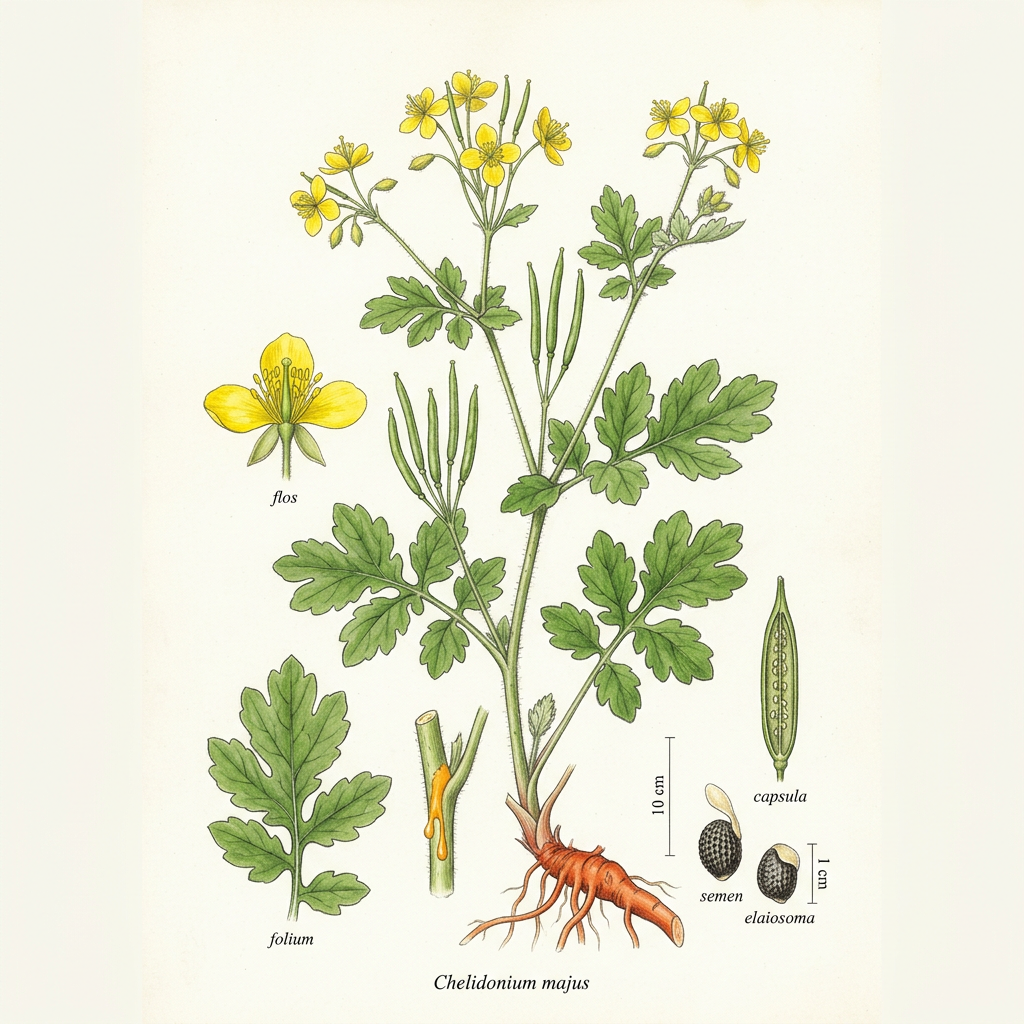
Greater Celandine

Greater Celandine

Chelidonium majus

Liver Support
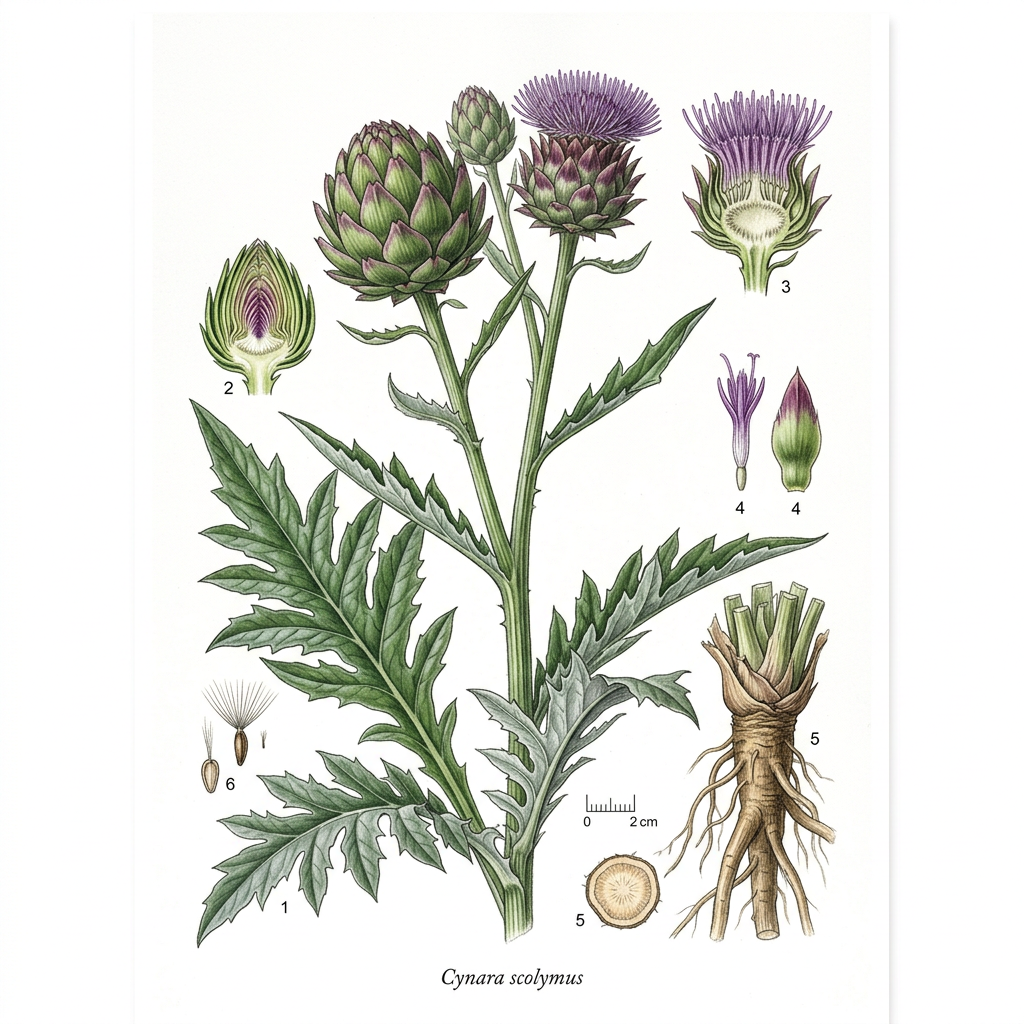
Artichoke

Artichoke

Cynara scolymus

Liver Support
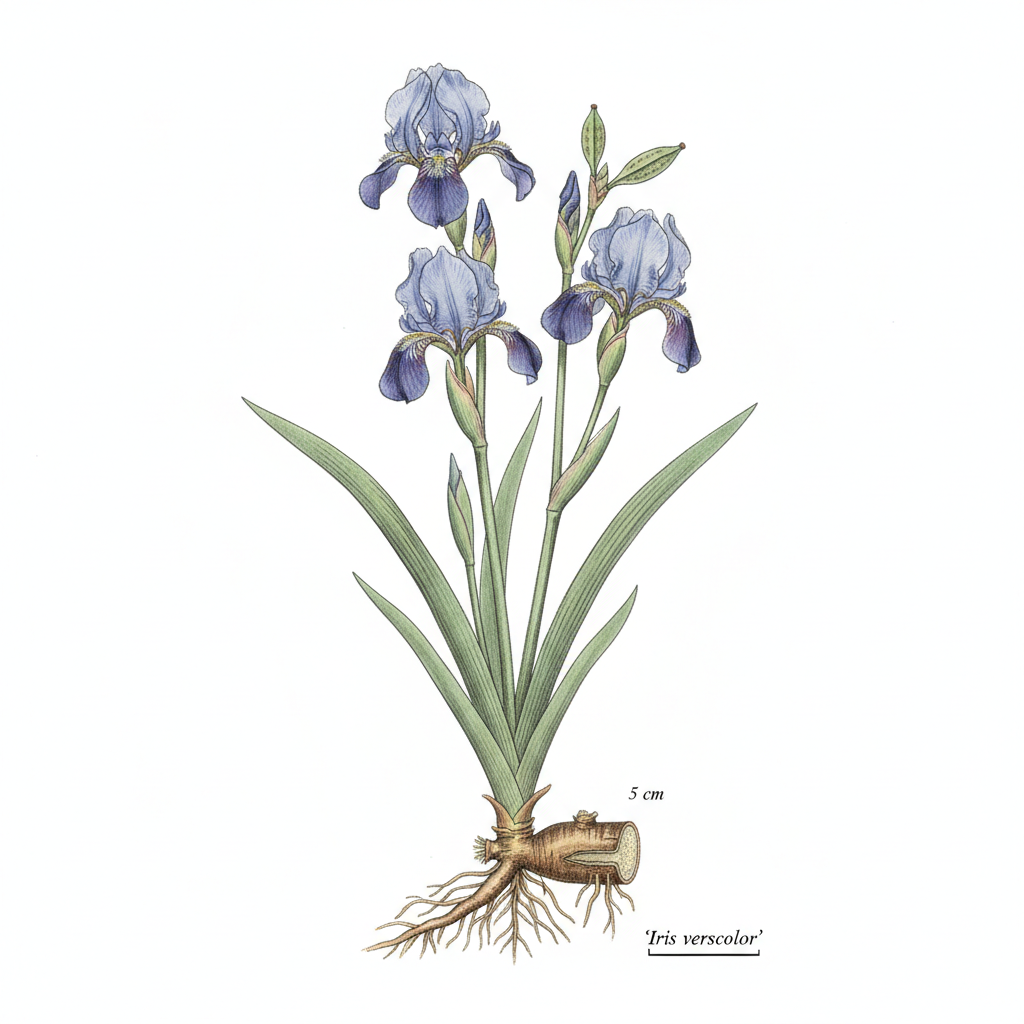
Blue flag

Blue flag

Iris versicolor

Detoxification
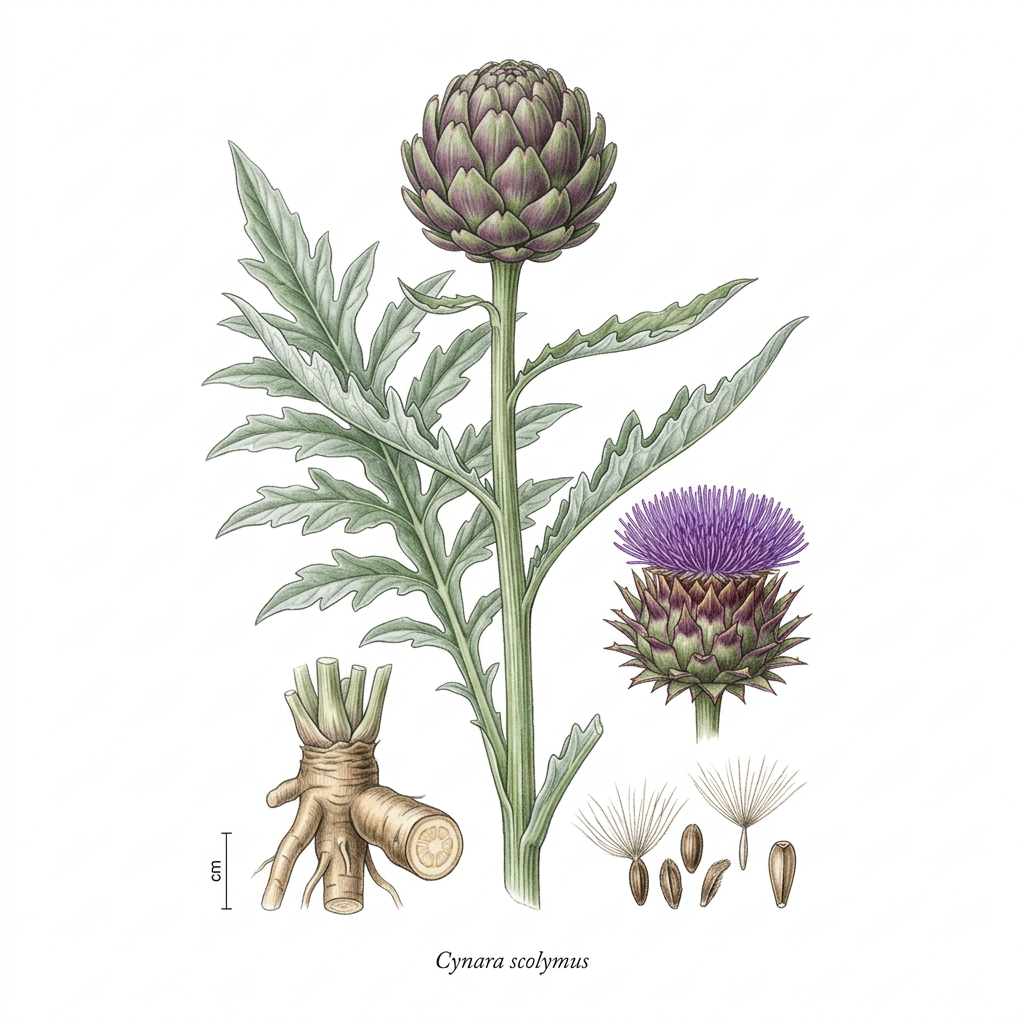
Globe artichoke

Globe artichoke

Cynara scolymus

Liver Support