

Herbal Medicine at your fingertips
Comprehensive database of herbal remedies with detailed safety information and traditional uses
New to herbal terms? Read the glossary →ADHD
Abcess
Acid Reflux Relief
Acinetobacter
Acne
Acne Vulgaris
Addisons
Adenomyosis
Adenovirus
Adrenal fatigue
Aging
Aids
Alcaligenes faecalis
Alcoholism
Allergic Rhinitis
Allergies
Allergy
Alopoecia
Alopoecia nervosa
Alzheimer's, Dementia & Cognitive Decline
420 herbs found
Important: This information is for educational purposes only. Always consult with qualified healthcare professionals before using herbal remedies, especially if you have existing health conditions or take medications.
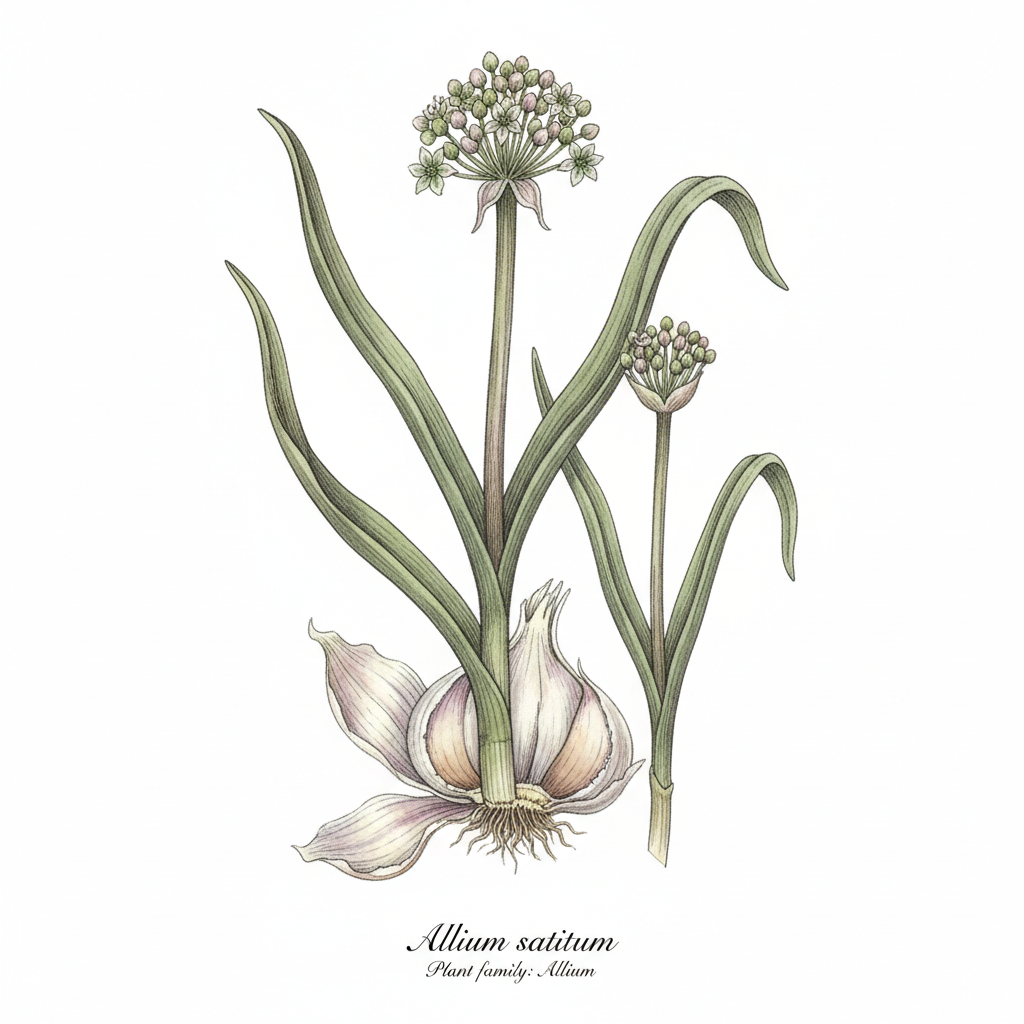
Garlic
Allium sativum
low risk Risk
Allium
Warming, stimulating, and purifying.
<p>Garlic, known scientifically as Allium sativa, has been revered for centuries not only as a culinary staple but also as a powerful medicinal herb. Its history dates back over 5,000 years, with its roots traced to ancient civilisations such as Egypt, Greece, and China, where it was utilised for its health-promoting properties. Traditionally, garlic has been employed for a myriad of ailments, including respiratory infections, digestive issues, and even as an antidote for various toxins. The historical significance of garlic in folk medicine is matched only by its cultural prominence, often regarded as a symbol of protection against malevolent forces and disease. The therapeutic properties of garlic are both diverse and profound, comprising a rich array of bioactive compounds such as allicin, ajoene, and various sulphur-containing compounds that underpin its numerous health benefits. Garlic is particularly noted for its cardiovascular benefits; it acts as an anti-atherosclerotic by promoting healthy cholesterol levels and enhancing overall blood circulation. Moreover, its immune-boosting properties are well-documented, with studies indicating that garlic may reduce the severity and duration of colds and infections. Other significant actions include its powerful antimicrobial properties, addressing a wide spectrum of bacteria, fungi, and parasites. This herb also exhibits anti-platelet and anti-thrombotic effects, which can help prevent blood clots and enhance circulation, contributing to overall cardiovascular health. Additionally, garlic has been shown to display hypoglycaemic and hypotensive effects, making it beneficial for managing blood sugar and blood pressure levels, thus providing further support to metabolic health. Garlic works in the body through various mechanisms that enhance its therapeutic effectiveness. The primary compound, allicin, is released when garlic is crushed or chopped, imparting its characteristic aroma and many of its health properties. Allicin and its derivatives stimulate the production of nitric oxide, leading to vasodilation, which relaxes blood vessels and improves circulation. Furthermore, garlic enhances the activity of immune cells, such as macrophages and lymphocytes, thus bolstering the body’s defence system against pathogens. Its antioxidant properties help to neutralise free radicals, reducing oxidative stress and inflammation within the body. Additionally, garlic’s ability to regulate lipid profiles and support healthy digestion makes it a comprehensive ally in promoting overall wellness. In conclusion, garlic’s rich tradition of use combined with its robust therapeutic actions makes it a revered herb in both historical and contemporary herbal medicine.</p>
Uses & Conditions
Immune Support
Cardiovascular Health
Abscess
Appendicitis
Asthma
Atherosclerosis
Buerger’s Disease
Bronchiectasis
Bronchitis
Candida
Catarrhal States
Colds
Congestive Heart Failure
Deep Vein Thrombosis
Diabetes
Diarrhoea
Diverticulitis
Dysentery
Dyspepsia
Ear Infection
Enteritis
Erectile Dysfunction
Genital Herpes (HSV2)
Haemorrhages
Haemorrhoids
Heavy Metal Toxicity
Hypertension
Infections
Kidney Stones
Myocardial Infarction
Osteoarthritis
Parasites
Pyelonephritis
Sinusitis
Thrush
Warts
Whooping Cough
Worms
Actions
Antibacterial
Anti-atherosclerotic
Anthelmintic
Antimicrobial
Anti-fungal
Anti-hyperlipidaemic
Anti-platelet
Anti-thrombotic
Anti-viral
Antiseptic
Carminative
Cholagogue
Choleretic
Depurative
Digestive Stimulant
Diuretic
Fibrinolytic
Hypoglycaemic
Hypotensive
Mucolytic
Relaxing
Spasmolytic
Vasodilator
Synonyms
Garlic
Parts Used
Bulb
Native Countries
Asia
Europe
Mediterranean
USDA Hardiness Zones
USDA 5-11
Preparations & Dosage
- Fresh Herb: Best freshly crushed and taken raw
- Tincture: 1:3, 45% alcohol, 20-30ml per week
Maximum weekly dose: 50ml
Contraindications
- Avoid large doses before surgery
- Avoid large doses during breastfeeding
Interactions
- Avoid large doses with anti-coagulant medication
Dosage Calculator
Community Photos
No community photos yet. Sign in to upload photos.
Scientific Studies & Sources
Reviews & Ratings
Sign in to leave a review.
No reviews yet. Be the first!
GF
Garreth Falls — B.Th., Dip. H.M., MNIMH
Content curated and reviewed by Garreth Falls, Consultant Medical Herbalist · The Wild Sage
Medical Disclaimer: This information is for educational purposes only and is not intended as medical advice. Always consult with qualified healthcare professionals before starting any herbal treatment.
Western tradition
Ayurvedic tradition
Chinese tradition
Sustainability & quality
AbundantWidely cultivated food crop; prefer organically certified sources to avoid pesticide residue.
Key constituents
Cardiovascular Health
References
- ESCOP Monographs 2nd ed. 2003
- EMA/HMPC Community Herbal Monograph
- Bensky "Chinese Herbal Medicine: Materia Medica" 3rd ed. 2004
Reviewed by Garreth, Medical Herbalist (MNIMH) · November 2026
Related conditions
Explore conditions where Garlic is traditionally used.
AppendicitisAsthmaAtherosclerosisBronchiectasisBronchitisCandidaColdsCongestive Heart FailureDeep vein thrombosisDiabetesDiarrhoeaDiverticulitisDysenteryDyspepsiaEar infectionEnteritisErectile dysfunctionHaemorrhagesHaemorrhoidsHeavy metal toxicityKidney stonesOsteoarthritisParasitesSinusitisThrushWartsWhooping coughWorms
Related Herbs
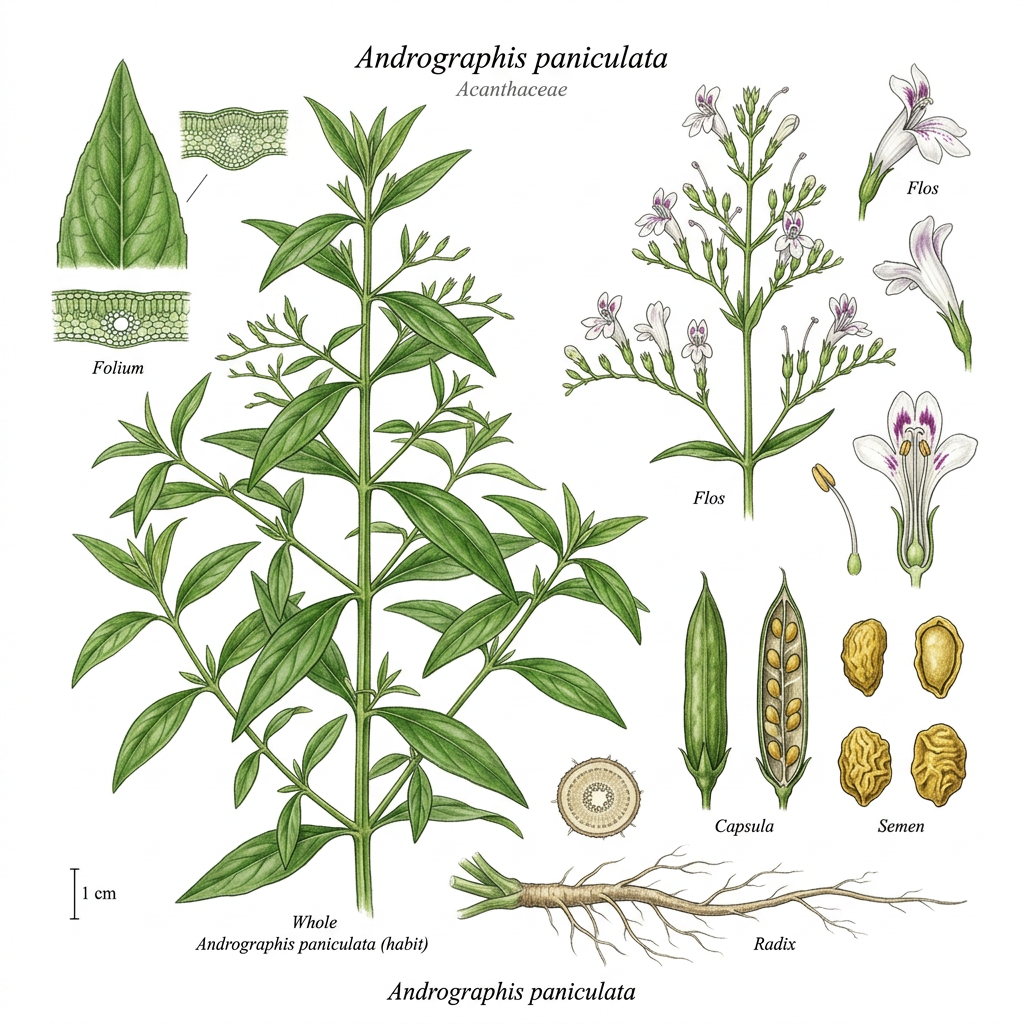
Andrographis
Andrographis paniculata
Immune Support
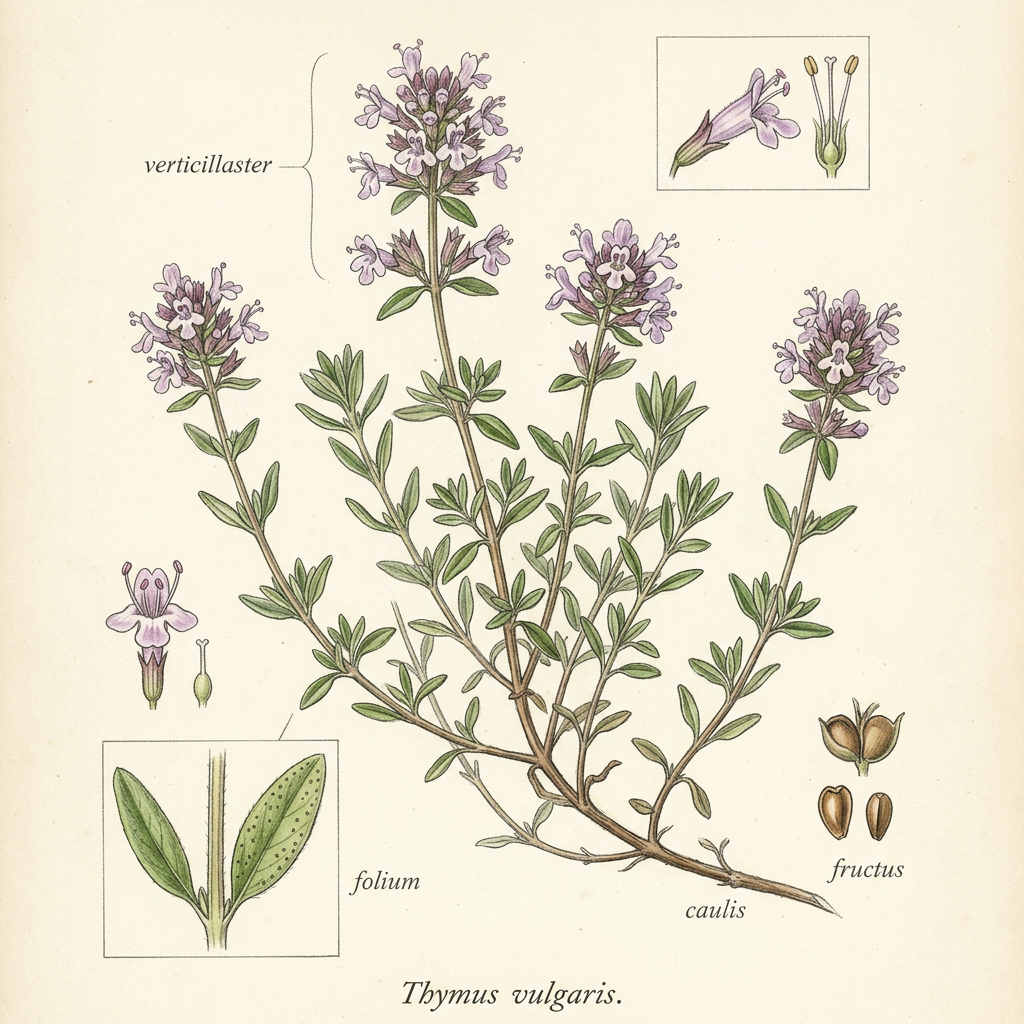
Thyme
Thymus vulgaris
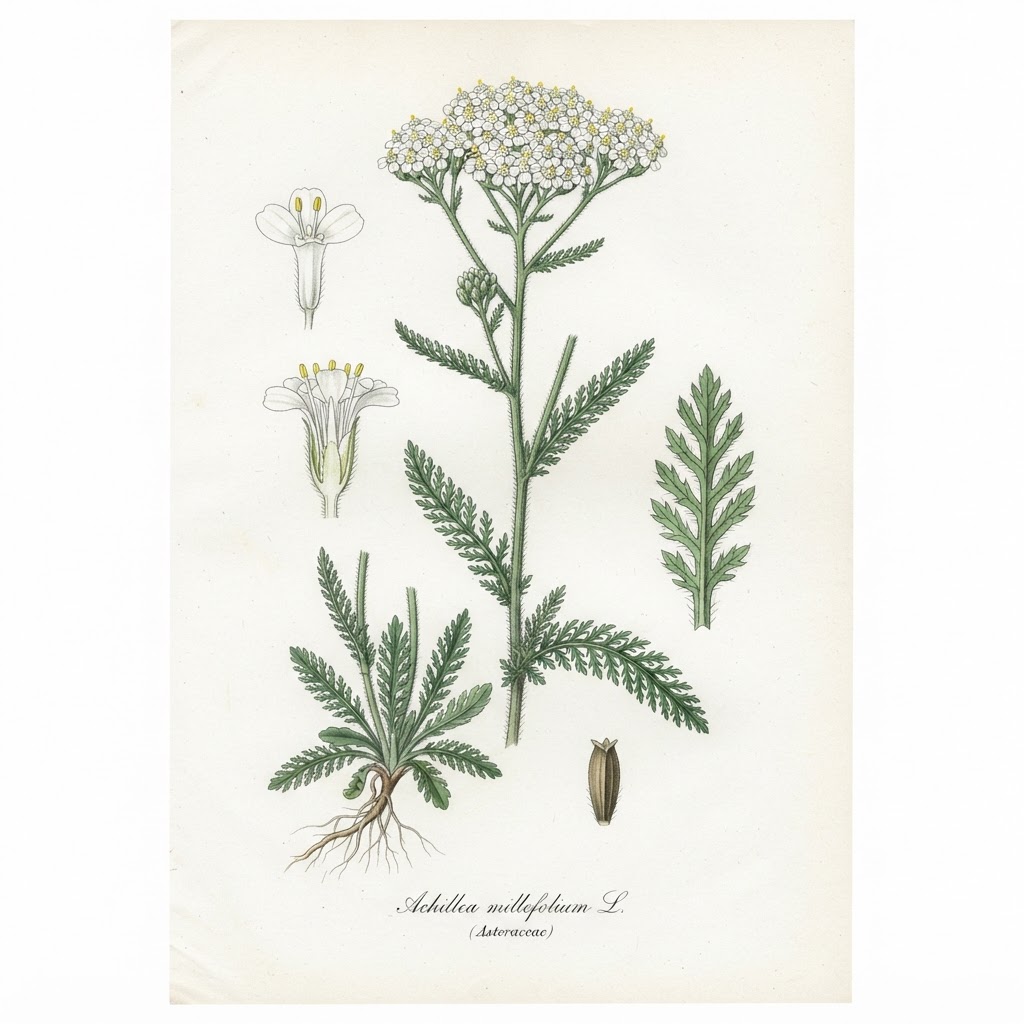
Yarrow
Achillea millefolium
Digestive Tonic
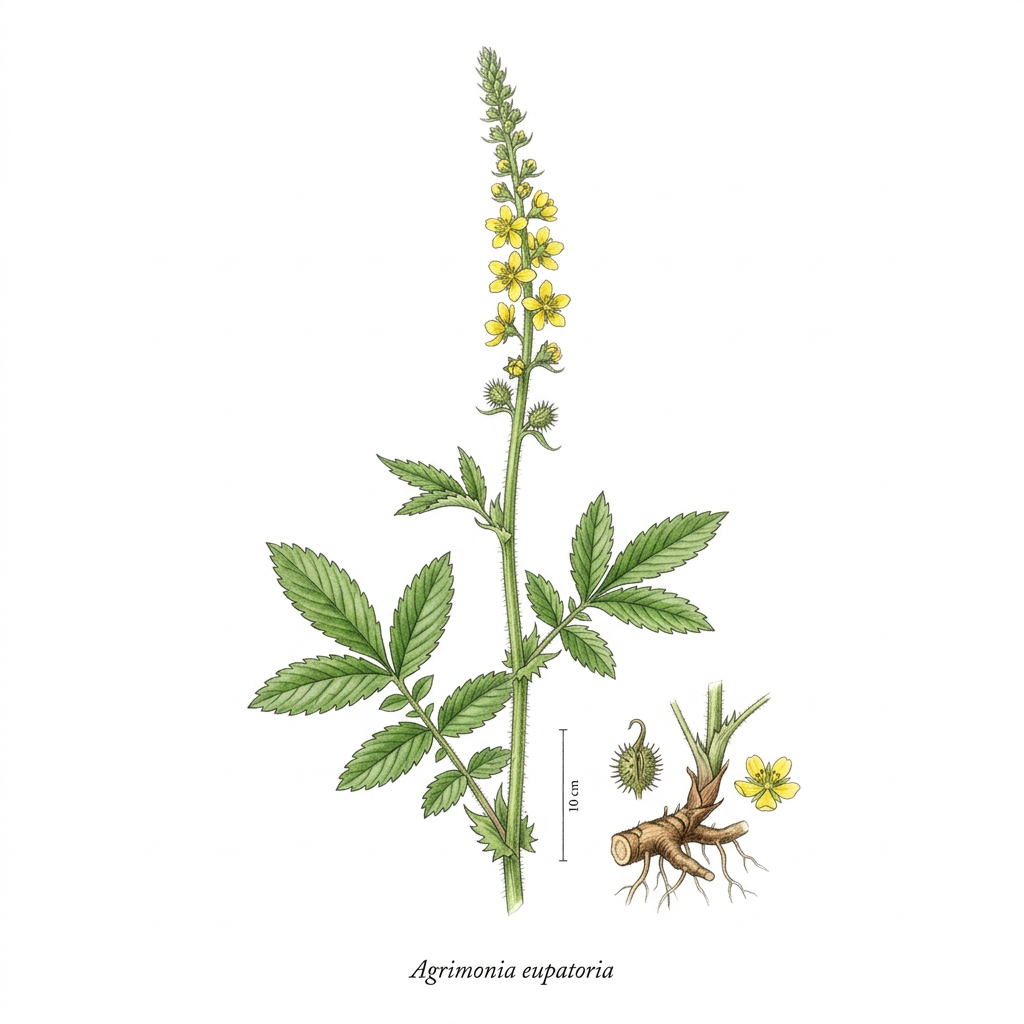
Agrimony
Agrimonia eupatoria
Digestive Aid