The Wild Sage logo
The Wild Sage Logo

Herbal Medicine at your fingertips

Comprehensive database of herbal remedies with detailed safety information and traditional uses

New to herbal terms? Read the glossary →
ADHD
Abcess
Acid Reflux Relief
Acinetobacter
Acne
Acne Vulgaris
Addisons
Adenomyosis
Adenovirus
Adrenal fatigue
Aging
Aids
Alcaligenes faecalis
Alcoholism
Allergic Rhinitis
Allergies
Allergy
Alopoecia
Alopoecia nervosa
Alzheimer's, Dementia & Cognitive Decline
420 herbs found
Important: This information is for educational purposes only. Always consult with qualified healthcare professionals before using herbal remedies, especially if you have existing health conditions or take medications.
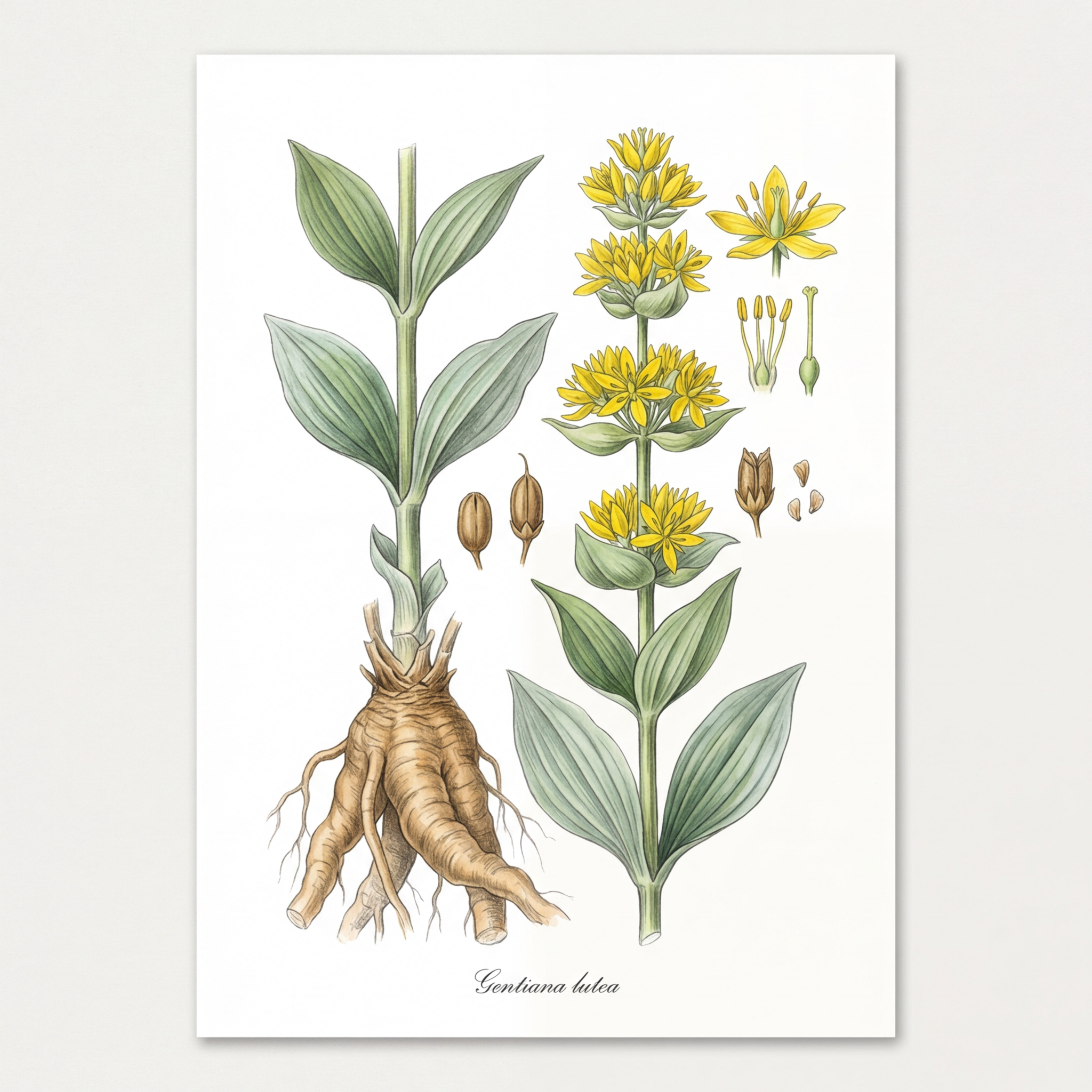
Gentian

Gentian

Gentiana lutea

low risk Risk
Gentianaceae
bitter, warming
<p>Gentian, scientifically known as Gentiana lutea, is a perennial flowering plant that belongs to the gentian family, Gentianaceae. This herb has a rich history rooted in traditional herbal medicine, particularly within European and Chinese practices. Historically, gentian has been valued for its ability to stimulate digestion and invigorate the digestive system. Ancient herbalists utilized its bitter roots in tinctures and decoctions, believing it could help restore balance and promote overall health. Today, gentian continues to be revered for its efficacy in supporting digestive health and addressing a variety of gastrointestinal concerns. The primary therapeutic properties of gentian derive from its active compounds, including secoiridoid glycosides, which impart its characteristic bitter taste. This bitterness is not merely a flavor profile; it plays a crucial role in stimulating the body's digestive mechanisms. Gentian is known to enhance appetite, promote the secretion of digestive enzymes, and encourage bile production, which aids in the emulsification of fats. Additionally, gentian's anti-inflammatory and antioxidant properties contribute to its ability to soothe the digestive tract, making it beneficial for conditions such as bloating, indigestion, and gastritis. Clinical studies have supported its use for enhancing overall digestive function, showcasing gentian's ability to alleviate discomfort and promote gastrointestinal wellness. Upon ingestion, gentian works by activating the bitter taste receptors in the mouth and throughout the gastrointestinal tract, which prompts a cascade of digestive processes. This stimulation leads to increased salivation and the release of gastric juices, enhancing the breakdown and absorption of nutrients. Moreover, gentian’s compounds help to modulate gut motility, ensuring proper transit time for food within the digestive system. As a versatile herbal remedy, gentian offers not only direct benefits for digestive issues but also supports overall vitality, making it a valuable addition to the repertoire of both traditional and modern herbal medicine.</p>

Uses & Conditions

Convalescence
Hypochlorhydria
GORD
Indigestion
Irritable Bowel Syndrome (IBS)
Hypertension
H. pylori
Dyspepsia
Colic
Diarrhoea
Bloating
Anorexia
Poor appetite
Allergy

Actions

Digestive aid
Hepatic

Synonyms

Gentian
Yellow gentian

Parts Used

Root

Native Countries

Europe

USDA Hardiness Zones

USDA 3-10
USDA 3-11
USDA 3-9

Contraindications

  • Pregnancy: avoid due to lack of safety data and potential uterine stimulation
  • Breastfeeding: avoid as bitter principles may transfer to breast milk and alter the taste
  • Gastric or duodenal ulcers: stimulation of gastric acid secretion may exacerbate existing lesions
  • Hyperacidity or acid reflux conditions (GERD): symptoms may be worsened by increased acid production
  • Pre-surgery: cease use at least two weeks prior to scheduled procedures

Potential Side Effects

  • Nausea or vomiting if taken in excessive doses
  • Headache in sensitive individuals
  • Occasional gastric irritation if consumed without adequate water

Interactions

  • Antacids and H2-blockers: may antagonise the therapeutic intent of gentian's bitter profile
  • Proton pump inhibitors: potential for interference with digestive acid-stimulating mechanisms
  • Antihypertensive medication: potential additive effect on blood pressure regulation requiring monitoring

Dosages, tincture ratios & research — members only

Unlock Garreth's dosing guidance, tincture ratios, the dosage calculator and the research studies for Gentian.

Your assessment and results stay saved — upgrading only unlocks more of them.

See membership plans

Community Photos

No community photos yet. Sign in to upload photos.

Reviews & Ratings

Sign in to leave a review.

No reviews yet. Be the first!

GF

Garreth Falls — B.Th., Dip. H.M., MNIMH

Content curated and reviewed by Garreth Falls, Consultant Medical Herbalist · The Wild Sage

Medical Disclaimer: This information is for educational purposes only and is not intended as medical advice. Always consult with qualified healthcare professionals before starting any herbal treatment.
Western tradition

Sustainability & quality

At risk

Native to mountain regions of Europe; wild-harvesting is restricted in many areas. Must only be sourced from sustainable, long-term cultivated stocks.

Key constituents

Secoiridoid glycosides (gentiopicroside), Amarogentin, Gentisin, Isogentisin, Gentianose, Gentiobiose, Alkaloids (gentianine), Pectin

References

  1. Bone & Mills "Principles and Practice of Phytotherapy" 2nd ed. 2013
  2. ESCOP Monographs 2nd ed. 2003
  3. EMA/HMPC Community Herbal Monograph
  4. Herbal Reality. Herb monographs. herbalreality.com

Reviewed by Garreth, Medical Herbalist (MNIMH) · November 2026

Related conditions

Explore conditions where Gentian is traditionally used.

Related Herbs
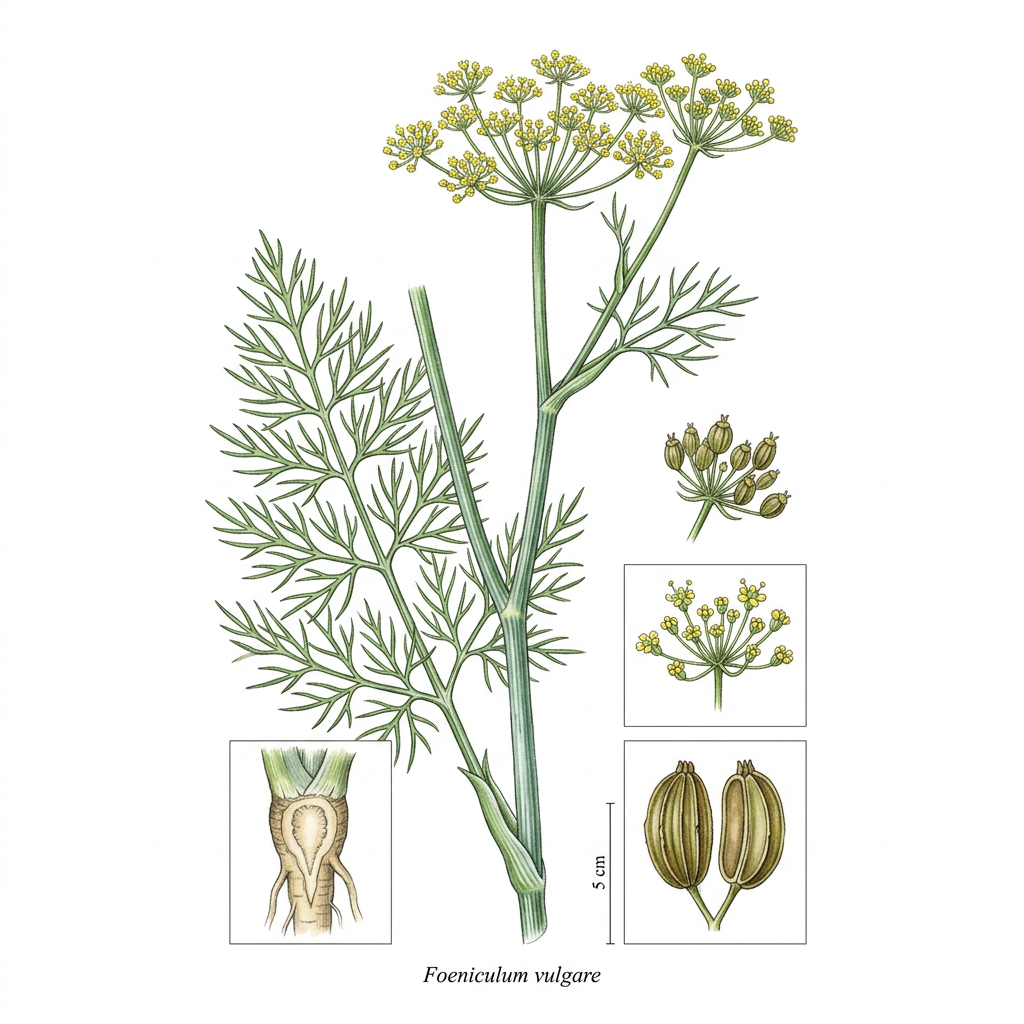
Fennel

Fennel

Foeniculum vulgare

Digestive Aid
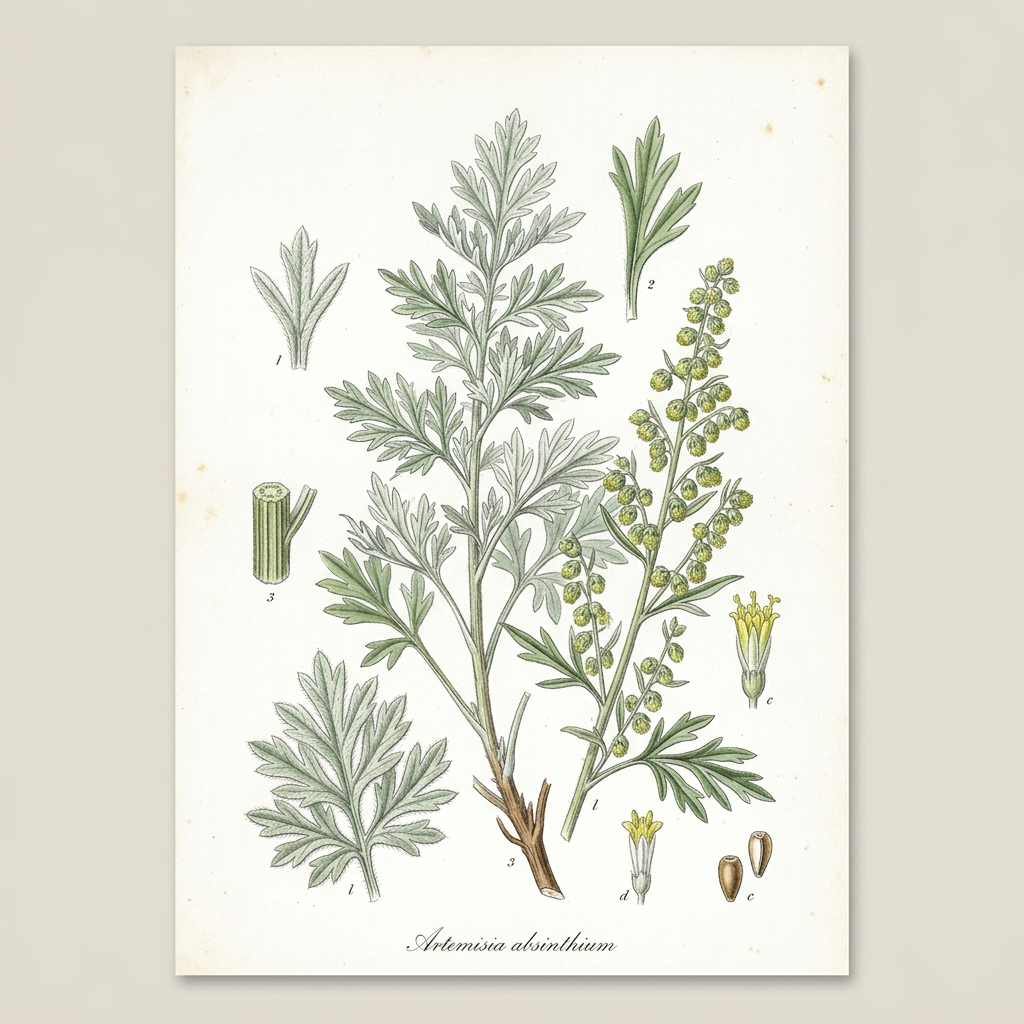
Wormwood

Wormwood

Artemisia absinthium

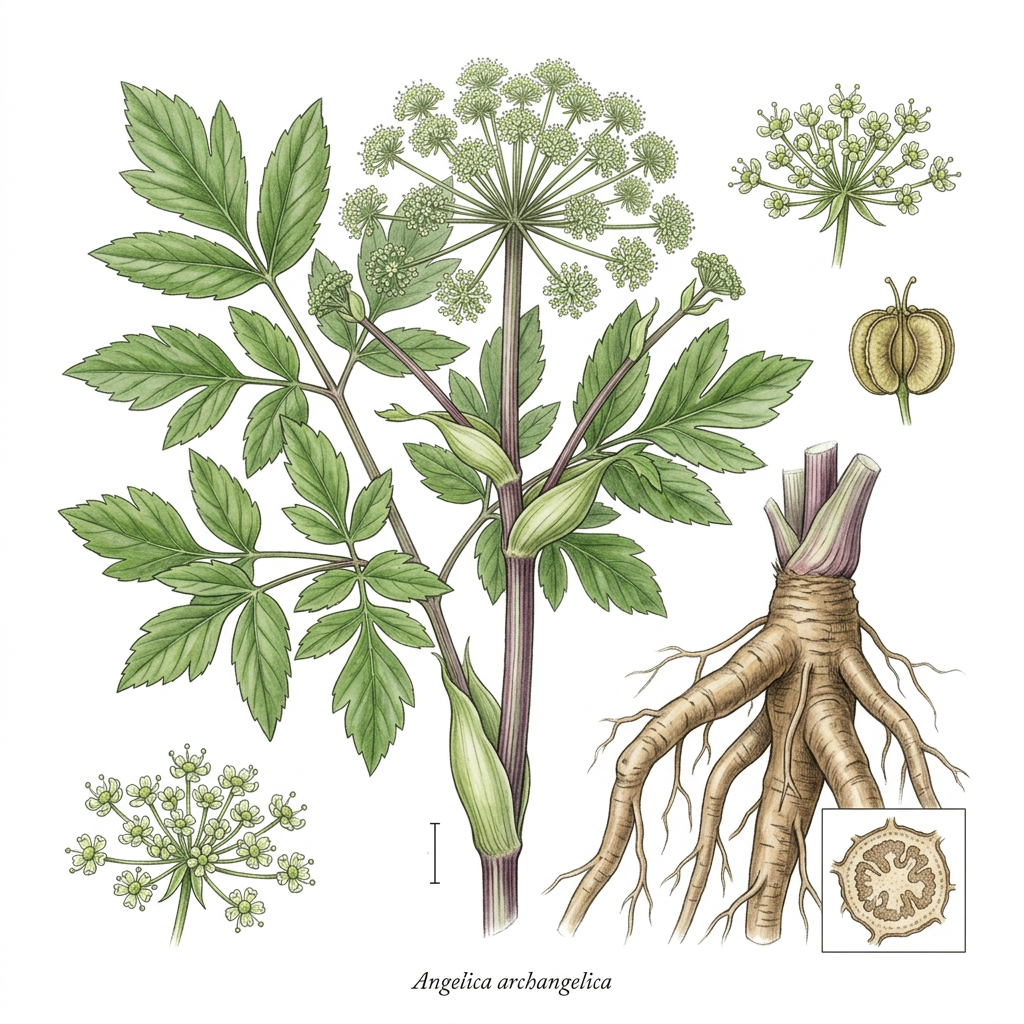
Angelica

Angelica

Angelica archangelica

Circulatory Stimulant
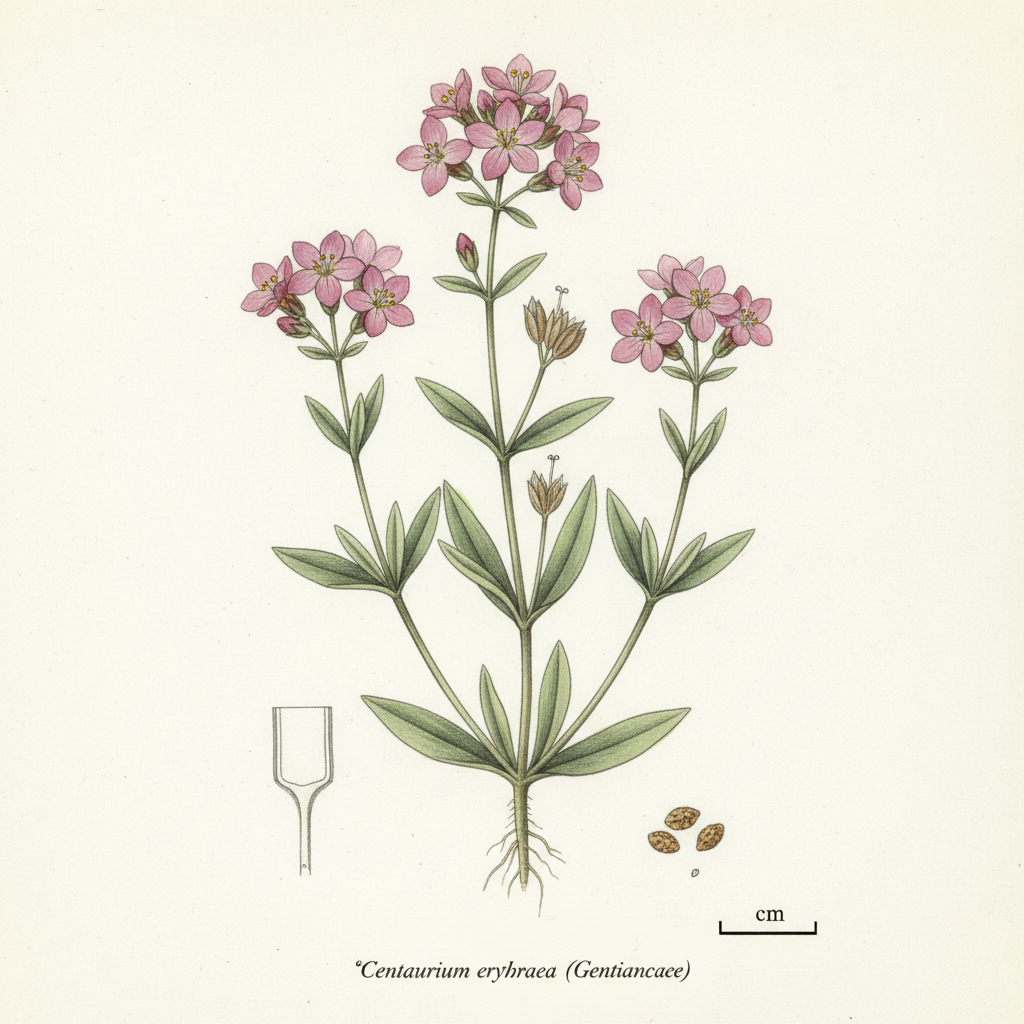
Centaury

Centaury

Centaurium erythraea

Digestive Bitter