The Wild Sage logo
The Wild Sage Logo

Herbal Medicine at your fingertips

Comprehensive database of herbal remedies with detailed safety information and traditional uses

New to herbal terms? Read the glossary →
ADHD
Abcess
Acid Reflux Relief
Acinetobacter
Acne
Acne Vulgaris
Addisons
Adenomyosis
Adenovirus
Adrenal fatigue
Aging
Aids
Alcaligenes faecalis
Alcoholism
Allergic Rhinitis
Allergies
Allergy
Alopoecia
Alopoecia nervosa
Alzheimer's, Dementia & Cognitive Decline
420 herbs found
Important: This information is for educational purposes only. Always consult with qualified healthcare professionals before using herbal remedies, especially if you have existing health conditions or take medications.
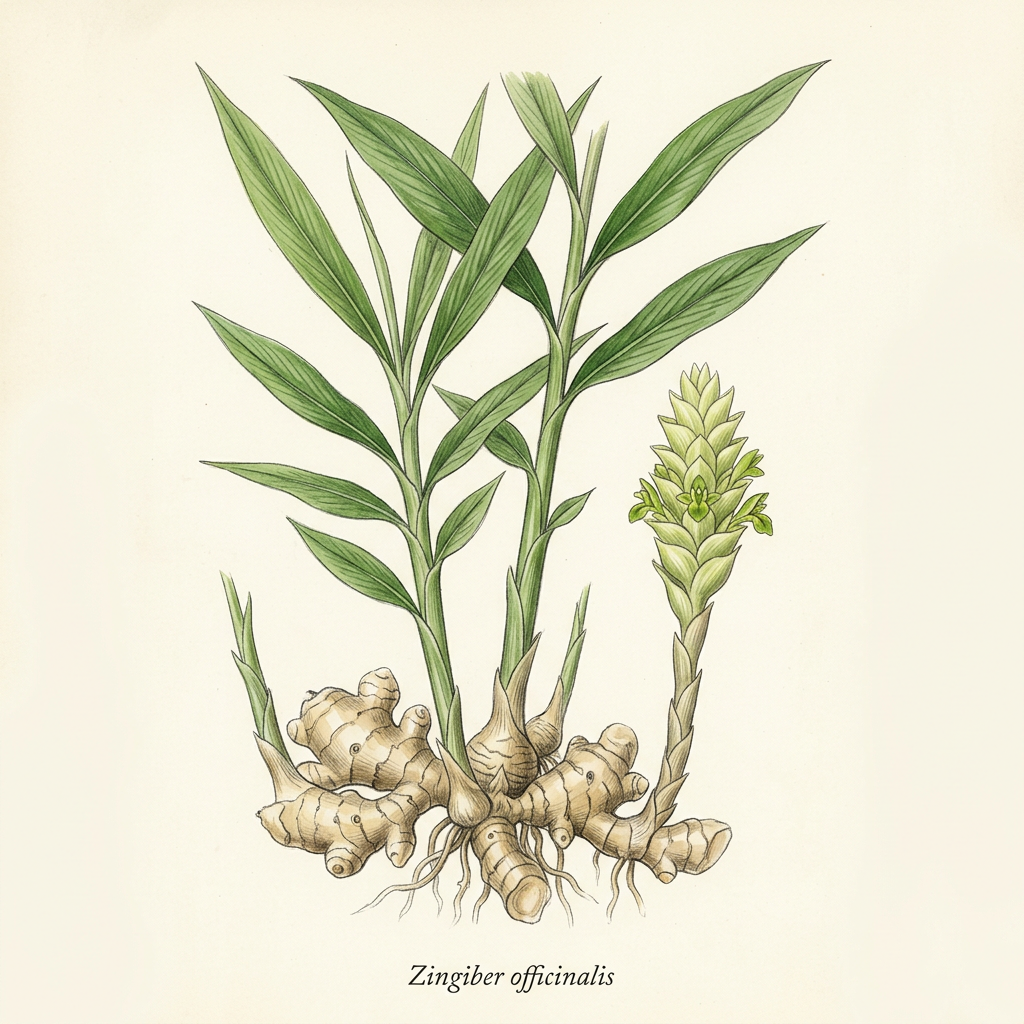
Ginger

Ginger

Zingiber officinale

low risk Risk
Zingiberaceae
it is believed to uplift mood and provide energy.
<p>Ginger, scientifically known as *Zingiber officinalis*, is a flowering plant belonging to the family Zingiberaceae, indigenous to Southeast Asia but cultivated worldwide for its esteemed rhizome. Revered for thousands of years, ginger has been an integral component of traditional medicine systems, particularly within Ayurvedic and traditional Chinese medicine. Historically, it was prized not only for its culinary applications, where it adds warmth and flavor to dishes, but also for its therapeutic benefits. Ancient cultures utilized ginger for various ailments, believing it possessed properties that could combat nausea, improve digestion, and enhance overall vitality. The therapeutic benefits of ginger are largely attributed to its active compounds, predominantly gingerol and shogaol, which exhibit potent anti-inflammatory and antioxidant properties. These bioactive constituents have been shown to alleviate gastrointestinal discomfort, reduce nausea (particularly in cases of motion sickness and morning sickness), and relieve pain, making ginger a popular choice for those struggling with digestive issues or osteoarthritis. Additionally, research has pointed to ginger's effectiveness in supporting immune function, alleviating respiratory conditions, and potentially lowering blood sugar levels, indicating its multifaceted role in contemporary health practices. In the body, ginger exerts its effects through various mechanisms, primarily by modulating inflammatory pathways and enhancing the activity of digestive enzymes. The anti-inflammatory properties help to inhibit the production of pro-inflammatory cytokines, which can alleviate pain and swelling associated with chronic conditions. Moreover, ginger's warming properties promote circulation and stimulate digestion, improving nutrient absorption and gastrointestinal motility. This multifaceted herb offers a holistic approach to health, making it a valuable addition to both medicinal and culinary applications, ensuring its place as a cherished ally in natural wellness.</p>

Uses & Conditions

Digestive Aid
Pregnancy Support
Circulation Improvement
Nausea and Vomiting
Osteoarthritis
Dyspepsia
Menstrual Pain
Inflammation
Common Cold
Bloating
Heartburn
Travel Sickness
Alzheimer's Support
Diabetes
Gallstones
Asthma
Bleeding Disorders
Deep Vein Thrombosis
Whooping Cough
Tendonitis and Bursitis
Low Libido
Enteritis and Enterocolitis
Congestive Heart Failure

Actions

Anti-inflammatory
Digestive Aid
Hepatic
Warming
NFkB Inhibitor
TNF-a Reduction
Choleretic
Anxiolytic

Parts Used

Rhizome

Native Countries

Asia

USDA Hardiness Zones

USDA 8-11

Contraindications

  • Presence of gallstones: use with caution as ginger may increase bile flow
  • Pre-surgical planning: discontinue use at least two weeks before elective surgery
  • Hypersensitivity: history of allergic reaction to plants in the Zingiberaceae family
  • Active gastric or duodenal ulcers: pungency may cause irritation to mucosal linings

Potential Side Effects

  • Mild gastrointestinal discomfort or heartburn
  • Contact dermatitis from handling fresh rhizome material
  • Oral mucosal irritation

Interactions

  • Anticoagulant and antiplatelet drugs: theoretical risk of increased bruising or bleeding
  • Nifedipine and other calcium channel blockers: potential for additive effects on blood pressure
  • Hypoglycaemic agents: potential to potentiate blood-sugar lowering effects
  • Ciclosporin: possible alteration of absorption profiles

Dosages, tincture ratios & research — members only

Unlock Garreth's dosing guidance, tincture ratios, the dosage calculator and the research studies for Ginger.

Your assessment and results stay saved — upgrading only unlocks more of them.

See membership plans

Community Photos

No community photos yet. Sign in to upload photos.

Reviews & Ratings

Sign in to leave a review.

No reviews yet. Be the first!

GF

Garreth Falls — B.Th., Dip. H.M., MNIMH

Content curated and reviewed by Garreth Falls, Consultant Medical Herbalist · The Wild Sage

Medical Disclaimer: This information is for educational purposes only and is not intended as medical advice. Always consult with qualified healthcare professionals before starting any herbal treatment.
Western tradition
Ayurvedic tradition
Chinese tradition

Sustainability & quality

Cultivated

Widely cultivated; seek organic certification to ensure absence of heavy metals and pesticides in the rhizome.

Key constituents

Gingerols, Shogaols, Zingerone, Essential oils (including zingiberene and bisabolene), Sesquiterpenes, Phenolic compounds

References

  1. Bone & Mills "Principles and Practice of Phytotherapy" 2nd ed. 2013
  2. Bensky "Chinese Herbal Medicine: Materia Medica" 3rd ed. 2004
  3. Pole "Ayurvedic Medicine" 2006
  4. Herbal Reality. Herb monographs. herbalreality.com

Reviewed by Garreth, Medical Herbalist (MNIMH) · November 2026

Related conditions

Explore conditions where Ginger is traditionally used.

Related Herbs
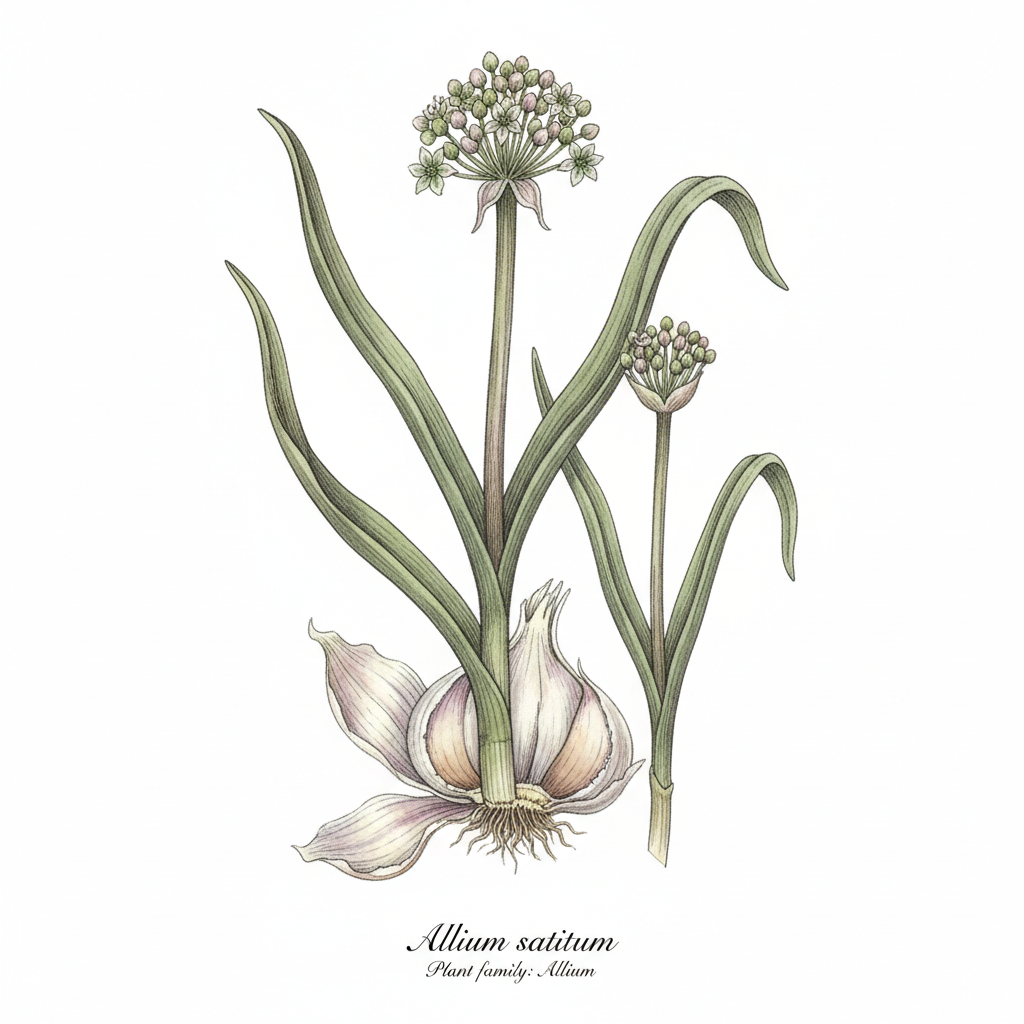
Garlic

Garlic

Allium sativum

Immune Support
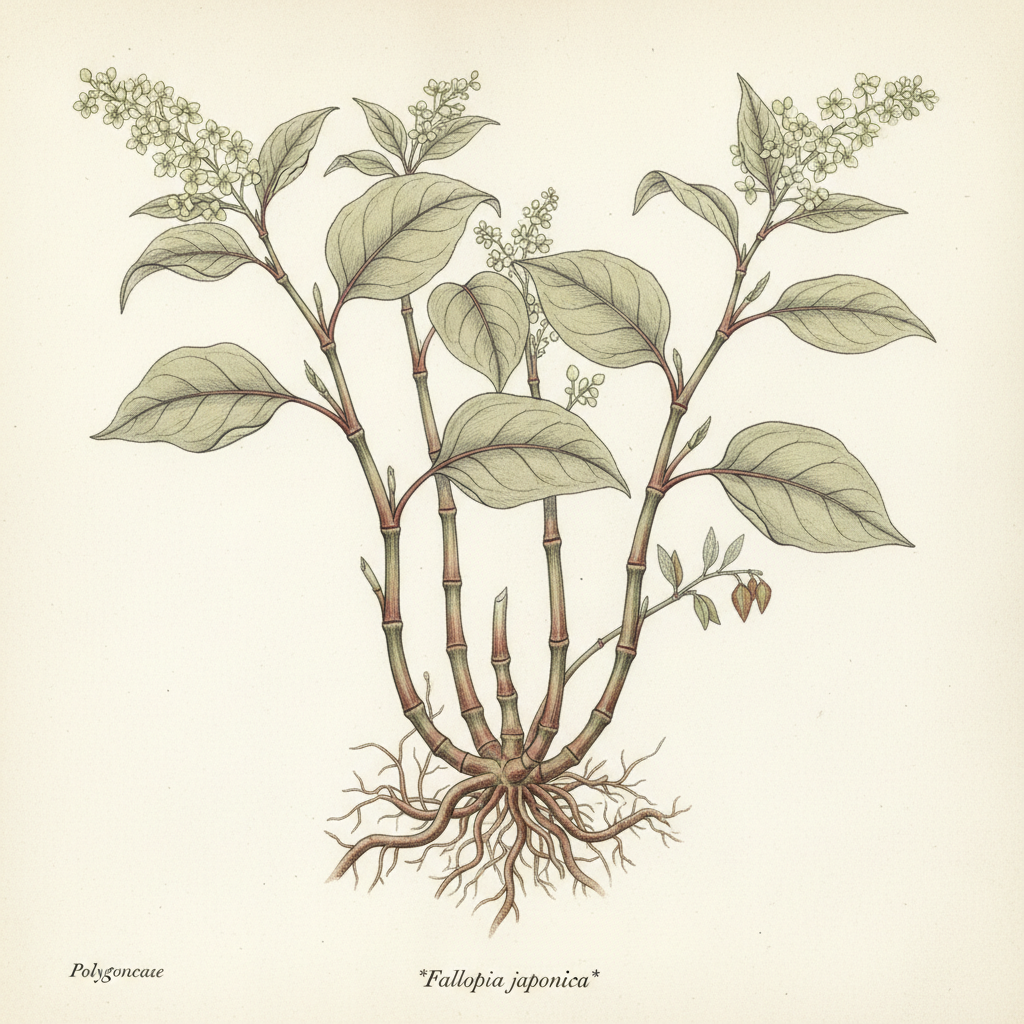
Japanese Knotweed

Japanese Knotweed

Fallopia japonica

Immune Support
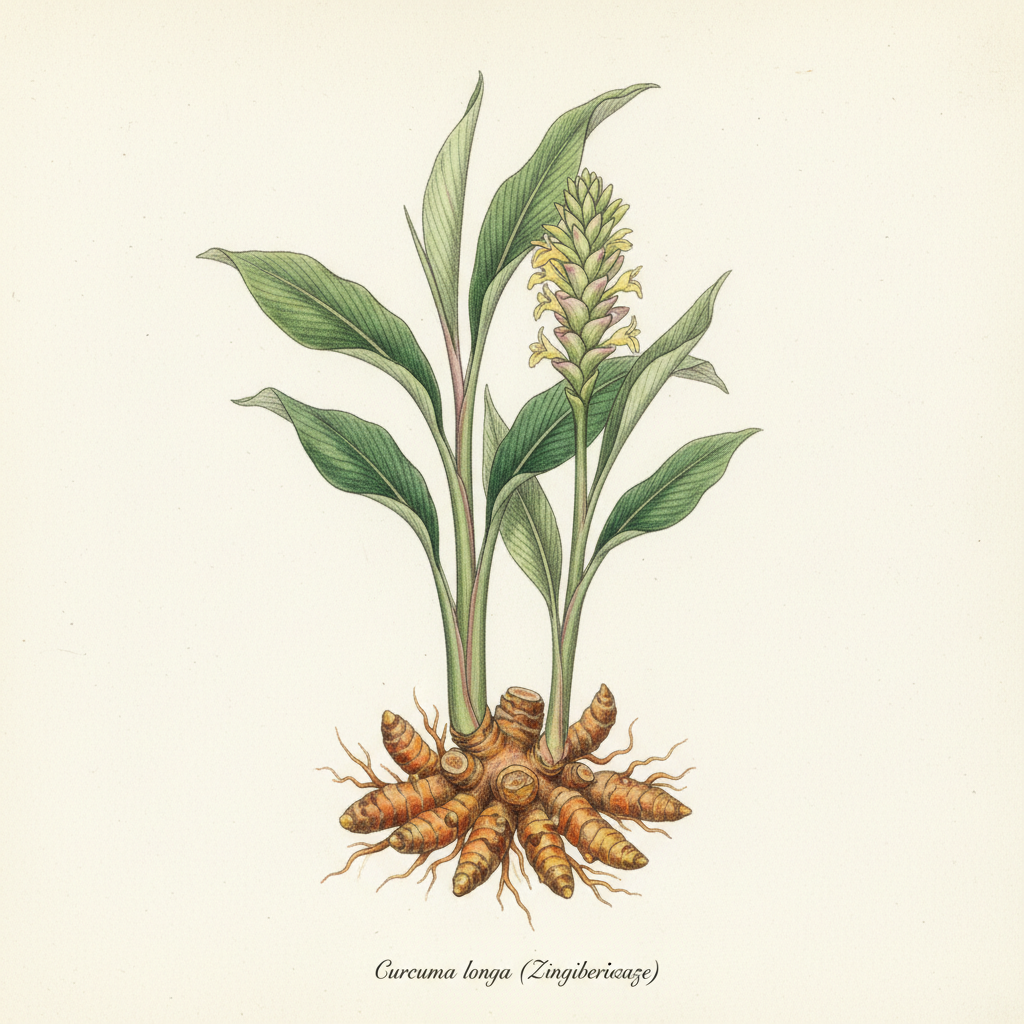
Turmeric

Turmeric

Curcuma longa

Antioxidant
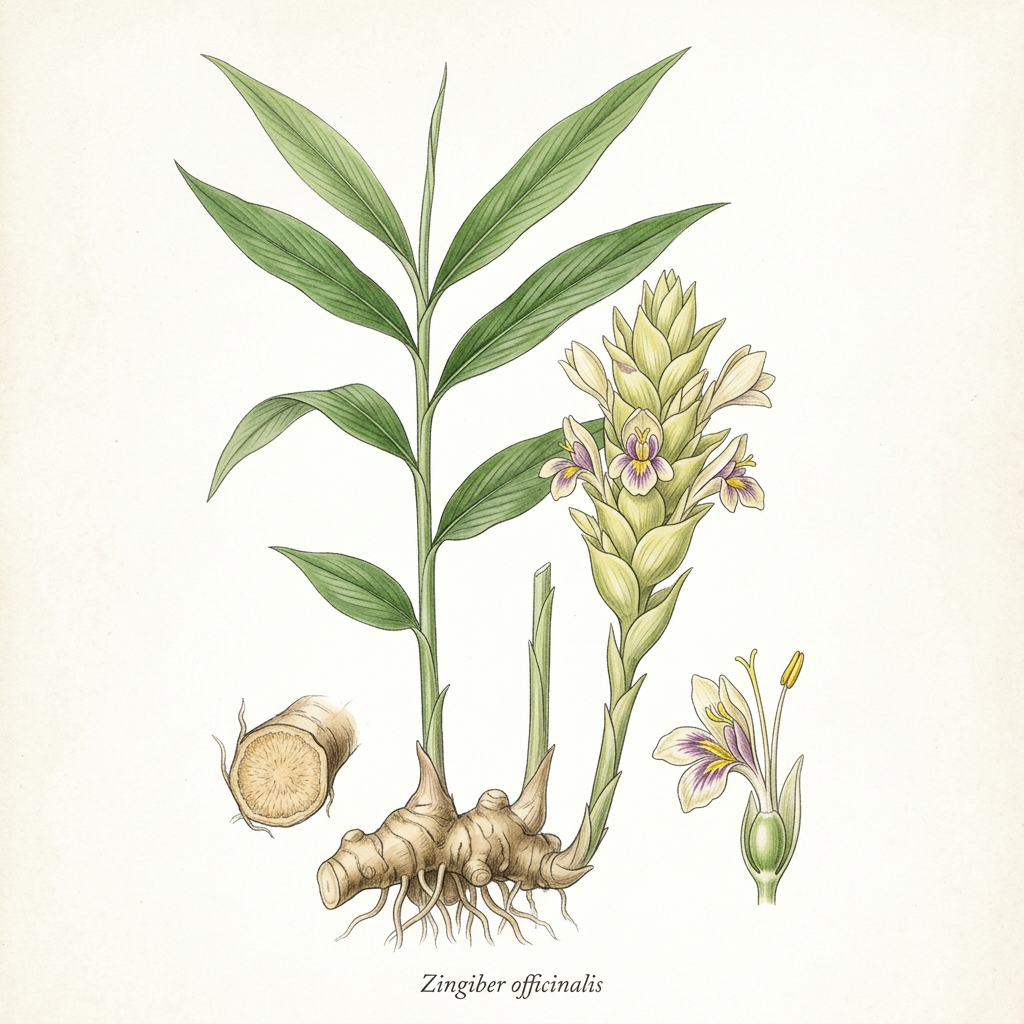
Zingiber officinalis

Zingiber officinalis

Zingiber officinale

Warming