The Wild Sage logo
The Wild Sage Logo

Herbal Medicine at your fingertips

Comprehensive database of herbal remedies with detailed safety information and traditional uses

New to herbal terms? Read the glossary →
ADHD
Abcess
Acid Reflux Relief
Acinetobacter
Acne
Acne Vulgaris
Addisons
Adenomyosis
Adenovirus
Adrenal fatigue
Aging
Aids
Alcaligenes faecalis
Alcoholism
Allergic Rhinitis
Allergies
Allergy
Alopoecia
Alopoecia nervosa
Alzheimer's, Dementia & Cognitive Decline
420 herbs found
Important: This information is for educational purposes only. Always consult with qualified healthcare professionals before using herbal remedies, especially if you have existing health conditions or take medications.
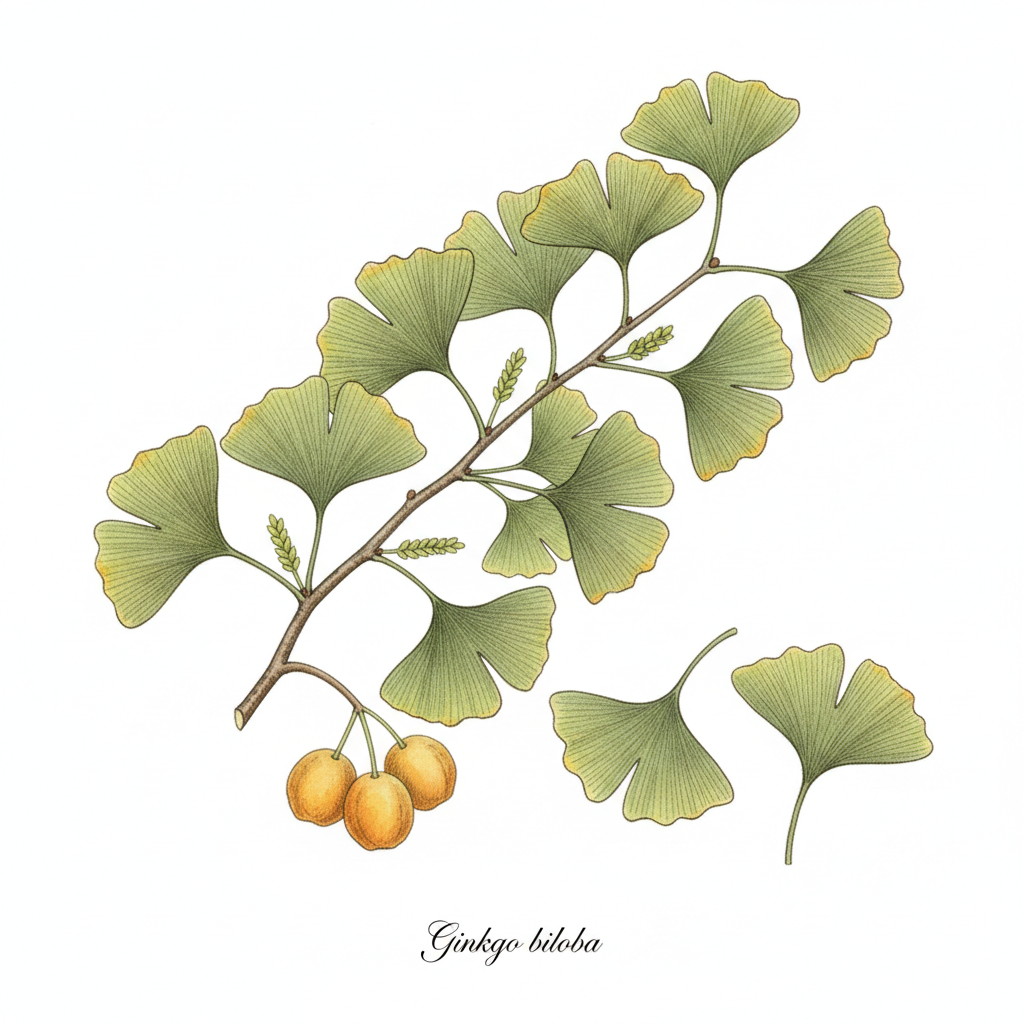
Ginkgo

Ginkgo

Ginkgo biloba

moderate risk Risk
Ginkgoaceae
<p>Ginkgo biloba, commonly known as ginkgo or maidenhair tree, is one of the oldest living tree species, with a lineage that dates back over 250 million years. Traditionally revered in Chinese medicine, ginkgo has been utilized for centuries to promote overall health and vitality. Its leaves and seeds have been used in various forms, from decoctions to tinctures, supporting wellness practices aimed at memory enhancement, respiratory health, and circulatory support. The tree is unique not only for its ancient heritage but also for its striking fan-shaped leaves and resilience in urban environments, making it a symbol of durability and longevity. The primary therapeutic properties of ginkgo are attributed to its rich phytochemical profile, which includes flavonoids and terpenoids. These compounds are believed to enhance blood circulation, particularly to the brain, thereby improving oxygenation and nutrient delivery to neuronal tissues. As a result, ginkgo is often employed in the management of cognitive decline, memory enhancement, and the mental fatigue associated with aging. Clinical studies have indicated its efficacy in supporting cognitive function in individuals experiencing Alzheimer's disease and vascular dementia. Additionally, ginkgo may contribute to improved peripheral circulation, which can lead to alleviation of symptoms associated with conditions like intermittent claudication and tinnitus. The mechanism by which ginkgo exerts its beneficial effects is multifaceted. Flavonoids found in ginkgo demonstrate powerful antioxidant properties, protecting brain cells from free radical damage and reducing oxidative stress. Furthermore, the terpenoids in ginkgo facilitate vasodilation, which enhances blood flow and subsequently increases the availability of oxygen and nutrients essential for optimal brain function. This dual action not only boosts memory and cognitive function but also promotes overall cerebral health. Ginkgo biloba serves as a testament to the intersection of ancient wisdom and modern science, offering a profound natural support for cognitive vitality and circulatory wellness.</p>

Uses & Conditions

Cognitive Support
Mental Clarity
Alzheimer's Disease
Dementia
Cerebrovascular Insufficiency
Peripheral Artery Disease
Atherosclerosis
Erectile Dysfunction
Attention Deficit Hyperactivity Disorder
Anxiety
Asthma
Bell's Palsy
Brain Injury
Buerger's Disease
Cataracts
Chronic Fatigue
Tinnitus
Pancreatitis
Kidney Disease
Myocardial Infarction
Disc Prolapse

Actions

Nootropic
Circulatory Stimulant
Vasodilator
Anti-platelet
Antioxidant

Synonyms

Ginkgo
Maidenhair tree
Temple tree
Bai Gou
Bai Gou Ye

Parts Used

Leaves

Native Countries

Asia

USDA Hardiness Zones

USDA 4-10
USDA 5-8
USDA 5-9

Contraindications

  • Individuals with epilepsy or a history of seizures
  • Pregnancy
  • Pre-surgical period

Potential Side Effects

  • Mild gastrointestinal distress such as nausea or abdominal discomfort
  • Headache
  • Dizziness
  • Light-headedness
  • Allergic skin reactions including contact dermatitis
  • Increased risk of bruising or minor bleeding

Interactions

  • Anticoagulants and antiplatelet drugs such as warfarin, aspirin, or clopidogrel
  • Selective serotonin reuptake inhibitors (SSRIs)
  • Non-steroidal anti-inflammatory drugs (NSAIDs)
  • Anticonvulsant medications

Dosages, tincture ratios & research — members only

Unlock Garreth's dosing guidance, tincture ratios, the dosage calculator and the research studies for Ginkgo.

Your assessment and results stay saved — upgrading only unlocks more of them.

See membership plans

Community Photos

No community photos yet. Sign in to upload photos.

Reviews & Ratings

Sign in to leave a review.

No reviews yet. Be the first!

GF

Garreth Falls — B.Th., Dip. H.M., MNIMH

Content curated and reviewed by Garreth Falls, Consultant Medical Herbalist · The Wild Sage

Medical Disclaimer: This information is for educational purposes only and is not intended as medical advice. Always consult with qualified healthcare professionals before starting any herbal treatment.
Chinese tradition
Western tradition

Sustainability & quality

Cultivated

Almost exclusively sourced from large-scale cultivation. Ensure standardisation levels are met to guarantee therapeutic consistency.

Key constituents

Flavonoids, Procyanidins, Acetogenins, Polysaccharides, Sterols, Sesquiterpine lactones, Quercitrin, Kaempferol, Coumarin, Ginkgetin

References

  1. Bone & Mills "Principles and Practice of Phytotherapy" 2nd ed. 2013
  2. ESCOP Monographs 2nd ed. 2003
  3. Bensky "Chinese Herbal Medicine: Materia Medica" 3rd ed. 2004
  4. Herbal Reality. Herb monographs. herbalreality.com

Reviewed by Garreth, Medical Herbalist (MNIMH) · November 2026

Related conditions

Explore conditions where Ginkgo is traditionally used.

Related Herbs
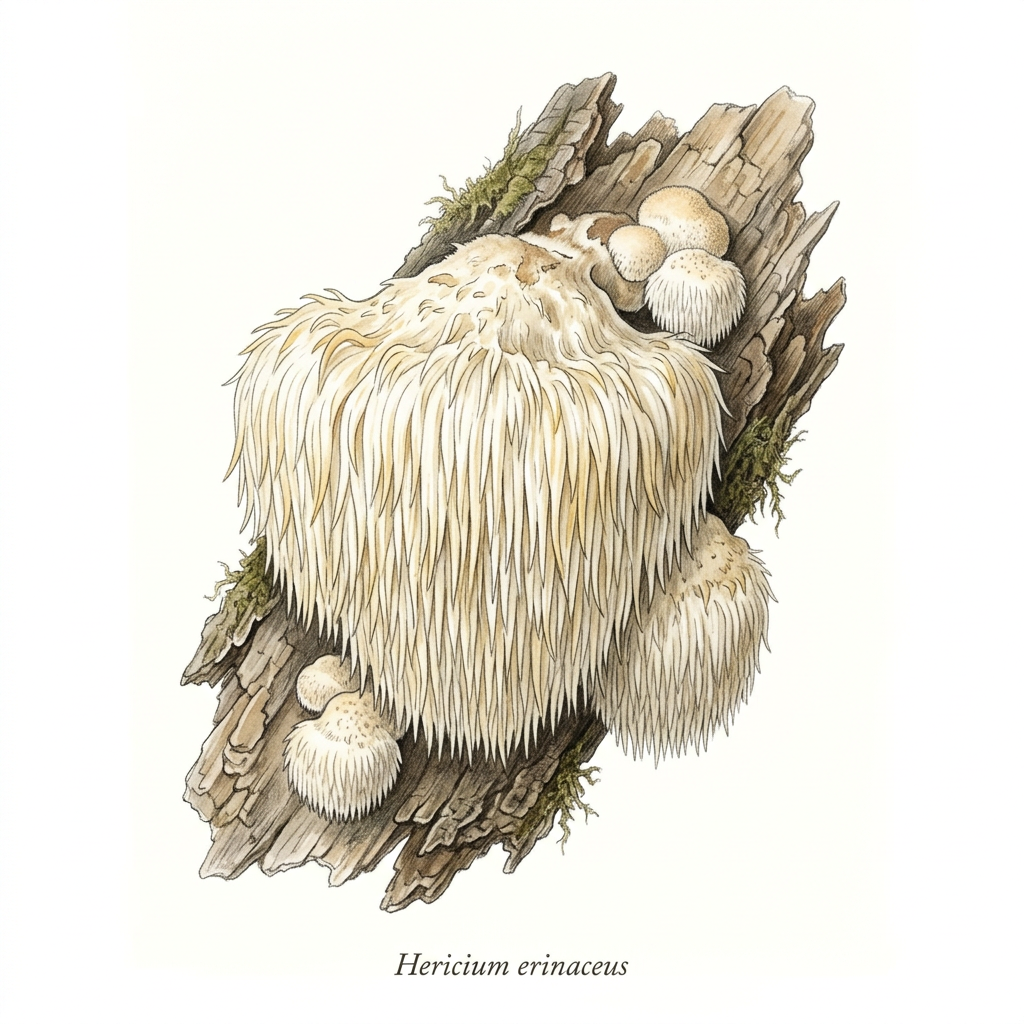
Lion's Mane

Lion's Mane

Hericium erinaceus

Cognitive Support
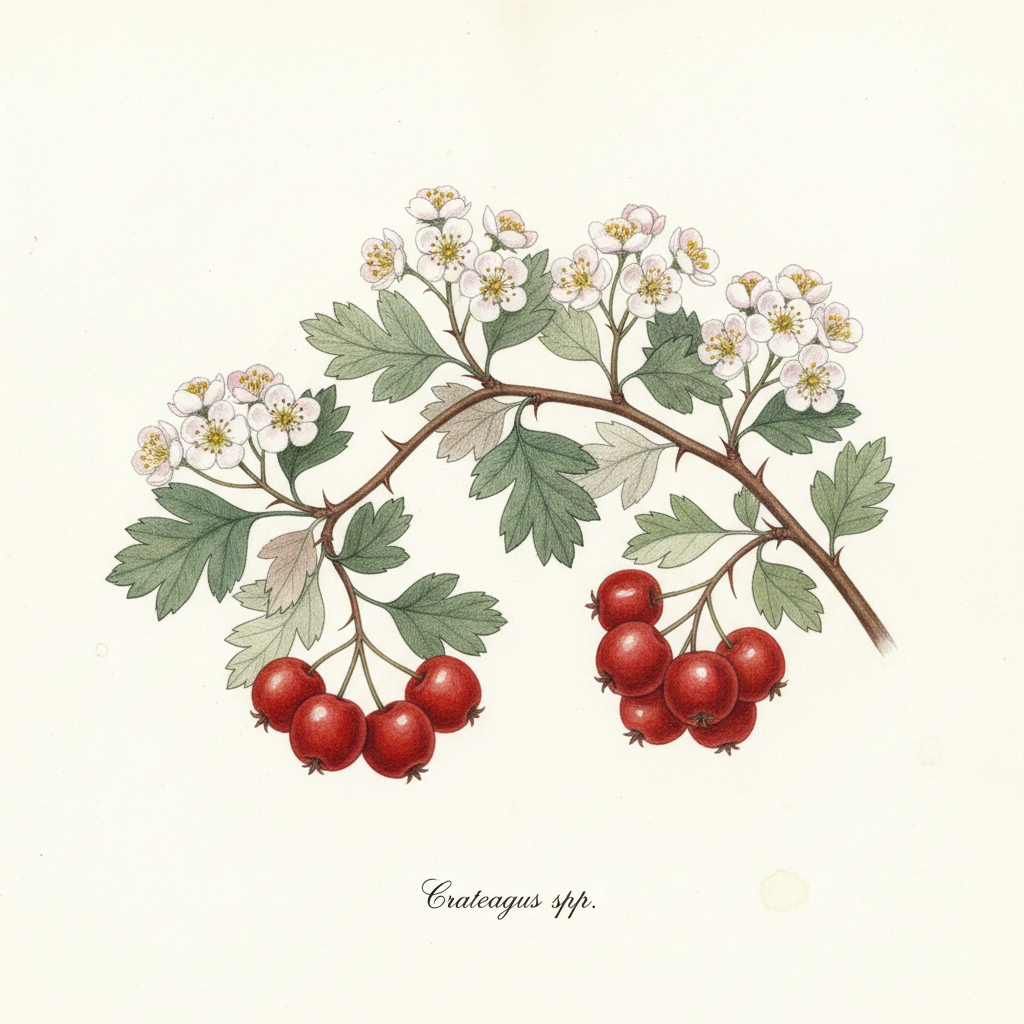
Hawthorn

Hawthorn

Crataegus spp

Cardiovascular Health
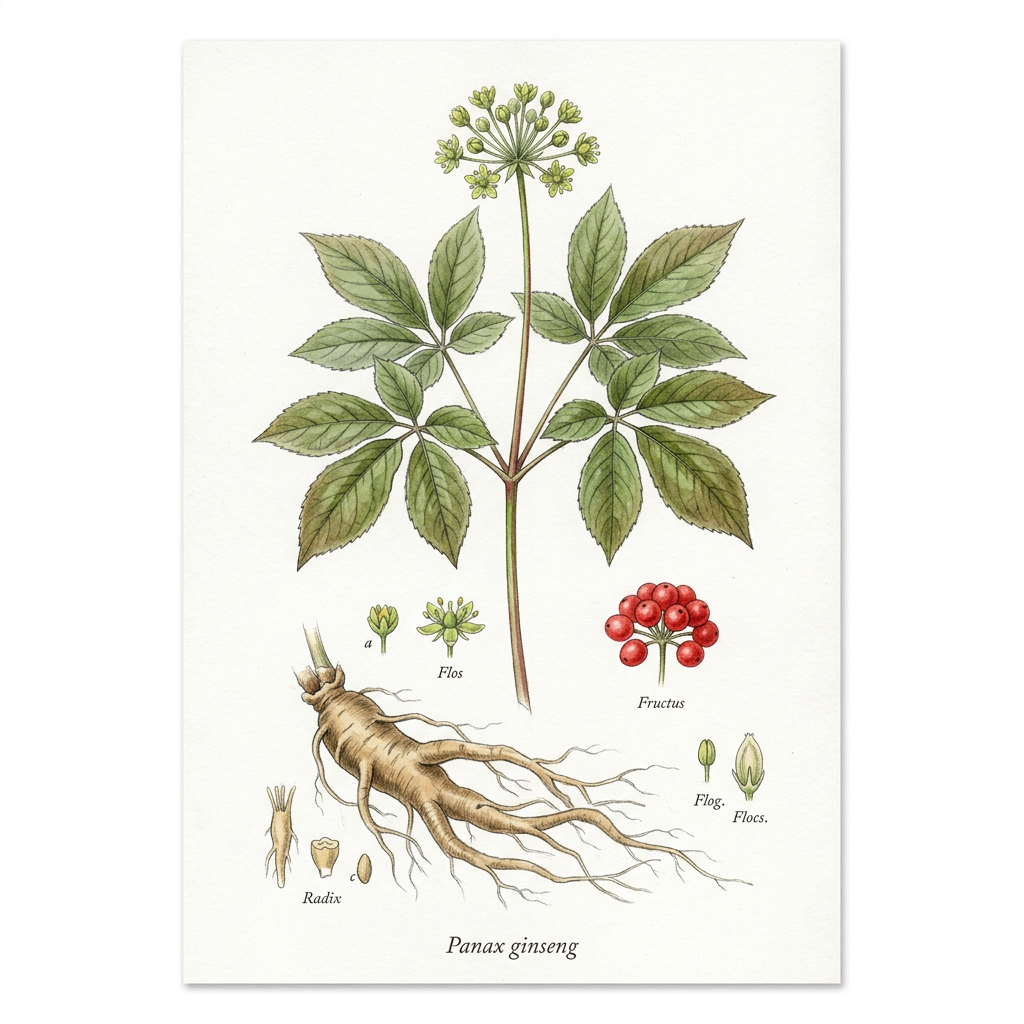
Panax ginseng

Panax ginseng

Panax ginseng

Energy Booster
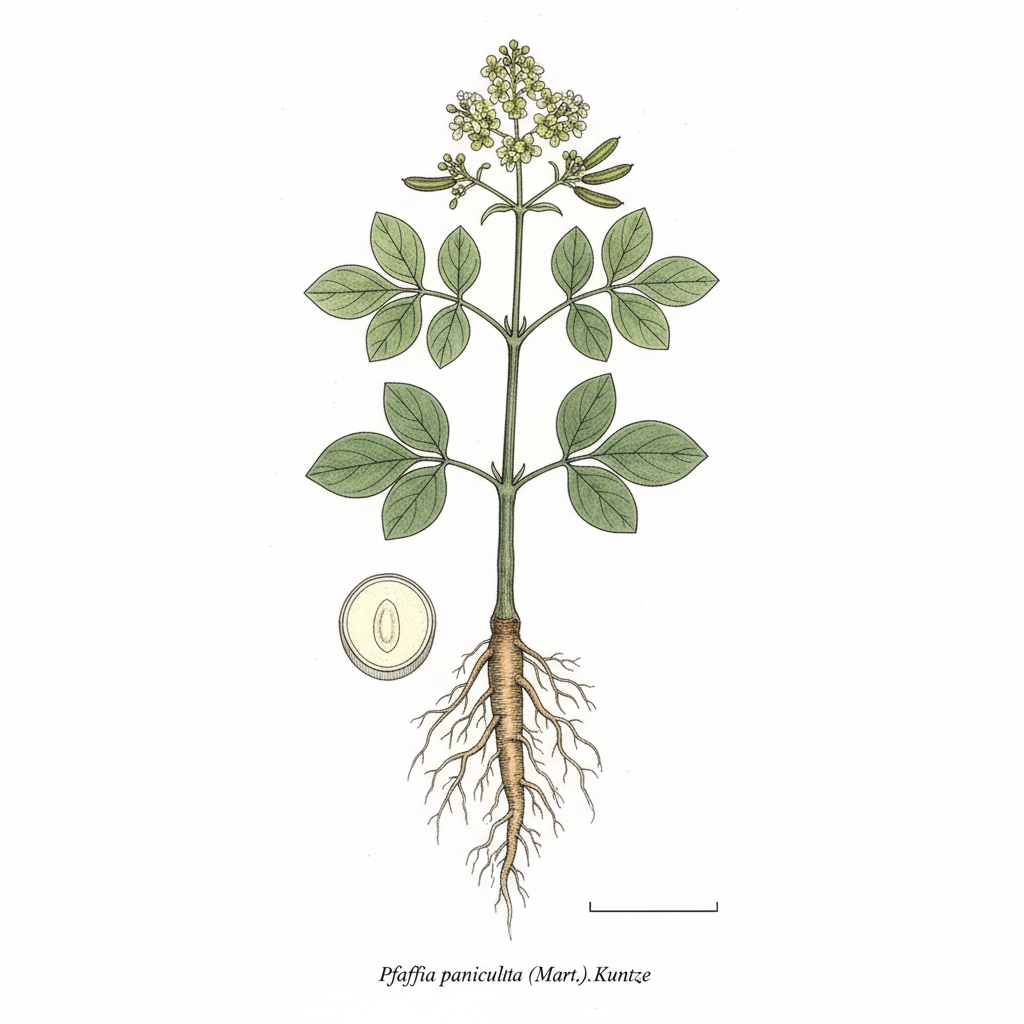
Brazillian ginseng

Brazillian ginseng

Pfaffia paniculata

Adaptation to Stress