The Wild Sage logo
The Wild Sage Logo

Herbal Medicine at your fingertips

Comprehensive database of herbal remedies with detailed safety information and traditional uses

New to herbal terms? Read the glossary →
ADHD
Abcess
Acid Reflux Relief
Acinetobacter
Acne
Acne Vulgaris
Addisons
Adenomyosis
Adenovirus
Adrenal fatigue
Aging
Aids
Alcaligenes faecalis
Alcoholism
Allergic Rhinitis
Allergies
Allergy
Alopoecia
Alopoecia nervosa
Alzheimer's, Dementia & Cognitive Decline
420 herbs found
Important: This information is for educational purposes only. Always consult with qualified healthcare professionals before using herbal remedies, especially if you have existing health conditions or take medications.
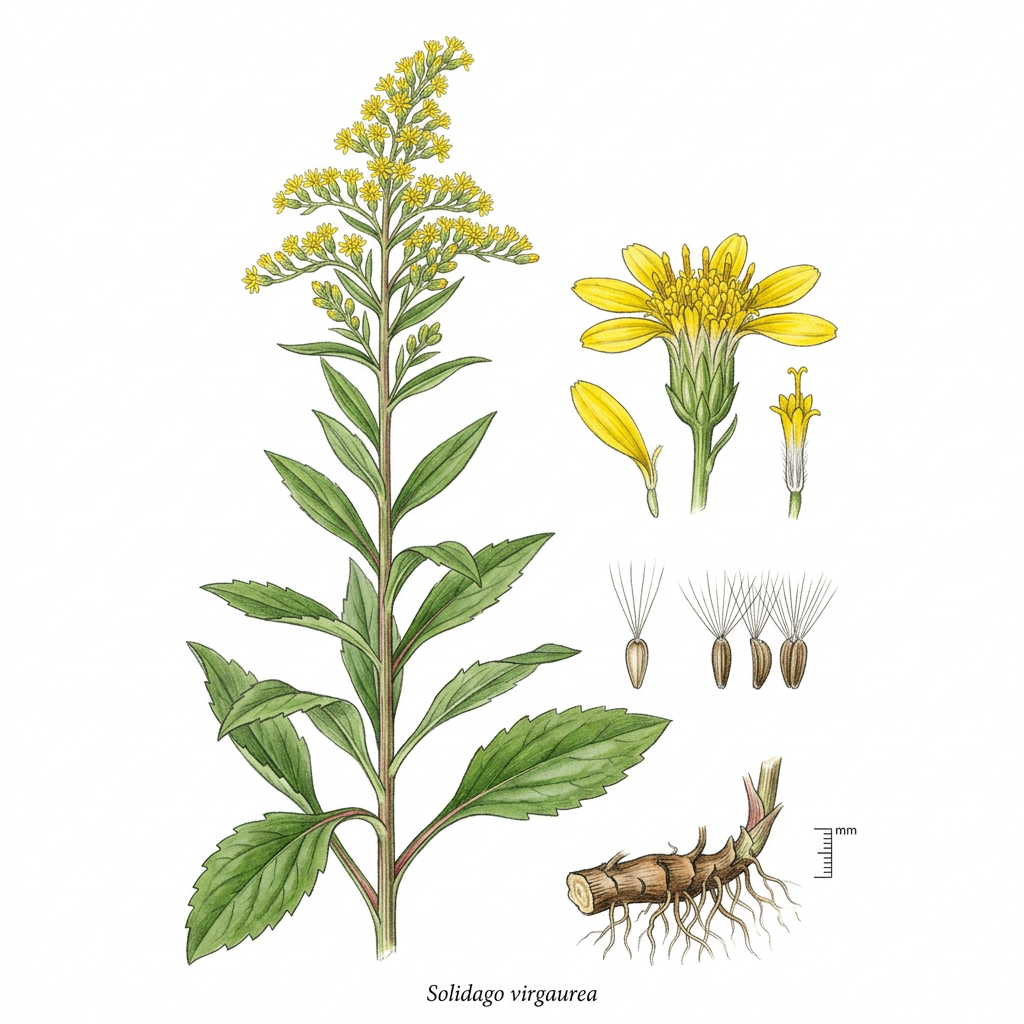
Goldenrod

Goldenrod

Solidago virgaurea

moderate risk Risk
Asteraceae
Cold, Moist, BItter
<p>Coltsfoot, scientifically known as **Solidago virgaurea**, is a perennial herb belonging to the Asteraceae family, primarily found in Europe and parts of Asia. Historically, this herb has been revered for its medicinal properties, used extensively in traditional folk medicine to alleviate respiratory ailments since ancient times. The leaves, known for their broad, heart-shaped appearance, have been harvested and prepared in various forms—including teas, syrups, and tinctures—to soothe coughs, ease sore throats, and promote respiratory health. In medieval Europe, coltsfoot was often recommended for everything from bronchitis to asthma, highlighting its longstanding role in herbal remedies. The therapeutic benefits of coltsfoot stem from its rich composition, notably its anti-inflammatory, expectorant, and demulcent properties. Preliminary studies suggest that coltsfoot may contain compounds that help reduce inflammation within the respiratory tract, making it an effective natural remedy for soothing irritation caused by coughs and throat discomfort. Additionally, coltsfoot’s mucilaginous qualities provide a protective layer over mucous membranes, further alleviating soreness and promoting healing. While it has been widely used to address coughs, bronchial irritations, and other respiratory issues, caution is advised due to the presence of pyrrolizidine alkaloids (PAs) in the plant, which can pose liver toxicity risks when consumed in large amounts or over extended periods. The mechanism through which coltsfoot exerts its beneficial effects involves multiple pathways. The anti-inflammatory properties are thought to arise from its ability to inhibit the production of inflammatory mediators, thus reducing irritation in the airways and facilitating easier breathing. The expectorant action encourages the mobilization of mucus in the respiratory tract, helping to clear congestion and relieve coughing. This synergistic effect not only aids in the relief of acute symptoms but also supports overall respiratory function. As always, it is advisable to consult with a healthcare professional before using coltsfoot, especially for individuals with preexisting liver conditions or those who are pregnant, ensuring that the use of this potent herb is both safe and effective.</p>

Uses & Conditions

Kidney Health Support
Respiratory Catarrhal States
Nasopharyngeal Catarrhal States
Chronic Kidney Disease
Inflammatory Conditions
Arthritis
Bladder Stones
Calculi
Catarrhal Deafness

Actions

Anti-inflammatory
NFkB Inhibitor
TNF-a Reduction
IL-1b Inhibition

Parts Used

Aerial parts

Native Countries

United States
Canada
Mexico
Europe
Asia

USDA Hardiness Zones

3
4
5
6
7
8

Contraindications

  • Pregnancy: avoid due to lack of safety data regarding uterine stimulant effects
  • Breastfeeding: avoid due to the presence of secondary metabolites and lack of safety trials
  • Oedema: do not use where fluid retention is caused by impaired cardiac or renal function without medical supervision
  • Asteraceae allergy: avoid if there is a known sensitivity to the daisy or ragweed family
  • Chronic renal failure: avoid use

Potential Side Effects

  • Mild gastrointestinal discomfort
  • Allergic contact dermatitis in sensitive individuals
  • Rare reports of skin rash upon ingestion

Interactions

  • Diuretics: may have an additive effect, potentially increasing potassium loss
  • Antihypertensive medication: use with caution as Goldenrod may influence blood pressure management
  • Lithium: potentially decreases the excretion of lithium, increasing the risk of toxicity

Dosages, tincture ratios & research — members only

Unlock Garreth's dosing guidance, tincture ratios, the dosage calculator and the research studies for Goldenrod.

Your assessment and results stay saved — upgrading only unlocks more of them.

See membership plans

Community Photos

No community photos yet. Sign in to upload photos.

Reviews & Ratings

Sign in to leave a review.

No reviews yet. Be the first!

GF

Garreth Falls — B.Th., Dip. H.M., MNIMH

Content curated and reviewed by Garreth Falls, Consultant Medical Herbalist · The Wild Sage

Medical Disclaimer: This information is for educational purposes only and is not intended as medical advice. Always consult with qualified healthcare professionals before starting any herbal treatment.
Western tradition

Sustainability & quality

Abundant

Reliable native species. Always confirm species authenticity to ensure you have S. virgaurea and not a hybrid.

Key constituents

Saponins, Tannins, flavonoids, Volatile Oils, Phenolic compounds, Glycosides

References

  1. ESCOP Monographs 2nd ed. 2003
  2. British Herbal Pharmacopoeia 1983
  3. Herbal Reality. Herb monographs. herbalreality.com

Reviewed by Garreth, Medical Herbalist (MNIMH) · November 2026

Related conditions

Explore conditions where Goldenrod is traditionally used.

Related Herbs
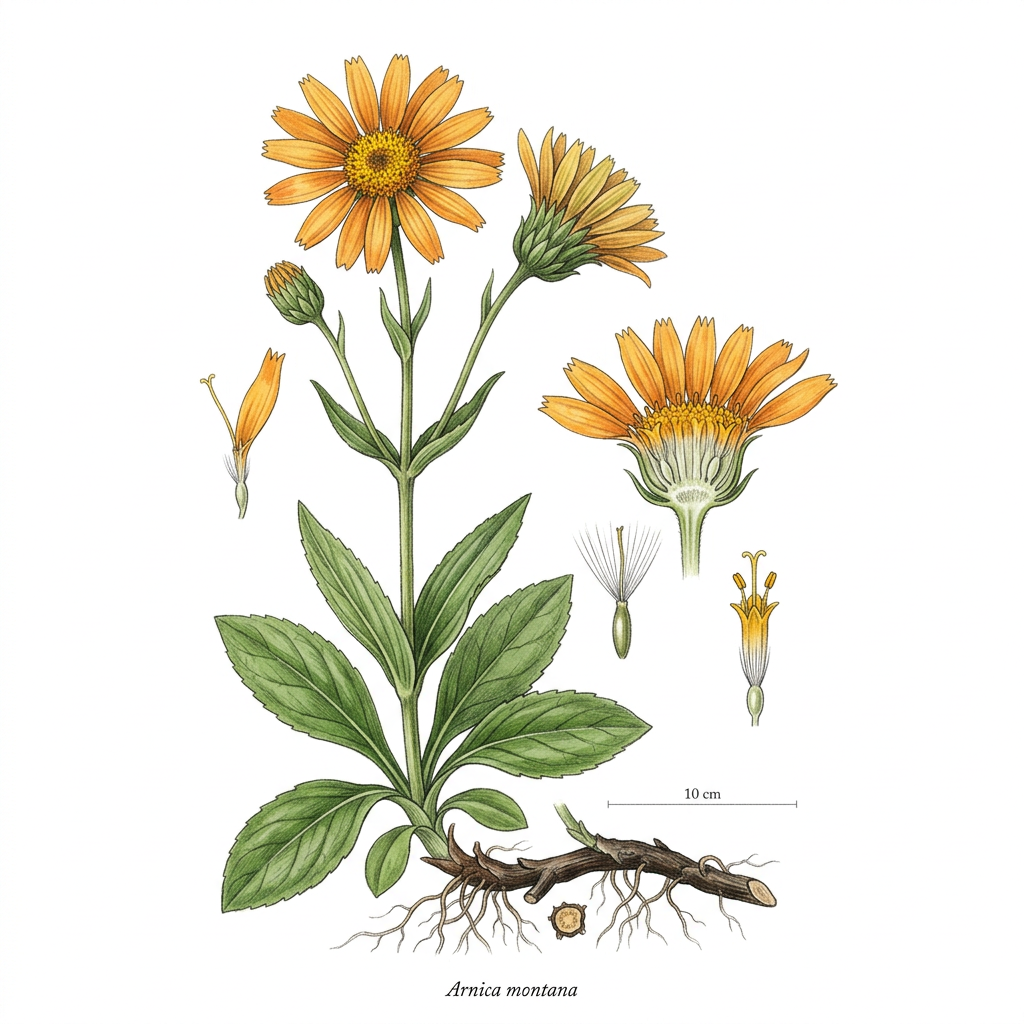
Arnica

Arnica

Arnica montana

Tissue Repair
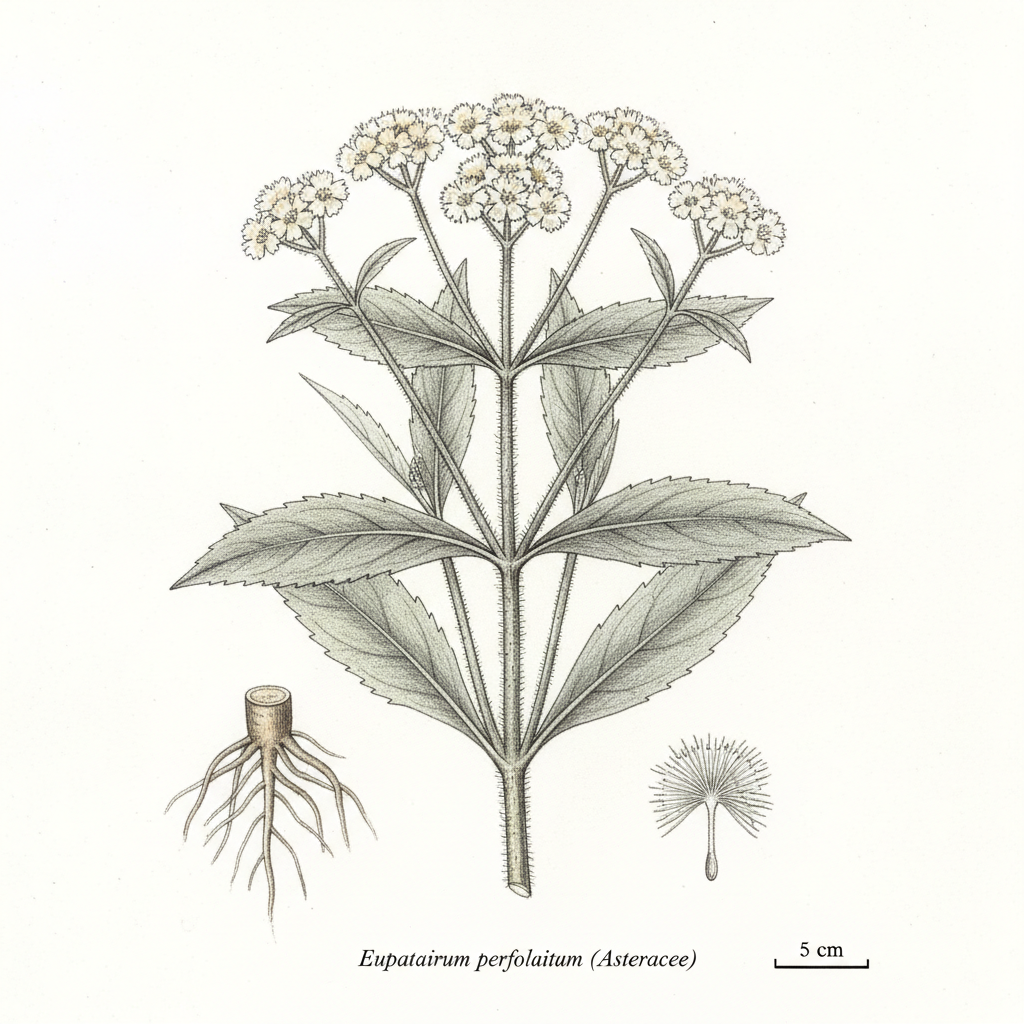
Boneset

Boneset

Eupatorium perfoliatum

Seasonal Sickness Support
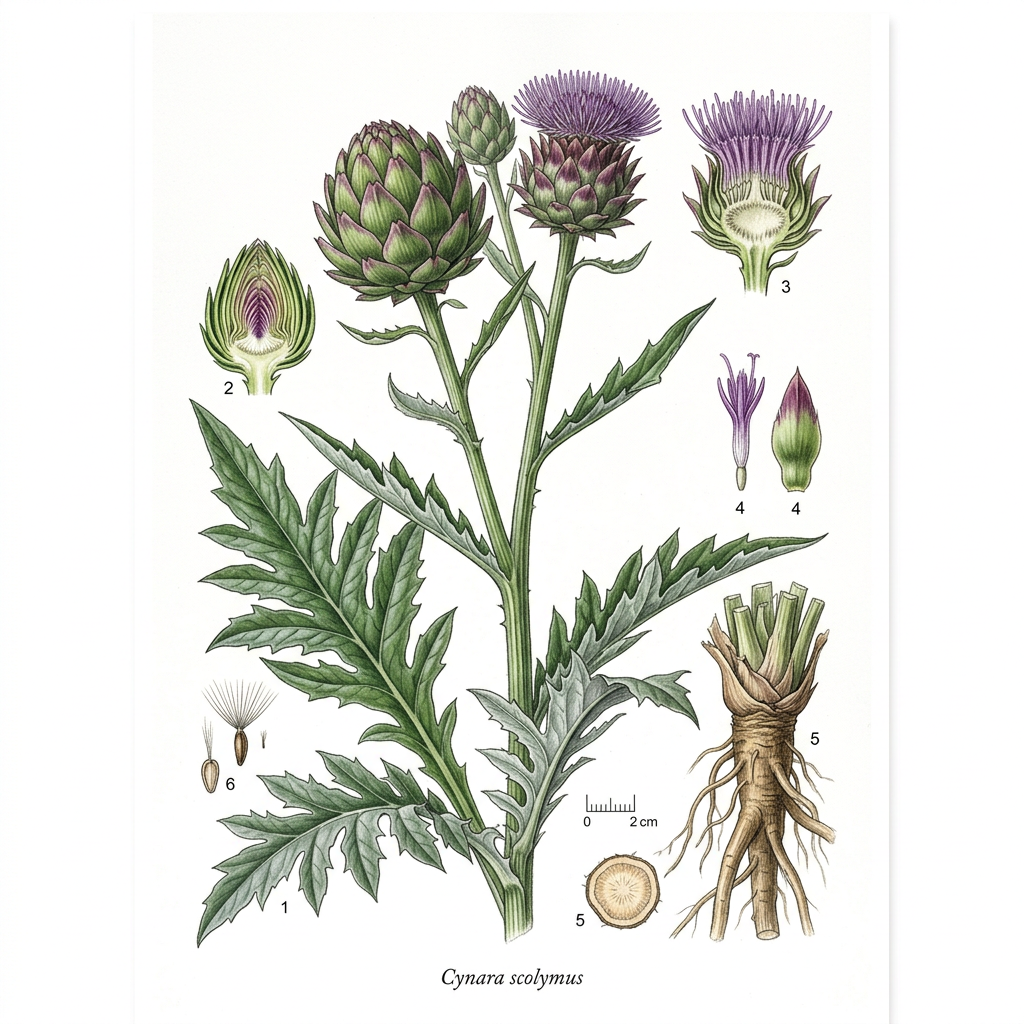
Artichoke

Artichoke

Cynara scolymus

Liver Support
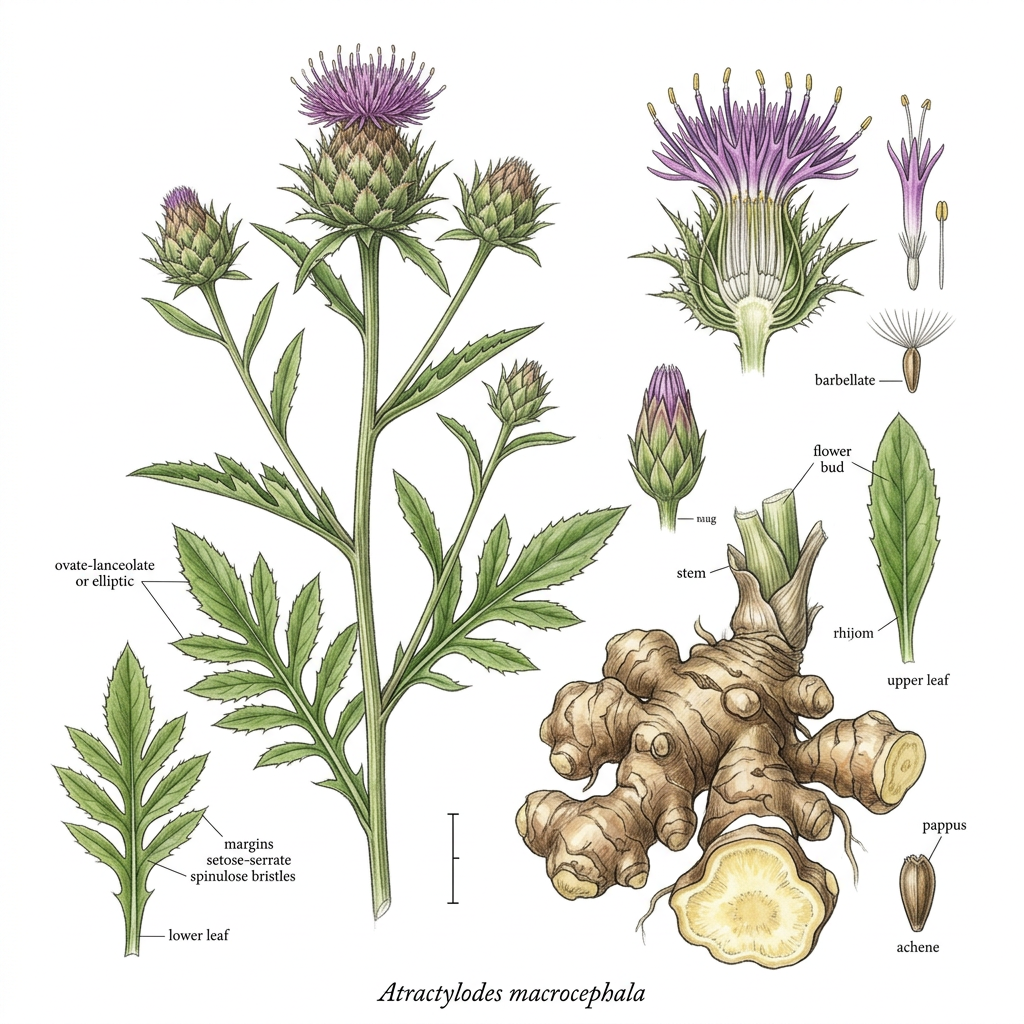
Atractylodes macrocephala

Atractylodes macrocephala

Atractylodes macrocephala

Digestive Tonic