The Wild Sage logo
The Wild Sage Logo

Herbal Medicine at your fingertips

Comprehensive database of herbal remedies with detailed safety information and traditional uses

New to herbal terms? Read the glossary →
ADHD
Abcess
Acid Reflux Relief
Acinetobacter
Acne
Acne Vulgaris
Addisons
Adenomyosis
Adenovirus
Adrenal fatigue
Aging
Aids
Alcaligenes faecalis
Alcoholism
Allergic Rhinitis
Allergies
Allergy
Alopoecia
Alopoecia nervosa
Alzheimer's, Dementia & Cognitive Decline
420 herbs found
Important: This information is for educational purposes only. Always consult with qualified healthcare professionals before using herbal remedies, especially if you have existing health conditions or take medications.
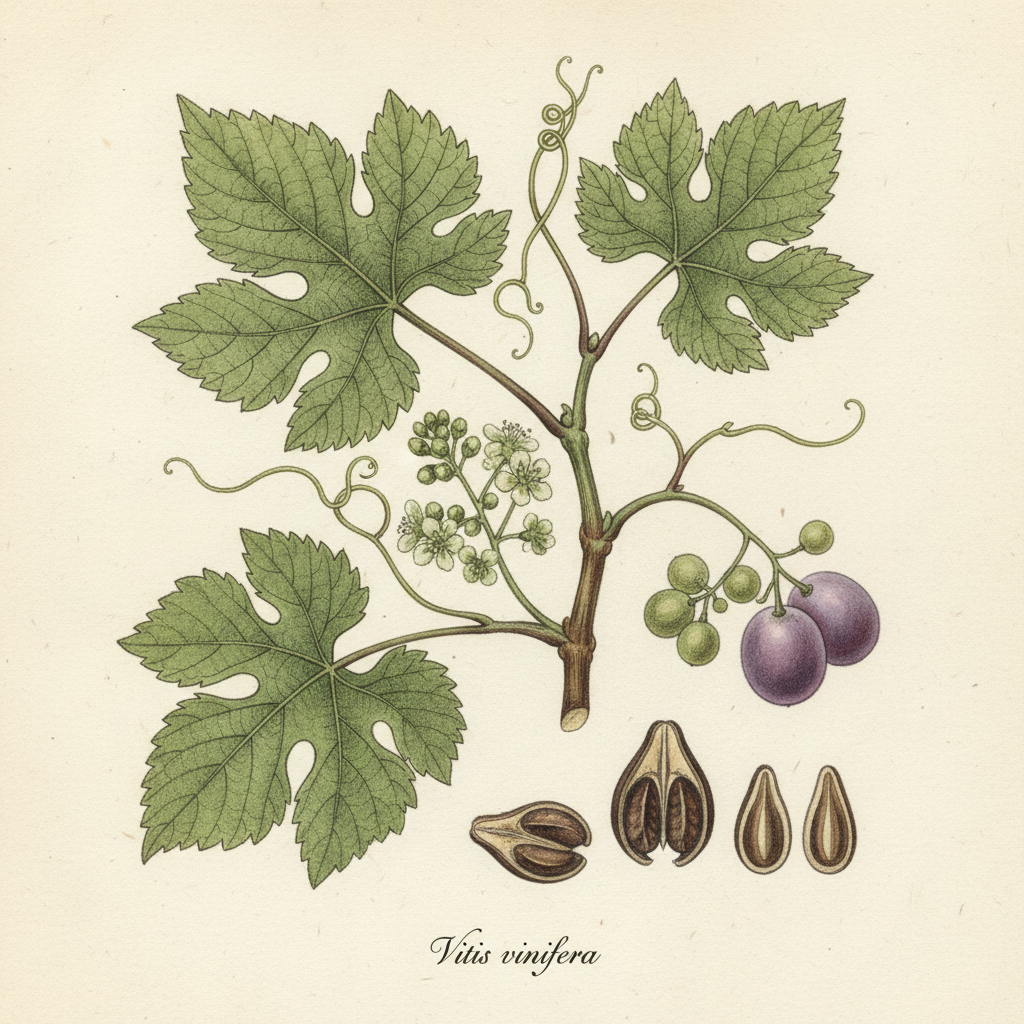
Grape Seed

Grape Seed

Vitis vinifera

low risk Risk
Vitaceae
<p>Grape seed, derived from the seeds of the Vitis vinifera plant—most commonly known as the grapevine—has been revered for centuries due to its impressive health benefits and therapeutic properties. Traditionally utilized by ancient civilizations such as the Egyptians and Greeks, grape seeds have found their place in herbal and folk medicine as a remedy for a variety of ailments. Beyond their culinary use in winemaking and as a snack, grape seeds have been celebrated for their rich content of polyphenols, particularly oligomeric proanthocyanidin complexes (OPCs), which are powerful antioxidants known to combat oxidative stress and promote overall health. The primary therapeutic properties of grape seed extract are anchored in its robust antioxidant capabilities, which are essential for the maintenance of cardiovascular health. Studies have shown that grape seed extract can help lower blood pressure, improve blood circulation, and enhance endothelial function—crucial factors in reducing the risk of heart disease. Furthermore, its anti-inflammatory properties contribute to the protection of blood vessels and promote better circulation. Beyond cardiovascular support, grape seeds are also noted for their potential to improve skin health, enhance cognitive function, and support immune response, rendering them a versatile addition to any wellness regimen. At the biochemical level, grape seed extract works by neutralizing free radicals, thereby preventing cellular damage and contributing to the reduction of chronic disease risk. Its active compounds, particularly the aforementioned OPCs, play a vital role in maintaining vascular integrity and promoting blood vessel flexibility. By inhibiting enzymes that contribute to inflammation and promoting the release of nitric oxide—which aids in vasodilation, or the widening of blood vessels—grape seed extract enhances circulation and overall cardiovascular function. Through these mechanisms, grape seed serves not just as a potent antioxidant, but as a holistic ally in the quest for optimal health and vitality.</p>

Uses & Conditions

Circulation
Connective Tissue Support
Skin Health
ADHD
Allergy
Alzheimer's
Asthma
Atherosclerosis
Bowel Flora Imbalance
Candida
Cardiac Insufficiency
Cataracts
Cellulitis
Chloasma
Diarrhoea
Dysmenorrhoea
Ehlers-Danlos Syndrome
Emphysema
Epistaxis
Myeloma

Actions

Antioxidant
Cardiovascular Support
NFkB Inhibitor

Parts Used

seed

Native Countries

Mediterranean
Southern Europe
Western Asia
North Africa

USDA Hardiness Zones

5
6
7
8
9

Contraindications

  • Pregnancy and breastfeeding
  • Pre-surgery: discontinue at least two weeks before elective procedures
  • Bleeding disorders such as haemophilia
  • Known hypersensitivity to Vitis vinifera

Potential Side Effects

  • Mild gastrointestinal disturbance
  • Headache
  • Dizziness
  • Skin rash
  • Allergic contact dermatitis

Interactions

  • Anticoagulant and antiplatelet drugs
  • NSAIDs such as aspirin or ibuprofen
  • CYP450 enzyme substrates
  • Chemotherapy agents

Dosages, tincture ratios & research — members only

Unlock Garreth's dosing guidance, tincture ratios, the dosage calculator and the research studies for Grape Seed.

Your assessment and results stay saved — upgrading only unlocks more of them.

See membership plans

Community Photos

No community photos yet. Sign in to upload photos.

Reviews & Ratings

Sign in to leave a review.

No reviews yet. Be the first!

GF

Garreth Falls — B.Th., Dip. H.M., MNIMH

Content curated and reviewed by Garreth Falls, Consultant Medical Herbalist · The Wild Sage

Medical Disclaimer: This information is for educational purposes only and is not intended as medical advice. Always consult with qualified healthcare professionals before starting any herbal treatment.
Western tradition

Sustainability & quality

Abundant

Obtained as a byproduct of the wine industry. Ensure sources verify the lack of pesticide residues often associated with conventional viticulture.

Key constituents

Oligomeric Proanthocyanidin Complexes (OPCs), Epicatechin, Catechin, Gallic acid, Resveratrol, Flavonoids, Linoleic acid

References

  1. EMA/HMPC Community Herbal Monograph
  2. Herbal Reality. Herb monographs. herbalreality.com

Reviewed by Garreth, Medical Herbalist (MNIMH) · November 2026

Related conditions

Explore conditions where Grape Seed is traditionally used.

Related Herbs
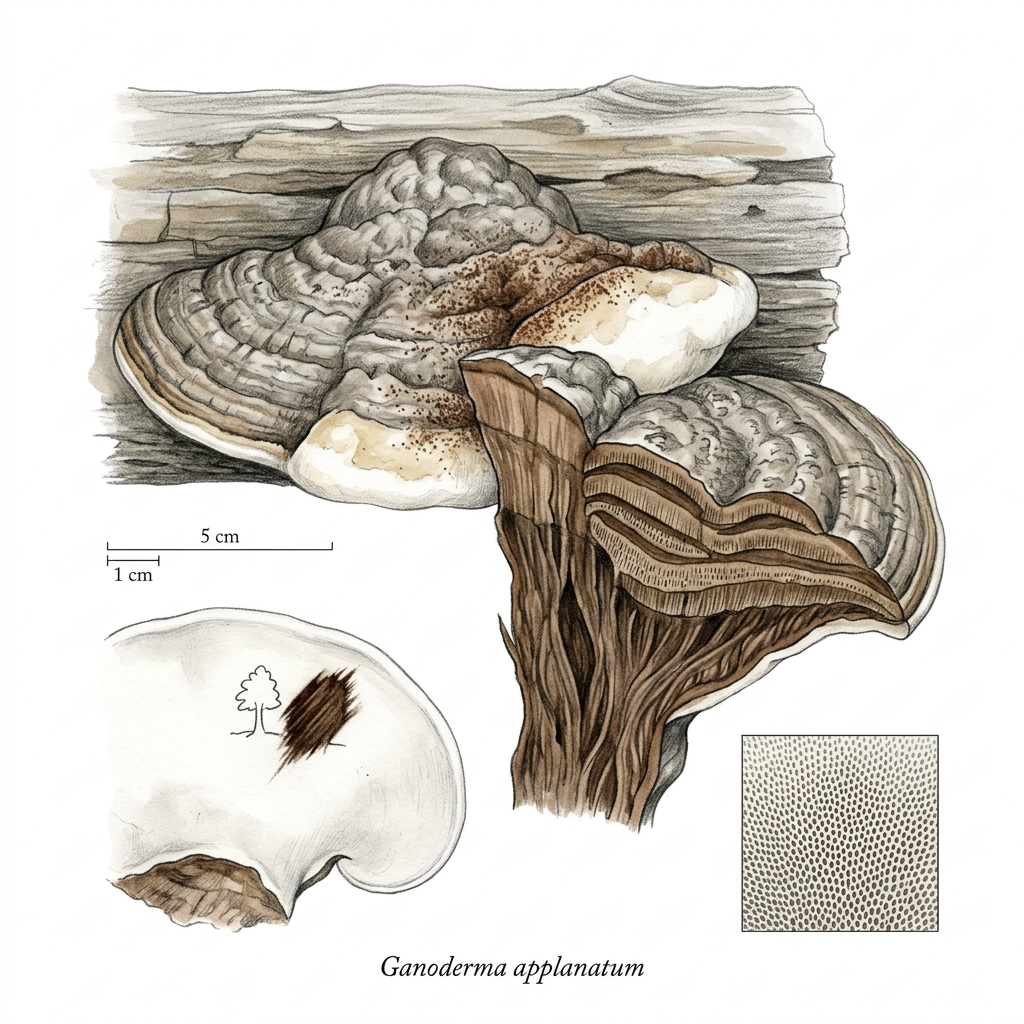
Artist's Conk

Artist's Conk

Ganoderma applanatum

Immune Support
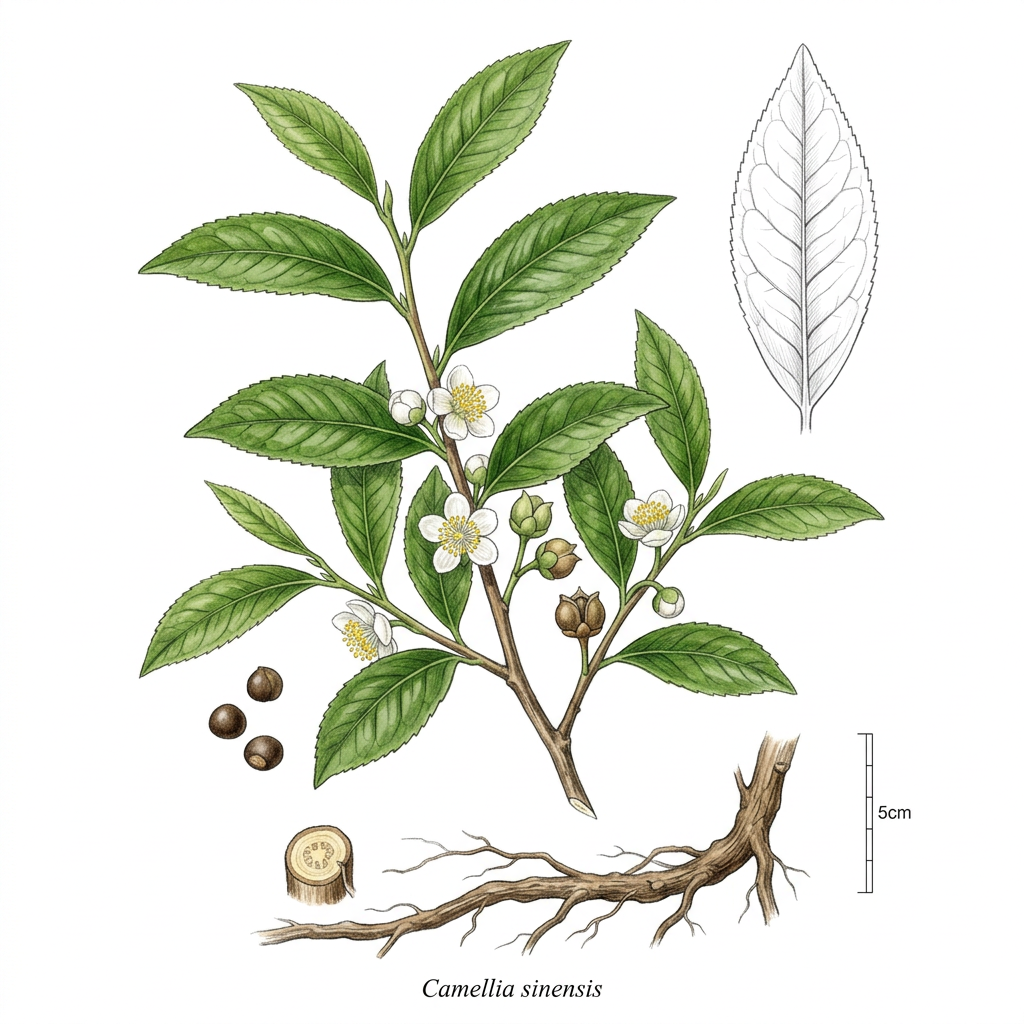
Green Tea

Green Tea

Camellia sinensis

Hypertension
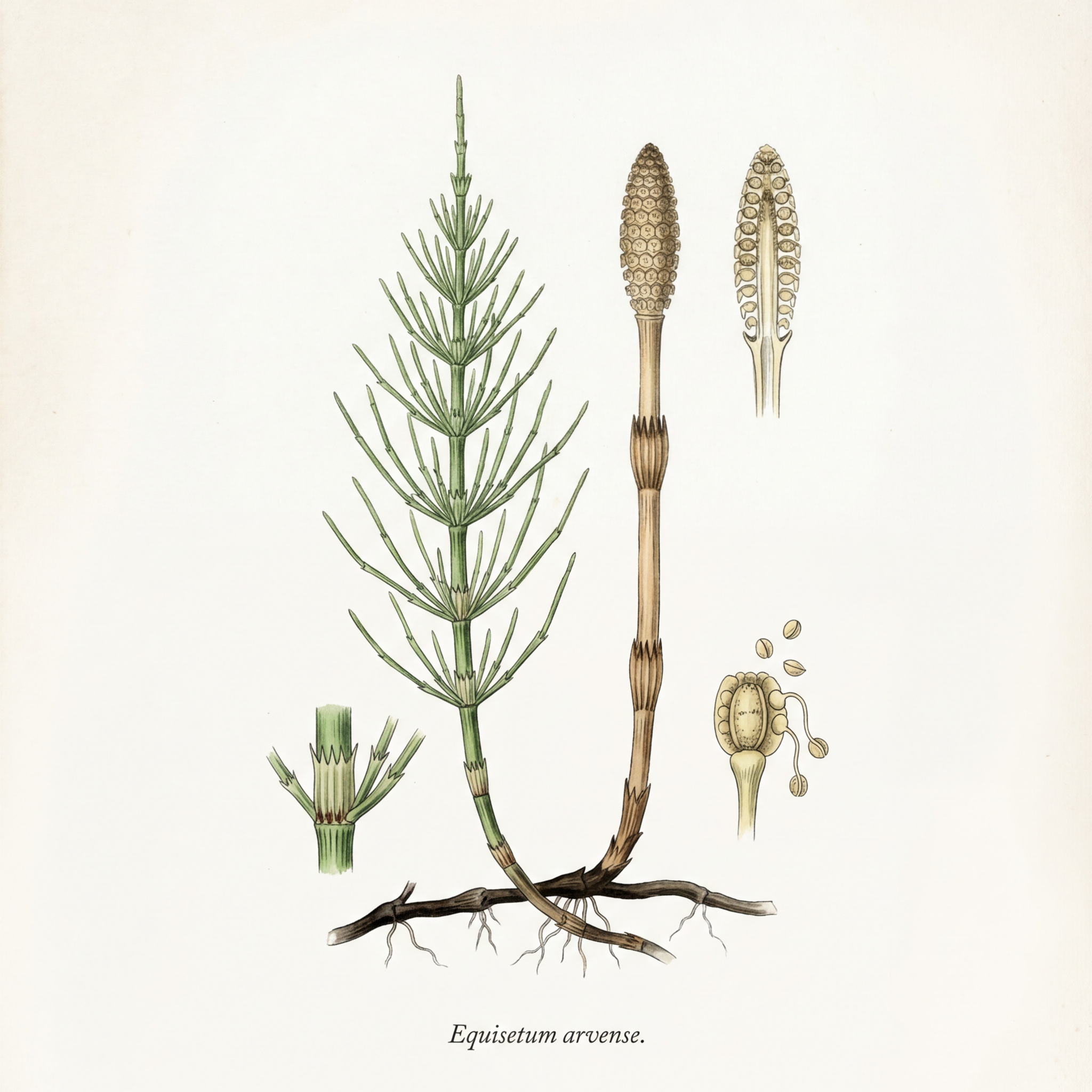
Horsetail

Horsetail

Equisetum arvense

Connective tissue support
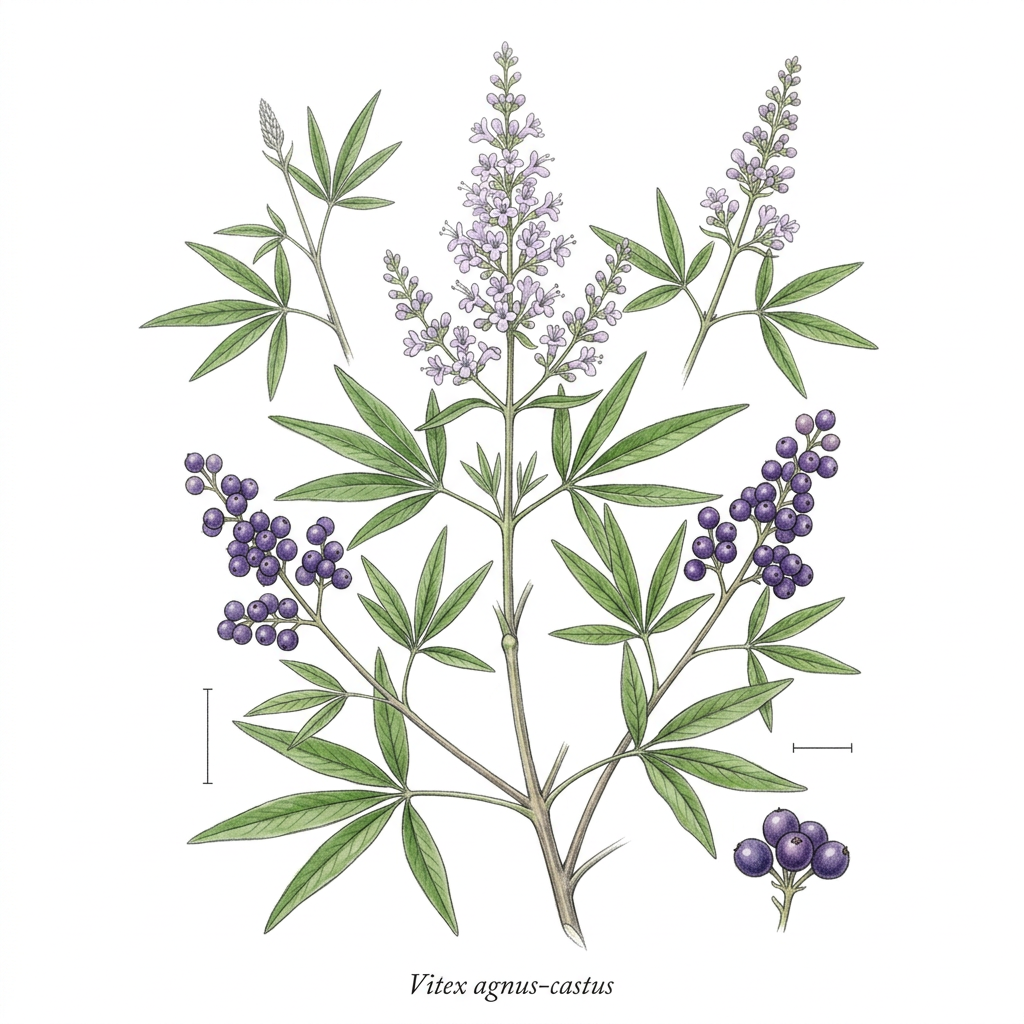
Chaste Tree

Chaste Tree

Vitex agnus-castus

Hormonal Balance