The Wild Sage logo
The Wild Sage Logo

Herbal Medicine at your fingertips

Comprehensive database of herbal remedies with detailed safety information and traditional uses

New to herbal terms? Read the glossary →
ADHD
Abcess
Acid Reflux Relief
Acinetobacter
Acne
Acne Vulgaris
Addisons
Adenomyosis
Adenovirus
Adrenal fatigue
Aging
Aids
Alcaligenes faecalis
Alcoholism
Allergic Rhinitis
Allergies
Allergy
Alopoecia
Alopoecia nervosa
Alzheimer's, Dementia & Cognitive Decline
420 herbs found
Important: This information is for educational purposes only. Always consult with qualified healthcare professionals before using herbal remedies, especially if you have existing health conditions or take medications.
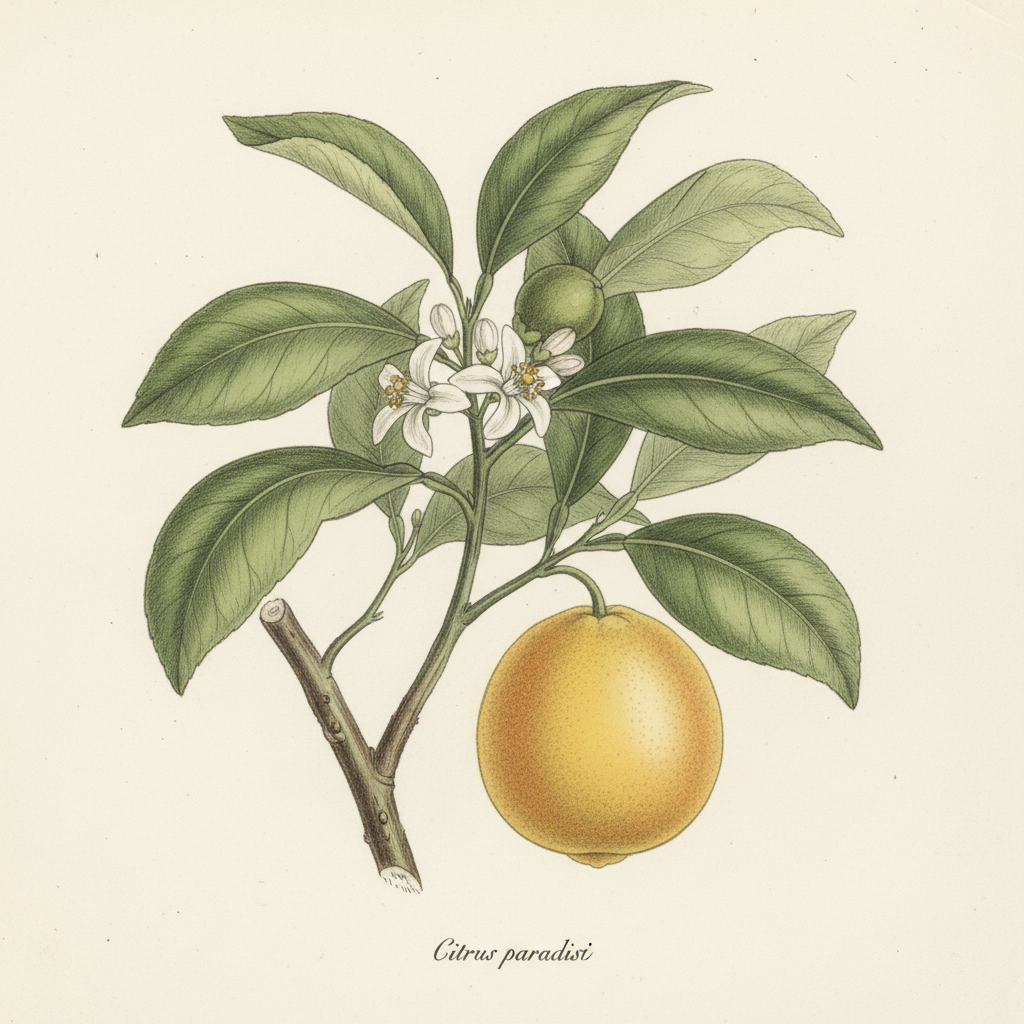
Grapefruit

Grapefruit

Citrus paradisi

high risk Risk
Rutaceae
cooling bitter
<p>Grapefruit (Citrus paradisi) is a subtropical citrus hybrid that belongs to the Rutaceae family, renowned for its tangy flavor and refreshing aroma. Originally cultivated in the Caribbean during the 18th century, it is believed to be a cross between the pomelo (Citrus maxima) and the sweet orange (Citrus sinensis). Traditionally used in the culinary arts, grapefruit has also played a significant role in folk medicine, where its juice and extracts have been employed for their supposed health benefits, including digestion support and immune system enhancement. Across various cultures, grapefruits have been celebrated not just for their delightful taste but also their potential therapeutic properties, with some early proponents advocating for their use in diets for weight management. Grapefruit boasts a robust profile of therapeutic properties widely attributed to its rich composition of antioxidants, vitamins, and phytochemicals, including flavonoids like naringenin and limonin. As an antioxidant, grapefruit helps combat oxidative stress in the body, potentially reducing the risk of chronic diseases. Its qualities as an anti-obesity agent have garnered particular attention; studies suggest that grapefruit can play a role in weight management by enhancing the body’s metabolism and promoting fat oxidation. Additionally, the fruit is famed for its appetite-stimulating properties, which can be beneficial for individuals seeking to recover their appetite during illness or weight loss recovery phases. The mechanisms by which grapefruit exerts its health benefits are multifaceted. The high concentration of vitamin C and various phytonutrients enhances immune health and may contribute to cardiovascular wellness by improving lipid profiles and reducing inflammation. Grapefruit is also known to interact with certain enzymes involved in drug metabolism, particularly cytochrome P450 enzymes, which can influence how medications are processed in the body. This characteristic, while beneficial in some contexts, necessitates caution, as it can lead to altered drug efficacy or heightened side effects if one is under medication. Overall, grapefruit stands out not only as a delicious and refreshing fruit but also as a remarkable herb with diverse health-promoting properties.</p>

Uses & Conditions

Appetite Stimulation
Digestive Support
Immune System Enhancement
Cardiovascular Wellness
Metabolism Enhancement
Nutrient Absorption Improvement
Obesity
Dementia
Alzheimer's Disease

Actions

Antioxidant
Anti-obesity
Appetite Stimulant

Parts Used

Fruit pulp and juice
Peel (exocarp)
Essential oil extracted from the peel

Native Countries

Barbados
Jamaica
United States
Mexico
Trinidad and Tobago

USDA Hardiness Zones

9
10
11

Contraindications

  • Individuals taking prescription medications metabolised by CYP3A4 enzymes
  • Pregnancy and breastfeeding unless under the supervision of a qualified medical practitioner
  • History of severe gastro-oesophageal reflux disease (GORD)
  • Known allergy or sensitivity to the Rutaceae family
  • Pre-existing dental enamel erosion

Potential Side Effects

  • Increased risk of dental enamel erosion
  • Gastrointestinal discomfort or heartburn
  • Photosensitivity when applying essential oil topically to skin exposed to sunlight

Interactions

  • Statins (e.g., simvastatin, atorvastatin): potential for increased blood levels and toxicity due to CYP3A4 inhibition
  • Calcium channel blockers (e.g., nifedipine, felodipine): risk of excessive hypotension
  • Immunosuppressants (e.g., cyclosporine): risk of unpredictable plasma concentrations
  • Benzodiazepines (e.g., diazepam): potential for increased sedation and impaired metabolism
  • Anti-arrhythmic drugs (e.g., amiodarone): risk of elevated serum levels

Dosages, tincture ratios & research — members only

Unlock Garreth's dosing guidance, tincture ratios, the dosage calculator and the research studies for Grapefruit.

Your assessment and results stay saved — upgrading only unlocks more of them.

See membership plans

Community Photos

No community photos yet. Sign in to upload photos.

Reviews & Ratings

Sign in to leave a review.

No reviews yet. Be the first!

GF

Garreth Falls — B.Th., Dip. H.M., MNIMH

Content curated and reviewed by Garreth Falls, Consultant Medical Herbalist · The Wild Sage

Medical Disclaimer: This information is for educational purposes only and is not intended as medical advice. Always consult with qualified healthcare professionals before starting any herbal treatment.
Western tradition

Sustainability & quality

Cultivated

Standard fruit crop; prefer organic to ensure essential oil in the rind is clean.

Key constituents

Grapefruit extract, Citrus flavonoids, Grapefruit bioflavonoids, Vitamins

References

  1. Mills & Bone "The Essential Guide to Herbal Safety" 2005
  2. Herbal Reality. Herb monographs. herbalreality.com

Reviewed by Garreth, Medical Herbalist (MNIMH) · November 2026

Related conditions

Explore conditions where Grapefruit is traditionally used.

Related Herbs
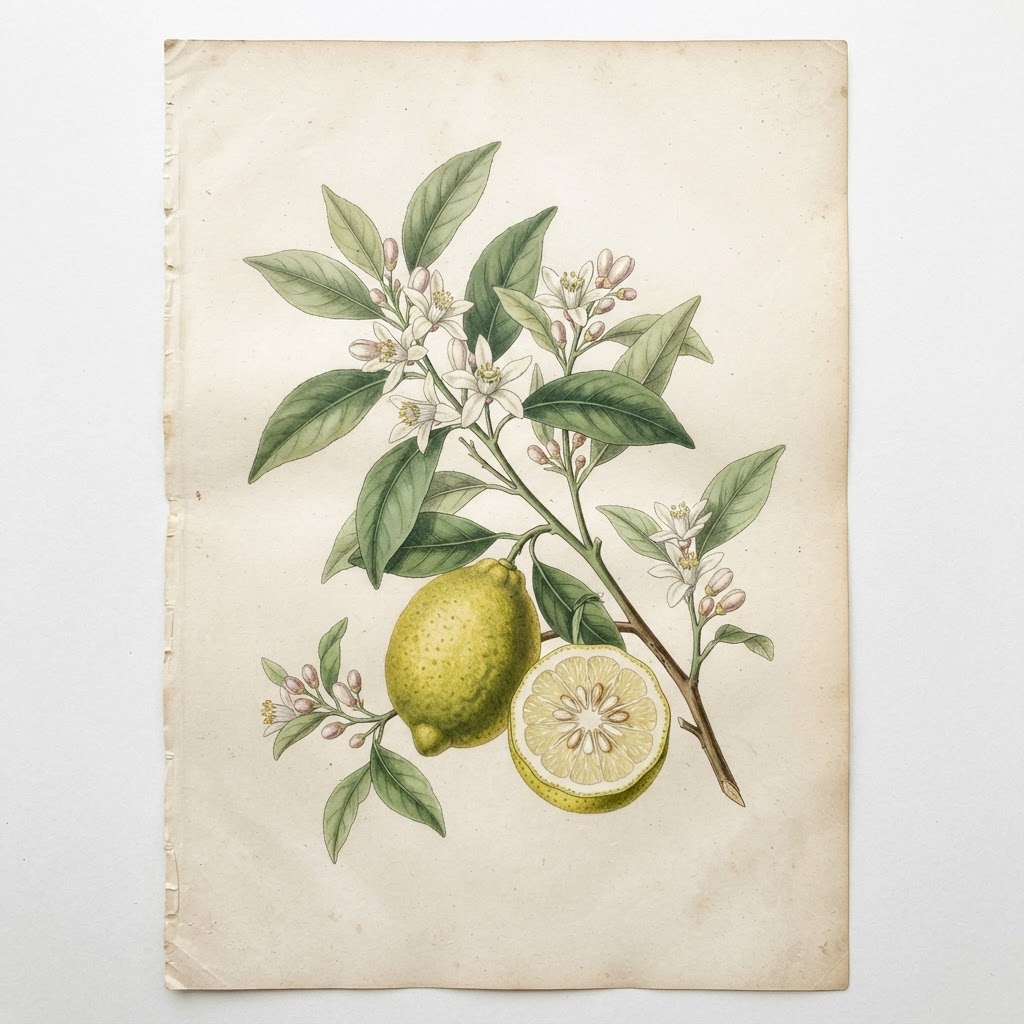
Bergamot

Bergamot

Citrus bergamia

Emotional Wellbeing
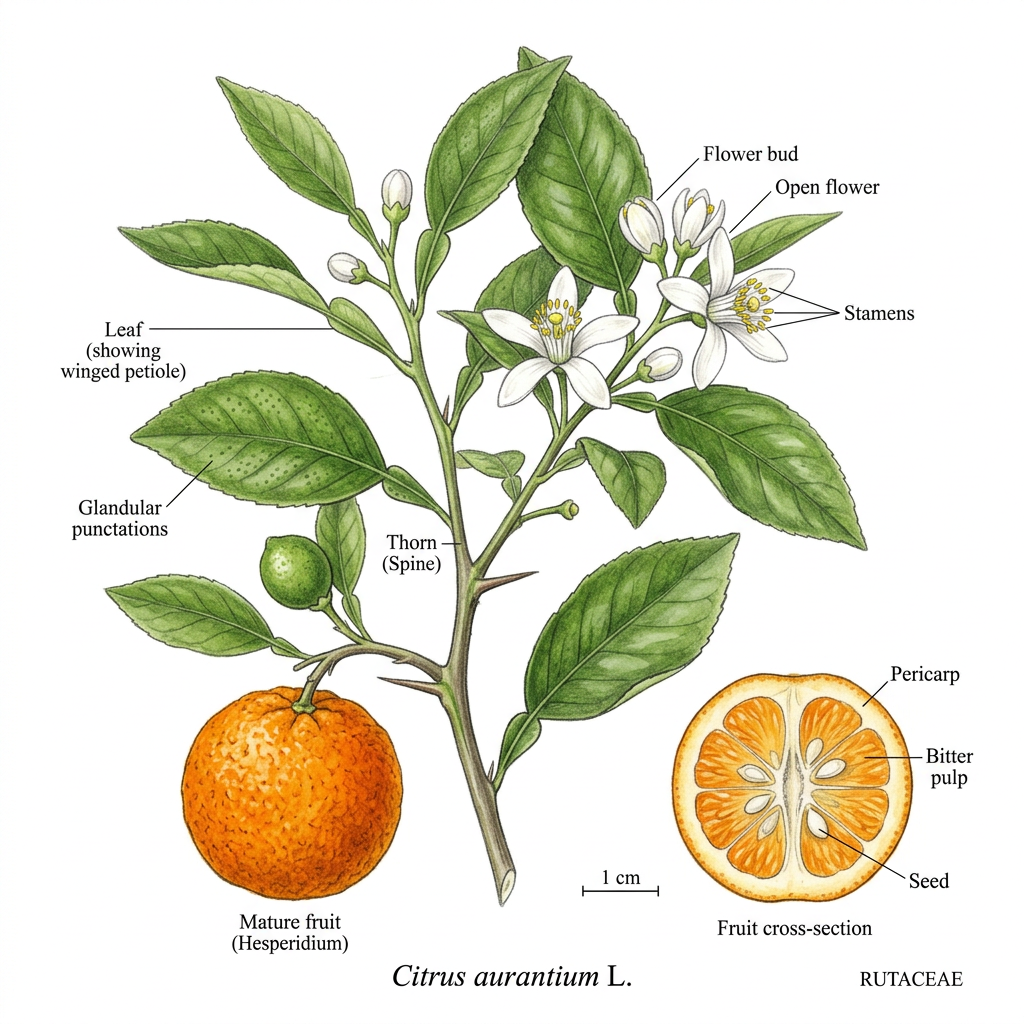
Bitter Orange

Bitter Orange

Citrus aurantium

Digestive Health
Blackberry

Blackberry

Rubus fruticosus

Cardiovascular support
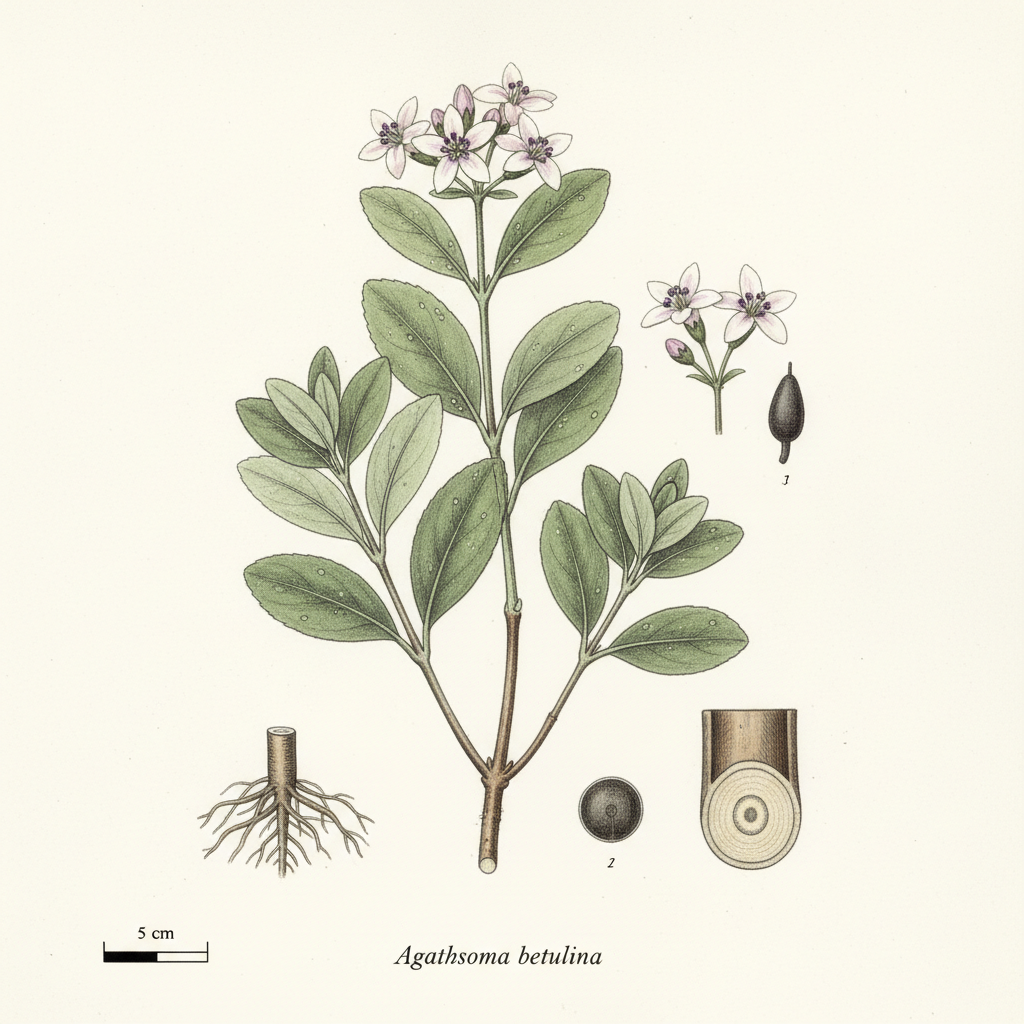
Buchu

Buchu

Agathosma betulina

Urinary Health Support