

Herbal Medicine at your fingertips
Comprehensive database of herbal remedies with detailed safety information and traditional uses
New to herbal terms? Read the glossary →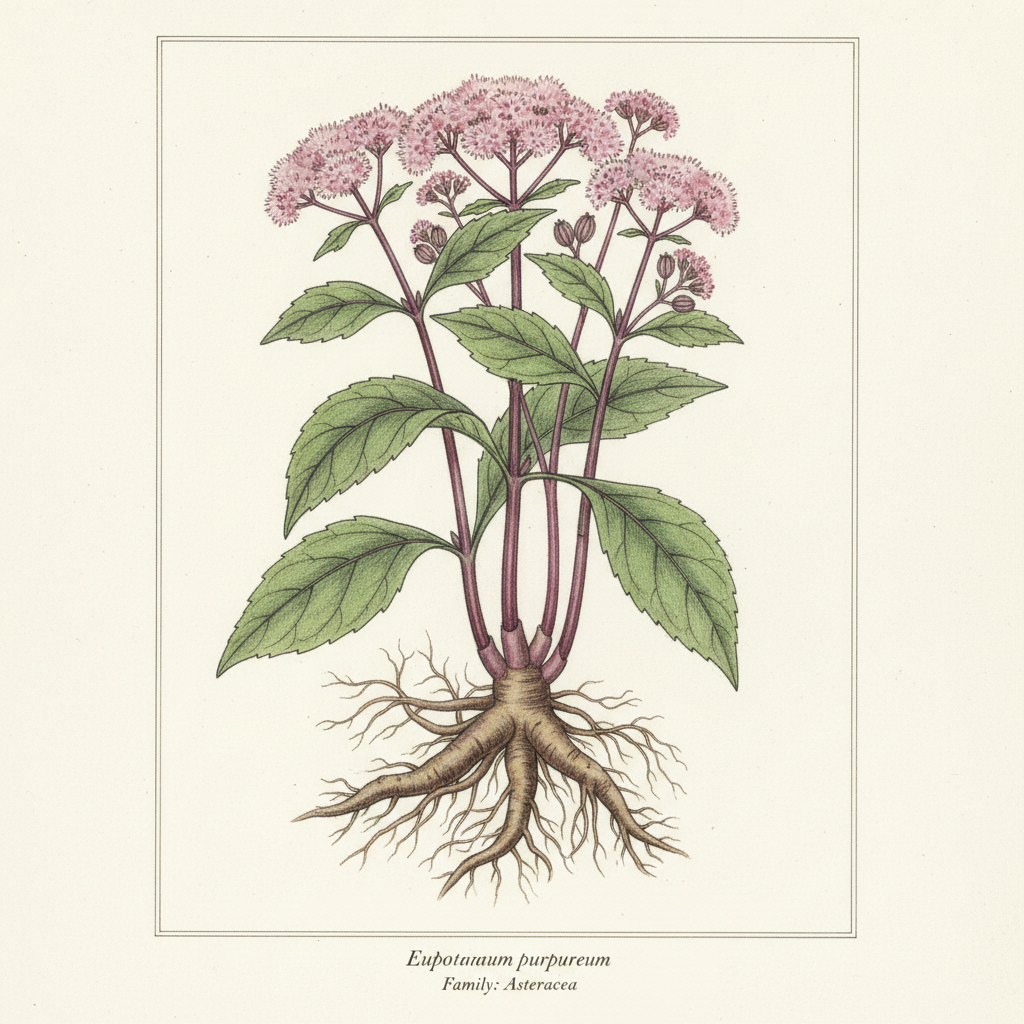
Gravel root
Eupatorium purpureum
Uses & Conditions
Actions
Parts Used
Native Countries
USDA Hardiness Zones
Contraindications
- Pregnancy: avoid due to lack of safety data and risk of uterine stimulation.
- Breastfeeding: avoid use due to insufficient evidence of safety for the infant.
- Liver disease: contraindicated in those with existing hepatic conditions due to the risk of pyrrolizidine alkaloid exposure.
- Known hypersensitivity: avoid if allergic to plants in the Asteraceae/Compositae family.
- Acute kidney obstruction: should not be used if urinary tract blockage is suspected without professional medical oversight.
Potential Side Effects
- Gastrointestinal upset including nausea or stomach cramps if taken in excess.
- Potential for minor skin irritation in sensitive individuals upon topical contact.
- Dizziness or lightheadedness in susceptible individuals due to diuretic effect.
Interactions
- Diuretic medications: may have an additive effect, potentially increasing fluid loss and electrolyte imbalance.
- Lithium: diuretic activity may reduce the excretion of lithium, increasing serum concentrations.
- Hepatotoxic drugs: use with caution due to the presence of pyrrolizidine alkaloids.
- Antihypertensives: potential for synergistic effects leading to unintended hypotension.
Dosages, tincture ratios & research — members only
Unlock Garreth's dosing guidance, tincture ratios, the dosage calculator and the research studies for Gravel root.
Your assessment and results stay saved — upgrading only unlocks more of them.
See membership plansCommunity Photos
No community photos yet. Sign in to upload photos.
Reviews & Ratings
Sign in to leave a review.
No reviews yet. Be the first!
Garreth Falls — B.Th., Dip. H.M., MNIMH
Content curated and reviewed by Garreth Falls, Consultant Medical Herbalist · The Wild Sage
Sustainability & quality
At riskWild stands are vulnerable to habitat loss. Prefer cultivated sources and ensure you are getting Eutrochium purpureum rather than similar related species.
Key constituents
Pyrrolizidine alkaloids (e.g., echinatine, lycopsamine), Sesquiterpene lactones, Flavonoids, Volatile oils, Resins, Polysaccharides, Tannins
References
- British Herbal Pharmacopoeia 1983
- Herbal Reality. Herb monographs. herbalreality.com
Reviewed by Garreth, Medical Herbalist (MNIMH) · November 2026
Related conditions
Explore conditions where Gravel root is traditionally used.
Related Herbs
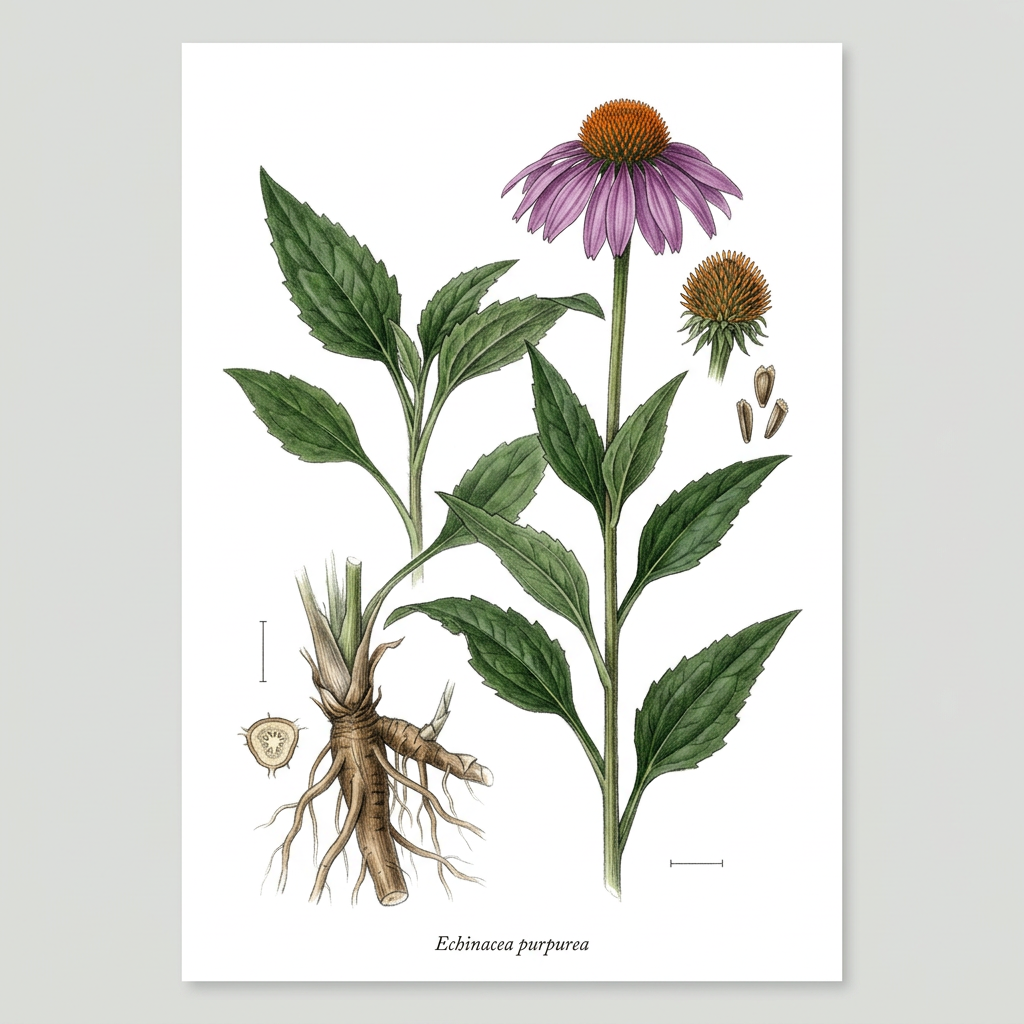
Echinacea purpurea
Echinacea purpurea
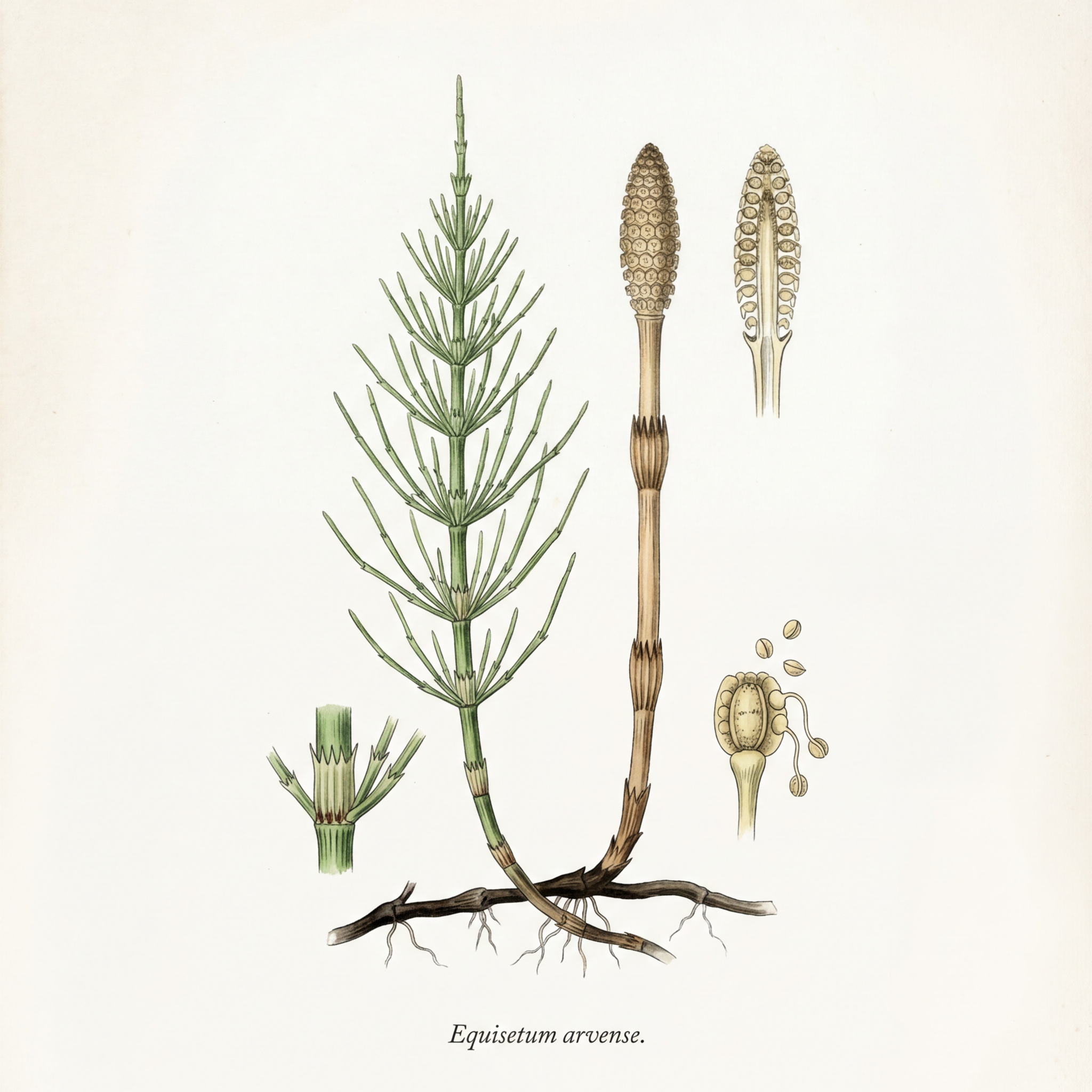
Horsetail
Equisetum arvense
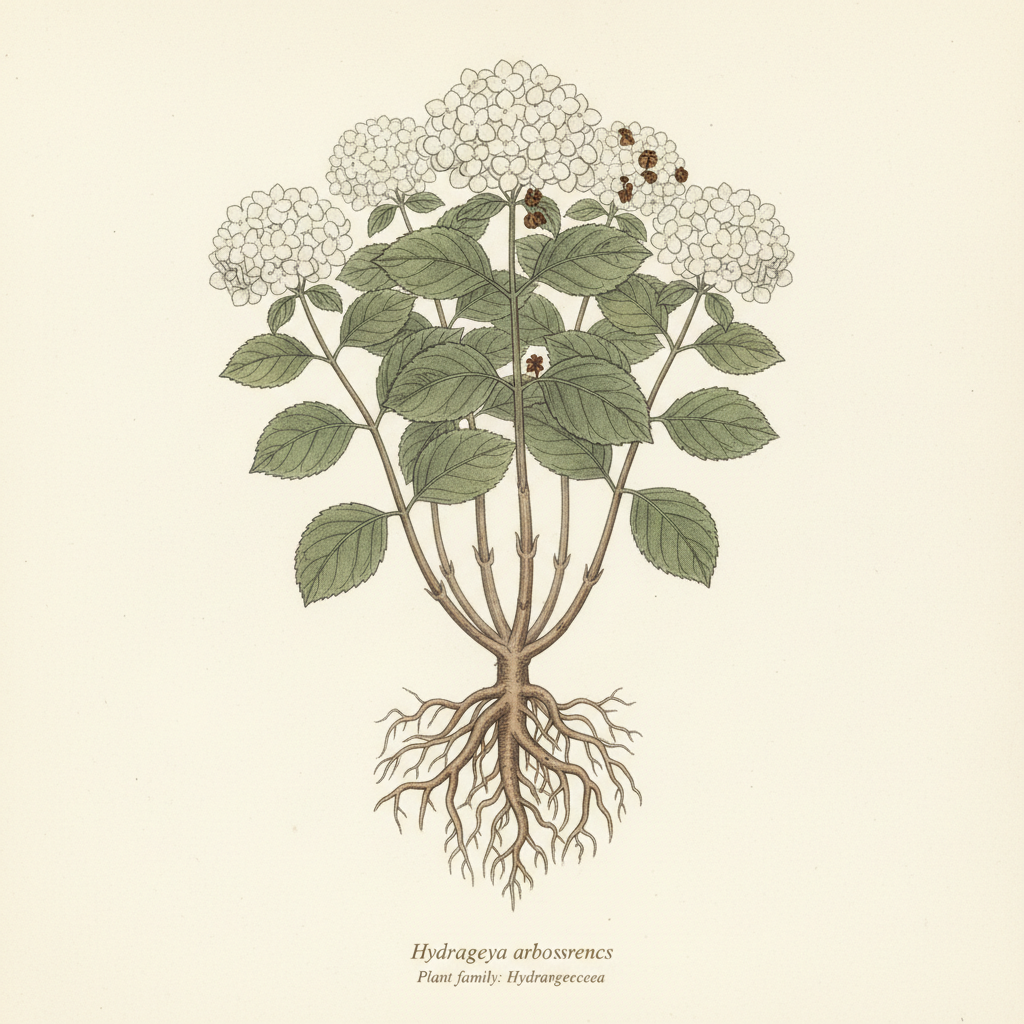
Hydrangea
Hydrangea arborescens
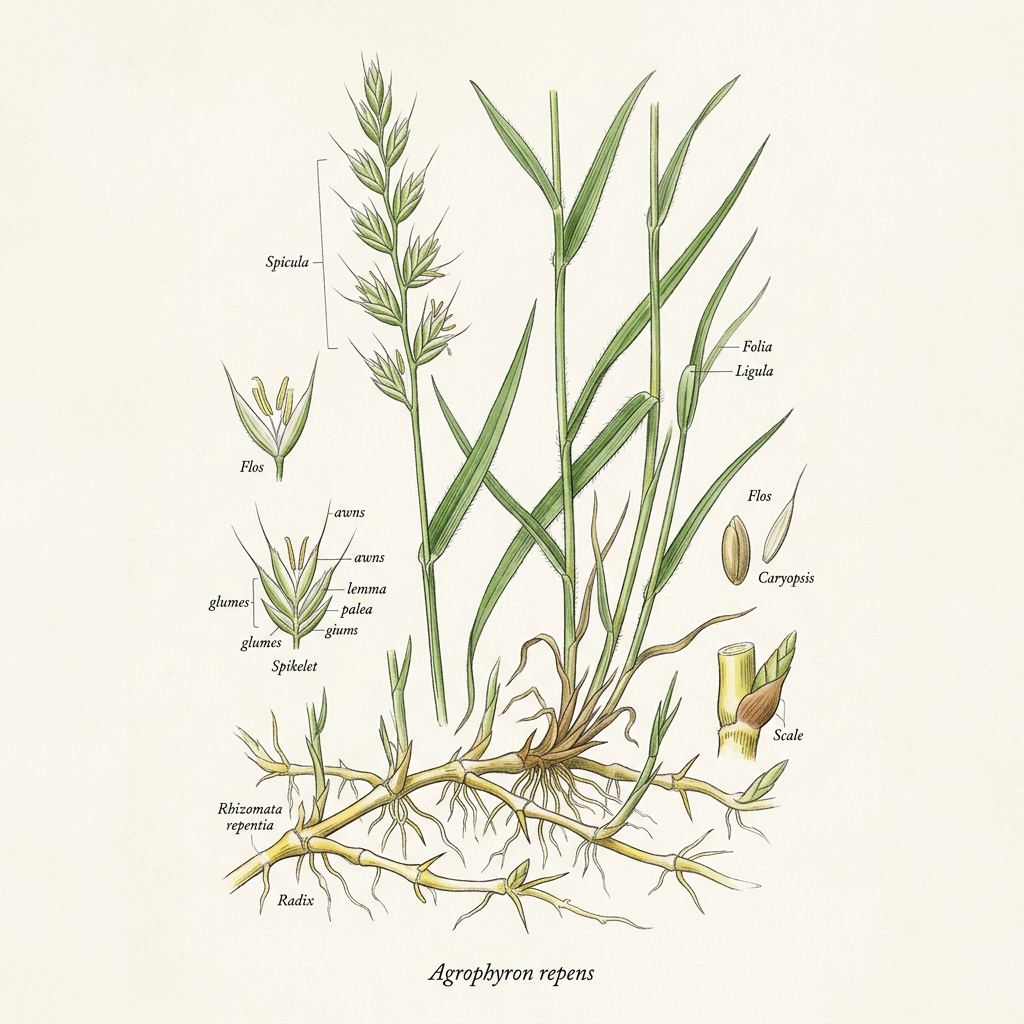
Couch Grass
Elymus repens