The Wild Sage logo
The Wild Sage Logo

Herbal Medicine at your fingertips

Comprehensive database of herbal remedies with detailed safety information and traditional uses

New to herbal terms? Read the glossary →
ADHD
Abcess
Acid Reflux Relief
Acinetobacter
Acne
Acne Vulgaris
Addisons
Adenomyosis
Adenovirus
Adrenal fatigue
Aging
Aids
Alcaligenes faecalis
Alcoholism
Allergic Rhinitis
Allergies
Allergy
Alopoecia
Alopoecia nervosa
Alzheimer's, Dementia & Cognitive Decline
420 herbs found
Important: This information is for educational purposes only. Always consult with qualified healthcare professionals before using herbal remedies, especially if you have existing health conditions or take medications.

Greater bindweed

Calystegia sepium

moderate risk Risk
Convolvulaceae
The herb is considered cool and drying in nature, with a notably acrid and slightly bitter taste.
<p>Calystegia sepium, known as greater bindweed, is a perennial, climbing, or scrambling herbaceous vine within the Convolvulaceae family. It is easily identified by its vigorous, twining habit, heart-shaped or triangular leaves with a truncate base, and conspicuous, large, trumpet-shaped white flowers that typically emerge from summer through to early autumn. The plant spreads via a robust, creeping white rhizome system that can become invasive in hedgerows and gardens, often entwining itself around other vegetation for structural support.</p><p>Historically, the plant has been utilised in folk medicine primarily for its laxative properties. The fresh or dried rhizomes were traditionally harvested in autumn and processed into decoctions or powders, intended for use as a gentle yet effective purgative. While it remains a plant of interest in historical ethnobotanical records, its use in modern clinical practice is infrequent due to the availability of more reliably standardized and researched cathartic agents.</p><p>Contemporary research into the pharmacology of C. sepium is limited, though early studies have identified various phytochemical compounds, including resin glycosides, which likely mediate its action on the gastrointestinal tract. Clinical application requires significant caution; due to the irritant nature of many Convolvulaceae members, this herb is generally reserved for short-term use under experienced guidance, and internal administration is typically avoided in favour of safer alternatives in modern herbal clinics.</p>

Uses & Conditions

Supportive aid for bowel evacuation
Historical use as a purgative
Constipation
Hepatic Congestion
Biliary Stasis

Actions

Purgative
Cholagogue
Laxative
Emetic

Synonyms

Hedge bindweed
Great bindweed
Bellbind

Parts Used

Rhizome
Aerial parts

Native Countries

United Kingdom
France
Germany
Spain
Italy

USDA Hardiness Zones

4
5
6
7
8
9

Contraindications

  • Pregnancy and breastfeeding
  • Intestinal obstruction
  • Acute inflammatory bowel conditions
  • Children and elderly patients

Potential Side Effects

  • Abdominal cramping
  • Nausea
  • Gastrointestinal irritation
  • Diarrhoea

Interactions

  • Potential additive effect with prescribed stimulant laxatives
  • May alter the absorption of concurrent medications due to accelerated transit time

Dosages, tincture ratios & research — members only

Unlock Garreth's dosing guidance, tincture ratios, the dosage calculator and the research studies for Greater bindweed.

Your assessment and results stay saved — upgrading only unlocks more of them.

See membership plans

Community Photos

No community photos yet. Sign in to upload photos.

Reviews & Ratings

Sign in to leave a review.

No reviews yet. Be the first!

GF

Garreth Falls — B.Th., Dip. H.M., MNIMH

Content curated and reviewed by Garreth Falls, Consultant Medical Herbalist · The Wild Sage

Medical Disclaimer: This information is for educational purposes only and is not intended as medical advice. Always consult with qualified healthcare professionals before starting any herbal treatment.

Key constituents

Resin glycosides, Tannins, Flavonoids, Convolvulin, Scopolin, Starch

References

  1. Herbal Reality. Herb monographs. herbalreality.com

Related conditions

Explore conditions where Greater bindweed is traditionally used.

Related Herbs
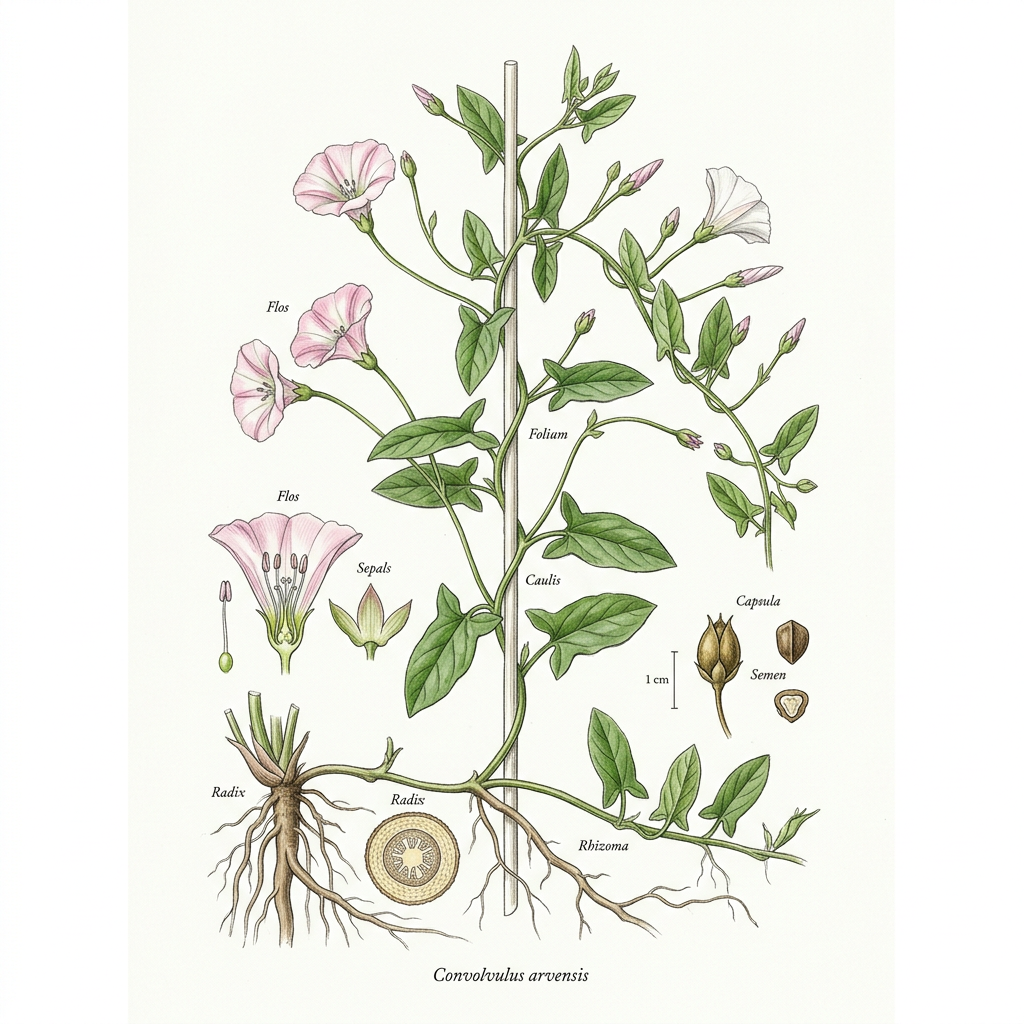
Field bindweed

Field bindweed

Convolvulus arvensis

Respiratory Support
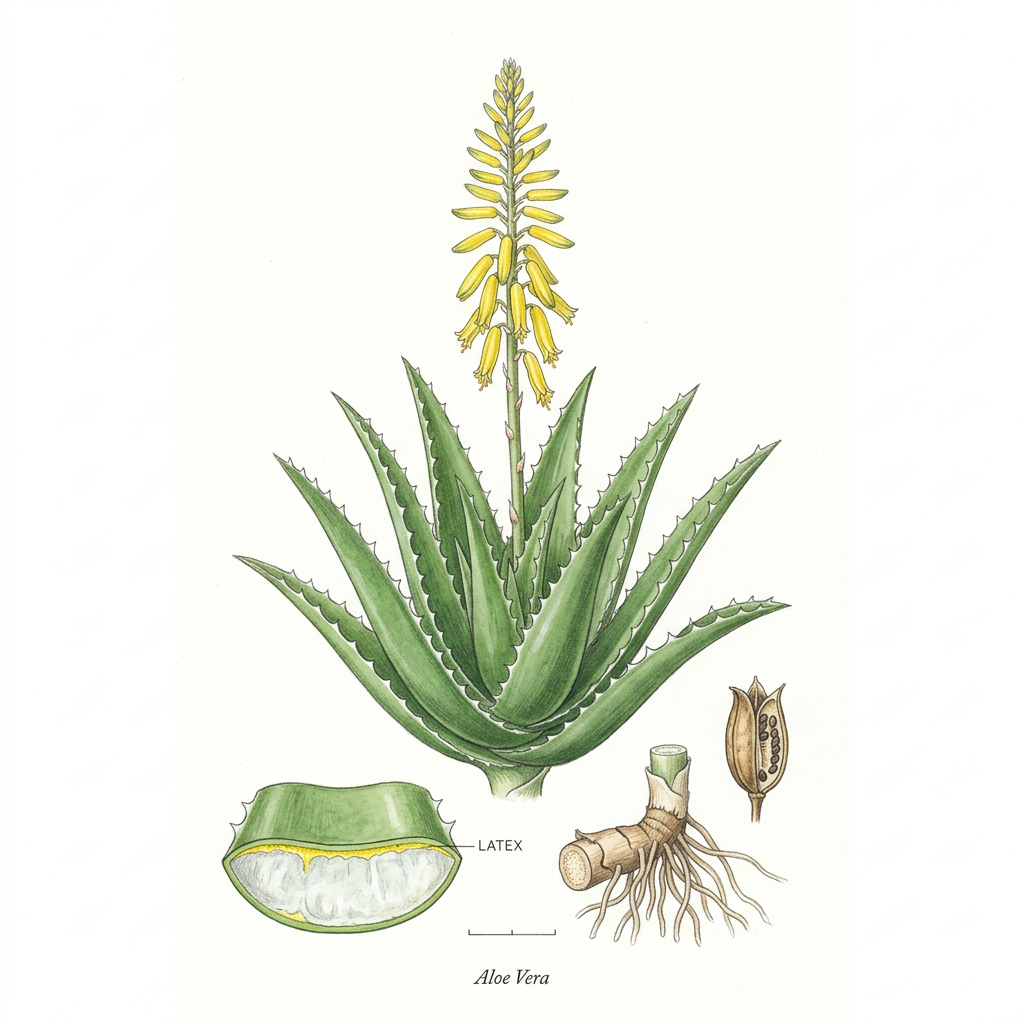
Aloe Vera

Aloe Vera

Aloe vera

Digestive Support
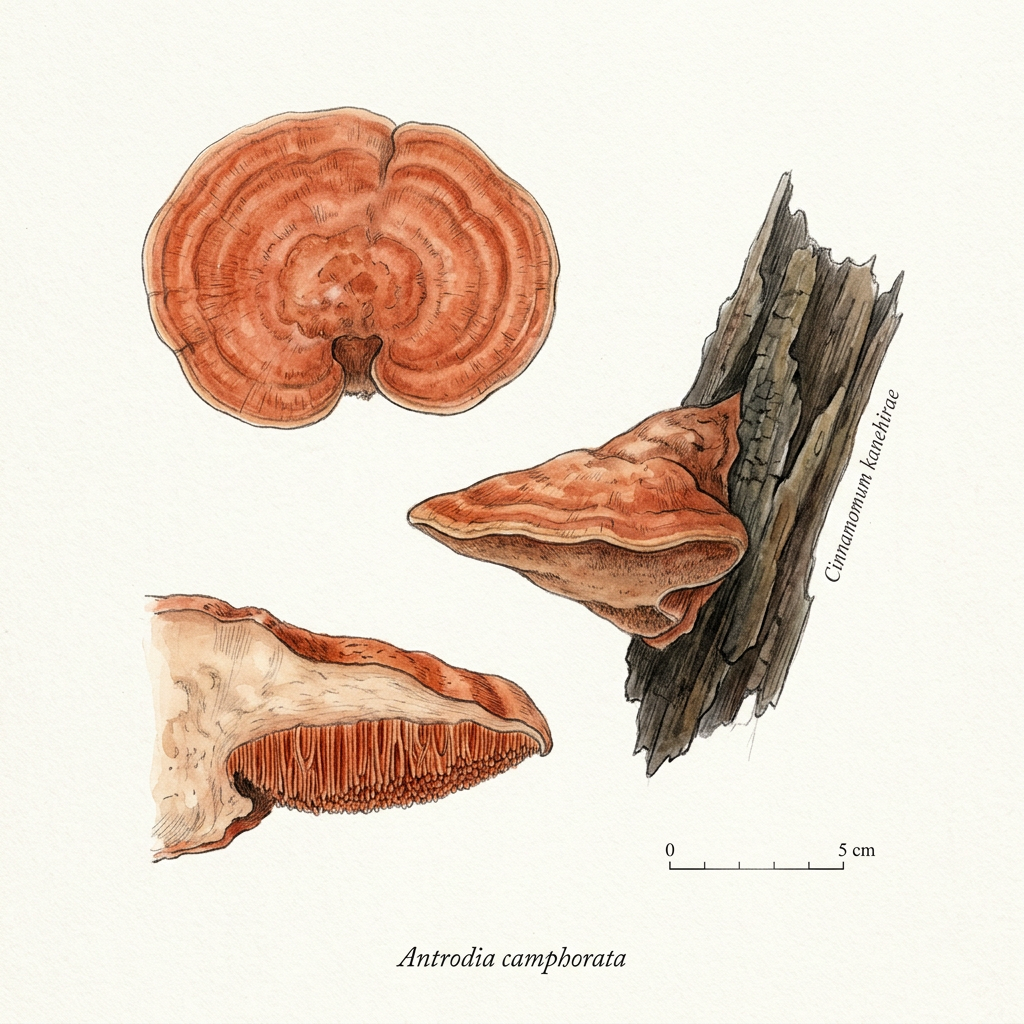
Antrodia

Antrodia

Antrodia camphorata

Immune Support
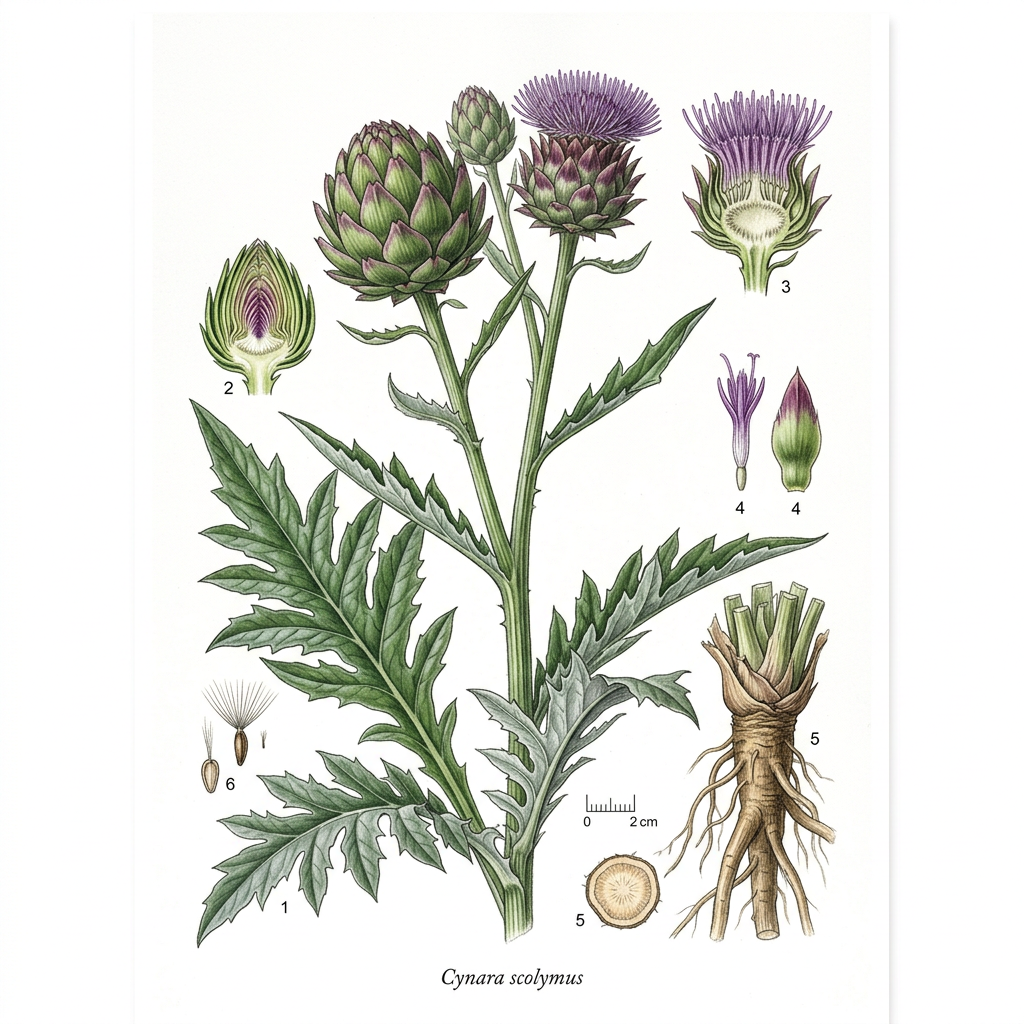
Artichoke

Artichoke

Cynara scolymus

Liver Support