The Wild Sage logo
The Wild Sage Logo

Herbal Medicine at your fingertips

Comprehensive database of herbal remedies with detailed safety information and traditional uses

New to herbal terms? Read the glossary →
ADHD
Abcess
Acid Reflux Relief
Acinetobacter
Acne
Acne Vulgaris
Addisons
Adenomyosis
Adenovirus
Adrenal fatigue
Aging
Aids
Alcaligenes faecalis
Alcoholism
Allergic Rhinitis
Allergies
Allergy
Alopoecia
Alopoecia nervosa
Alzheimer's, Dementia & Cognitive Decline
420 herbs found
Important: This information is for educational purposes only. Always consult with qualified healthcare professionals before using herbal remedies, especially if you have existing health conditions or take medications.
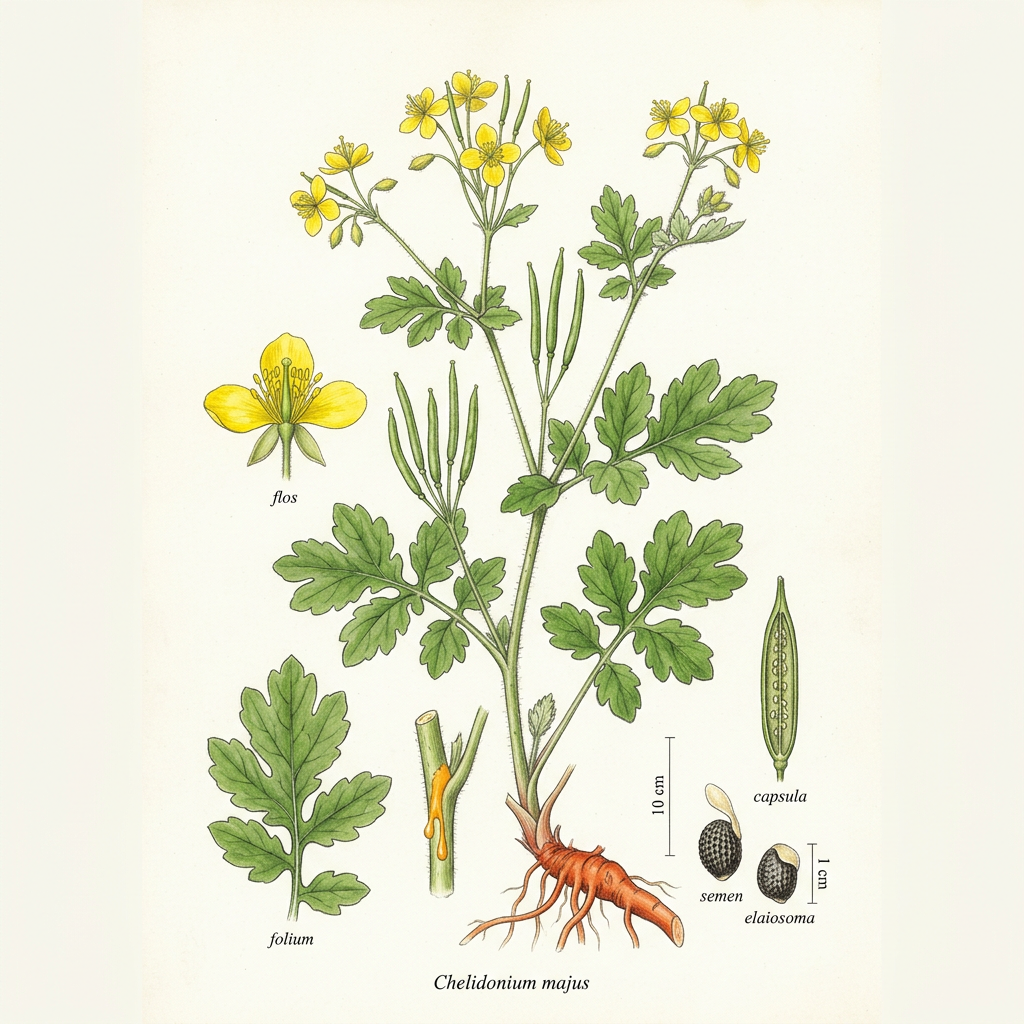
Greater Celandine

Greater Celandine

Chelidonium majus

high risk Risk
Papaveraceae
Bitter, cooling, moistening
<p>Greater Celandine, scientifically known as Chelidonium majus, is a perennial herb belonging to the poppy family (Papaveraceae). This vibrant yellow-flowered plant has earned a distinguished place in traditional herbal medicine, particularly in European folk practices, where it has been utilized for centuries to support liver and gallbladder health. Historically, it was revered not only for its medicinal properties but also for its aesthetic appeal, often found in gardens and along roadsides. The name "Chelidonium" is derived from the Greek word "chelidon," meaning swallow, as it was believed that swallows would use the sap to heal their young. The plant has a rich backdrop in both folklore and herbalism, indicating its longstanding connection to human wellness. Greater Celandine is recognized for a variety of therapeutic properties, primarily related to its potential support for hepatic function and digestive health. The herb is traditionally employed to alleviate symptoms of liver congestion, support gallbladder function, and promote bile flow. Its active compounds, including alkaloids such as chelidonine and sanguinarine, exhibit antispasmodic, anti-inflammatory, and cholagogue actions, which can facilitate the expulsion of bile from the liver and gallbladder. This property makes it a valuable addition to formulations aimed at improving digestion and relieving gallbladder discomfort. Additionally, some studies suggest its potential in supporting liver detoxification processes and combating oxidative stress, though these effects warrant further exploration in clinical settings. In the body, Greater Celandine exerts its effects through a multifaceted approach. The alkaloids present in Greater Celandine interact with various pathways to promote hepatic health and impact bile production. By stimulating the liver and the biliary tract, the herb enhances bile secretion, thereby aiding in the emulsification and absorption of fats in the digestive system. Its antispasmodic properties help reduce tension and cramping in the gastrointestinal tract, promoting smoother digestive function. However, caution is advised when using this potent herb, as excessive doses can lead to toxicity and adverse effects. Therefore, it is crucial to employ it under the guidance of a knowledgeable herbalist or healthcare professional to ensure safety and efficacy.</p>

Uses & Conditions

Liver Support
Gallbladder Support
Digestive Health
Hepatitis B
Gastrointestinal Cancer
Gallbladder Infection
Irritable Bowel Syndrome
Jaundice
Warts
Staphylococcus Infection
Psoriasis
HSV (Cold Sores)
Tuberculosis
Whooping Cough
Gallstones
Candida
Aspergillus
Klebsiella
Trichophyton spp.
Microsporum spp.
Mycobacterium tuberculosis
Genital Herpes (HSV2)
Endometriosis
Fibroids
Epidermophyton floccosum
Cauda Equina
Biliary Dyskinesia
Dyspepsia
Cholecystitis

Actions

Hepatic
Adaptogen
Cholagogue
Spasmolytic
Vulnerary
Anti-emetic
Bitter
Anti-viral
Choleretic
Anti-inflammatory
Anti-mitotic
NFkB Inhibitor
TNF-a Reduction

Parts Used

Whole plant

Native Countries

Europe

USDA Hardiness Zones

USDA 3-7

Contraindications

  • Pregnancy: Avoid due to potential uterine stimulating effects and lack of safety data
  • Breastfeeding: Not recommended as active alkaloids may be excreted into breast milk
  • Biliary obstruction: Contraindicated if there is a known blockage of the bile ducts or active gallstones
  • Pre-existing liver disease: Individuals with hepatitis
  • cirrhosis
  • or elevated liver enzymes should avoid use
  • Children and adolescents: Not suitable for paediatric use due to potential toxicity risks

Potential Side Effects

  • Idiosyncratic reactions
  • Hepatotoxicity if taken in high doses

Interactions

  • Hepatotoxic medications: Concurrent use may increase the risk of adverse hepatic reactions
  • Anticoagulant or antiplatelet drugs: May theoretically alter blood clotting markers
  • Sedatives or CNS depressants: Alkaloid content could potentially potentiate the effects of barbiturates or benzodiazepines

Dosages, tincture ratios & research — members only

Unlock Garreth's dosing guidance, tincture ratios, the dosage calculator and the research studies for Greater Celandine.

Your assessment and results stay saved — upgrading only unlocks more of them.

See membership plans

Community Photos

No community photos yet. Sign in to upload photos.

Reviews & Ratings

Sign in to leave a review.

No reviews yet. Be the first!

GF

Garreth Falls — B.Th., Dip. H.M., MNIMH

Content curated and reviewed by Garreth Falls, Consultant Medical Herbalist · The Wild Sage

Medical Disclaimer: This information is for educational purposes only and is not intended as medical advice. Always consult with qualified healthcare professionals before starting any herbal treatment.
Western tradition

Sustainability & quality

Abundant

Common weed; ensure material is free from soil contaminants.

Key constituents

Alkaloids, flavonoids, Phenolic compounds, Isoquinonline alkaloids, Chelerythrine, Coptisine, Sanguinarine, Protopine, Chelidonine, Berberine

References

  1. Bone & Mills "Principles and Practice of Phytotherapy" 2nd ed. 2013
  2. ESCOP Monographs 2nd ed. 2003
  3. British Herbal Pharmacopoeia 1983
  4. Herbal Reality. Herb monographs. herbalreality.com

Reviewed by Garreth, Medical Herbalist (MNIMH) · November 2026

Related conditions

Explore conditions where Greater Celandine is traditionally used.

Related Herbs
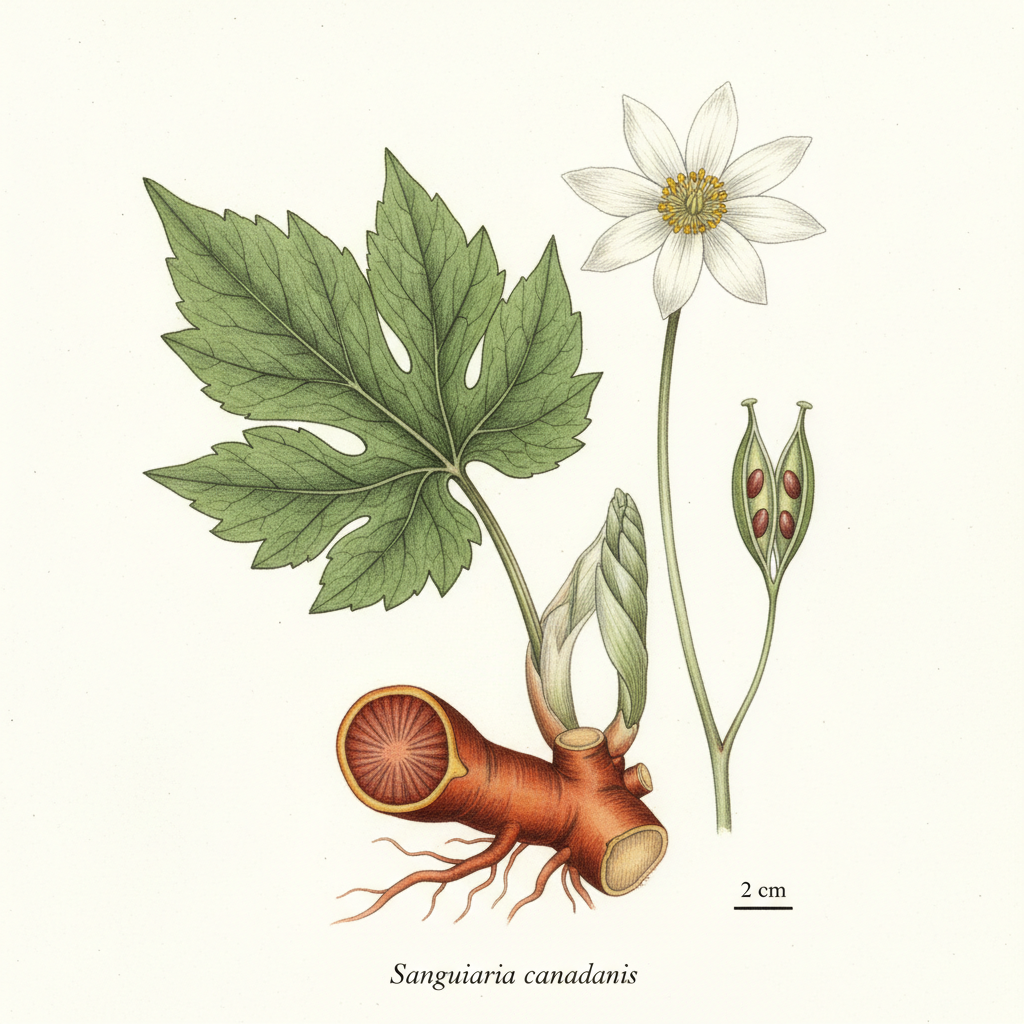
Blood root

Blood root

Sanguinaria canadensis

Immune Response Enhancement
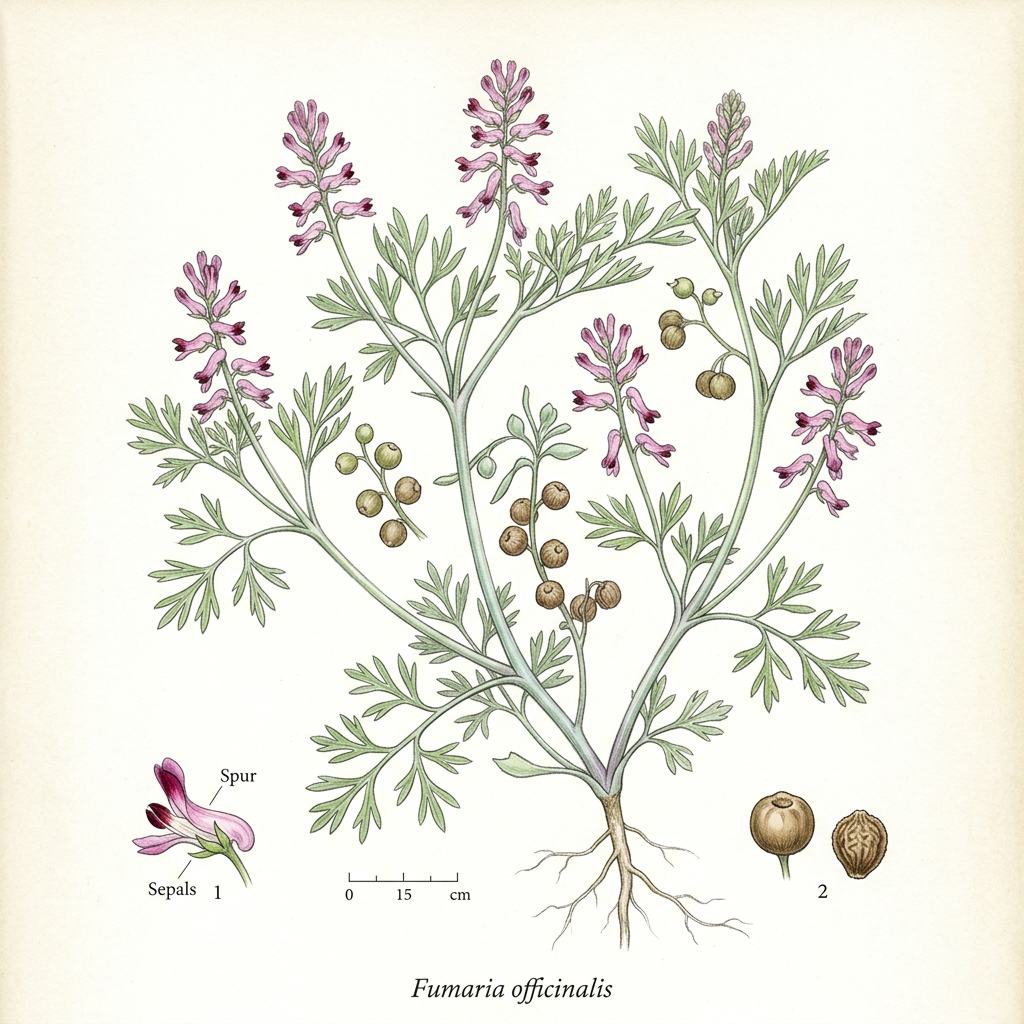
Fumary

Fumary

Fumaria officinalis

Detoxification
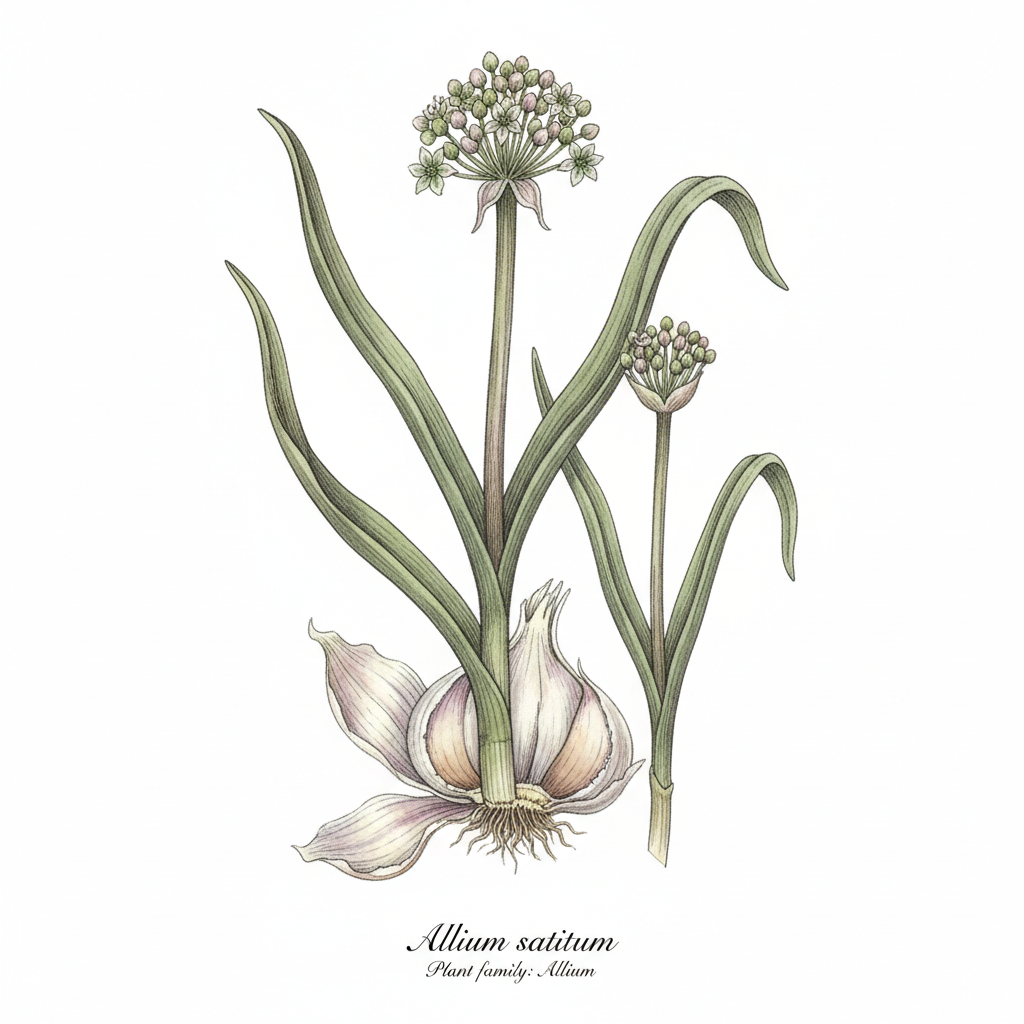
Garlic

Garlic

Allium sativum

Immune Support
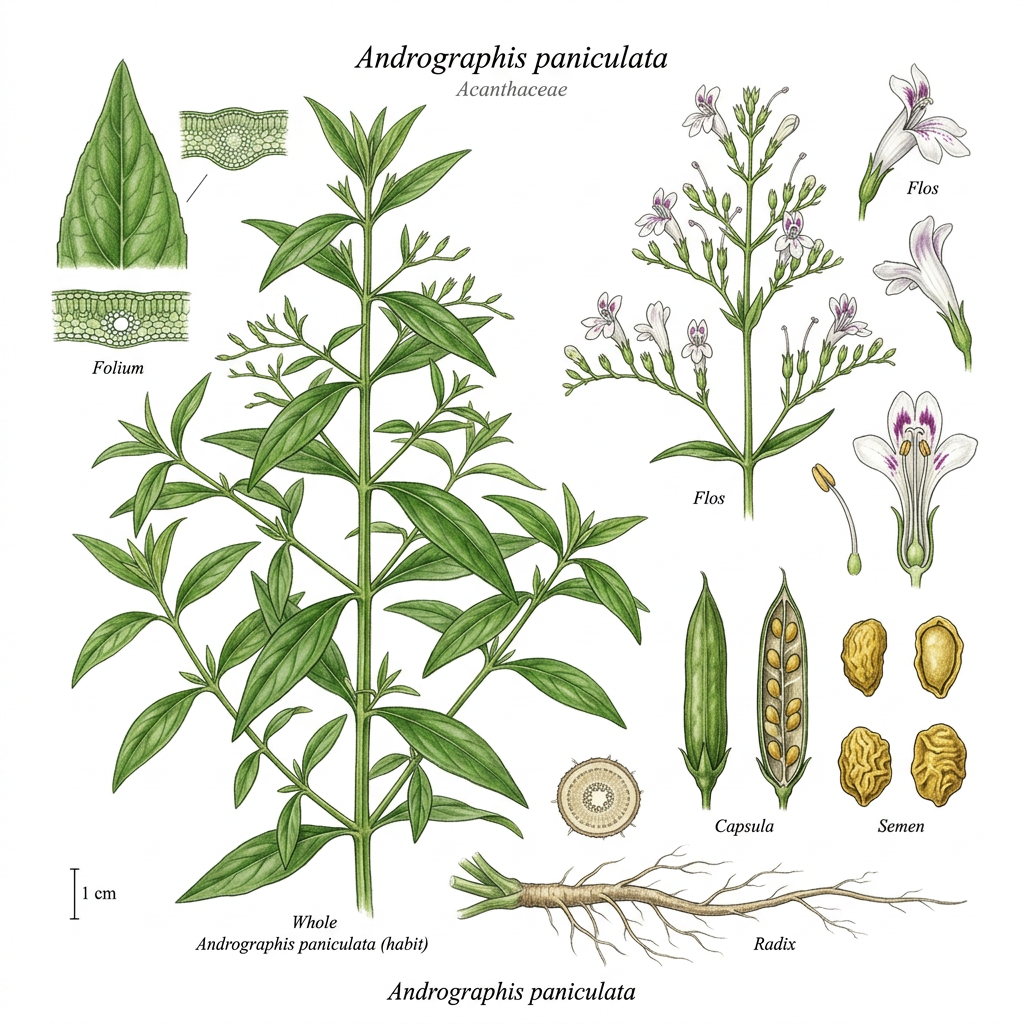
Andrographis

Andrographis

Andrographis paniculata

Immune Support