The Wild Sage logo
The Wild Sage Logo

Herbal Medicine at your fingertips

Comprehensive database of herbal remedies with detailed safety information and traditional uses

New to herbal terms? Read the glossary →
ADHD
Abcess
Acid Reflux Relief
Acinetobacter
Acne
Acne Vulgaris
Addisons
Adenomyosis
Adenovirus
Adrenal fatigue
Aging
Aids
Alcaligenes faecalis
Alcoholism
Allergic Rhinitis
Allergies
Allergy
Alopoecia
Alopoecia nervosa
Alzheimer's, Dementia & Cognitive Decline
420 herbs found
Important: This information is for educational purposes only. Always consult with qualified healthcare professionals before using herbal remedies, especially if you have existing health conditions or take medications.
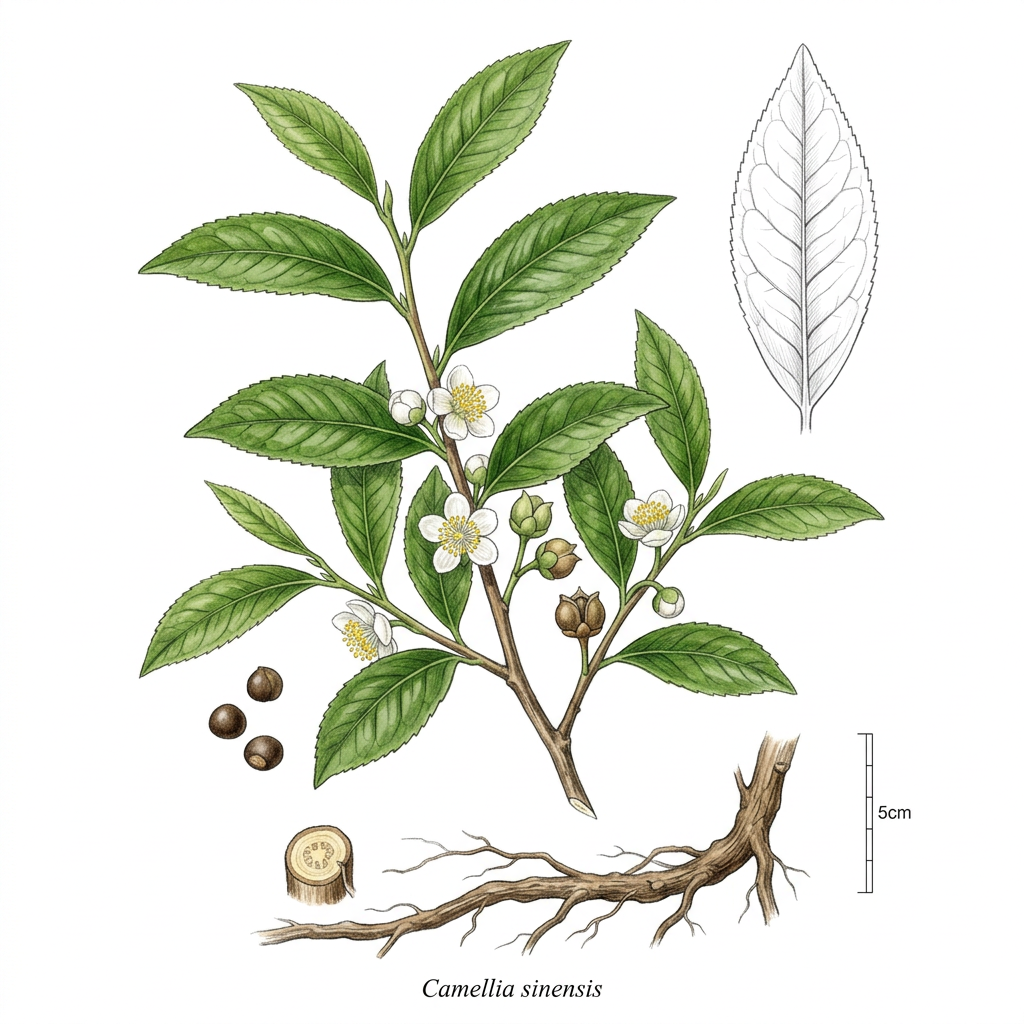
Green Tea

Green Tea

Camellia sinensis

low risk Risk
Theaceae
cool, astringent, moistening.
<p>Commonly known as the tea plant, is a perennial evergreen shrub native to East Asia, renowned for its leaves which are the source of all traditional teas, including green, black, oolong, and white teas. Historically, this herb has been celebrated for centuries across various cultures, particularly in China, where it has been consumed both as a refreshing beverage and as a therapeutic agent. The legendary origins of tea date back to around 2737 BCE, attributed to Emperor Shen Nong, who discovered its stimulating effects. Over the millennia, Camellia sinensis has been revered not only for its unique flavour profile but also for its rich array of health benefits, making it a staple in traditional wellness practices. The therapeutic properties of Camellia sinensis are both extensive and scientifically validated. This remarkable plant is a potent source of antioxidants, particularly catechins, which combat oxidative stress and may help to reduce the risk of chronic diseases. Its therapeutic actions are multifaceted: acting as a collagen stabiliser, it aids in maintaining skin elasticity and health; as a metabolic stimulant, it enhances energy expenditure and fat oxidation, making it a popular choice for those aiming for weight management. Additionally, Camellia sinensis exhibits anti-inflammatory, antimicrobial, and anti-carcinogenic properties, further solidifying its status as a versatile herb. The presence of polyphenols in its composition underlies many of its cardiovascular benefits, including the regulation of blood pressure and cholesterol levels, while its diuretic effects support kidney health and fluid balance. Mechanistically, Camellia sinensis exerts its effects through various pathways in the body. Its antioxidant compounds scavenge free radicals, mitigating cellular damage and contributing to longevity. The thermogenic and metabolic-stimulating effects are primarily attributed to catechins and caffeine, which enhance energy metabolism and support fat oxidation. The relaxing yet energising quality of the tea can be partially explained by its modulation of neurotransmitter levels, promoting mental clarity while alleviating stress. Furthermore, numerous studies suggest its role in regulating vascular function and enhancing nitric oxide availability, resulting in improved blood flow and cardiovascular health. Overall, **Camellia sinensis** symbolises a harmonious blend of tradition and modern science, offering a plethora of health benefits that continue to be appreciated in contemporary herbalism and wellness practices.</p>

Uses & Conditions

Hypertension
Hyperlipidemia
Obesity
Type 2 Diabetes
Cancer
Anxiety
Digestive Disorders
Skin Conditions
Chronic Diseases
Bleeding Disorders
Stress Relief
Antioxidant Support
Cardiovascular Health
Weight Management
Glycemic Control
Energy Metabolism
Fat Oxidation
Antimicrobial Effects
Collagen Stabilization
Detoxification
Bladder Cancer
obesity
Gastroparesis
Prostate Cancer
Cardiovascular health
Bowel flora
Ehrlich ascites tumour
Staphlococcus infection
Myleoma
MRSA
PCOS
Gastritis
H.pylori
Kidney disease
HIV
HPV
Endometriosis
Dental carries
Fibroids
E coli
Emphysema
Diarrhoea
Candida
Chemotherapy
Cervical dysplasia
Chronic lympohcyte leukaemia
Atherosclerosis
Aging
Adenovirus
Asthma

Actions

Antioxidant
Collagen stabilising
REDOX Reaction Regulator
Thermogenic
Metabolic stimulant
Digestive tonic
Cytoprotective
anti-hyperlipidaemic
Chomprotective
Cardioactive stimulant
Antibacterial
Anti-androgenic
Diuretic
Antimicrobial
Astringent
Anti-HIV
Anti-hypertensive
anti-mutagenic
Anti-viral
Bronchospasmolytic
Cyclic AMP Breakdown reducer
Neuroprotective
Relaxant
Stimulant
Vasodilator
Detoxifying
Lipid peroxidase inhibitor
Vascular tightener
Anti-carcinogenic
NFkB inhibitor
Skin rejeuvinator
VEGF regulator
Androgenic modulator
5a-reductase inhibition

Parts Used

leaf

Native Countries

Asia

USDA Hardiness Zones

8-10

Contraindications

  • Pregnancy and breastfeeding: limit intake to low quantities due to high caffeine content and potential interference with nutrient absorption
  • Severe iron-deficiency anaemia: avoid consumption during meal times to prevent inhibition of iron bioavailability
  • Insomnia or anxiety disorders: avoid excessive intake
  • particularly in the afternoon and evening
  • Hyperthyroidism: stimulant effects may exacerbate rapid heart rate or palpitations
  • Gastric ulcers: tannins may cause irritation if consumed on an empty stomach

Potential Side Effects

  • Nausea and looser stools with urgency in high doses.

Interactions

  • Warfarin and other anticoagulants: may alter clotting times due to vitamin K content and potential antiplatelet activity
  • Stimulant medications: excessive consumption may potentiate effects of caffeine and increase risk of jitters or tachycardia
  • Iron supplements: tannins may inhibit absorption of non-heme iron if taken concurrently
  • Monoamine oxidase inhibitors (MAOIs): potential for hypertension if combined with high levels of caffeine or amino acids like L-theanine
  • Anxiolytics: may potentially antagonise the sedative effects of benzodiazepines

Dosages, tincture ratios & research — members only

Unlock Garreth's dosing guidance, tincture ratios, the dosage calculator and the research studies for Green Tea.

Your assessment and results stay saved — upgrading only unlocks more of them.

See membership plans

Community Photos

No community photos yet. Sign in to upload photos.

Reviews & Ratings

Sign in to leave a review.

No reviews yet. Be the first!

GF

Garreth Falls — B.Th., Dip. H.M., MNIMH

Content curated and reviewed by Garreth Falls, Consultant Medical Herbalist · The Wild Sage

Medical Disclaimer: This information is for educational purposes only and is not intended as medical advice. Always consult with qualified healthcare professionals before starting any herbal treatment.
Chinese tradition
Ayurvedic tradition

Sustainability & quality

Cultivated

Prioritize high-quality organic leaf to reduce exposure to residual pesticides used in large-scale plantations.

Key constituents

Epigallocatechin gallate (EGCG), Catechins, Caffeine, L-theanine, Quercetin, Kaempferol, Gallic acid

References

  1. EMA/HMPC Community Herbal Monograph
  2. Bensky "Chinese Herbal Medicine: Materia Medica" 3rd ed. 2004
  3. Herbal Reality. Herb monographs. herbalreality.com

Reviewed by Garreth, Medical Herbalist (MNIMH) · November 2026

Related conditions

Explore conditions where Green Tea is traditionally used.

Related Herbs
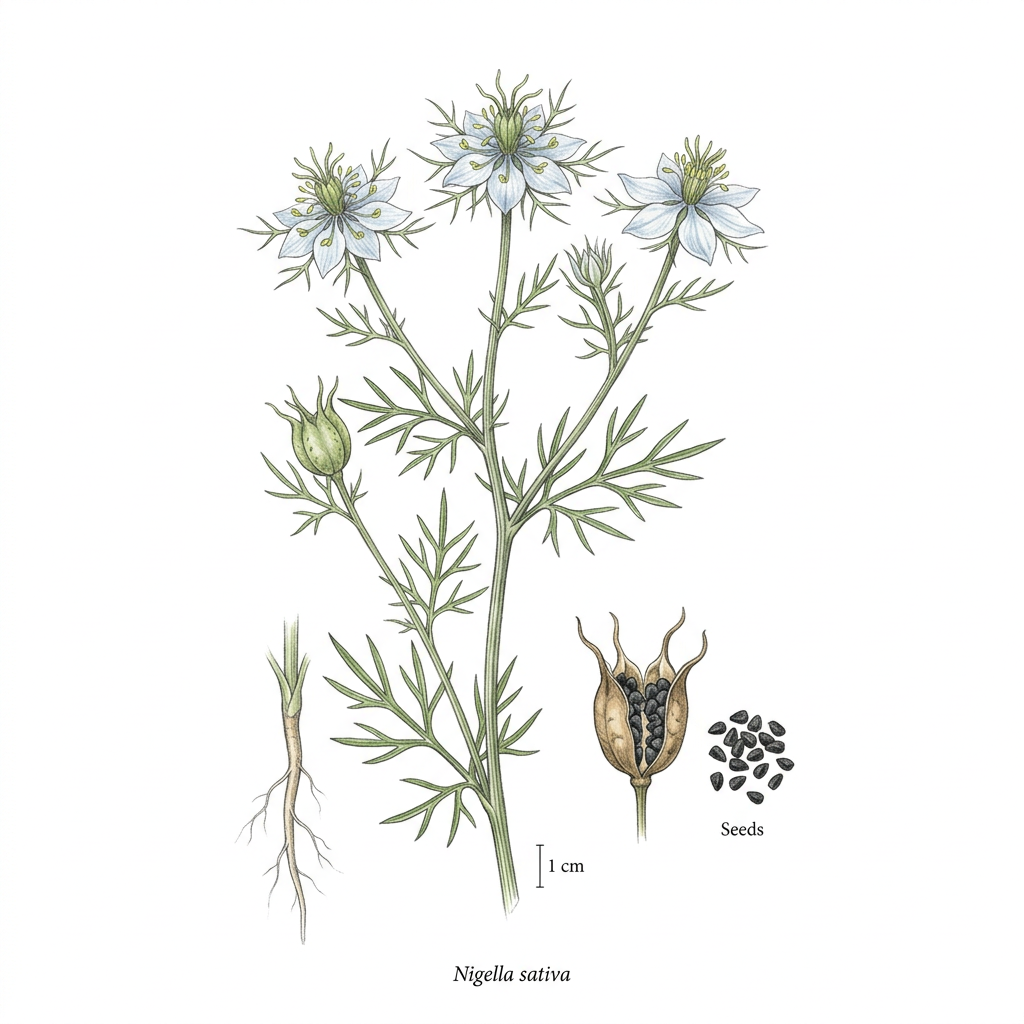
Black Cumin Seed

Black Cumin Seed

Nigella sativa

Antioxidant Support
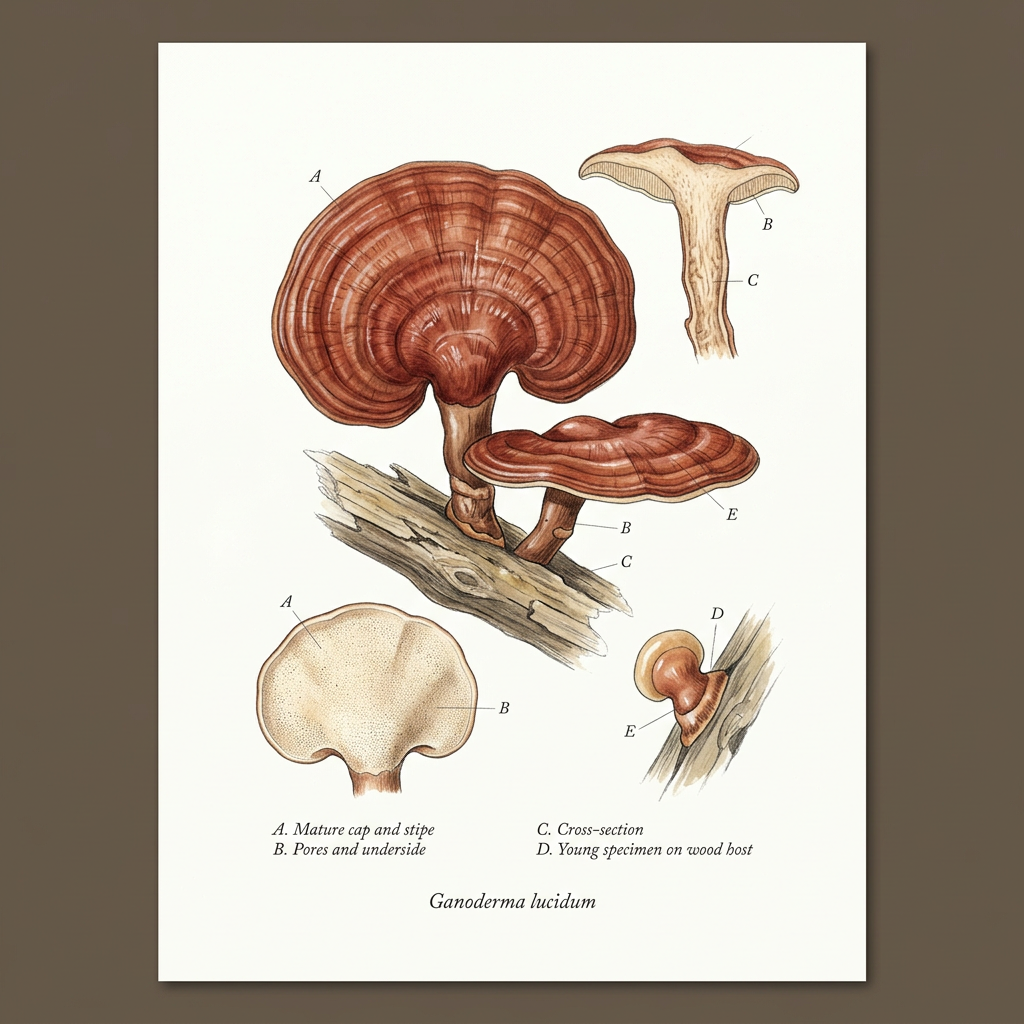
Reishi

Reishi

Ganoderma lucidum

Immune Support
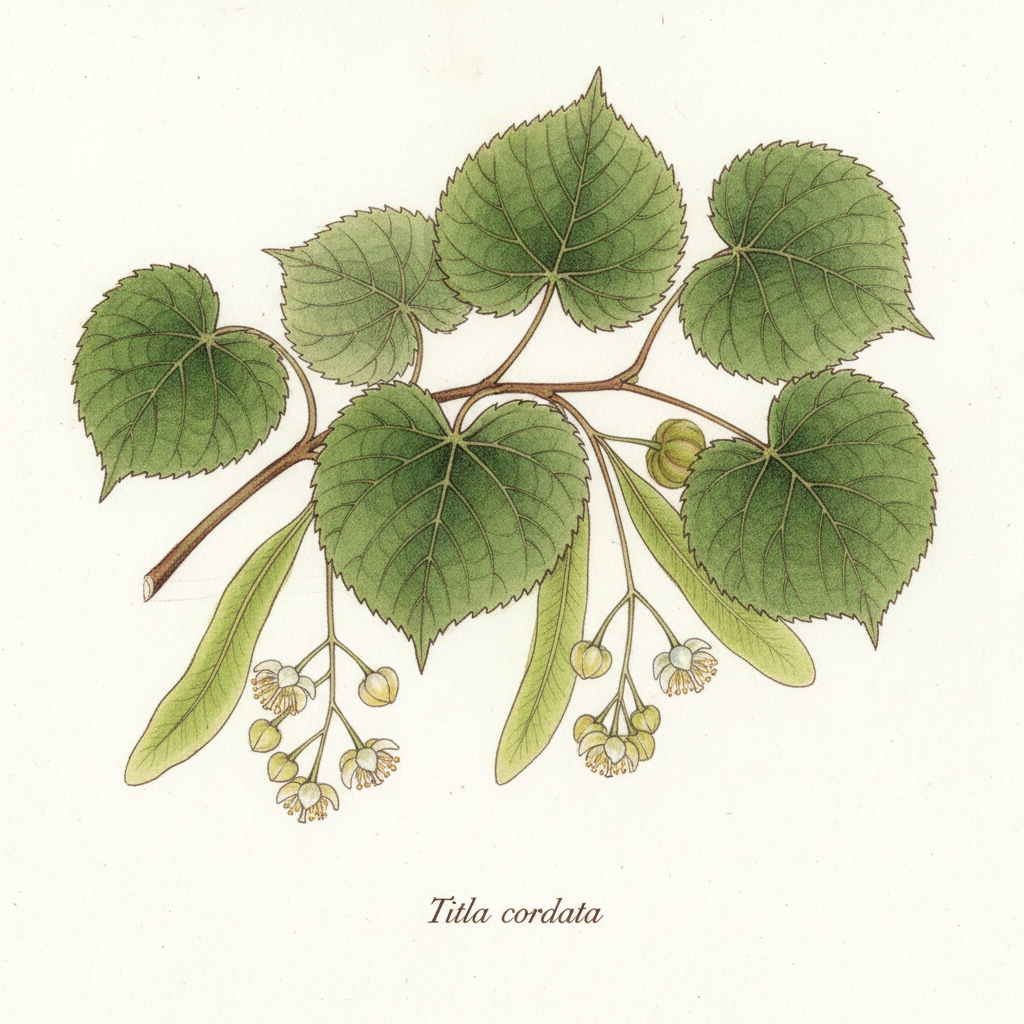
Tilia

Tilia

Tilia cordata

Stress relief
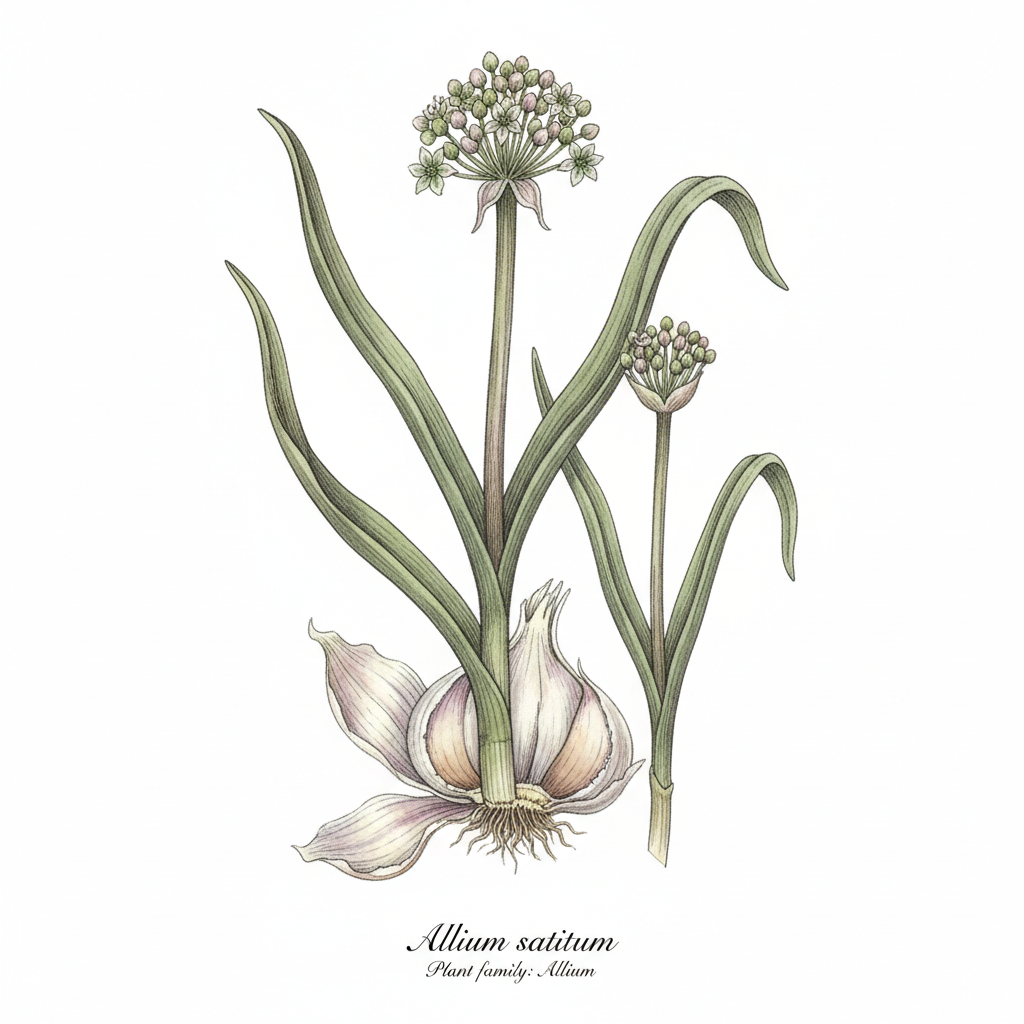
Garlic

Garlic

Allium sativum

Immune Support