The Wild Sage logo
The Wild Sage Logo

Herbal Medicine at your fingertips

Comprehensive database of herbal remedies with detailed safety information and traditional uses

New to herbal terms? Read the glossary →
ADHD
Abcess
Acid Reflux Relief
Acinetobacter
Acne
Acne Vulgaris
Addisons
Adenomyosis
Adenovirus
Adrenal fatigue
Aging
Aids
Alcaligenes faecalis
Alcoholism
Allergic Rhinitis
Allergies
Allergy
Alopoecia
Alopoecia nervosa
Alzheimer's, Dementia & Cognitive Decline
420 herbs found
Important: This information is for educational purposes only. Always consult with qualified healthcare professionals before using herbal remedies, especially if you have existing health conditions or take medications.
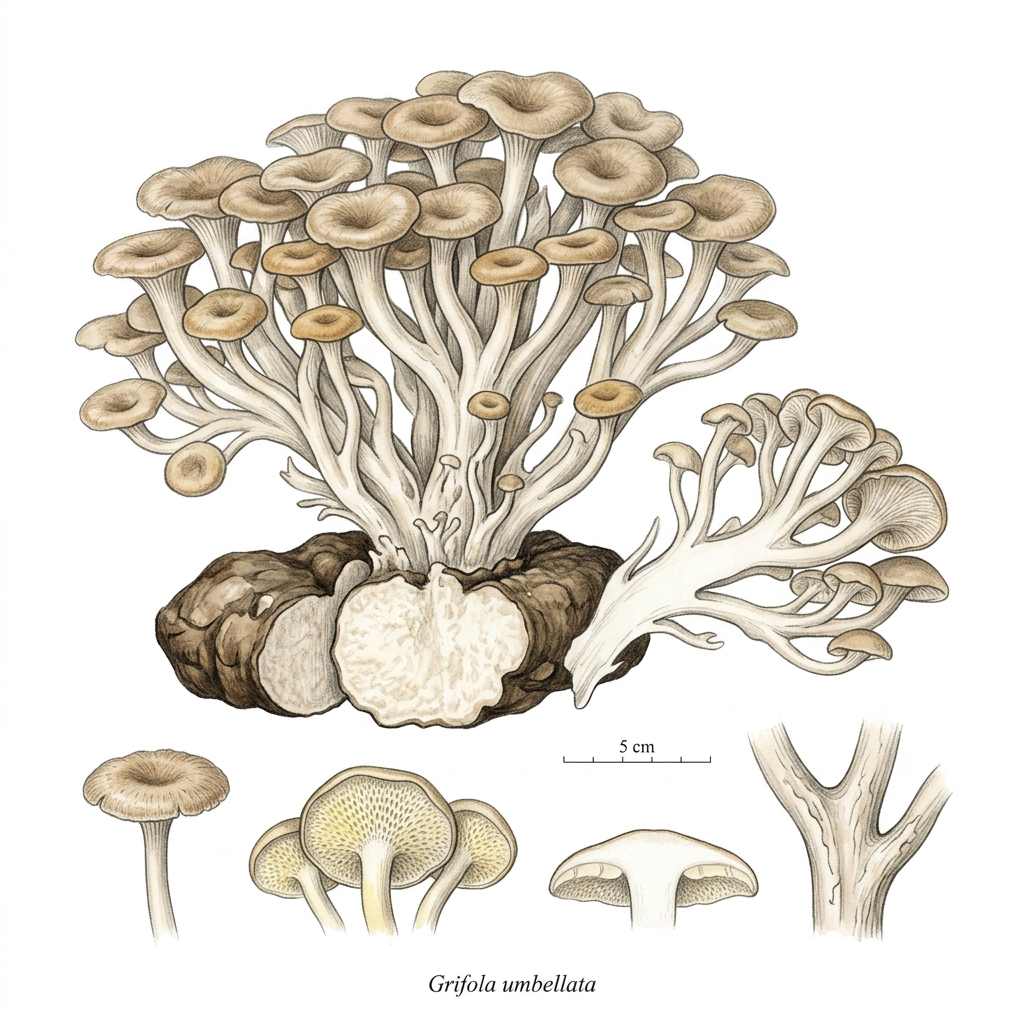
Grifola umbellata

Grifola umbellata

Grifola umbellata

low risk Risk
Meripilaceae
<p>Grifola umbellata, known commonly as Zhuling, is a parasitic fungus belonging to the Meripilaceae family, often found growing in clustered, fleshy, polypore structures at the base of broadleaf trees like oak and beech. Unlike its relative Maitake, it is characterised by its dense, branching structure that forms a complex, umbrella-like mass, which is highly valued for its dense, dark, sclerotium found underground.</p><p>Traditionally used for thousands of years in Traditional Chinese Medicine, it is historically revered as a powerful diuretic and a tonifying agent for the body's water metabolism. It has been employed to address damp-heat patterns, particularly when associated with urinary dysfunction, oedema, or vaginal discharge, acting as a gentle yet effective promoter of micturition without depleting the body's essential energy or yin.</p><p>Modern research has focused on its polysaccharide composition, specifically ergosterols and triterpenes, which are thought to provide immunomodulatory, hepatoprotective, and antioxidant effects. While clinical trials remain limited in Western literature, current investigation into its potential to support renal health and immune responsiveness is ongoing, suggesting a therapeutic role that aligns with its historical applications in balancing physiological fluids.</p><p>In my clinical practice, I use the sclerotium primarily as a support for the urinary system and as a restorative for the lymphatic system. It is often combined with other diuretics or immune-supporting herbs in liquid decoctions or powdered formats, as it is considered a food-grade medicinal substance that is generally well-tolerated by patients requiring long-term support for water retention or stagnant lymphatic conditions.</p>

Uses & Conditions

Immune Support
Bladder Cancer

Actions

Diuretic
Immunomodulator

Parts Used

Sclerotium
Fruiting body

Native Countries

Japan
China
Korea
North America

USDA Hardiness Zones

5
6
7
8

Contraindications

  • Pregnancy: avoid due to lack of safety data
  • Breastfeeding: avoid as safety has not been established
  • Known allergy to mushroom species
  • Severe kidney failure requiring strict fluid management without medical supervision
  • Pre-surgery: cease use at least two weeks prior to elective procedures

Potential Side Effects

  • Mild gastrointestinal upset including nausea or bloating
  • Occasional loose stools in sensitive individuals
  • Theoretical risk of electrolyte imbalance with long-term excessive use

Interactions

  • Anticoagulants and antiplatelet agents: theoretical risk of additive effects on coagulation
  • Hypoglycaemic agents: may potentiate blood glucose lowering effects
  • Diuretics: potential for synergistic effects increasing fluid excretion
  • Immunosuppressants: potential to modulate immune function which may interfere with therapy

Dosages, tincture ratios & research — members only

Unlock Garreth's dosing guidance, tincture ratios, the dosage calculator and the research studies for Grifola umbellata.

Your assessment and results stay saved — upgrading only unlocks more of them.

See membership plans

Community Photos

No community photos yet. Sign in to upload photos.

Reviews & Ratings

Sign in to leave a review.

No reviews yet. Be the first!

GF

Garreth Falls — B.Th., Dip. H.M., MNIMH

Content curated and reviewed by Garreth Falls, Consultant Medical Herbalist · The Wild Sage

Medical Disclaimer: This information is for educational purposes only and is not intended as medical advice. Always consult with qualified healthcare professionals before starting any herbal treatment.
Chinese tradition

Sustainability & quality

Cultivated

Increasingly cultivated to meet demand; verify provenance to ensure correct species identification.

Key constituents

Polysaccharides (e.g., beta-glucans), Ergosterol, Amino acids, Trace minerals, Terpenoids, -Glycoproteins, Fatty acids, Vitamins (e.g., B vitamins), Herbs That May Act Similarly Due to Constituents:, Ganoderma lucidum (Reishi), -Lentinula edodes (Shiitake), Trametes versicolor (Turkey Tail), Cordyceps sinensis

References

  1. Bensky "Chinese Herbal Medicine: Materia Medica" 3rd ed. 2004
  2. Herbal Reality. Herb monographs. herbalreality.com

Reviewed by Garreth, Medical Herbalist (MNIMH) · November 2026

Related conditions

Explore conditions where Grifola umbellata is traditionally used.

Related Herbs
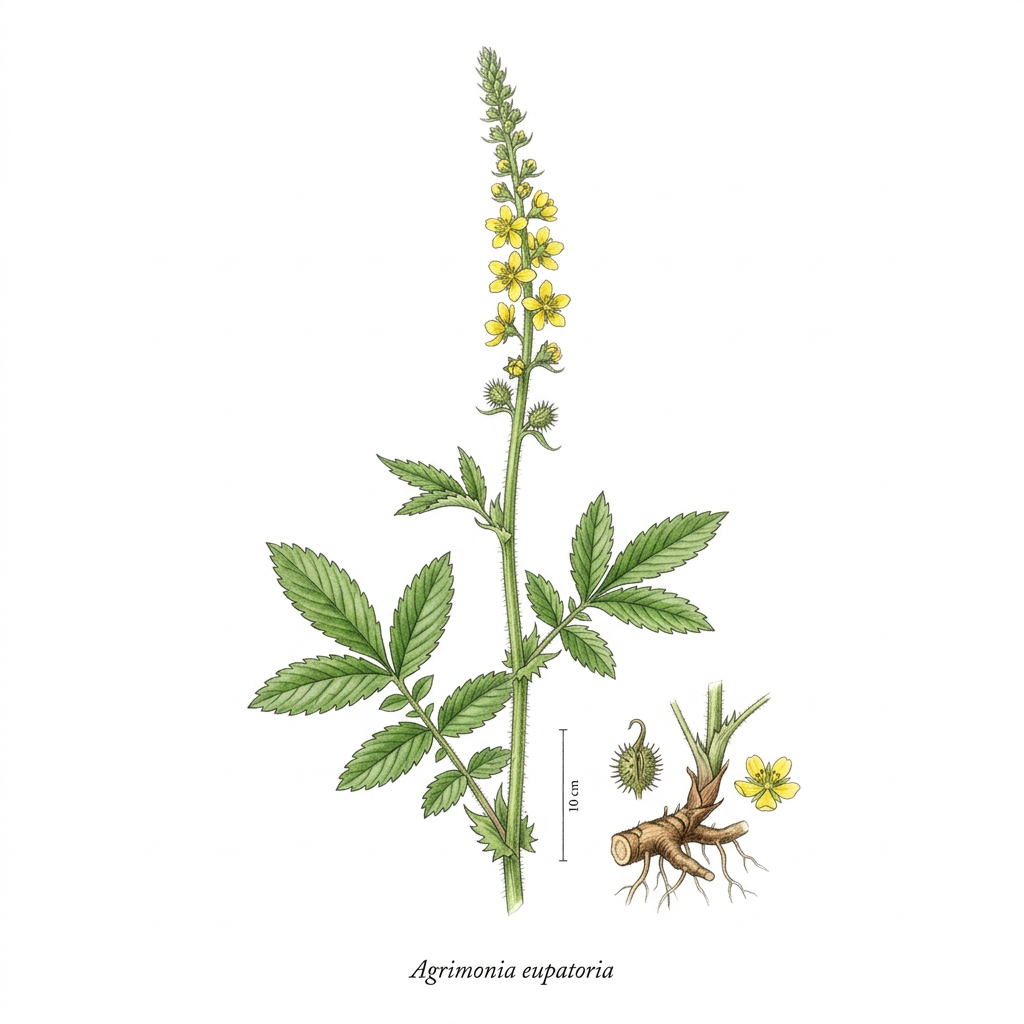
Agrimony

Agrimony

Agrimonia eupatoria

Digestive Aid
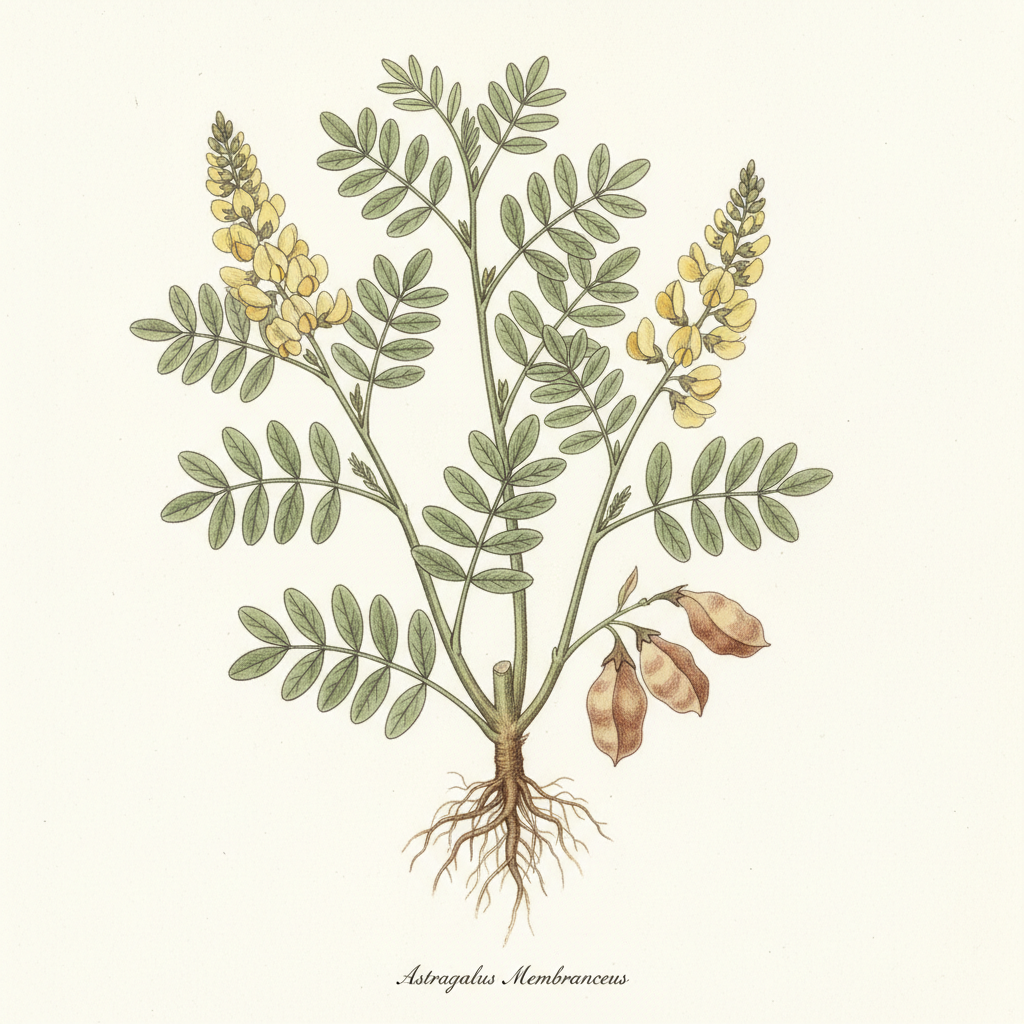
Huang qi

Huang qi

Astragalus membranaceus

Immune Support
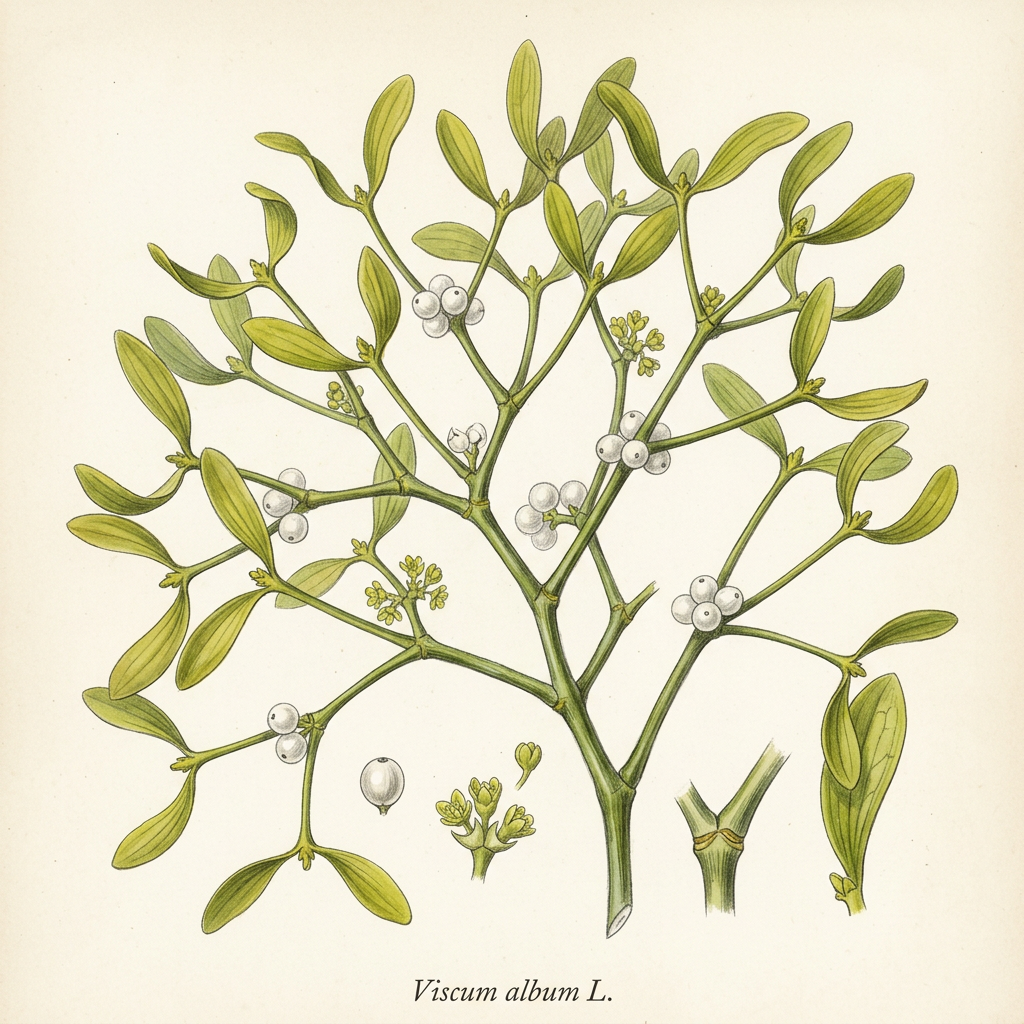
Mistletoe

Mistletoe

Viscum album

Immune Support
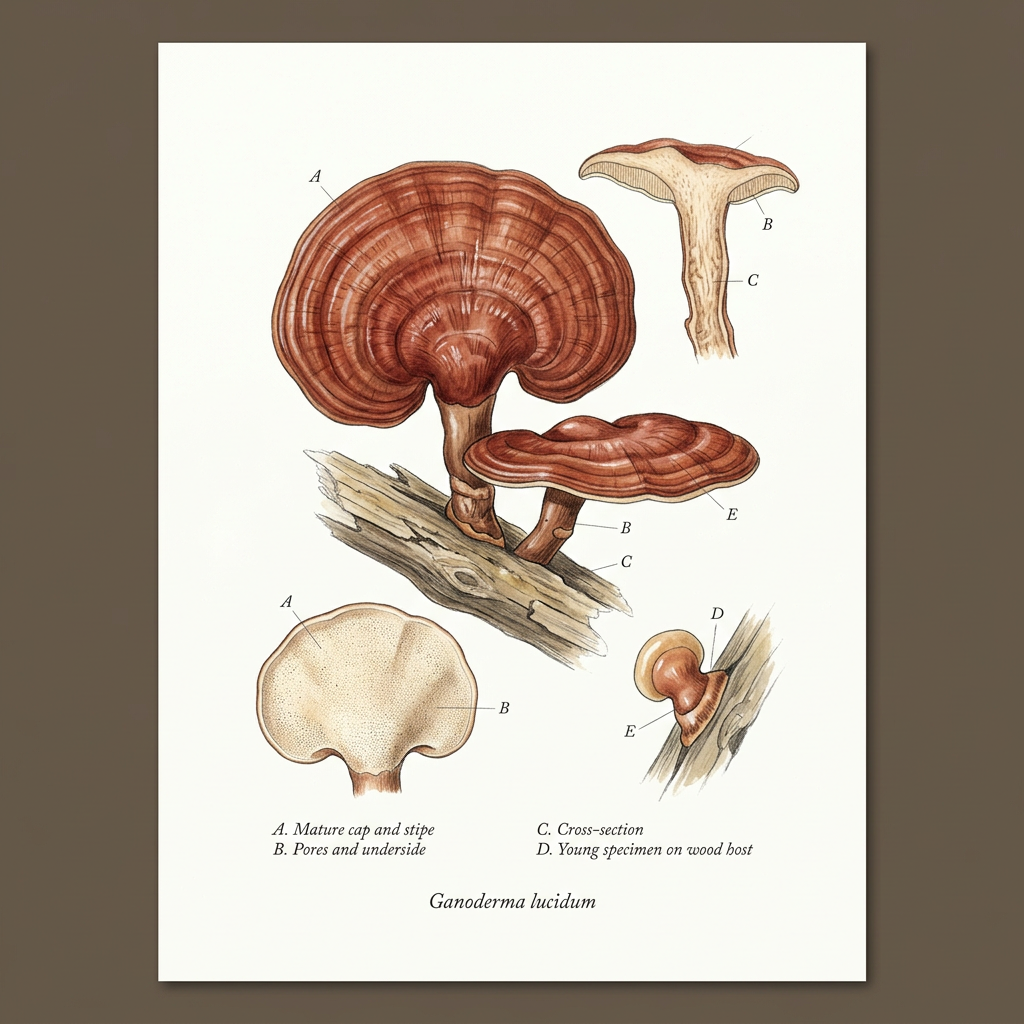
Reishi

Reishi

Ganoderma lucidum

Immune Support