The Wild Sage logo
The Wild Sage Logo

Herbal Medicine at your fingertips

Comprehensive database of herbal remedies with detailed safety information and traditional uses

New to herbal terms? Read the glossary →
ADHD
Abcess
Acid Reflux Relief
Acinetobacter
Acne
Acne Vulgaris
Addisons
Adenomyosis
Adenovirus
Adrenal fatigue
Aging
Aids
Alcaligenes faecalis
Alcoholism
Allergic Rhinitis
Allergies
Allergy
Alopoecia
Alopoecia nervosa
Alzheimer's, Dementia & Cognitive Decline
420 herbs found
Important: This information is for educational purposes only. Always consult with qualified healthcare professionals before using herbal remedies, especially if you have existing health conditions or take medications.
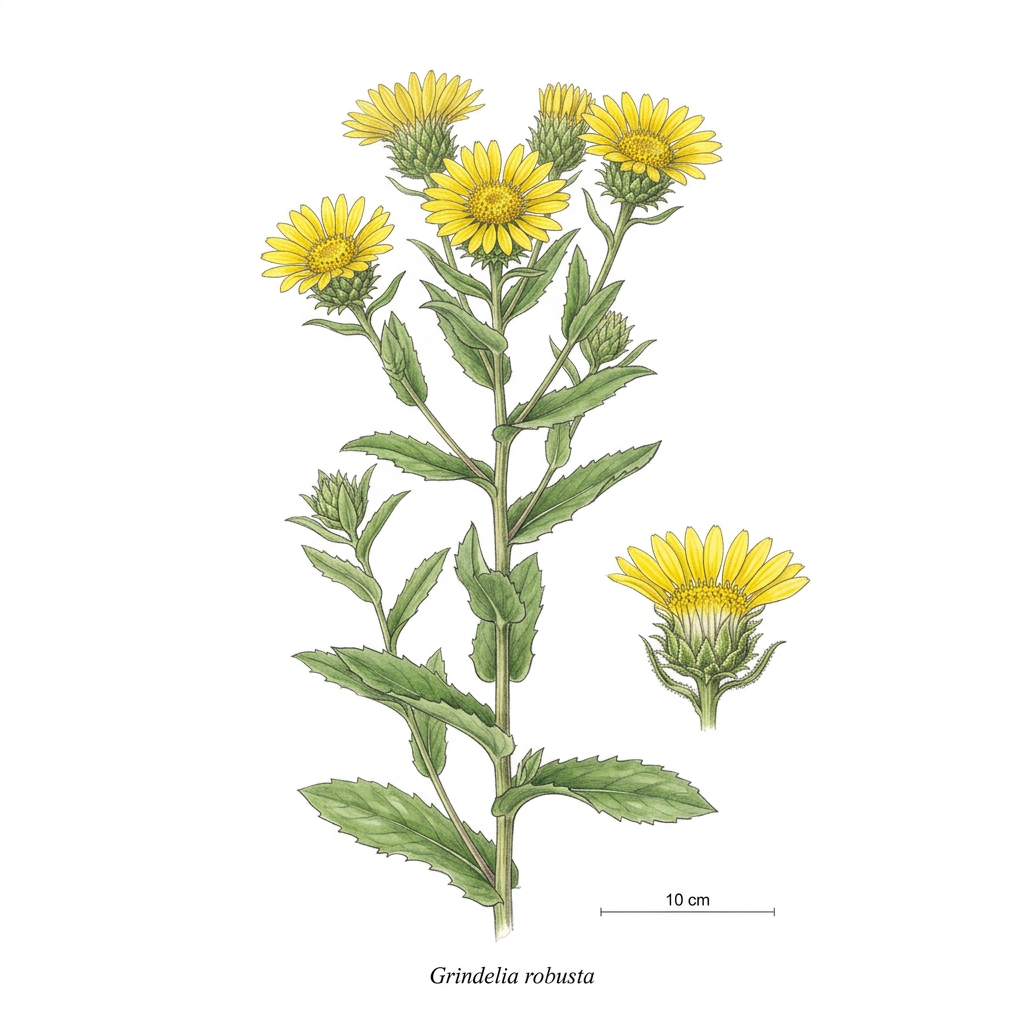
Grindelia

Grindelia

Grindelia robusta

moderate risk Risk
Asteraceae
bitter, cooling, moistening
<p>Grindelia, commonly known as gumweed, is a flowering plant in the Asteraceae family that thrives in the dry, sandy soils of North America. Historically, this herb has been utilized by Indigenous peoples for its therapeutic properties, particularly in the treatment of respiratory ailments. Traditionally, Grindelia has been prepared as an infusion or tincture, with practitioners recognizing its soothing effects on bronchial irritations and its role in addressing conditions such as asthma and bronchitis. Its rich history in herbal medicine underscores its significance as a natural remedy and highlights the deep understanding of local flora that has been passed through generations. The therapeutic benefits of Grindelia are primarily attributed to its anti-asthmatic, anti-inflammatory, and expectorant properties. The active constituents, including various flavonoids and resins, contribute to Grindelia's ability to relieve respiratory distress by calming the bronchial passages and facilitating mucus clearance. This herb not only alleviates symptoms of acute asthma attacks by relaxing smooth muscle contractions in the airways but also reduces inflammation, thereby improving overall pulmonary function. Additionally, Grindelia has been noted for its mild sedative effects, which can further aid individuals experiencing anxiety associated with difficulty breathing, creating a holistic approach to respiratory health. Mechanistically, Grindelia works by acting on the smooth muscle of the bronchial tissues, promoting bronchodilation, which eases airflow and alleviates symptoms of asthma and other respiratory disorders. The anti-inflammatory compounds present in Grindelia modulate the immune response, reducing the overactivity of inflammatory pathways that contribute to bronchospasm. By enhancing expectoration, it aids in clearing the airways of excessive mucus, which is particularly beneficial during respiratory infections or exacerbations of chronic conditions. Overall, Grindelia robusta stands out as a valuable herbal ally for individuals seeking natural support for their respiratory health.</p>

Uses & Conditions

Mucus clearance
Bronchodilation
Respiratory support
Asthma
Chronic Obstructive Pulmonary Disease (COPD)
Allergic Rhinitis
Cough
Catarrhal states of the respiratory system
Bronchitis
Respiratory infections

Actions

Anti-asthmatic
Anti-inflammatory
Sedative

Parts Used

Aerial parts

Native Countries

North America

USDA Hardiness Zones

USDA 3-11

Contraindications

  • Pregnancy due to potential emmenagogue effects
  • Breastfeeding due to lack of safety data
  • Pre-existing kidney disease or chronic renal inflammation
  • Children under 12 years of age
  • Heart conditions due to potential cardiac effects of resin components

Potential Side Effects

  • Mild gastrointestinal irritation or nausea at high doses
  • Minor skin irritation when applied topically due to resinous content
  • Occasional mild dizziness

Interactions

  • Diuretic medications due to potential additive effects
  • Lithium due to potentially altered excretion
  • Prescription respiratory medicines requiring cautious use

Dosages, tincture ratios & research — members only

Unlock Garreth's dosing guidance, tincture ratios, the dosage calculator and the research studies for Grindelia.

Your assessment and results stay saved — upgrading only unlocks more of them.

See membership plans

Community Photos

No community photos yet. Sign in to upload photos.

Reviews & Ratings

Sign in to leave a review.

No reviews yet. Be the first!

GF

Garreth Falls — B.Th., Dip. H.M., MNIMH

Content curated and reviewed by Garreth Falls, Consultant Medical Herbalist · The Wild Sage

Medical Disclaimer: This information is for educational purposes only and is not intended as medical advice. Always consult with qualified healthcare professionals before starting any herbal treatment.
Western tradition

Sustainability & quality

Cultivated

Grown in Mediterranean or similar climates. Ensure the plant material is clean, as the resinous nature of the plant can attract dust and debris.

Key constituents

Grindelic acid, Diterpene resins, Flavonoids (including quercetin and luteolin), Saponins, Essential oils (borneol, camphor), Tannins, Phenolic acids

References

  1. British Herbal Pharmacopoeia 1983
  2. Mills & Bone "The Essential Guide to Herbal Safety" 2005
  3. Herbal Reality. Herb monographs. herbalreality.com

Reviewed by Garreth, Medical Herbalist (MNIMH) · November 2026

Related conditions

Explore conditions where Grindelia is traditionally used.

Related Herbs
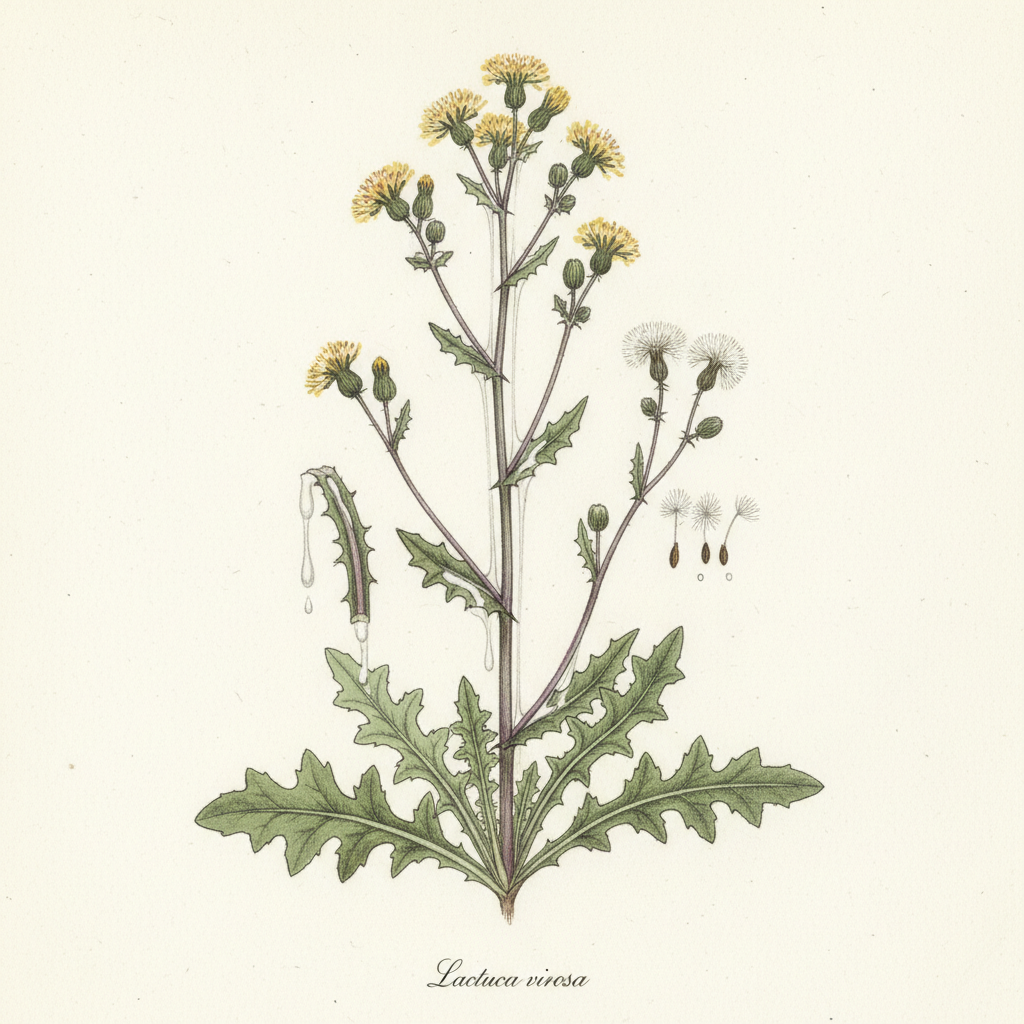
Wild Lettuce

Wild Lettuce

Lactuca virosa

Emotional Well-being
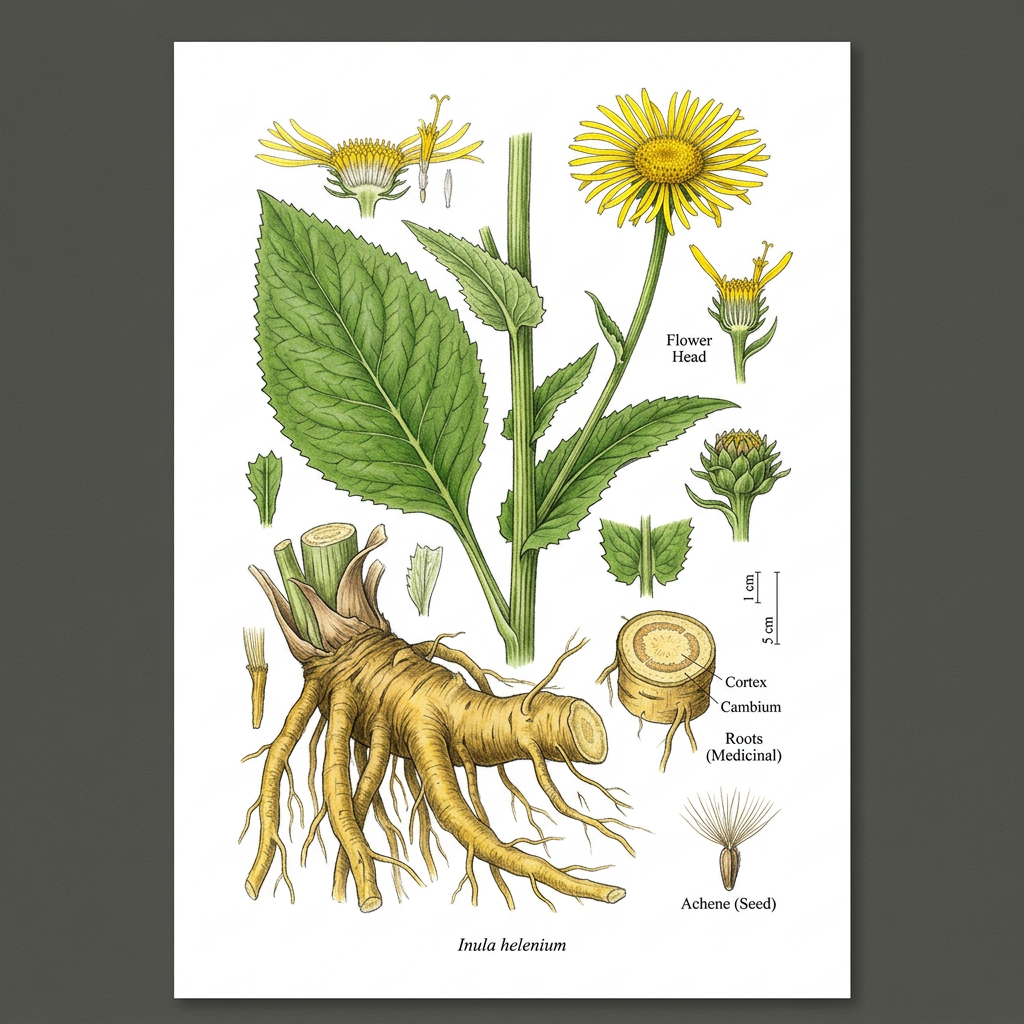
Elecampane

Elecampane

Inula helenium

Lung Health
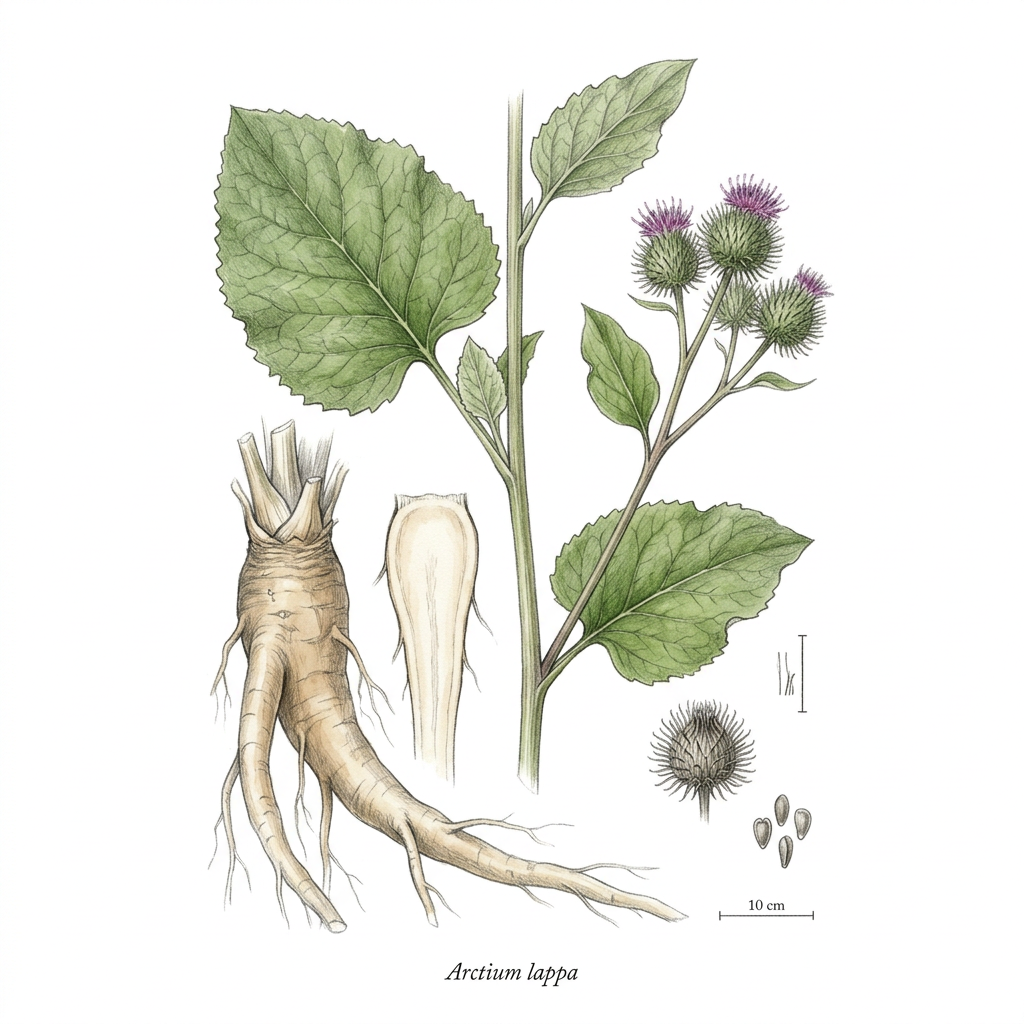
Burdock

Burdock

Arctium lappa

Detoxification
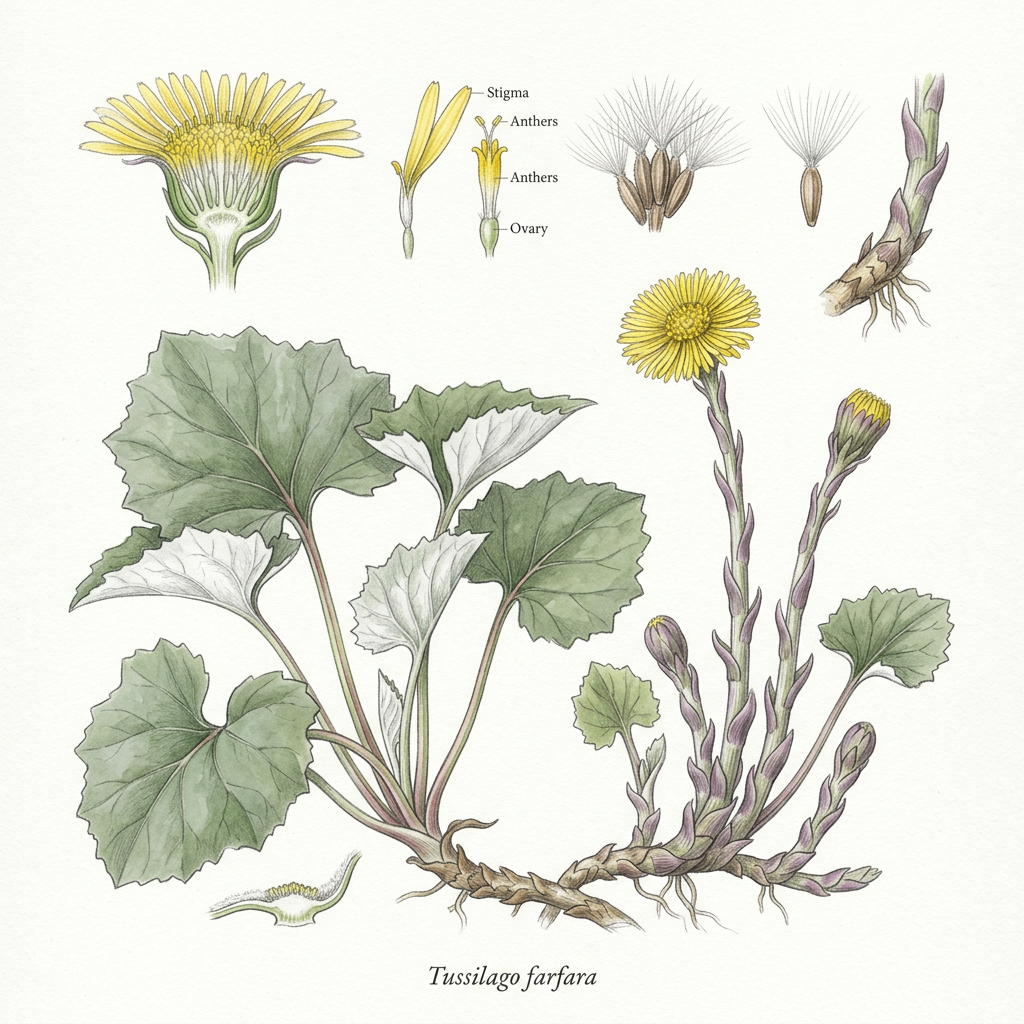
Coltsfoot

Coltsfoot

Tussilago farfara

Respiratory Support