The Wild Sage logo
The Wild Sage Logo

Herbal Medicine at your fingertips

Comprehensive database of herbal remedies with detailed safety information and traditional uses

New to herbal terms? Read the glossary →
ADHD
Abcess
Acid Reflux Relief
Acinetobacter
Acne
Acne Vulgaris
Addisons
Adenomyosis
Adenovirus
Adrenal fatigue
Aging
Aids
Alcaligenes faecalis
Alcoholism
Allergic Rhinitis
Allergies
Allergy
Alopoecia
Alopoecia nervosa
Alzheimer's, Dementia & Cognitive Decline
420 herbs found
Important: This information is for educational purposes only. Always consult with qualified healthcare professionals before using herbal remedies, especially if you have existing health conditions or take medications.
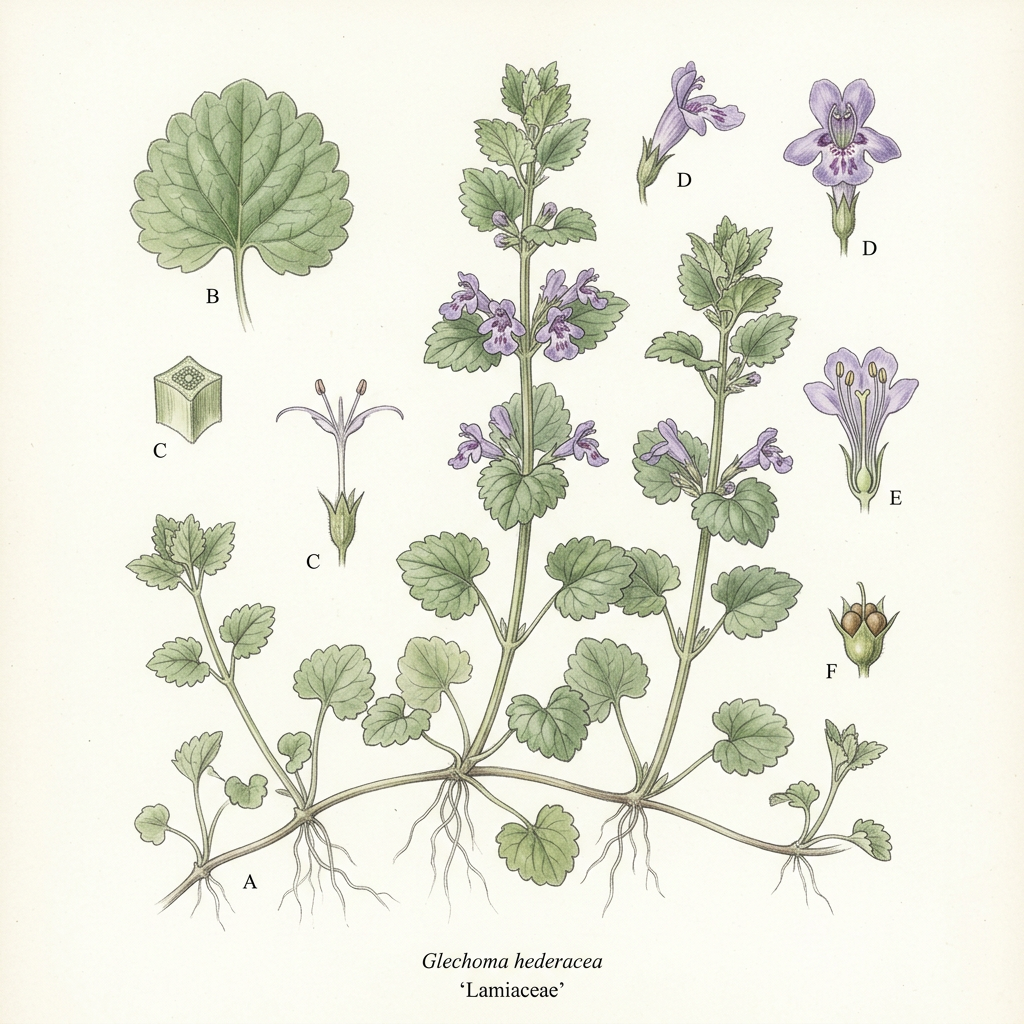
Ground ivy

Ground ivy

Glechoma hederacea

low risk Risk
Lamiaceae
Often associated with grounding and calming effects, promoting respiratory health and enhancing mental clarity. For stuck solid phelgm
<p>Ground ivy, also known as creeping Charlie, is a perennial herbaceous plant in the mint family (Lamiaceae) that has been utilized in traditional herbal medicine for centuries. Native to Europe and parts of Asia, ground ivy has spread to North America and is often found in moist, shaded woodlands and gardens. Historically, this resilient herb was valued not only for its robust, aromatic foliage but also for its array of therapeutic uses. Ancient Greeks and Romans recognized ground ivy's properties, employing it to treat respiratory ailments and various digestive issues. In folklore, it was often associated with protective charms and was regarded as a potent remedy for ailments ranging from coughs to digestive disturbances. The key therapeutic properties of ground ivy can be attributed to its rich phytochemical profile, which includes flavonoids, essential oils, and tannins. These compounds bestow the herb with relaxant and calming effects, making it particularly effective for alleviating stress and promoting respiratory health. Ground ivy acts as a respiratory stimulant, helping to ease respiratory conditions by opening the airways and facilitating easier breathing. Additionally, its anti-inflammatory and diuretic properties contribute to its effectiveness in treating urinary tract infections and supporting kidney function. The herb is also traditionally used to combat coughs and bronchitis, thanks to its capacity to soothe inflamed mucous membranes and promote expectoration. In the body, ground ivy operates through multiple mechanisms. The relaxation attributed to its essential oils helps reduce tension and anxiety, promoting a sense of calm and well-being. Its constituents stimulate the production of mucus, providing a protective barrier to the respiratory tract, while simultaneously assisting in the clearance of phlegm. This dual action not only aids in relieving cough symptoms but also enhances overall respiratory function. Moreover, its diuretic effects assist in flushing out toxins and reducing water retention, making it beneficial for kidney health. Ground ivy, with its blend of soothing, restorative, and stimulating effects, remains a fascinating herb for both contemporary herbalists and those interested in traditional remedies.</p>

Uses & Conditions

Stress Relief
Calming
Toxin Flushing
Respiratory Diseases
Bronchitis
Dry Cough
Sinusitis
Catarrhal States
Catarrhal Deafness
Digestive Issues
Gastrointestinal Upset
Urinary Tract Infections
Kidney Support
Water Retention
Heavy Metal Toxicity

Actions

Respiratory Stimulant
Anti-inflammatory
Relaxant
Diuretic

Synonyms

Nepata hederacea

Parts Used

Aerial parts.

Native Countries

Europe
mediterranean
northern Europe.

USDA Hardiness Zones

USDA 3-9

Contraindications

  • Pregnancy and breastfeeding
  • Known history of epilepsy or seizure disorders
  • Chronic kidney disease with impaired renal function
  • Known allergy to plants in the Lamiaceae family
  • Children under 12 years of age

Potential Side Effects

  • Gastrointestinal upset caused by saponins

Interactions

  • Diuretic medications
  • Anticoagulant or antiplatelet drugs
  • Sedative medications including benzodiazepines and herbal sedatives

Dosages, tincture ratios & research — members only

Unlock Garreth's dosing guidance, tincture ratios, the dosage calculator and the research studies for Ground ivy.

Your assessment and results stay saved — upgrading only unlocks more of them.

See membership plans

Community Photos

No community photos yet. Sign in to upload photos.

Reviews & Ratings

Sign in to leave a review.

No reviews yet. Be the first!

GF

Garreth Falls — B.Th., Dip. H.M., MNIMH

Content curated and reviewed by Garreth Falls, Consultant Medical Herbalist · The Wild Sage

Medical Disclaimer: This information is for educational purposes only and is not intended as medical advice. Always consult with qualified healthcare professionals before starting any herbal treatment.
Western tradition

Sustainability & quality

Abundant

A common weed in damp, shady areas. Very easy to find for wild harvesting; avoid areas treated with herbicides.

Key constituents

Choline, Furulic acid, Genistein, Caffeic acid, Quercetin, Rutin

References

  1. British Herbal Pharmacopoeia 1983
  2. Herbal Reality. Herb monographs. herbalreality.com

Reviewed by Garreth, Medical Herbalist (MNIMH) · November 2026

Related conditions

Explore conditions where Ground ivy is traditionally used.

Related Herbs
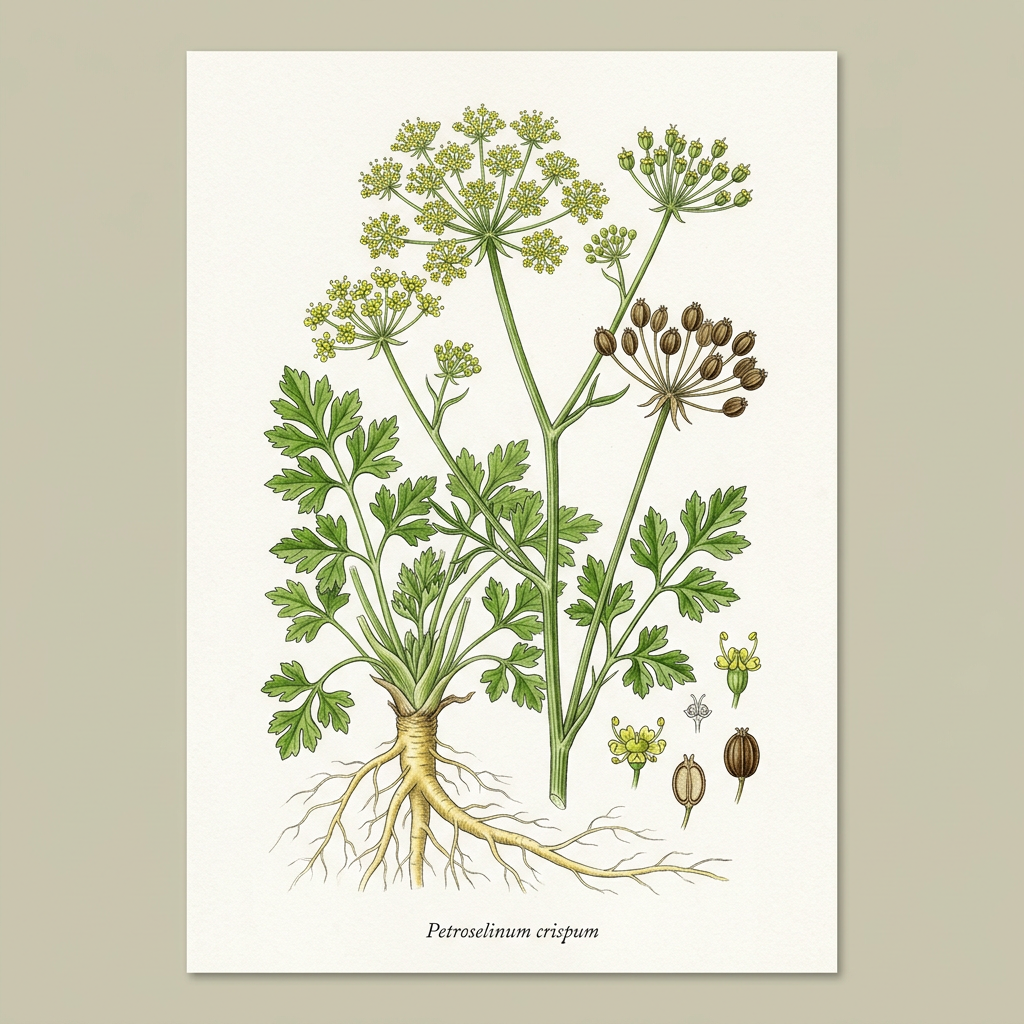
Parsley

Parsley

Petroselinum crispum

Digestive Aid
Elder

Elder

Sambucus nigra

Immune Support
Garlic

Garlic

Allium sativum

Immune Support
Hyssop

Hyssop

Hyssopus officinalis

Respiratory Support