

Herbal Medicine at your fingertips
Comprehensive database of herbal remedies with detailed safety information and traditional uses
New to herbal terms? Read the glossary →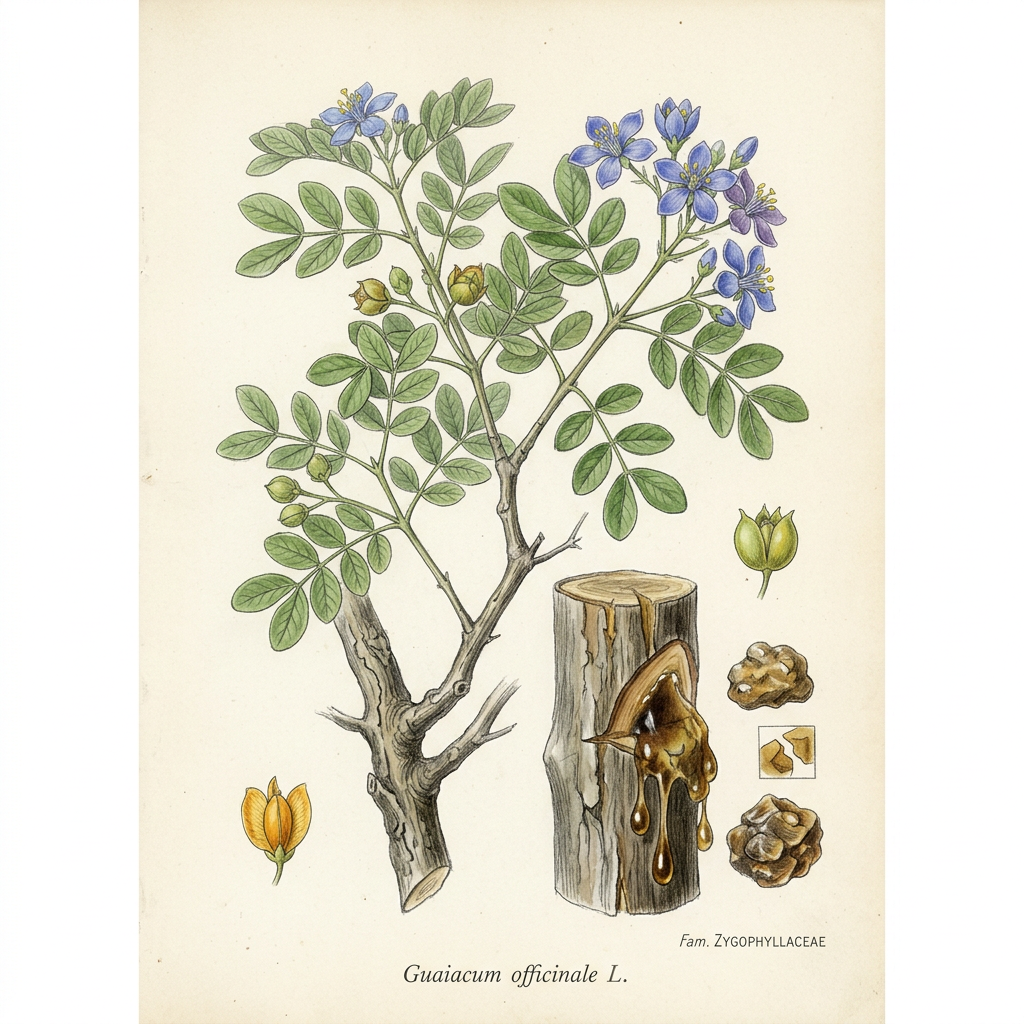
Guaiac
Guaiacum officinale
Guiacum officinale, commonly known as guaiac, is a tree native to the tropical regions of the Americas, particularly found in the Caribbean and parts of Central America. Historically, guaiac has been utilized in traditional medicine for centuries, particularly among indigenous populations who recognized its therapeutic potential. In the 16th century, it gained prominence in Europe as a treatment for syphilis, garnering a reputation as a 'cure-all' due to its various medicinal properties. Herbal practitioners historically used guaiac as an anti-inflammatory, analgesic, and as a means of supporting respiratory health, among other indications. Its deep-rooted associations in both folk and pharmaceutical medicine continue to be explored by modern herbalists and researchers.
Guiacum officinale possesses a range of key therapeutic properties that contribute to its use in herbal medicine. Notably rich in guaiac resin, the herb exhibits potent anti-inflammatory and analgesic effects, making it beneficial for conditions characterized by pain and inflammation, such as arthritis and muscular discomfort. Furthermore, its antifungal and antibacterial properties have led to its use in treating infections, while its expectorant qualities assist in alleviating respiratory ailments, promoting phlegm clearance and facilitating easier breathing. Emerging research suggests that guaiac may also have antioxidant properties, potentially providing cellular protection against oxidative stress and contributing to overall wellbeing.
The therapeutic effects of Guiacum officinale are largely attributed to its active compounds, particularly resins, flavonoids, and essential oils. These constituents interact with various systems in the body, including the immune and nervous systems, modulating inflammatory responses and supporting detoxification processes. Guaiac is believed to stimulate gastrointestinal health and enhance circulation, further establishing its role in promoting both physical and emotional wellness. As ongoing studies continue to validate traditional uses of this remarkable herb, Guiacum officinale remains a compelling subject for herbalists, healthcare practitioners, and those interested in the intersection of natural medicine and scientific inquiry.
Uses & Conditions
Actions
Parts Used
Native Countries
USDA Hardiness Zones
Contraindications
- Kidney stones
- Pregnancy
- Lactation
- Gastric or duodenal ulcers
Potential Side Effects
- Nausea
- Diarrhoea
- Skin rashes
- Dermatitis
Interactions
- Non-steroidal anti-inflammatory drugs (NSAIDs): potential additive effects
- Anticoagulants or antiplatelet therapy: theoretical risk of increased bleeding
- Medicines metabolised by the liver: potential for altered hepatic enzyme pathways
Dosages, tincture ratios & research — members only
Unlock Garreth's dosing guidance, tincture ratios, the dosage calculator and the research studies for Guaiac.
Your assessment and results stay saved — upgrading only unlocks more of them.
See membership plansCommunity Photos
No community photos yet. Sign in to upload photos.
Reviews & Ratings
Sign in to leave a review.
No reviews yet. Be the first!
Garreth Falls — B.Th., Dip. H.M., MNIMH
Content curated and reviewed by Garreth Falls, Consultant Medical Herbalist · The Wild Sage
Sustainability & quality
At riskThe wood is obtained from slow-growing trees in the Caribbean. Use only ethically harvested, certified supplies to avoid contributing to forest depletion.
Key constituents
Guaiaconic acid, Guaiacic acid, Beta-guaiaconic acid, Vanillin, Terpenoids, Resinous complex (guaiac resin), Saponins
References
- British Herbal Pharmacopoeia 1983
- Herbal Reality. Herb monographs. herbalreality.com
Related conditions
Explore conditions where Guaiac is traditionally used.
Related Herbs
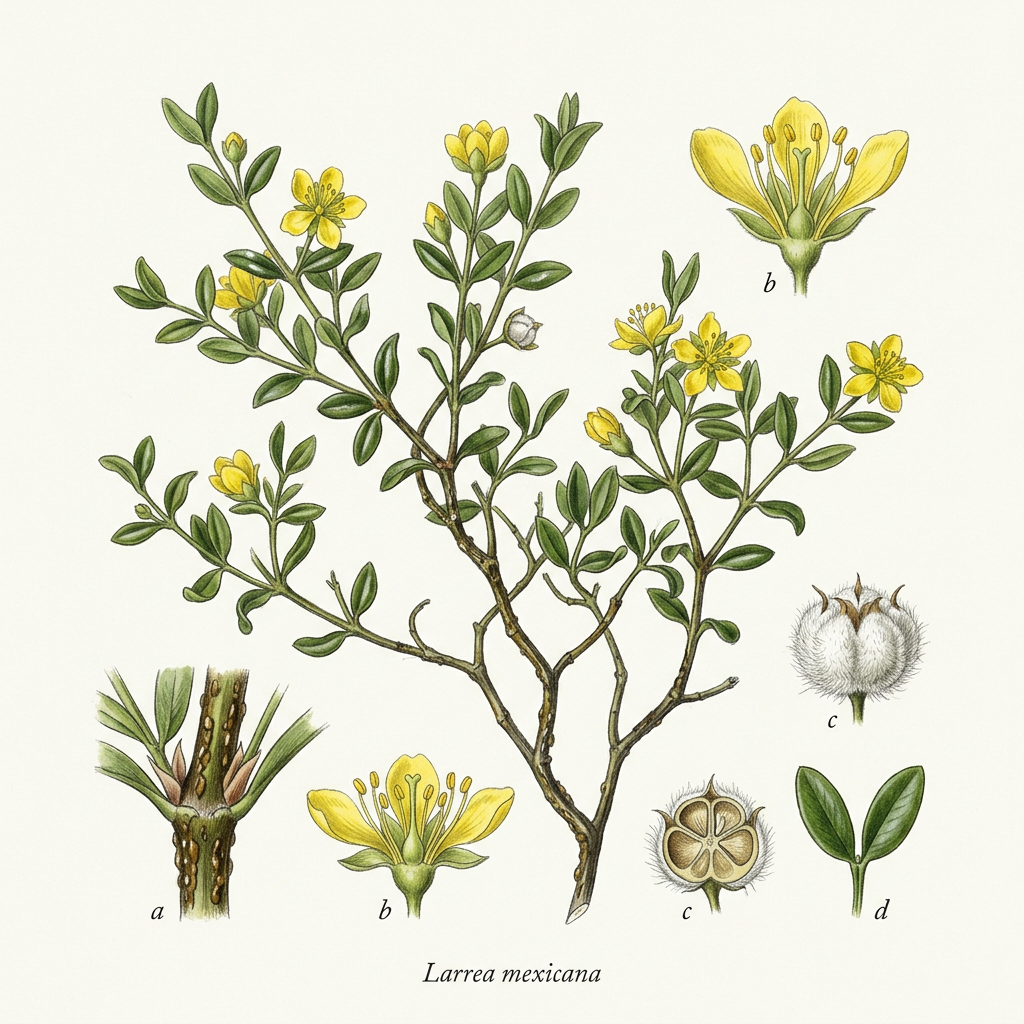
Chaparral
Larrea tridentata
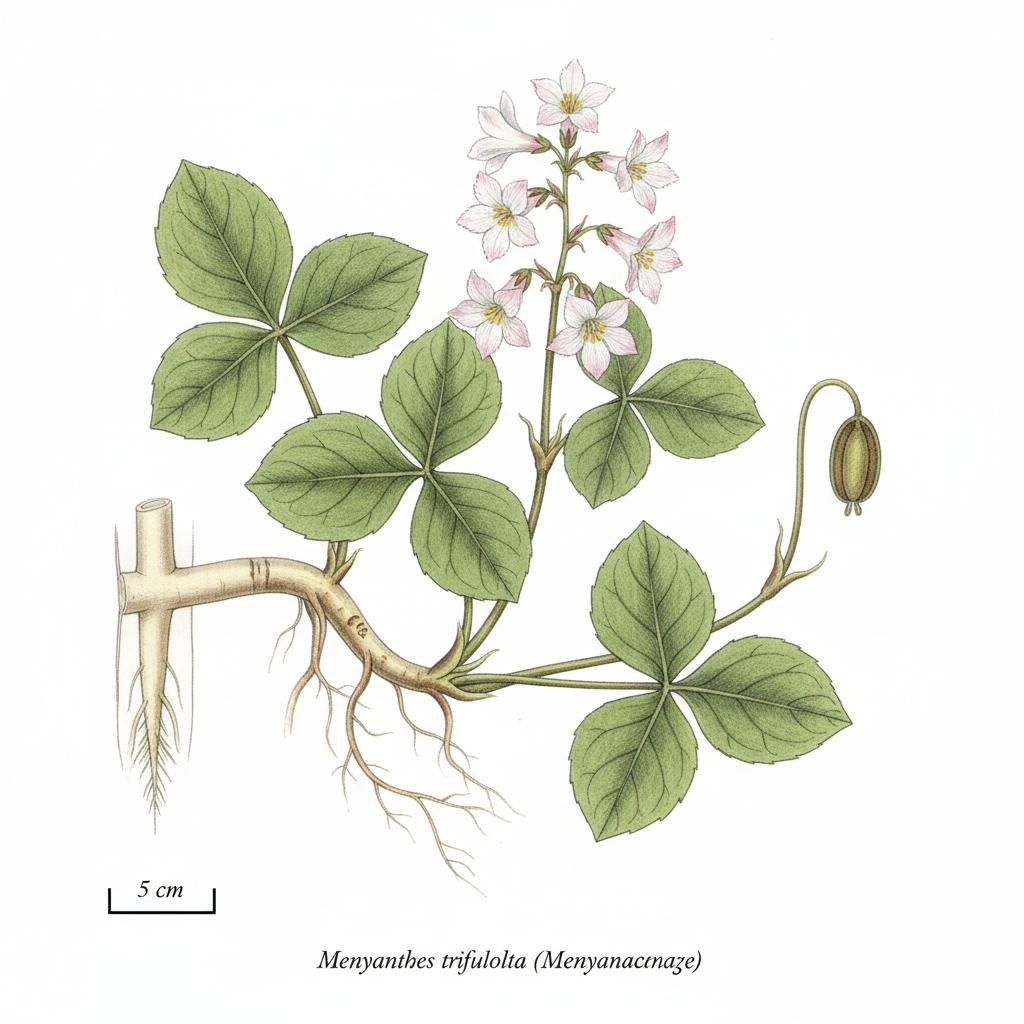
Bogbean
Menyanthes trifoliata
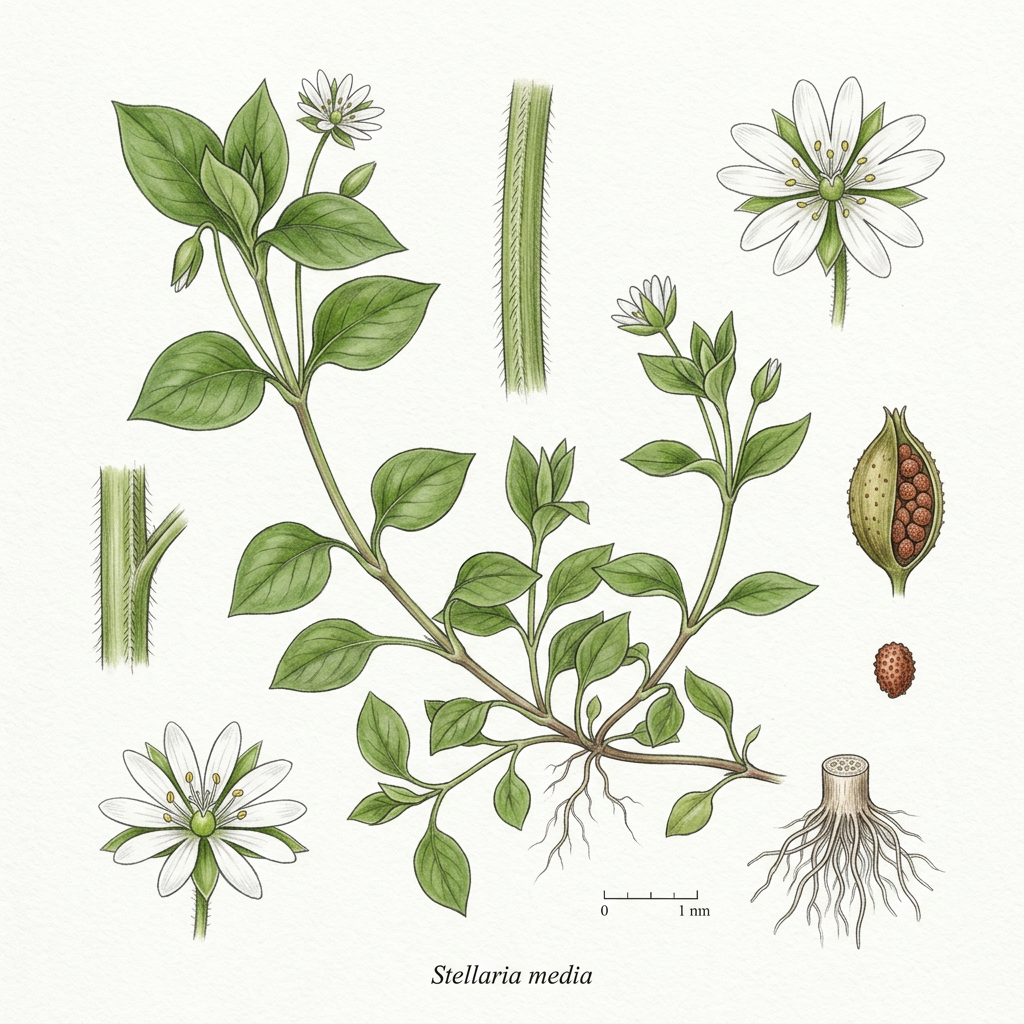
Chickweed
Stellaria media
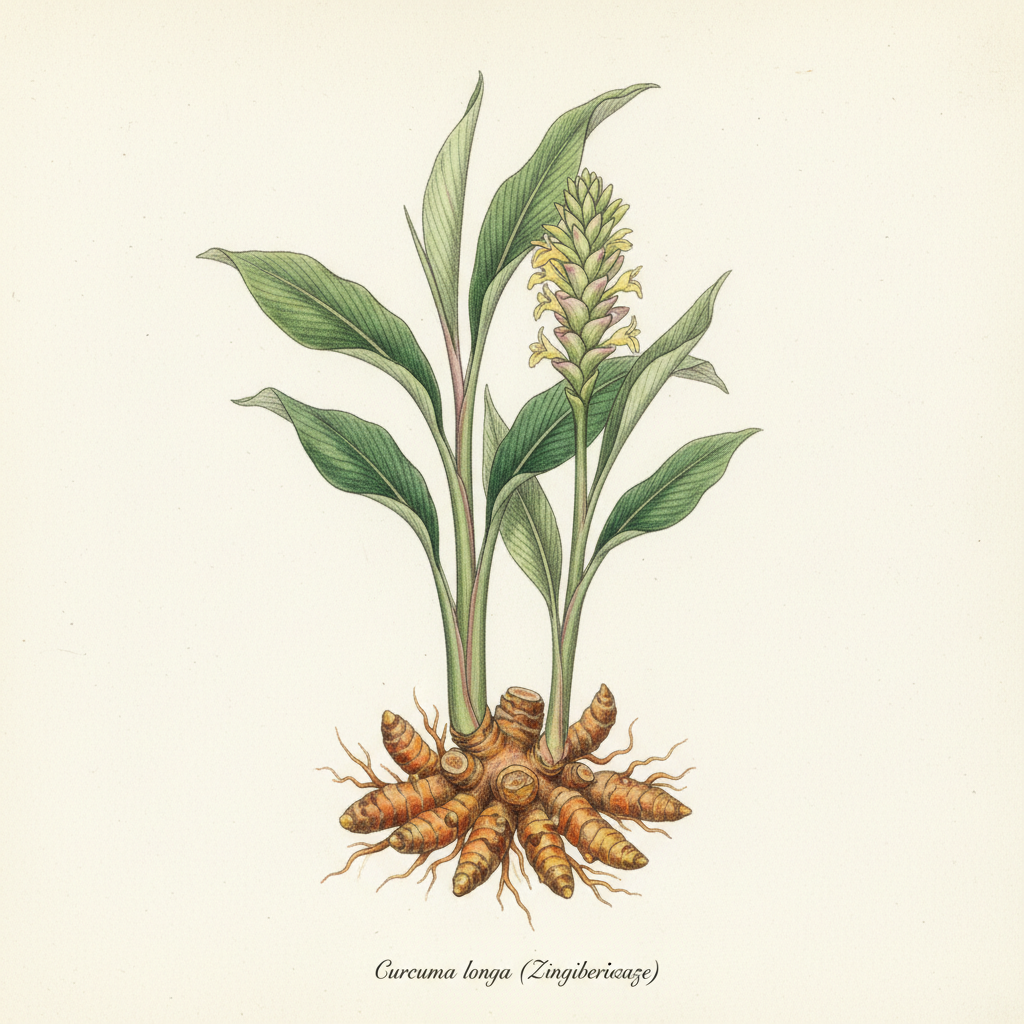
Turmeric
Curcuma longa