The Wild Sage logo
The Wild Sage Logo

Herbal Medicine at your fingertips

Comprehensive database of herbal remedies with detailed safety information and traditional uses

New to herbal terms? Read the glossary →
ADHD
Abcess
Acid Reflux Relief
Acinetobacter
Acne
Acne Vulgaris
Addisons
Adenomyosis
Adenovirus
Adrenal fatigue
Aging
Aids
Alcaligenes faecalis
Alcoholism
Allergic Rhinitis
Allergies
Allergy
Alopoecia
Alopoecia nervosa
Alzheimer's, Dementia & Cognitive Decline
420 herbs found
Important: This information is for educational purposes only. Always consult with qualified healthcare professionals before using herbal remedies, especially if you have existing health conditions or take medications.
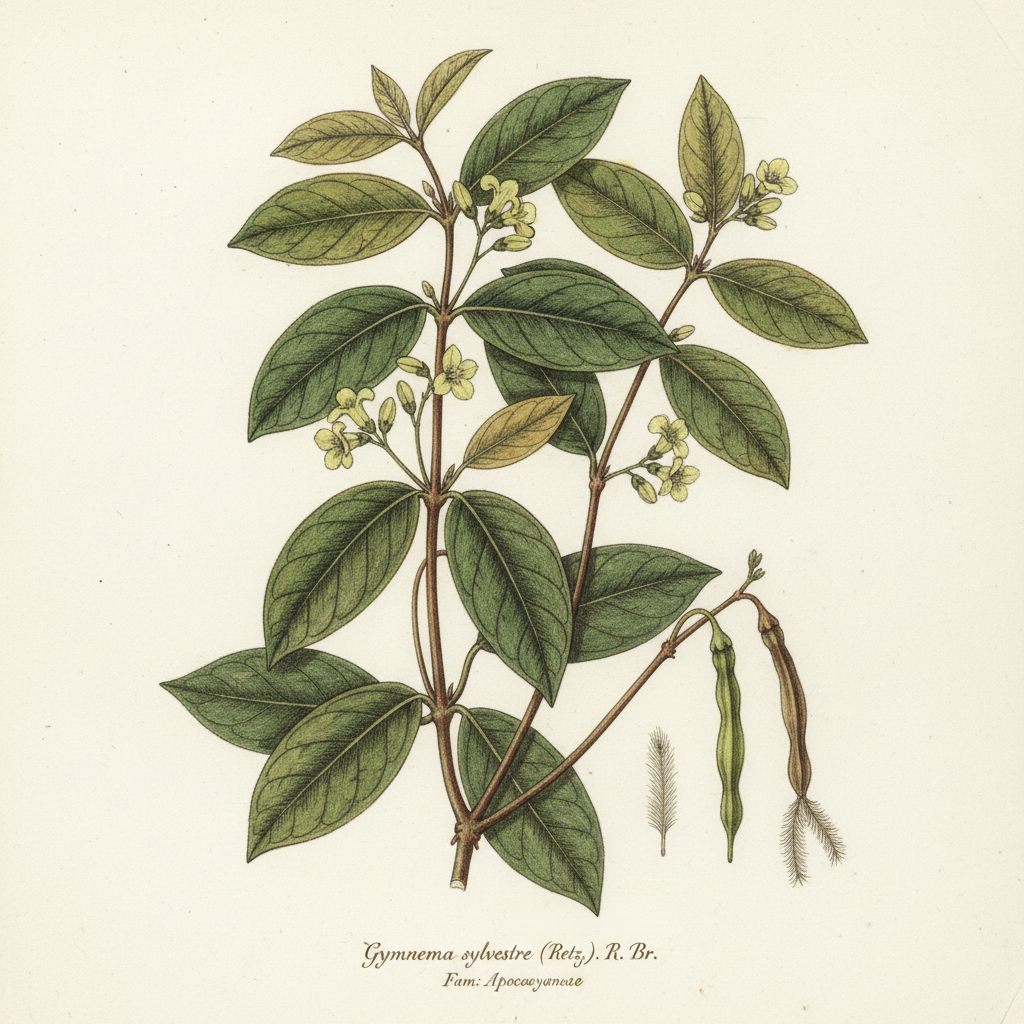
Gymnema

Gymnema

Gymnema sylvestre

low risk Risk
Assclepiadaceae
cooling to excess heat
<p>Gymnema sylvestre, commonly known as "the sugar destroyer," is a perennial climbing plant native to the tropical forests of India and Africa. Traditionally, this herb has been utilized in Ayurveda, an ancient system of medicine from India, where it has been revered for its ability to support healthy blood sugar levels and combat excessive sugar cravings. In folklore, Gymnema is said to have a unique ability to diminish the sweet taste of sugar, a property that has earned it a place in holistic healing practices aimed at enhancing dietary control, especially for individuals managing diabetes or those seeking weight management solutions. Historically, Gymnema leaves have been consumed in various forms, from teas to powders, demonstrating its versatility in both culinary and medicinal applications. The therapeutic properties of Gymnema are primarily attributed to its active constituents, including gymnemic acids, which play a significant role in its health benefits. Research suggests that Gymnema sylvestre can effectively support blood glucose regulation by enhancing insulin function and promoting the regeneration of pancreatic beta cells, thereby improving overall glucose metabolism. Additionally, it may aid in curbing sugar cravings and reducing appetite, making it a valuable ally for those looking to manage their weight or reduce sugar intake. Its anti-inflammatory and antioxidant properties further contribute to its potential in supporting cardiovascular health and overall metabolic balance. Gymnema functions in the body through a multifaceted approach. The gymnemic acids found in the leaves bind to the taste receptors on the tongue, temporarily blocking the ability to perceive sweetness, which can greatly diminish the desire for sugary foods. Moreover, these compounds may inhibit the absorption of glucose in the intestines, playing a crucial role in managing post-meal blood sugar spikes. By fostering a balanced glucose response and encouraging healthier eating habits, Gymnema sylvestre emerges as a compelling ally for those striving for metabolic health, making it an essential herb for modern wellness practices.</p>

Uses & Conditions

Sugar Intake Reduction
Weight Management
Taste Receptor Blockage
Diabetes Mellitus
Metabolic Syndrome
Obesity
Oxidative Stress
Digestive Issues
Acne

Actions

Anti-inflammatory
Antioxidant

Parts Used

Leaves

Native Countries

India

USDA Hardiness Zones

USDA 10-11

Dosages, tincture ratios & research — members only

Unlock Garreth's dosing guidance, tincture ratios, the dosage calculator and the research studies for Gymnema.

Your assessment and results stay saved — upgrading only unlocks more of them.

See membership plans

Community Photos

No community photos yet. Sign in to upload photos.

Reviews & Ratings

Sign in to leave a review.

No reviews yet. Be the first!

GF

Garreth Falls — B.Th., Dip. H.M., MNIMH

Content curated and reviewed by Garreth Falls, Consultant Medical Herbalist · The Wild Sage

Medical Disclaimer: This information is for educational purposes only and is not intended as medical advice. Always consult with qualified healthcare professionals before starting any herbal treatment.
Ayurvedic tradition

Sustainability & quality

At risk

High demand has placed pressure on wild populations. Prioritise certified cultivated material to ensure long-term availability.

References

  1. Pole "Ayurvedic Medicine" 2006

Reviewed by Garreth, Medical Herbalist (MNIMH) · November 2026

Related conditions

Explore conditions where Gymnema is traditionally used.

Related Herbs
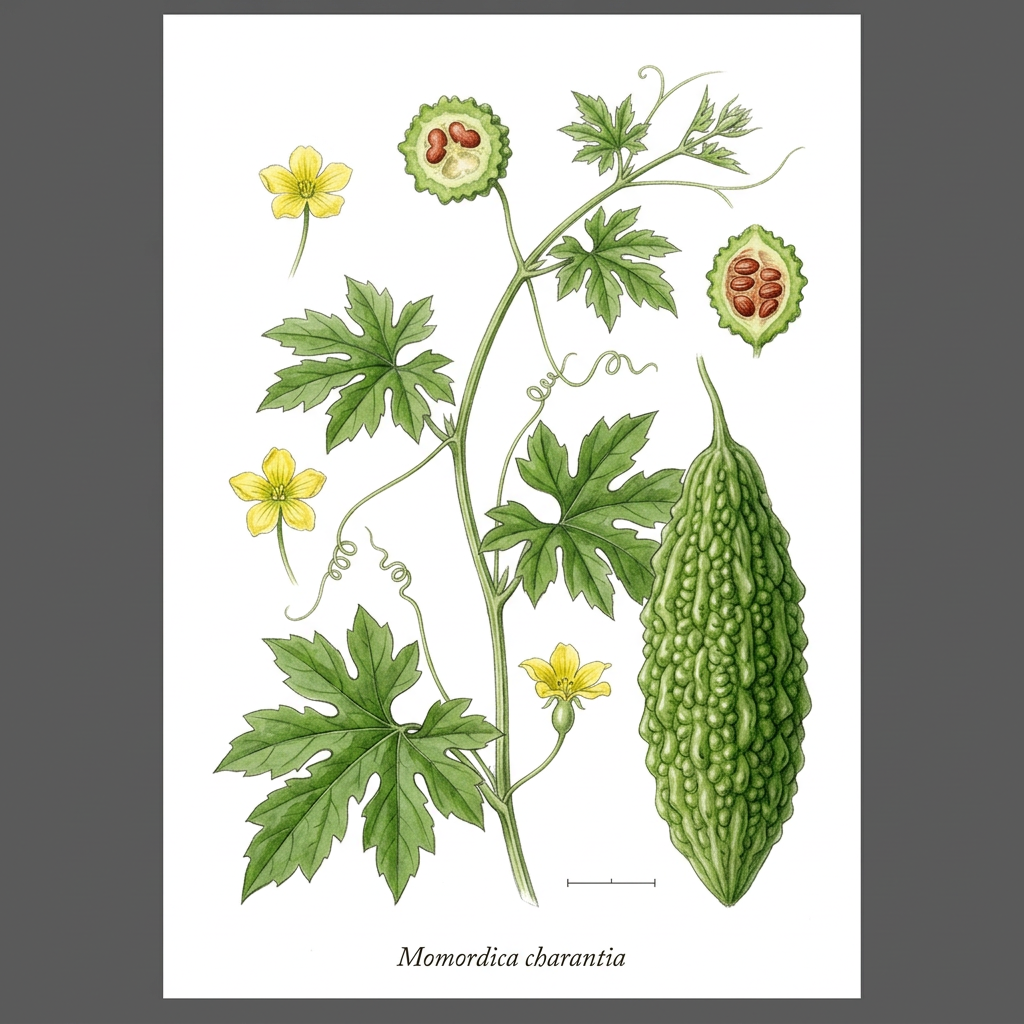
Bitter Melon

Bitter Melon

Momordica charantia

Blood Sugar Support
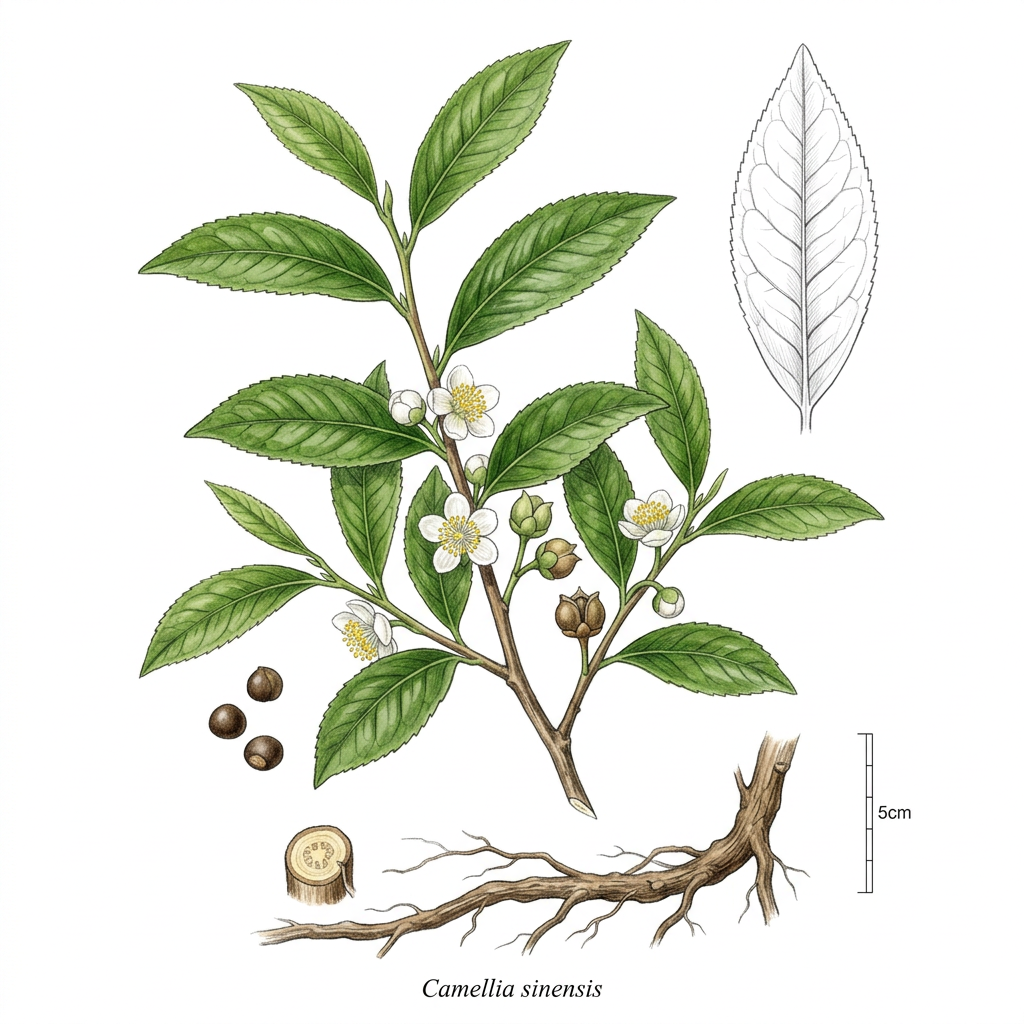
Green Tea

Green Tea

Camellia sinensis

Hypertension
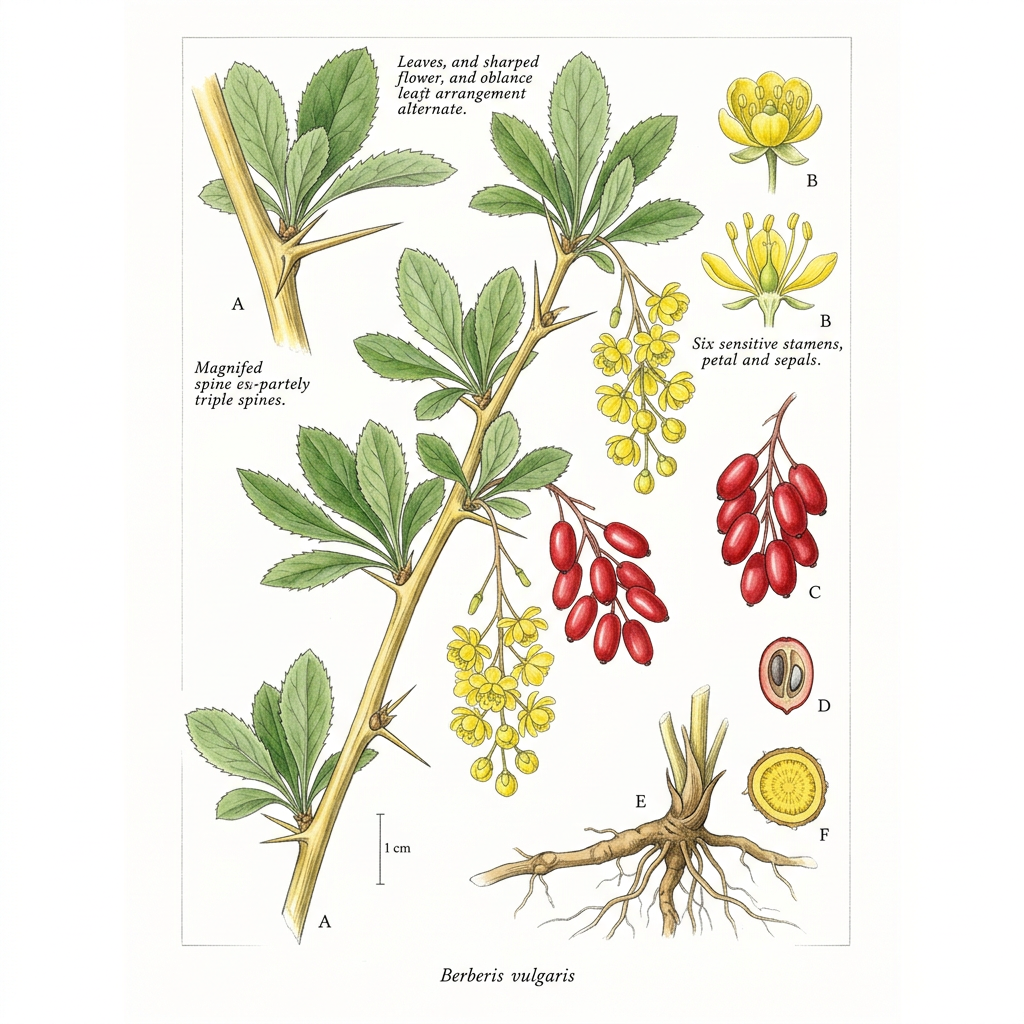
Barberry

Barberry

Berberis vulgaris

Digestive Aid
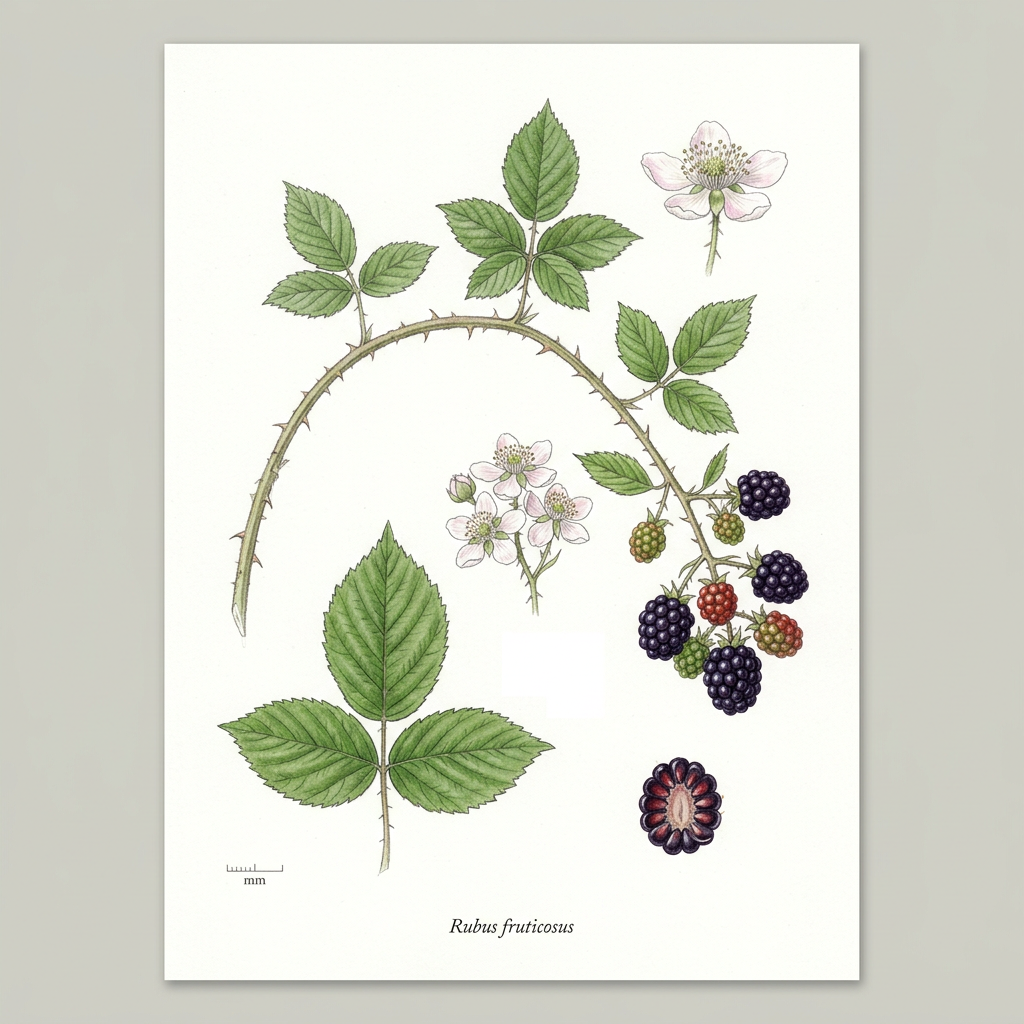
Blackberry

Blackberry

Rubus fruticosus

Cardiovascular support