The Wild Sage logo
The Wild Sage Logo

Herbal Medicine at your fingertips

Comprehensive database of herbal remedies with detailed safety information and traditional uses

New to herbal terms? Read the glossary →
ADHD
Abcess
Acid Reflux Relief
Acinetobacter
Acne
Acne Vulgaris
Addisons
Adenomyosis
Adenovirus
Adrenal fatigue
Aging
Aids
Alcaligenes faecalis
Alcoholism
Allergic Rhinitis
Allergies
Allergy
Alopoecia
Alopoecia nervosa
Alzheimer's, Dementia & Cognitive Decline
420 herbs found
Important: This information is for educational purposes only. Always consult with qualified healthcare professionals before using herbal remedies, especially if you have existing health conditions or take medications.
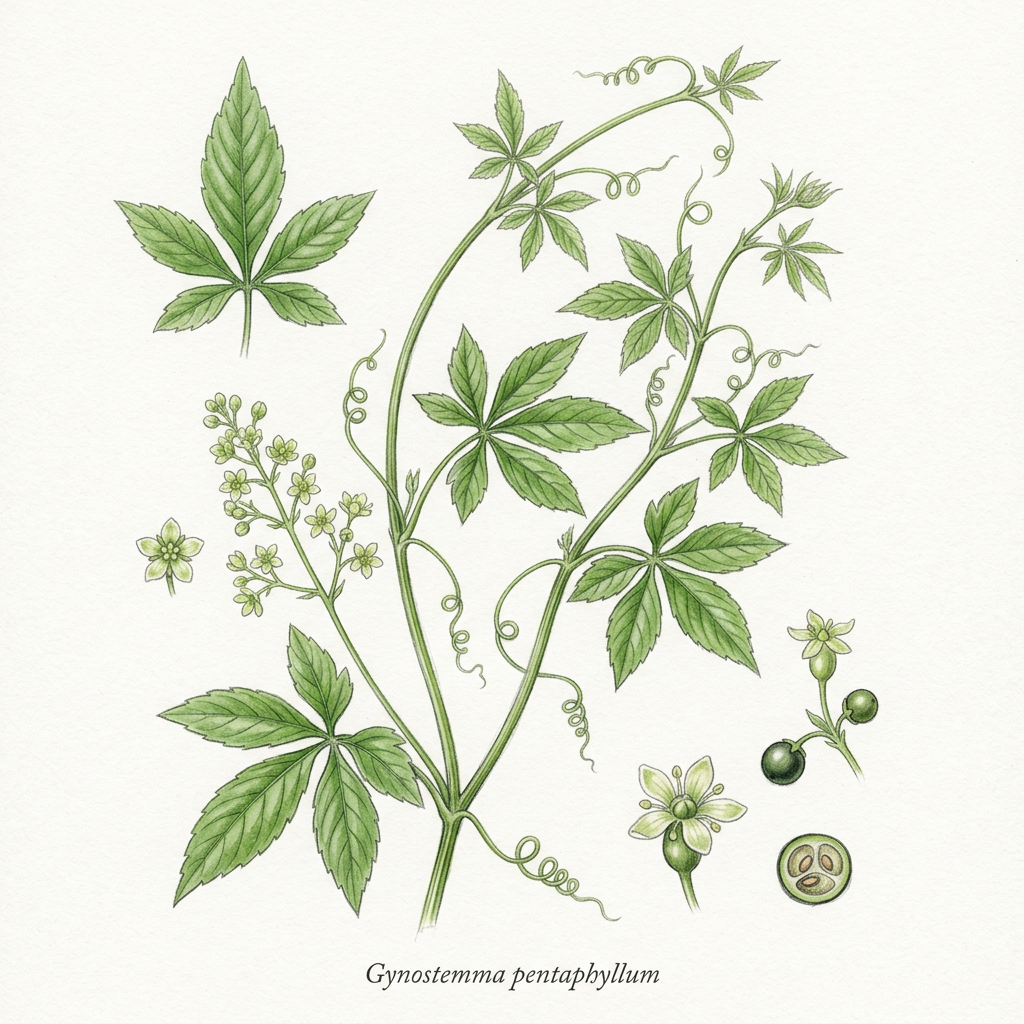
Gynostemma

Gynostemma

Gynostemma pentaphyllum

low risk Risk
Curcubitaceae
Immortal herb, cool, moist, sweet.
<p>**Gynostemma pentaphyllum**, commonly known as jiaogulan, is a perennial vine indigenous to southern China and parts of Southeast Asia. Revered in traditional Chinese medicine for centuries, this herb has earned the nickname "Southern Ginseng" due to its adaptogenic properties that closely resemble those of Panax ginseng. Historically, Gynostemma has been used to promote longevity and enhance overall vitality, with local folklore crediting it for promoting health and resilience among the populations that regularly consume it. Its leaves are typically brewed into teas or utilized in tinctures, serving as a natural remedy for a variety of ailments, reflective of its longstanding role in folk medicine. The key therapeutic properties of Gynostemma pentaphyllum are largely attributed to its rich content of gypenosides, saponins, flavonoids, and other bioactive compounds. Research suggests that this herb exhibits a multitude of health benefits, including the regulation of blood sugar levels, support for cardiovascular health, and enhancement of immune function. Notably, it is celebrated for its adaptogenic qualities, which help the body better cope with stress, promote mental clarity, and balance hormonal levels. Users often report improved endurance, increased energy, and a general sense of well-being after incorporating Gynostemma into their wellness routines, exemplifying its role as a natural ally in achieving holistic health. The mechanism by which Gynostemma works within the body is multifaceted. As an adaptogen, it helps mitigate the physiological impacts of stress by modulating the hypothalamic-pituitary-adrenal (HPA) axis, which is crucial in regulating our stress response. By normalizing cortisol levels and enhancing the body's resistance to both physical and emotional stressors, Gynostemma promotes homeostasis and relieves fatigue. Furthermore, its antioxidant properties combat oxidative stress, supporting cellular health and longevity. This unique profile of actions makes Gynostemma pentaphyllum a valuable herb for those seeking to enhance their resilience and support their journey toward holistic wellness.</p>

Uses & Conditions

Adaptogen
Anti-aging
Energy enhancement
Immune function
Homeostasis promotion
Resilience support
Hepatic support
Cardiovascular disease
Fatigue
Stress
Parkinson's disease
Alzheimer's disease
Dementia
Diabetes

Actions

Adaptogen
Cardiovascular support
Anti-aging
Blood sugar regulating
Neuroprotective
AMPK activator
Vasodilator
Hepatic
Cytoprotective

Synonyms

Immortal Herb. Jiaogulan
Southern Ginseng
Miracle Plant
"Herb of Immortality".

Parts Used

Aerial parts

Native Countries

Asia

USDA Hardiness Zones

USDA 9-11

Contraindications

  • Pregnancy and breastfeeding
  • Autoimmune conditions
  • Scheduled surgery
  • Bleeding disorders

Potential Side Effects

  • Mild gastrointestinal discomfort
  • Nausea
  • Loose stools
  • Mild dizziness
  • Light-headedness

Interactions

  • Anticoagulant or antiplatelet medications
  • Immunosuppressant drugs
  • Antidiabetic medications
  • Antihypertensive drugs

Dosages, tincture ratios & research — members only

Unlock Garreth's dosing guidance, tincture ratios, the dosage calculator and the research studies for Gynostemma .

Your assessment and results stay saved — upgrading only unlocks more of them.

See membership plans

Community Photos

No community photos yet. Sign in to upload photos.

Reviews & Ratings

Sign in to leave a review.

No reviews yet. Be the first!

GF

Garreth Falls — B.Th., Dip. H.M., MNIMH

Content curated and reviewed by Garreth Falls, Consultant Medical Herbalist · The Wild Sage

Medical Disclaimer: This information is for educational purposes only and is not intended as medical advice. Always consult with qualified healthcare professionals before starting any herbal treatment.
Chinese tradition

Sustainability & quality

Cultivated

Frequently cultivated as a high-value vine crop. Ensure the plant is correctly identified, as there are many similar looking species in the same genus.

Key constituents

Gypenosides (dammarane-type saponins), Flavonoids (including quercetin and rutin), Polysaccharides, Phytosterols, Amino acids, Chlorophyll, Trace minerals (including selenium and zinc)

References

  1. Bensky "Chinese Herbal Medicine: Materia Medica" 3rd ed. 2004
  2. Herbal Reality. Herb monographs. herbalreality.com

Reviewed by Garreth, Medical Herbalist (MNIMH) · November 2026

Related conditions

Explore conditions where Gynostemma is traditionally used.

Related Herbs

Ginseng

Ginseng

Panax ginseng

Energy Booster
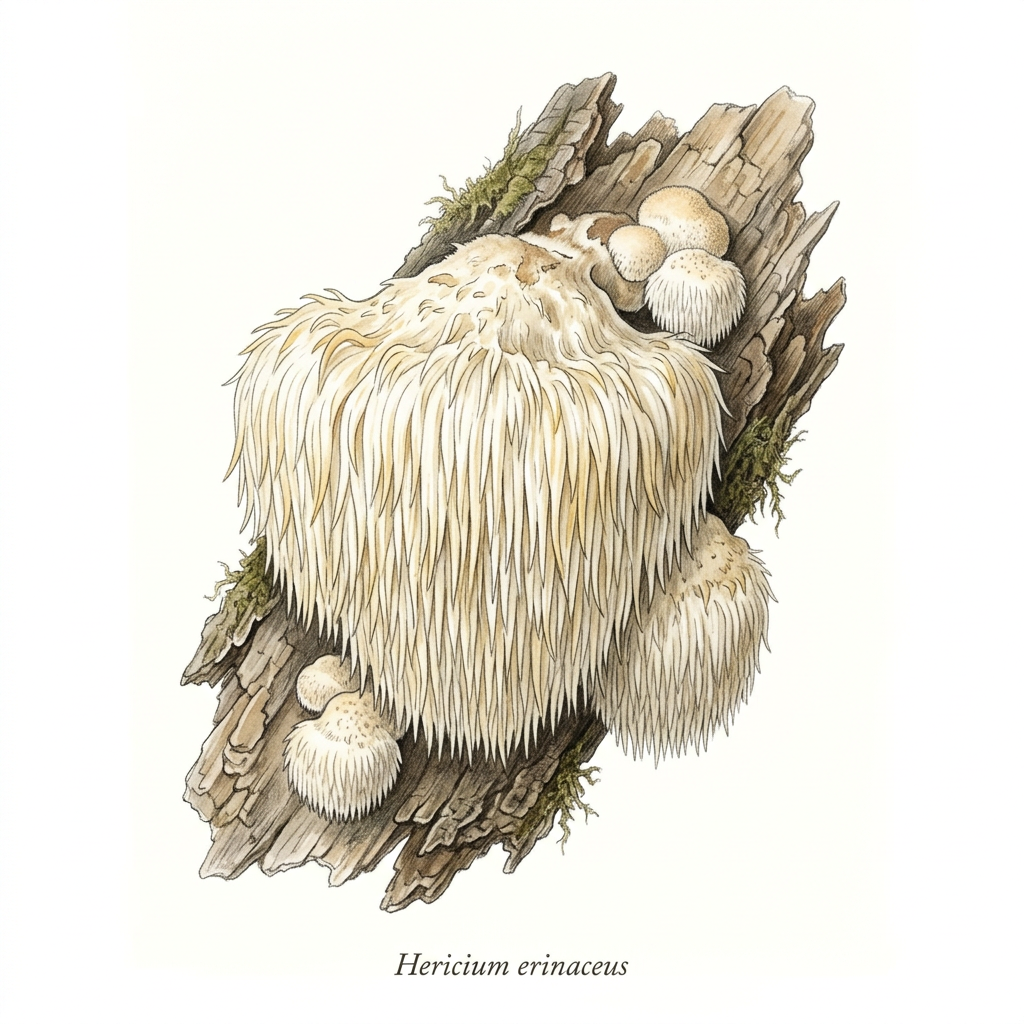
Lion's Mane

Lion's Mane

Hericium erinaceus

Cognitive Support
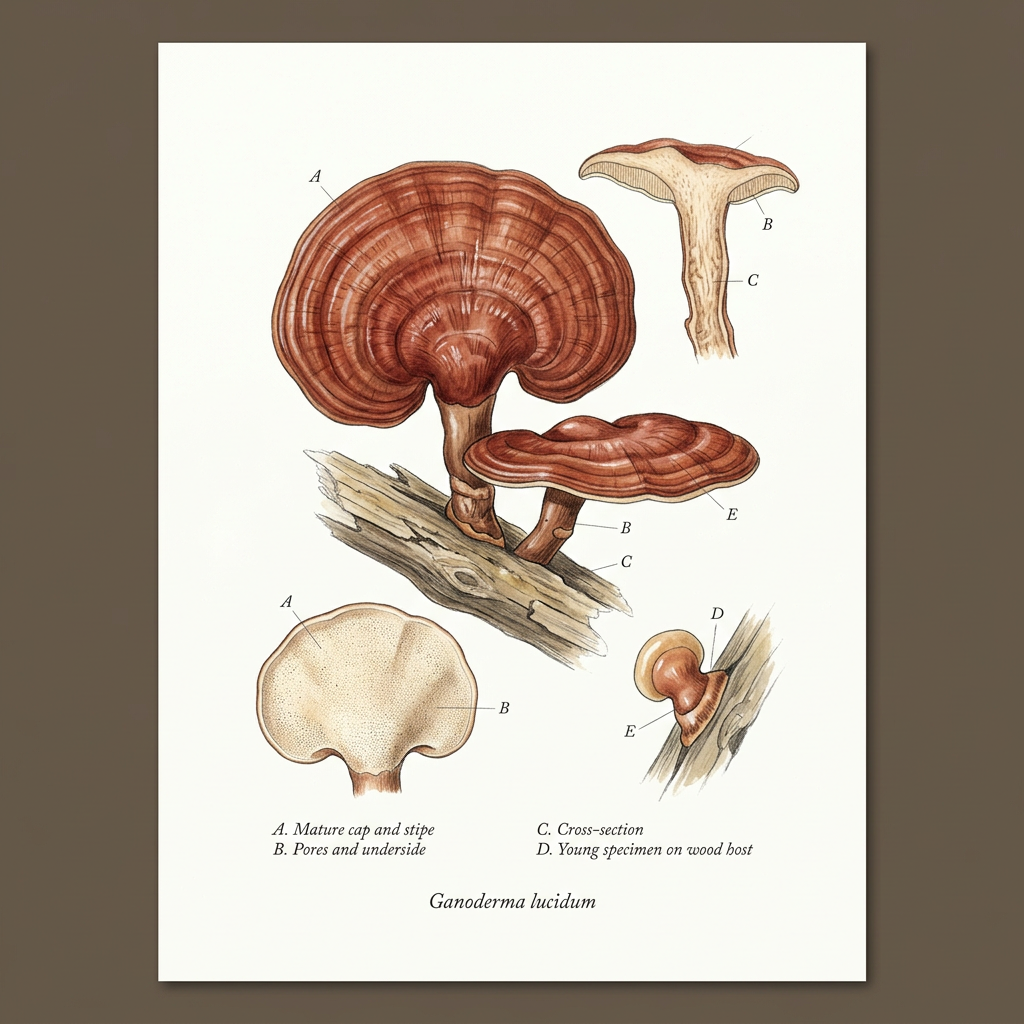
Reishi

Reishi

Ganoderma lucidum

Immune Support
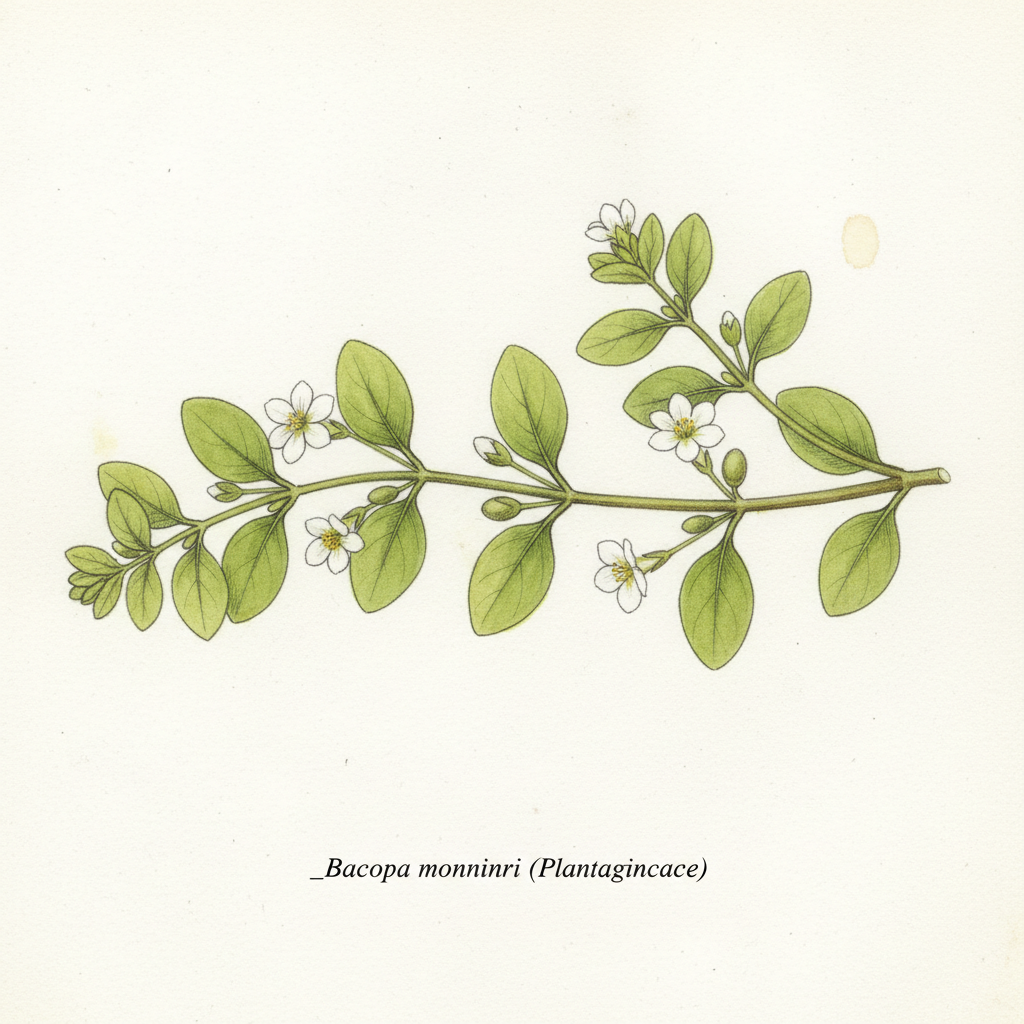
Water hyssop

Water hyssop

Bacopa monnieri

Memory Enhancement