

Herbal Medicine at your fingertips
Comprehensive database of herbal remedies with detailed safety information and traditional uses
New to herbal terms? Read the glossary →ADHD
Abcess
Acid Reflux Relief
Acinetobacter
Acne
Acne Vulgaris
Addisons
Adenomyosis
Adenovirus
Adrenal fatigue
Aging
Aids
Alcaligenes faecalis
Alcoholism
Allergic Rhinitis
Allergies
Allergy
Alopoecia
Alopoecia nervosa
Alzheimer's, Dementia & Cognitive Decline
420 herbs found
Important: This information is for educational purposes only. Always consult with qualified healthcare professionals before using herbal remedies, especially if you have existing health conditions or take medications.
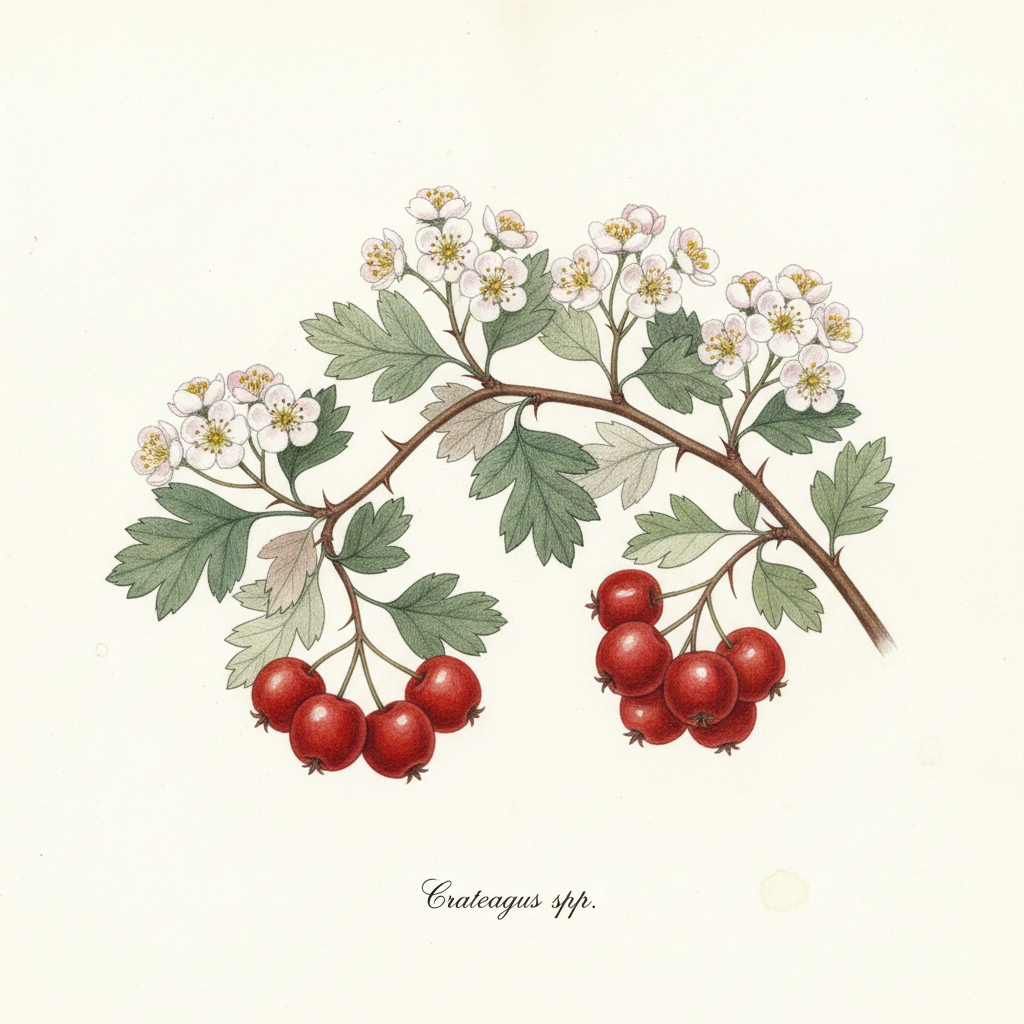
Hawthorn
Crataegus spp
low risk Risk
Rosaceae
Promotes heart health, emotional balance, and stress relief, often used for grief and establishing boundaries.
<p>Hawthorn, belonging to the genus Crataegus, is a prominent and revered herb in traditional medicine, particularly known for its historical significance in promoting heart health and supporting the cardiovascular system. With a rich legacy that spans centuries, Hawthorn has been utilized in various cultures, including ancient Greece and traditional Chinese medicine, where it was esteemed for its restorative properties. The berries, leaves, and flowers of the plant have been used in herbal preparations to bolster heart function and treat ailments related to the heart. Hawthorn has historically served as a symbol of hope and protection, often associated with rituals aimed at safeguarding the heart from emotional and physical distress. The therapeutic properties of Hawthorn are multifaceted and extensive, specifically targeting cardiovascular health. Its bioactive compounds, including flavonoids and oligomeric proanthocyanidins, provide a wealth of benefits such as anti-arrhythmic and anti-hypertensive effects, making it valuable for managing conditions like hypertension, angina, and heart palpitations. Hawthorn’s antioxidant properties help mitigate oxidative stress, protecting cardiac tissues from damage. Additionally, this herb acts as a peripheral vasodilator, enhancing blood flow and reducing blood pressure, which collectively contribute to improved heart function and overall circulatory health. Its ability to stabilize collagen is particularly noteworthy as it supports the structural integrity of blood vessels, promoting cardiovascular resilience. The mechanisms by which Hawthorn works within the body are complex yet fascinating. The herb is known to influence cyclic AMP (adenosine monophosphate) breakdown, which is vital for regulating heart rhythms and energy production within cardiac cells. By enhancing coronary blood flow, it ensures adequate oxygen and nutrient delivery to the heart muscle, thereby improving its efficiency. Furthermore, the cooling and stabilizing properties of Hawthorn may aid in alleviating symptoms associated with high blood pressure and elevated heart rate, making it a gentle yet effective tonic for those seeking to support their cardiovascular health holistically. With its combination of ancient wisdom and modern scientific validation, Hawthorn remains a cornerstone of herbal medicine for promoting longevity and vitality of the heart.</p>
Uses & Conditions
Cardiovascular Health
Grief Support
Emotional Balance
Arrhythmia
Hypertension
Hypoglycaemia
Heart Failure
Angina
Bradycardia
Chronic Fatigue
Capillary Fragility
Uterine Prolapse
Vasculitis
Myocardial Infarction
Cardiomyopathy
Dandruff
Connective Tissue Disorders
Ehlers-Danlos Syndrome
Migraine
Poor Circulation
Atherosclerosis
Anxiety
Buerger's Disease
Actions
Anti-hypertensive
Cardio-protective
Circulatory Stimulant
Anti-arrhythmic
Anti-seborrhoeic
Anti-haemorrhagic
Hypoglycaemic
Cooling
Collagen Stabilising
Peripheral Vasodilator
Antioxidant
Cardio Sedative
Synonyms
Hawthorn
White thorn
May weed
Thornapple
Quickthorn
Hawberry
Parts Used
Flowers
Fruit
Leaves
Native Countries
Europe
Mediterranean
Northern Europe
USDA Hardiness Zones
USDA 3-9
USDA 4-8
USDA 5-10
Preparations & Dosage
- Tincture: 1:3.5-4.5, 35% ethanol, 1-2 ml three times daily
- Infusion: 1-2 g of dried leaves and flowers in 150 ml boiling water, up to 4 times daily (max 6 g)
- Decoction: 1.5-6 g of dried fruit per day
- Powdered herb: 200-500 mg three times daily
Maximum weekly dose: 42 g
Contraindications
- Hypotension
- Haemorrhage
Potential Side Effects
- Dizziness
- Gastrointestinal complaints
- Migraine
- Palpitations
- Headache
Interactions
- Digoxin: Hawthorn may potentiate the effects of cardiac glycosides, requiring close medical supervision.
- Beta-blockers: May result in additive effects, necessitating blood pressure and heart rate monitoring.
- Antihypertensive medication: Concurrent use may lead to an increased hypotensive effect, requiring dosage adjustment.
- Nitrates: Potential for increased vasodilation and dizziness when used in combination.
Dosage Calculator
Community Photos
No community photos yet. Sign in to upload photos.
Scientific Studies & Sources
Reviews & Ratings
Sign in to leave a review.
No reviews yet. Be the first!
GF
Garreth Falls — B.Th., Dip. H.M., MNIMH
Content curated and reviewed by Garreth Falls, Consultant Medical Herbalist · The Wild Sage
Medical Disclaimer: This information is for educational purposes only and is not intended as medical advice. Always consult with qualified healthcare professionals before starting any herbal treatment.
Western tradition
Sustainability & quality
AbundantCommonly found in hedgerows. Harvesting should be done sustainably to ensure continued wildlife food sources.
Key constituents
Procyanidins
References
- Bone & Mills "Principles and Practice of Phytotherapy" 2nd ed. 2013
- ESCOP Monographs 2nd ed. 2003
- British Herbal Pharmacopoeia 1983
- Herbal Reality. Herb monographs. herbalreality.com
Reviewed by Garreth, Medical Herbalist (MNIMH) · November 2026
Related conditions
Explore conditions where Hawthorn is traditionally used.
Related Herbs
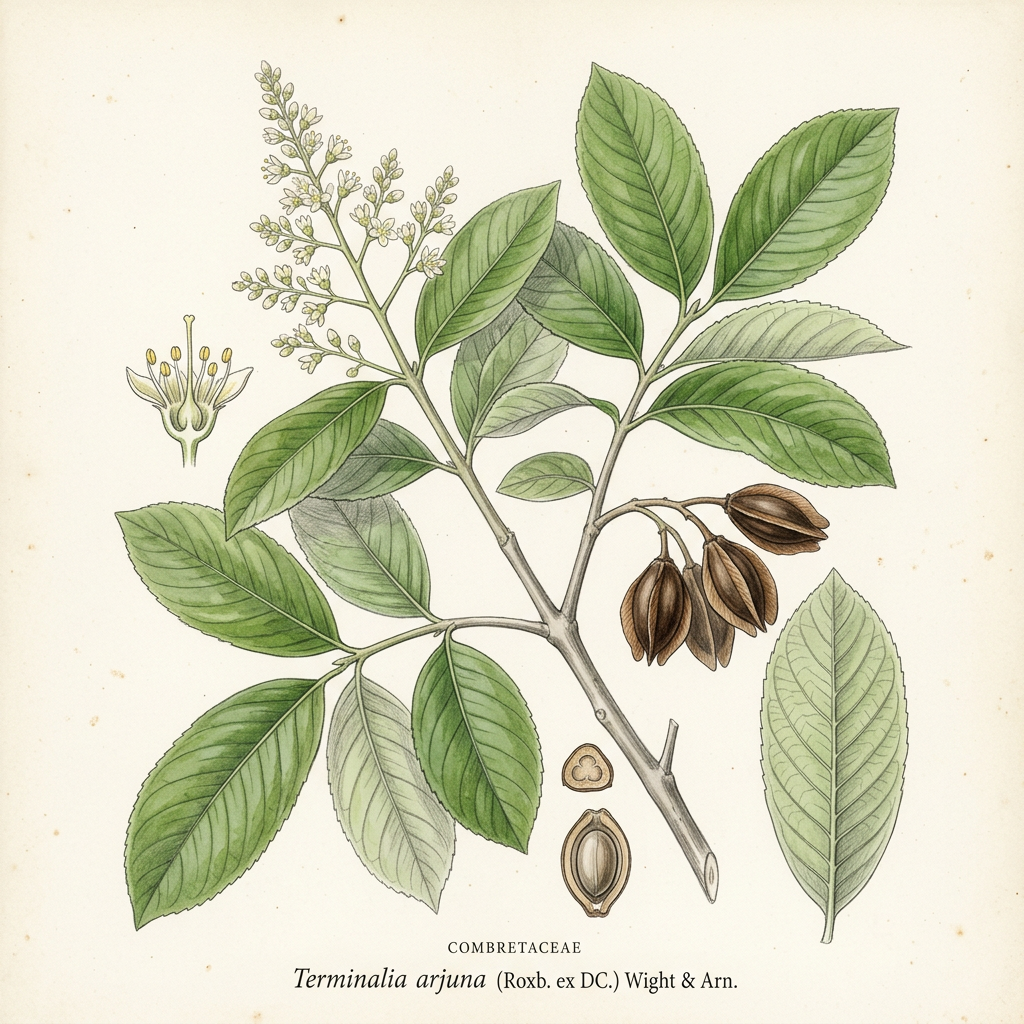
Terminalia arjuna
Terminalia arjuna
Blood Sugar Regulation
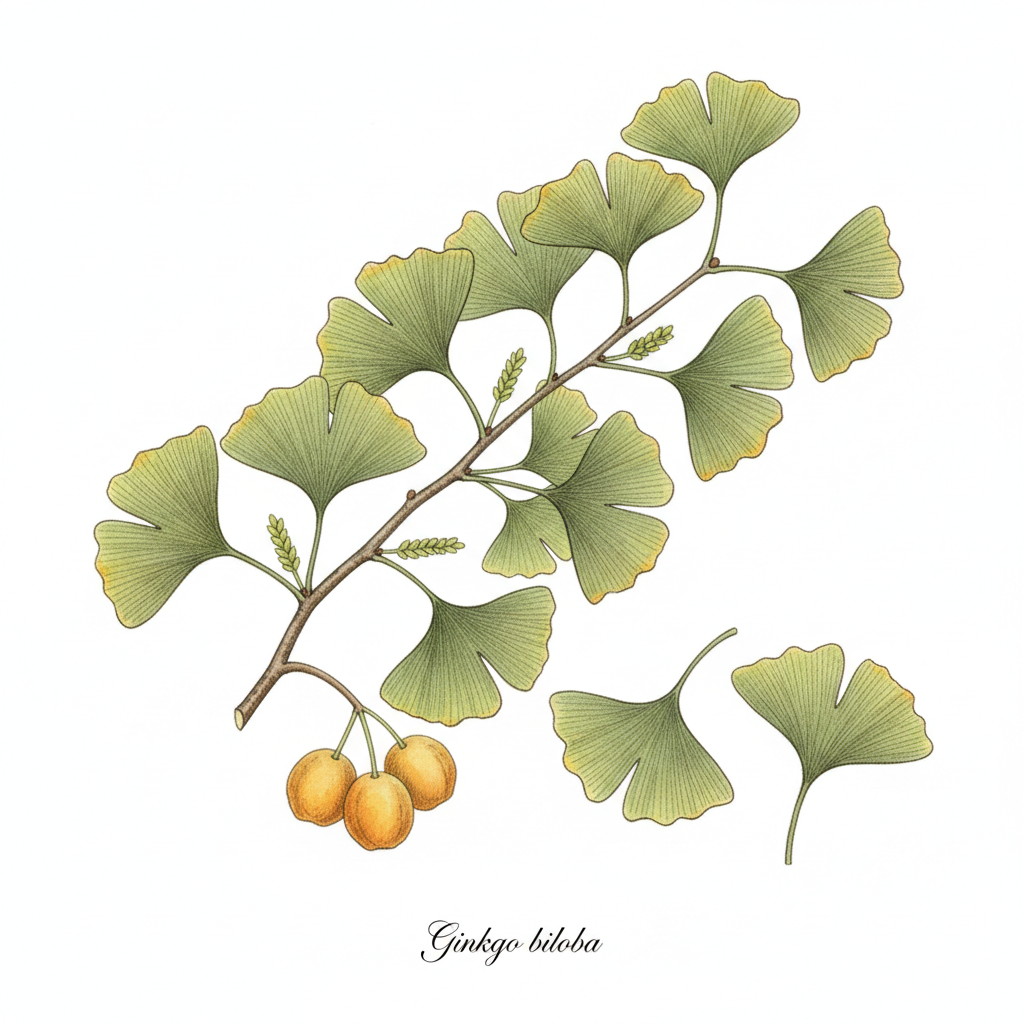
Ginkgo
Ginkgo biloba
Cognitive Support
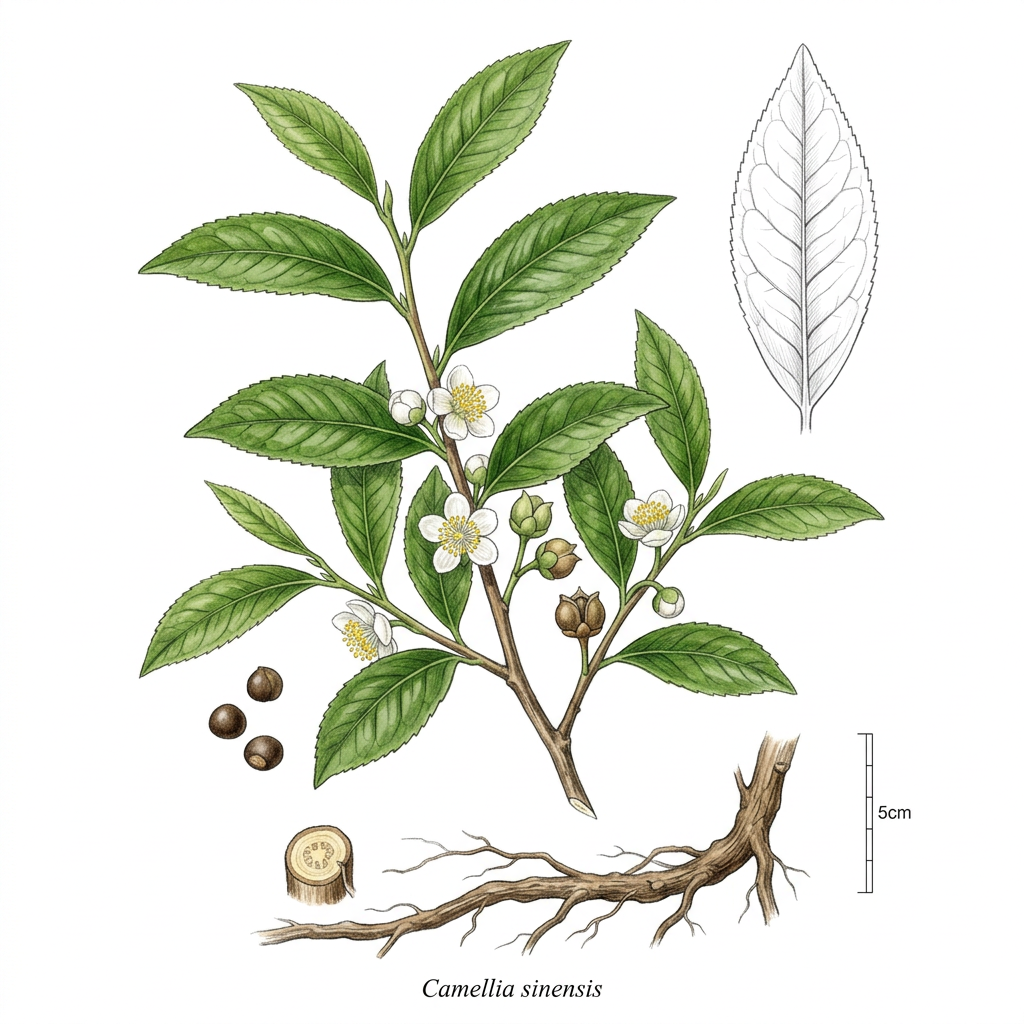
Green Tea
Camellia sinensis
Hypertension
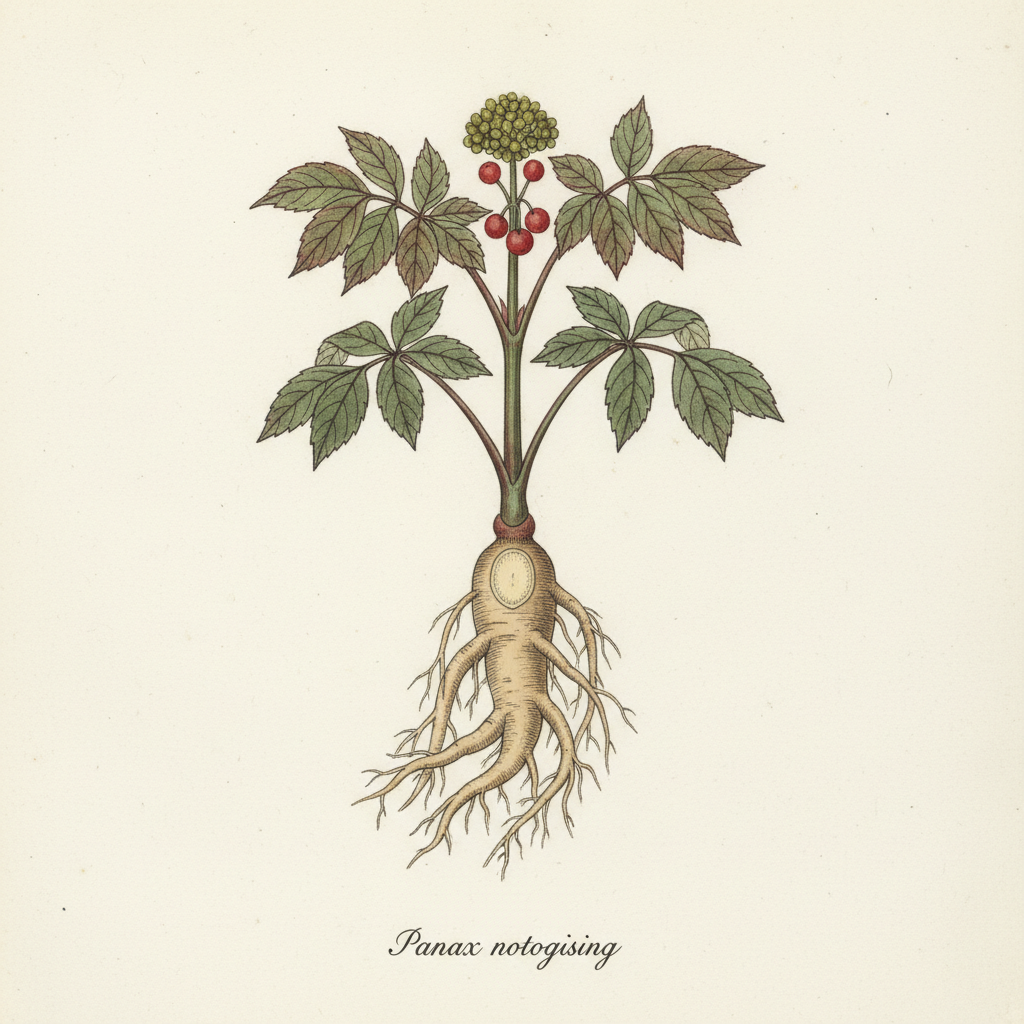
Tienchi
Panax notoginseng
Cardiovascular Health