The Wild Sage logo
The Wild Sage Logo

Herbal Medicine at your fingertips

Comprehensive database of herbal remedies with detailed safety information and traditional uses

New to herbal terms? Read the glossary →
ADHD
Abcess
Acid Reflux Relief
Acinetobacter
Acne
Acne Vulgaris
Addisons
Adenomyosis
Adenovirus
Adrenal fatigue
Aging
Aids
Alcaligenes faecalis
Alcoholism
Allergic Rhinitis
Allergies
Allergy
Alopoecia
Alopoecia nervosa
Alzheimer's, Dementia & Cognitive Decline
420 herbs found
Important: This information is for educational purposes only. Always consult with qualified healthcare professionals before using herbal remedies, especially if you have existing health conditions or take medications.
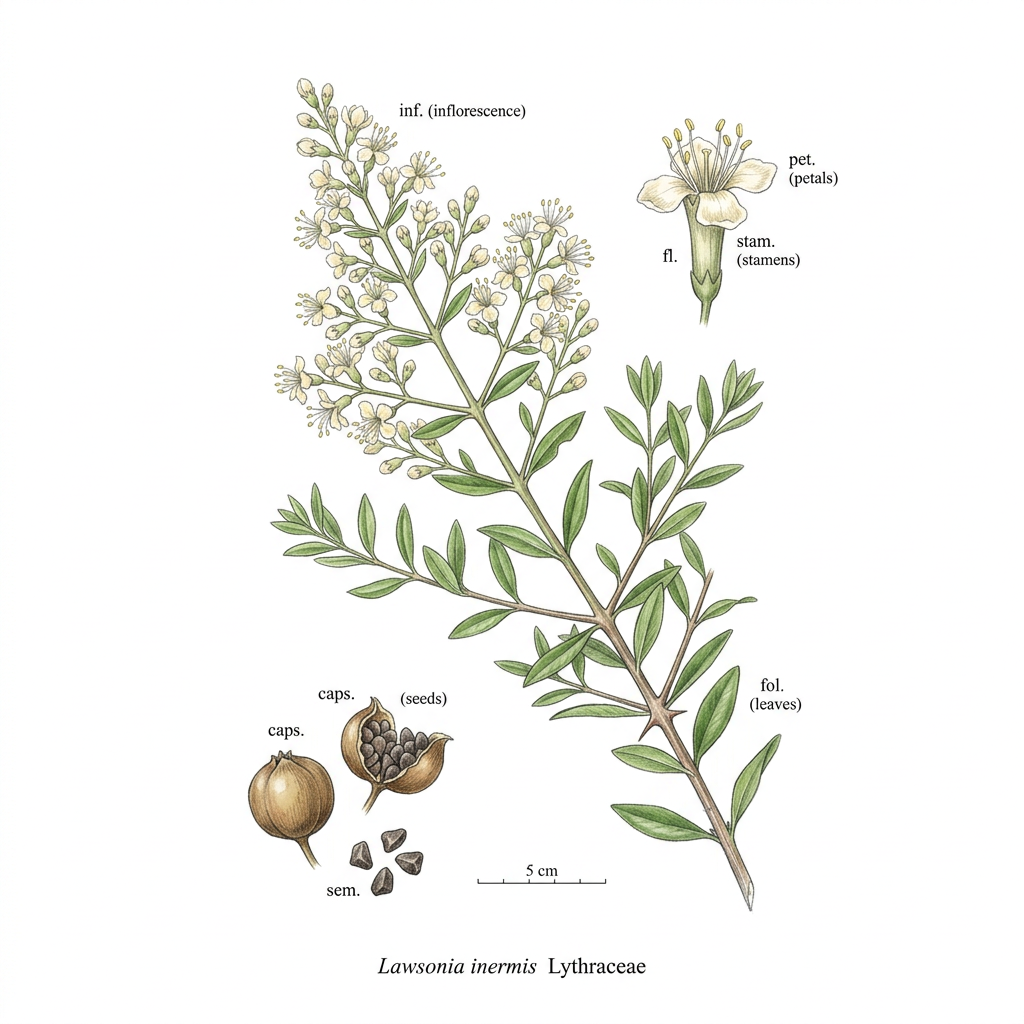
Henna

Henna

Lawsonia inermis

low risk Risk
Lythraceae
<p>Henna, scientifically known as Lawsonia inermis, is a flowering plant that has captivated human interest for millennia due to its striking aesthetic and therapeutic qualities. Native to the Middle East, North Africa, and parts of Asia, henna has been revered in various cultures not only as a natural dye for body art—often associated with celebrations and rites of passage—but also as a medicinal herb used for its numerous health benefits. Historical records suggest that henna has been utilized for its cooling properties in hot climates and as a remedy for ailments such as skin infections, fever, and even hair conditioning. Its decorative use, particularly in bridal ceremonies, underscores its cultural significance, blending beauty with tradition. Henna boasts a diverse range of therapeutic properties that contribute to its versatility as an herbal remedy. Among its notable actions are anti-inflammatory, antiseptic, astringent, and anti-fungal effects, making it an asset in both dermatological and general health applications. Research has highlighted henna's role as an NFkB inhibitor, which is crucial for modulating inflammatory responses in the body. Its ability to reduce tumor necrosis factor-alpha (TNF-α) further supports its use in addressing conditions characterized by chronic inflammation. Moreover, henna exhibits potent anti-microbial activity, notably against Staphylococcus aureus and Candida species, supporting its historical use in preventing and treating infections. The therapeutic effects of henna can be attributed to its active compounds, including lawsone, the primary dye, along with other phytochemicals that interact with bodily systems. When applied topically, henna penetrates the skin, where it can exert its anti-inflammatory and antiseptic properties, promoting wound healing and reducing irritation. Its astringent quality helps to tighten tissues and may assist in controlling excess oil production, making it beneficial for oily or acne-prone skin. Additionally, when used in hair treatments, henna not only enhances color but also conditions the scalp and strengthens hair follicles, thus contributing to overall hair health. Through a holistic understanding of its multifaceted actions, henna emerges as a valuable herb, bridging the realms of beauty and traditional medicine.</p>

Uses & Conditions

Hair conditioning
Scalp conditioning
Strengthening hair follicles
Cooling properties
Skin infections
Fever
Wound healing
Irritation
Chronic inflammation
Oily skin
Acne
Psoriasis
Fungal infections

Actions

Anti-inflammatory
Antiseptic
Astringent
Anti-fungal
Anti-staphylococcal
Anti-candida
NFkB inhibitor
TNF-alpha reduction

Parts Used

Leaves

Native Countries

North Africa
Middle East
South Asia
Mediterranean regions

USDA Hardiness Zones

9
10
11

Contraindications

  • Glucose-6-phosphate dehydrogenase (G6PD) deficiency due to the risk of severe haemolysis
  • Known hypersensitivity to Lawsonia inermis or 2-hydroxy-1
  • 4-naphthoquinone (lawsone)
  • Pregnancy and breastfeeding
  • Open
  • deep
  • or infected wounds where systemic absorption may occur

Potential Side Effects

  • Allergic contact dermatitis
  • Temporary skin staining
  • Severe haemolytic anaemia in susceptible individuals

Interactions

  • Caution with potent prescription topical dermatological treatments
  • Avoid concurrent use with oxidative drugs in G6PD deficient patients

Dosages, tincture ratios & research — members only

Unlock Garreth's dosing guidance, tincture ratios, the dosage calculator and the research studies for Henna.

Your assessment and results stay saved — upgrading only unlocks more of them.

See membership plans

Community Photos

No community photos yet. Sign in to upload photos.

Reviews & Ratings

Sign in to leave a review.

No reviews yet. Be the first!

GF

Garreth Falls — B.Th., Dip. H.M., MNIMH

Content curated and reviewed by Garreth Falls, Consultant Medical Herbalist · The Wild Sage

Medical Disclaimer: This information is for educational purposes only and is not intended as medical advice. Always consult with qualified healthcare professionals before starting any herbal treatment.
Ayurvedic tradition

Sustainability & quality

Cultivated

Widely farmed in warm climates; ensure product is free from adulterants like synthetic dyes.

Key constituents

Lawsone (2-hydroxy-1, 4-naphthoquinone), Flavonoids, Tannins, Coumarins, Naphthoquinones, Phenolic acids

References

  1. Herbal Reality. Herb monographs. herbalreality.com

Reviewed by Garreth, Medical Herbalist (MNIMH) · November 2026

Related conditions

Explore conditions where Henna is traditionally used.

Related Herbs
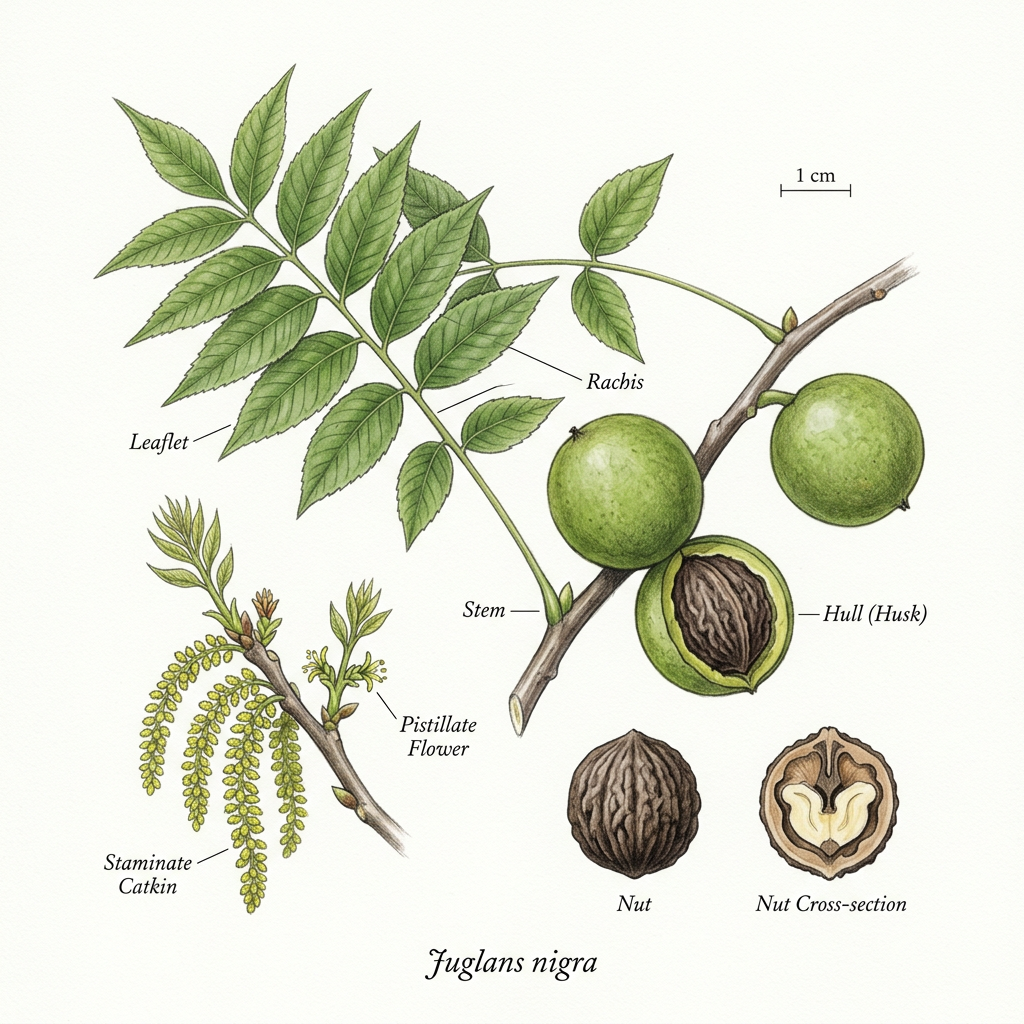
Black Walnut

Black Walnut

Juglans nigra

Convalescence
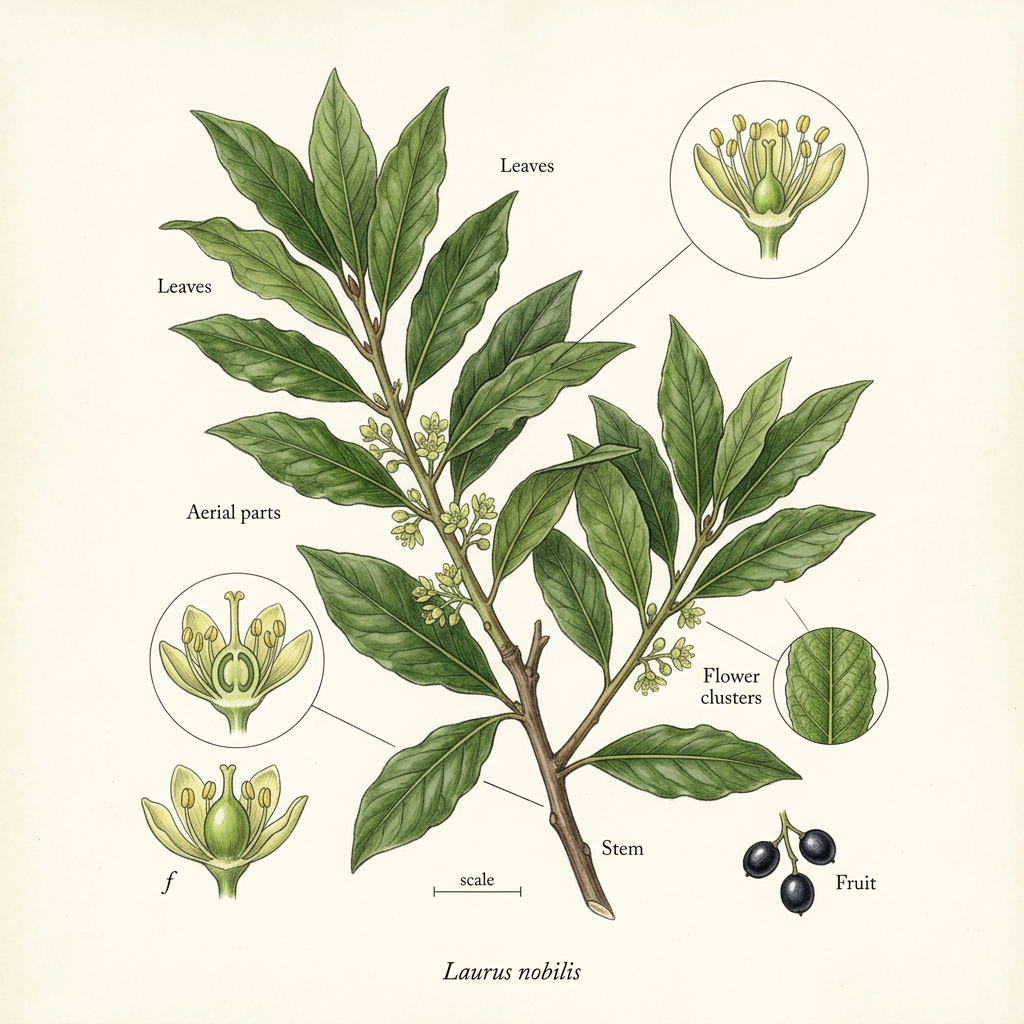
Bay Laurel

Bay Laurel

Laurus nobilis

Digestive Aid
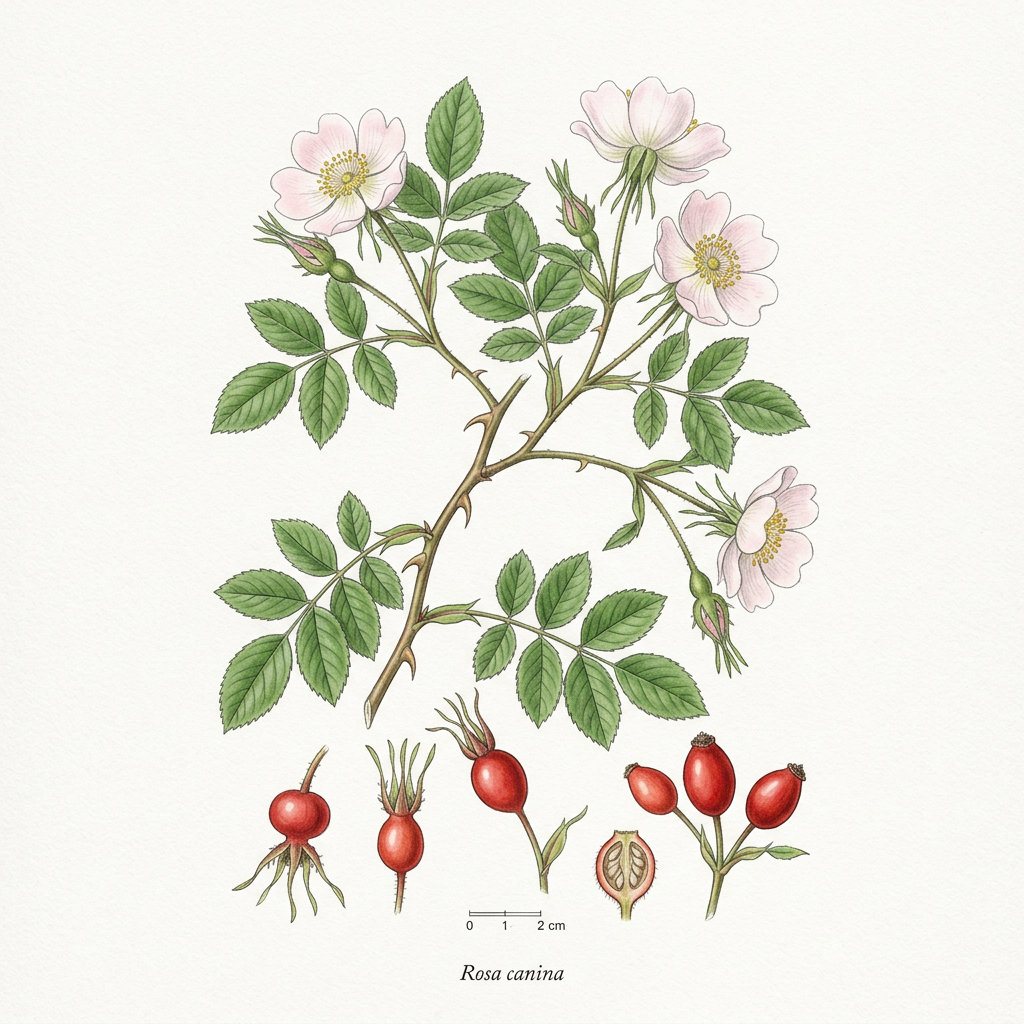
Dog rose

Dog rose

Rosa canina

Immune Support
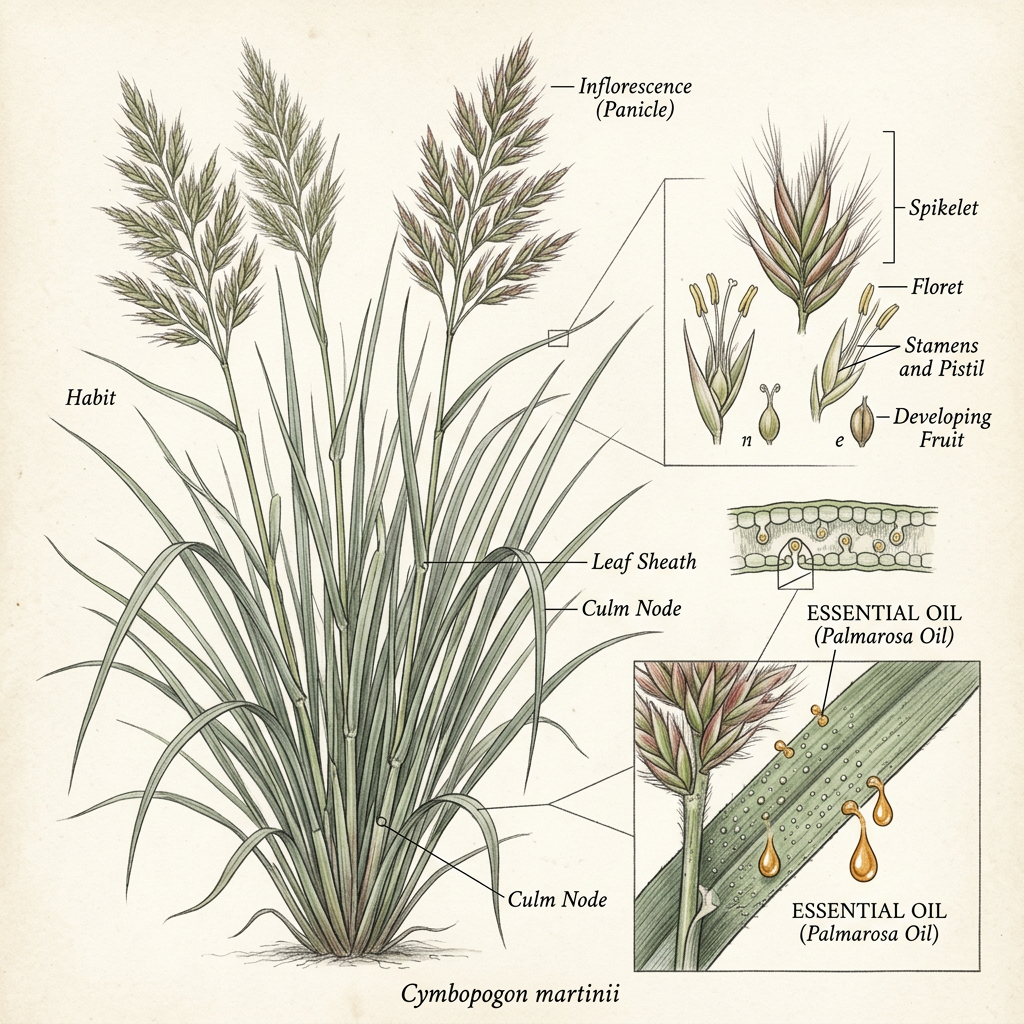
Palmarosa

Palmarosa

Cymbopogon martinii

Skin hydration