The Wild Sage logo
The Wild Sage Logo

Herbal Medicine at your fingertips

Comprehensive database of herbal remedies with detailed safety information and traditional uses

New to herbal terms? Read the glossary →
ADHD
Abcess
Acid Reflux Relief
Acinetobacter
Acne
Acne Vulgaris
Addisons
Adenomyosis
Adenovirus
Adrenal fatigue
Aging
Aids
Alcaligenes faecalis
Alcoholism
Allergic Rhinitis
Allergies
Allergy
Alopoecia
Alopoecia nervosa
Alzheimer's, Dementia & Cognitive Decline
420 herbs found
Important: This information is for educational purposes only. Always consult with qualified healthcare professionals before using herbal remedies, especially if you have existing health conditions or take medications.
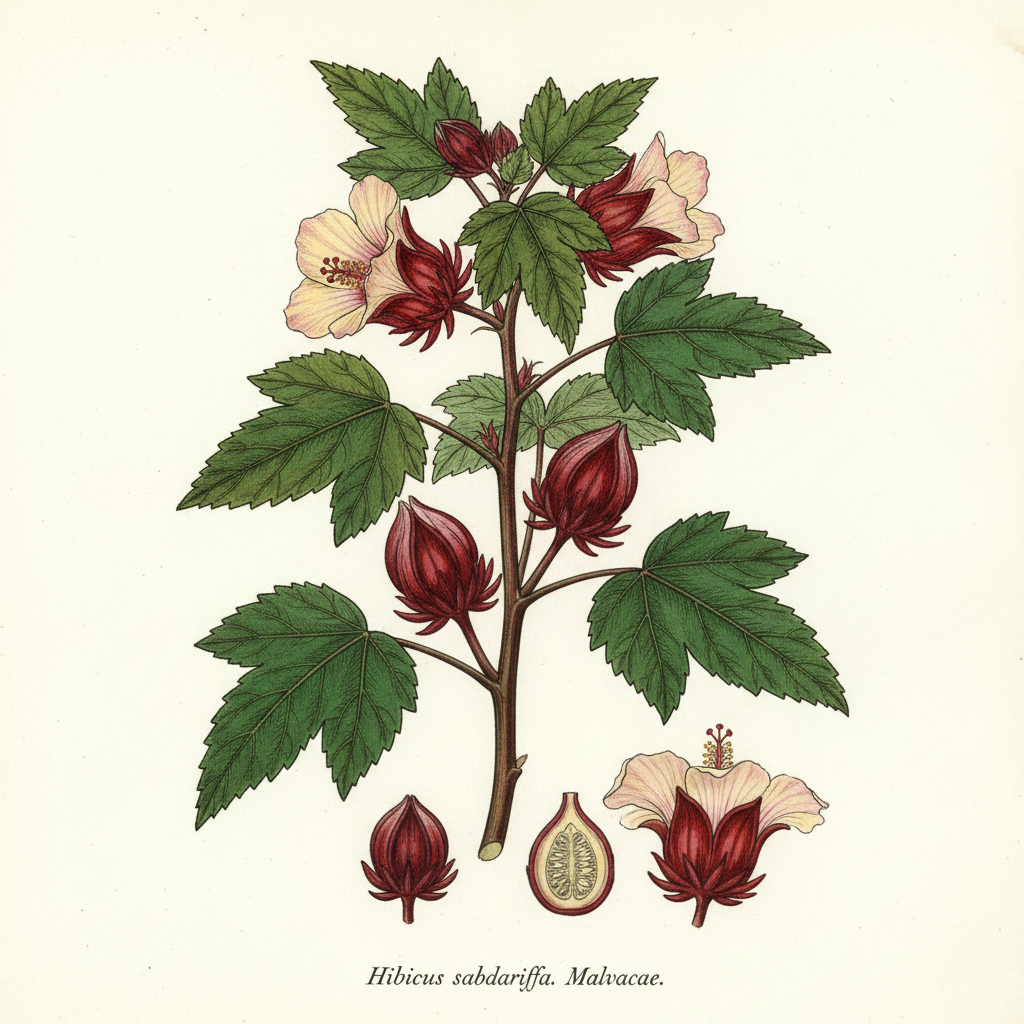
Hibiscus

Hibiscus

Hibiscus sabdariffa

low risk Risk
Malvacae
Used to promote emotional balance and relieve stress.
<p>Hibiscus sabdariffa, commonly known as hibiscus, is a flowering plant indigenous to tropical regions, notably in Africa, Asia, and the Caribbean. Renowned for its vibrant red calyces, which are often used to produce a tangy beverage, hibiscus has a rich history of traditional use. In cultures such as those of West Africa and the Middle East, hibiscus tea is cherished not only for its refreshing flavor but also for its purported health benefits. The plant has been utilized in folk medicine for centuries, with practices including the infusion of its leaves and flowers in teas or tinctures to support overall wellness and address a variety of ailments. Hibiscus is increasingly recognized for its remarkable therapeutic properties, particularly its anti-diabetic and anti-hypertensive actions. The bioactive compounds within hibiscus, such as anthocyanins, delphinidin, and flavonoids, contribute to its ability to modulate blood sugar levels and improve lipid profiles, making it a valuable ally for managing conditions like diabetes and hypertension. Studies have demonstrated that hibiscus can help lower systolic and diastolic blood pressure, as well as improve cholesterol levels, thereby reducing the risk of cardiovascular diseases. Additionally, hibiscus is rich in vitamin C and antioxidants, providing essential nutritional support that fosters overall health. The mechanisms through which hibiscus exerts its beneficial effects are multifaceted. Its active compounds are believed to enhance insulin sensitivity, facilitating better glucose uptake by cells, which aids in the management of blood sugar levels. Moreover, hibiscus promotes vasodilation, or the widening of blood vessels, through the inhibition of angiotensin-converting enzyme (ACE), leading to reduced hypertension. By acting as both a tonic and a diuretic, hibiscus supports kidney function and helps to eliminate excess fluids, which further contributes to its antihypertensive effects. With its rich nutritional profile and therapeutic versatility, hibiscus stands out as a functional herb esteemed for its contributions to holistic health and well-being.</p>

Uses & Conditions

Nutritional Support
Antioxidant Effects
Traditional Beverage
Hypertension
Diabetes
Metabolic Syndrome
Cardiovascular Disease
Leaky Gut
Uterine Prolapse
Immune Deficiency

Actions

Anti-diabetic
Anti-hypertensive
Diuretic
Vasodilator

Parts Used

Flower

Native Countries

North Africa
Carribean
Asia

USDA Hardiness Zones

USDA 9-11

Contraindications

  • Pregnancy
  • particularly in early stages
  • due to potential uterine stimulation
  • Individuals with naturally low blood pressure

Potential Side Effects

  • Gastrointestinal discomfort or nausea if taken on an empty stomach
  • Mild dizziness
  • Allergic reaction in those sensitive to the Malvaceae family

Interactions

  • Antihypertensive medications: potential additive effects may lead to hypotension
  • Acetaminophen (paracetamol): may increase the rate of excretion and reduce efficacy
  • Antidiabetic agents: potential additive effect on blood glucose levels
  • Diuretics: may alter the pharmacokinetics of some agents and affect electrolyte balance

Dosages, tincture ratios & research — members only

Unlock Garreth's dosing guidance, tincture ratios, the dosage calculator and the research studies for Hibiscus .

Your assessment and results stay saved — upgrading only unlocks more of them.

See membership plans

Community Photos

No community photos yet. Sign in to upload photos.

Reviews & Ratings

Sign in to leave a review.

No reviews yet. Be the first!

GF

Garreth Falls — B.Th., Dip. H.M., MNIMH

Content curated and reviewed by Garreth Falls, Consultant Medical Herbalist · The Wild Sage

Medical Disclaimer: This information is for educational purposes only and is not intended as medical advice. Always consult with qualified healthcare professionals before starting any herbal treatment.
Western tradition
Ayurvedic tradition

Sustainability & quality

Cultivated

Widely grown in tropical climates. Source from suppliers who provide clear data on heavy metal testing, particularly when sourced from large-scale agricultural regions.

Key constituents

Anthocyanins (including delphinidin-3-sambubioside and cyanidin-3-sambubioside), Organic acids (citric acid, malic acid, and tartaric acid), Flavonoids (gossypetin, hibiscetin, and sabdaretin), Polyphenolic compounds, Vitamin C (ascorbic acid), Polysaccharides (mucilage)

References

  1. Mills & Bone "The Essential Guide to Herbal Safety" 2005
  2. Herbal Reality. Herb monographs. herbalreality.com

Reviewed by Garreth, Medical Herbalist (MNIMH) · November 2026

Related conditions

Explore conditions where Hibiscus is traditionally used.

Related Herbs
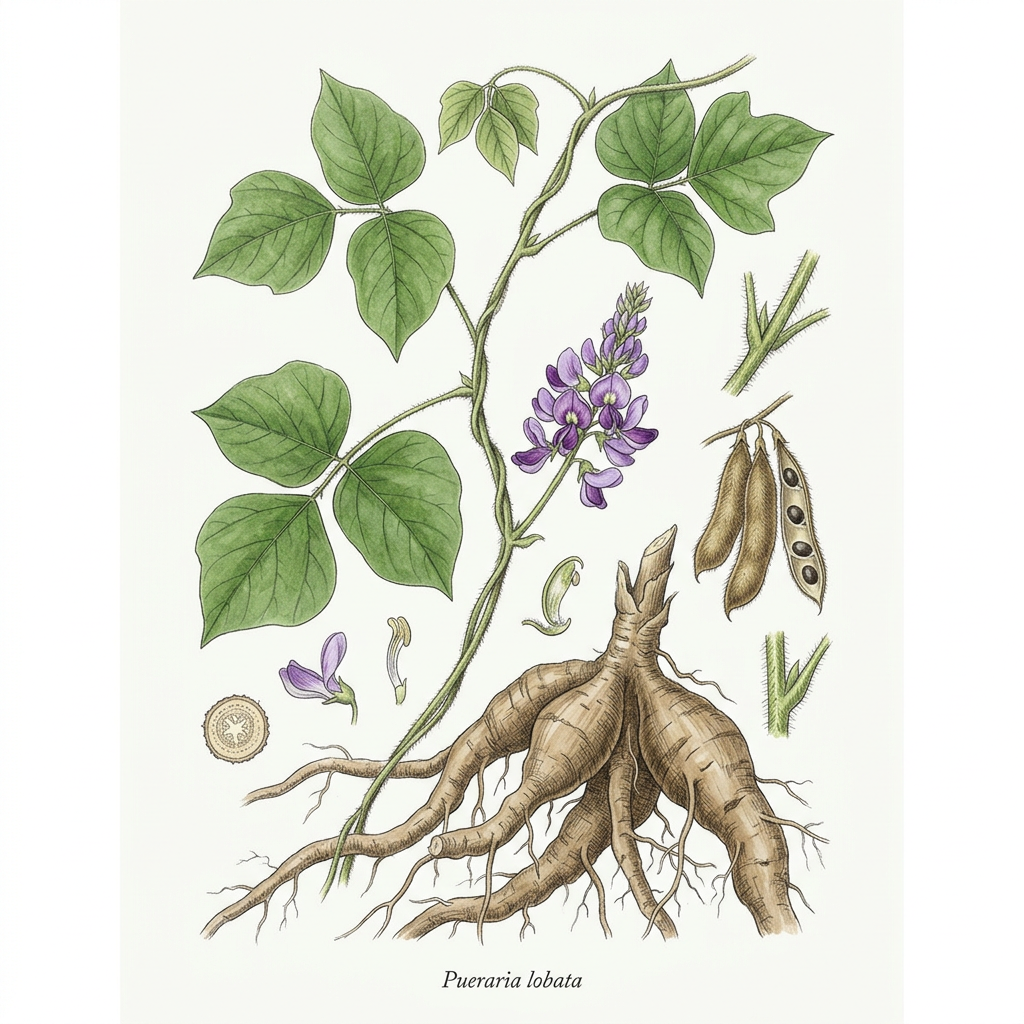
Kudzu

Kudzu

Pueraria lobata

Alcohol Withdrawal
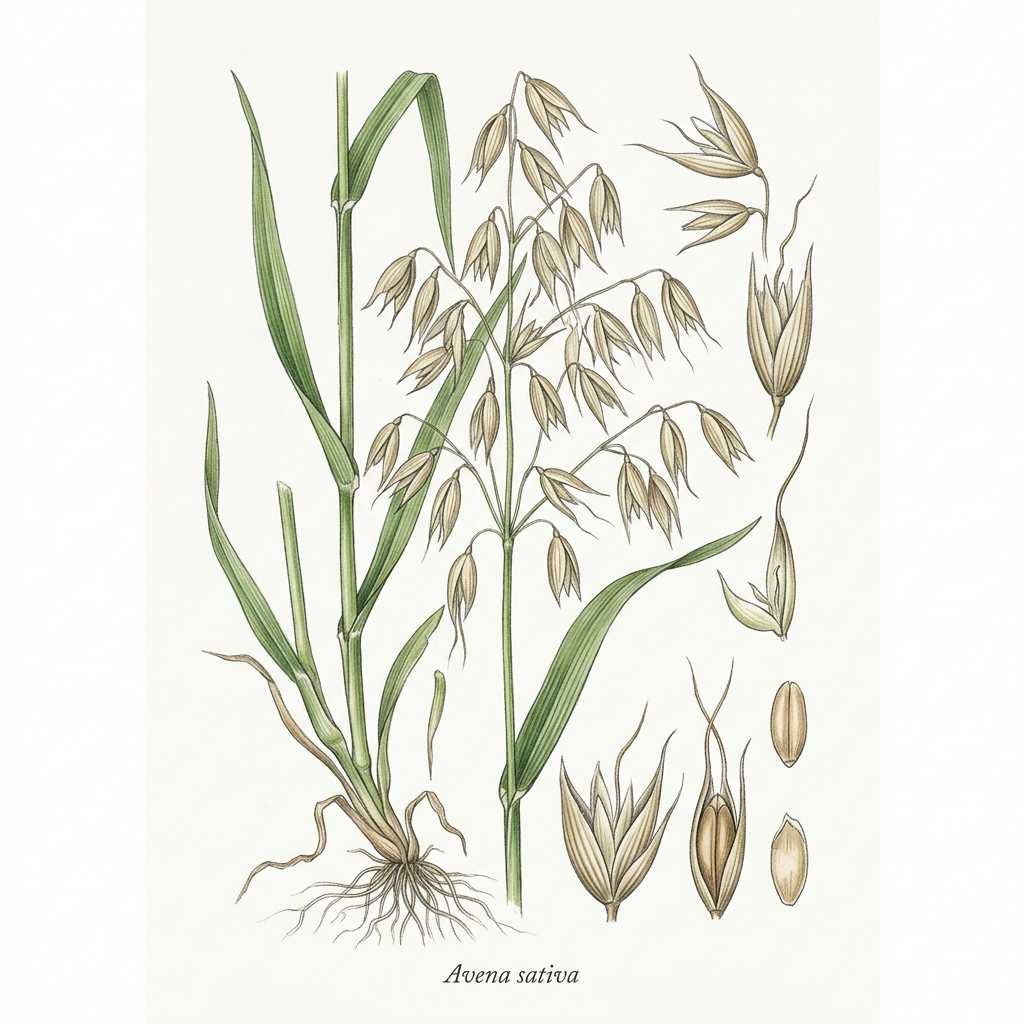
Oats

Oats

Avena sativa

Nutritional Support
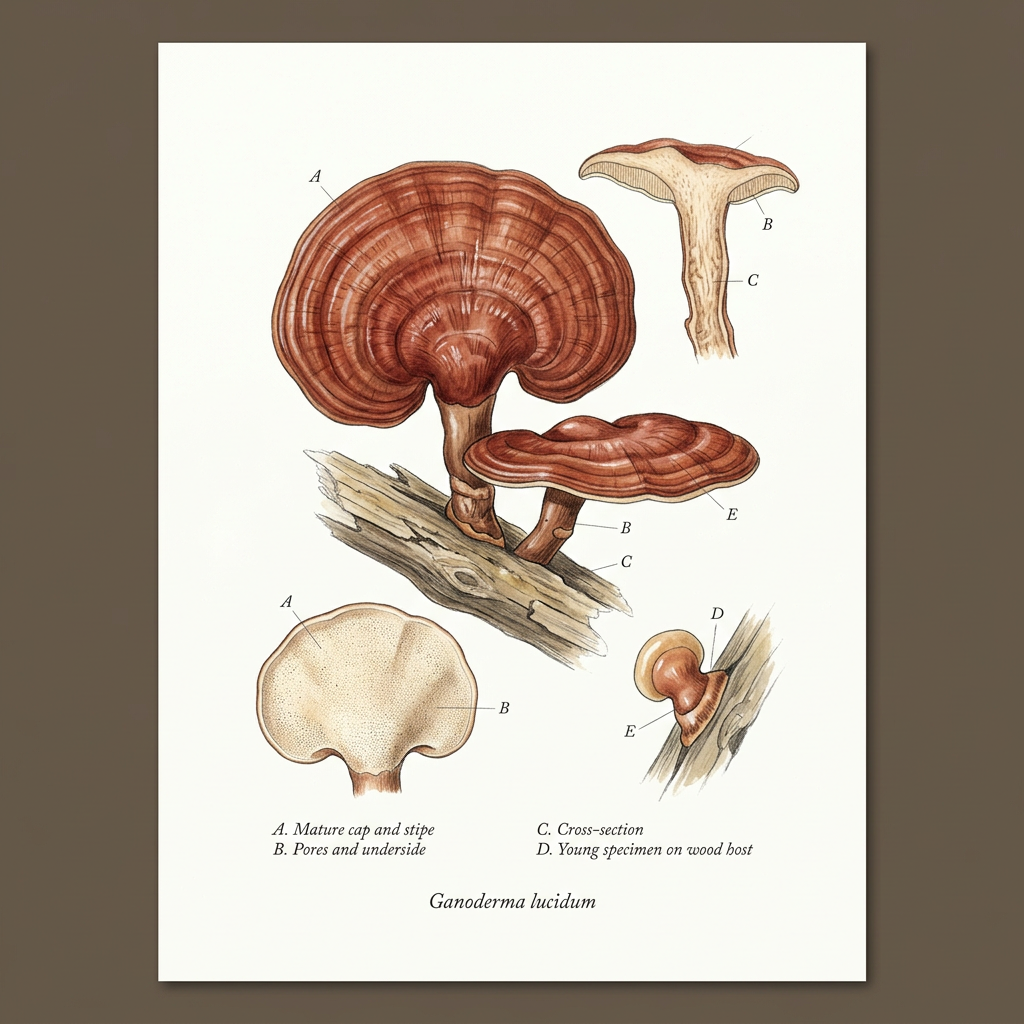
Reishi

Reishi

Ganoderma lucidum

Immune Support
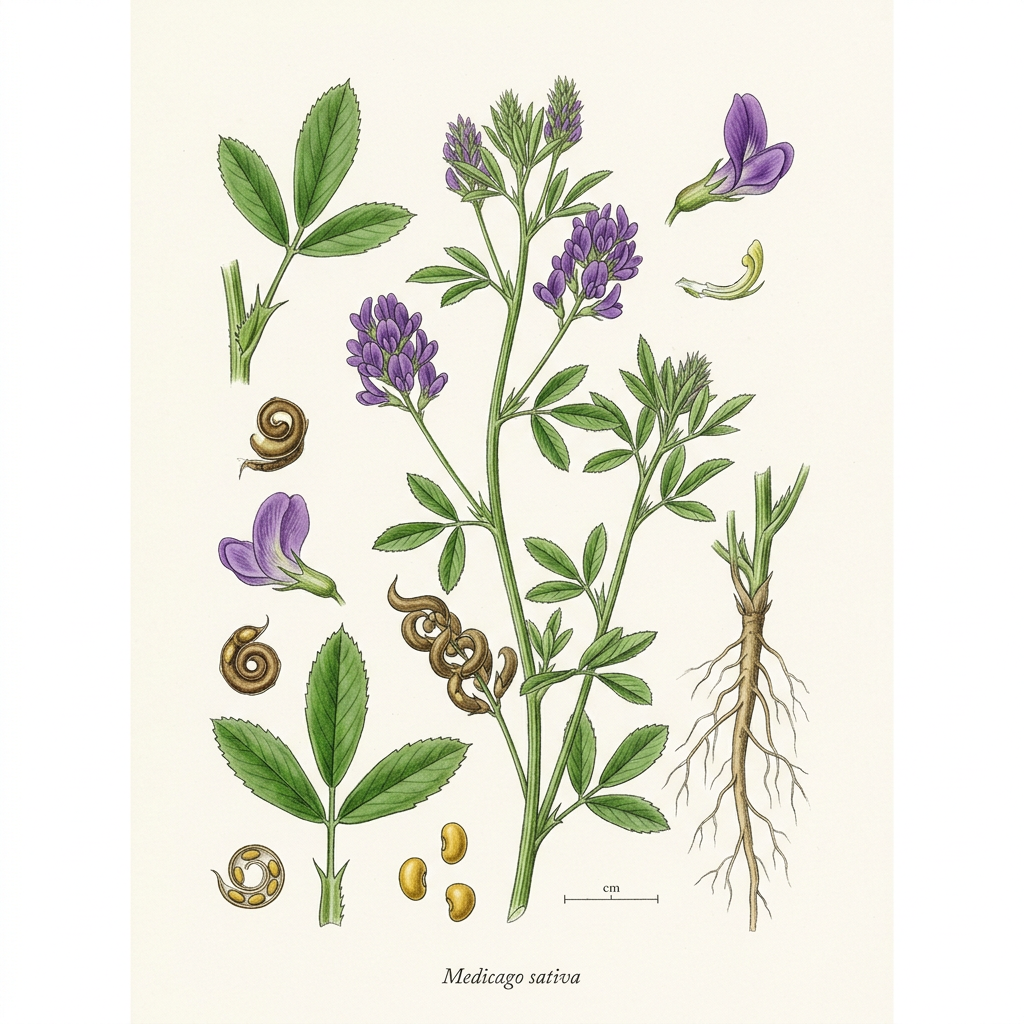
Alfalfa

Alfalfa

Medicago sativa

Nutritional Support