The Wild Sage logo
The Wild Sage Logo

Herbal Medicine at your fingertips

Comprehensive database of herbal remedies with detailed safety information and traditional uses

New to herbal terms? Read the glossary →
ADHD
Abcess
Acid Reflux Relief
Acinetobacter
Acne
Acne Vulgaris
Addisons
Adenomyosis
Adenovirus
Adrenal fatigue
Aging
Aids
Alcaligenes faecalis
Alcoholism
Allergic Rhinitis
Allergies
Allergy
Alopoecia
Alopoecia nervosa
Alzheimer's, Dementia & Cognitive Decline
420 herbs found
Important: This information is for educational purposes only. Always consult with qualified healthcare professionals before using herbal remedies, especially if you have existing health conditions or take medications.
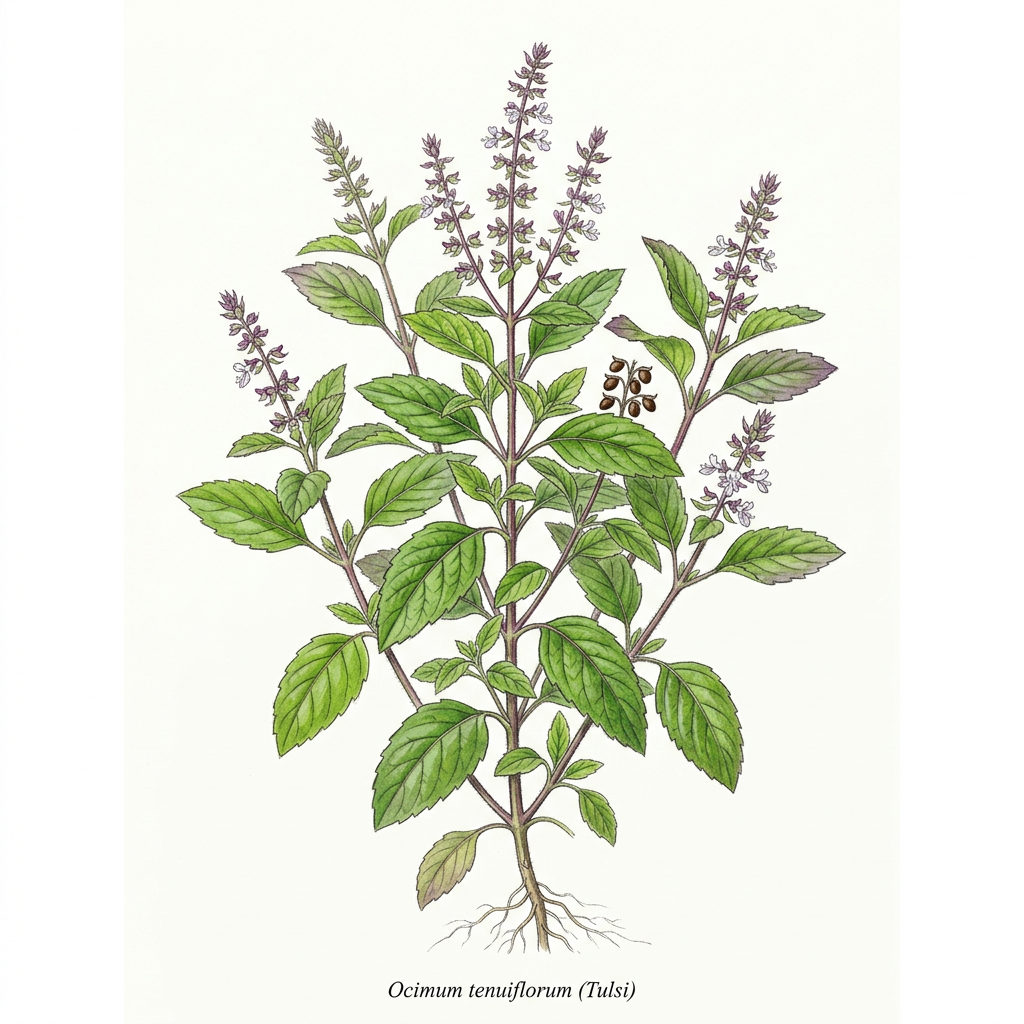
Holy Basil (Tulsi)

Holy Basil (Tulsi)

Ocimum tenuiflorum

moderate risk Risk
Lamiaceae
Calming and uplifting promoting peace and tranquility.
<p>Holy Basil, commonly referred to as Tulsi, holds a revered position in traditional Ayurvedic medicine and is often considered a sacred plant in Hindu culture. Its name, stemming from the Sanskrit word 'tulsī,' translates to "the incomparable one," reflecting its esteemed status. Traditionally, Holy Basil has been utilized for thousands of years not just as a culinary herb, but as a vital therapeutic agent. Its deep-rooted historical significance is demonstrated in various spiritual practices and rituals, where it is believed to promote purification and harmony. Additionally, Tulsi's myriad applications range from enhancing mental clarity and aiding digestion to fostering emotional and spiritual well-being, illustrating its holistic approach in traditional healing. The therapeutic properties of Holy Basil are both profound and multifaceted. As an adaptogen, it helps the body adapt to stress and promotes balance within the system, thereby alleviating symptoms of anxiety and enhancing resilience to stressors. Research has shown that Tulsi possesses anti-inflammatory, antioxidant, and antimicrobial properties, contributing to its effectiveness in boosting immune response and supporting respiratory health. Its phytochemical profile includes essential oils such as eugenol, which not only lend a distinctive aroma but also play a critical role in its beneficial properties. In essence, Holy Basil supports various bodily systems—improving cardiovascular health, reducing the impact of chronic stress, and uplifting mood. At the biochemical level, Holy Basil acts by modulating key stress-related pathways within the body. It influences the hypothalamic-pituitary-adrenal (HPA) axis, which regulates our stress response, thereby helping maintain cortisol levels within normal ranges. Additionally, Tulsi promotes the synthesis of serotonin, a neurotransmitter essential for mood regulation, which can help mitigate anxiety and enhance overall emotional well-being. Furthermore, its rich antioxidant content protects cellular integrity from oxidative stress, contributing to improved immune function. In synergy, these mechanisms establish Holy Basil as a powerful ally not only in managing stress but also in supporting overall health and vitality.</p>

Uses & Conditions

Adaptogen
Mental Clarity
Digestive Aid
Emotional Well-being
Respiratory Health
Cardiovascular Health
Purification
Harmony
Stress
Anxiety
Depression
Acne
Asthma
Bronchitis
Chronic Stress
Oxidative Stress
Poor Memory

Actions

Anxiolytic
Immunomodulator
Antioxidant

Synonyms

Ocimum tenufolium Holy basil Sweet basil
common basil
greek royal
kiss me nicholas.

Parts Used

leaf

Native Countries

India

USDA Hardiness Zones

USDA 10-11

Contraindications

  • Pregnancy: avoid in therapeutic doses due to potential emmenagogue effects
  • Breastfeeding: insufficient evidence to support safety during lactation
  • Pre-surgery: cease use at least two weeks prior to elective surgery
  • Hypoglycaemia: use with caution in individuals prone to low blood sugar

Potential Side Effects

  • Mild gastrointestinal discomfort or nausea on an empty stomach
  • Mild drowsiness in sensitive individuals

Interactions

  • Anticoagulants and antiplatelet drugs: potential enhancement of antiplatelet activity
  • Hypoglycaemic medication: may potentiate effect of insulin or oral antidiabetic drugs
  • CNS depressants: potential for additive effects with sedative medications

Dosages, tincture ratios & research — members only

Unlock Garreth's dosing guidance, tincture ratios, the dosage calculator and the research studies for Holy Basil (Tulsi).

Your assessment and results stay saved — upgrading only unlocks more of them.

See membership plans

Community Photos

No community photos yet. Sign in to upload photos.

Reviews & Ratings

Sign in to leave a review.

No reviews yet. Be the first!

GF

Garreth Falls — B.Th., Dip. H.M., MNIMH

Content curated and reviewed by Garreth Falls, Consultant Medical Herbalist · The Wild Sage

Medical Disclaimer: This information is for educational purposes only and is not intended as medical advice. Always consult with qualified healthcare professionals before starting any herbal treatment.
Ayurvedic tradition

Sustainability & quality

Cultivated

Tropical plant best sourced from ethical organic cooperatives to support traditional farming practices.

Key constituents

Eugenol, Ursolic acid, Rosmarinic acid, Apigenin, Luteolin, Essential oils (beta-caryophyllene, methyl chavicol), Tannins

References

  1. Pole "Ayurvedic Medicine" 2006
  2. Herbal Reality. Herb monographs. herbalreality.com

Reviewed by Garreth, Medical Herbalist (MNIMH) · November 2026

Related conditions

Explore conditions where Holy Basil (Tulsi) is traditionally used.

Related Herbs
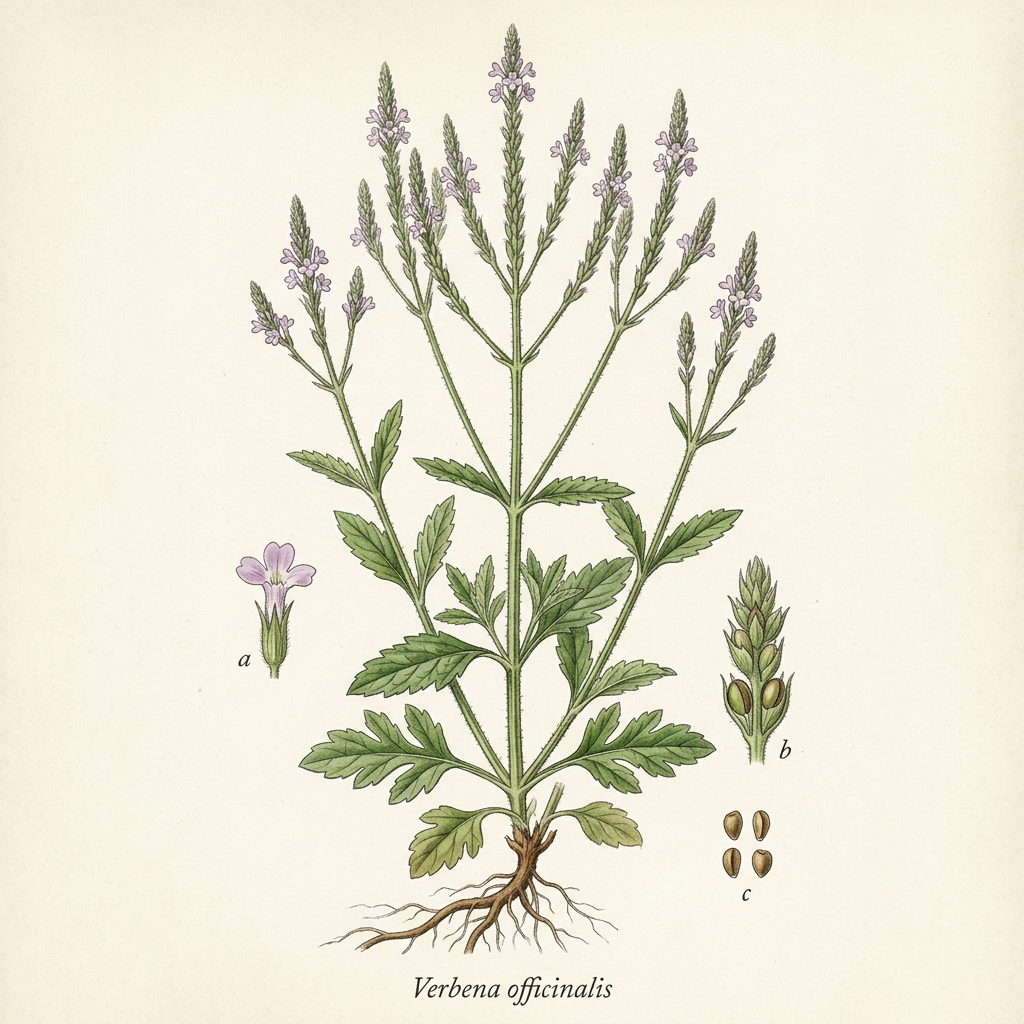
Vervain

Vervain

Verbena officinalis

Calming
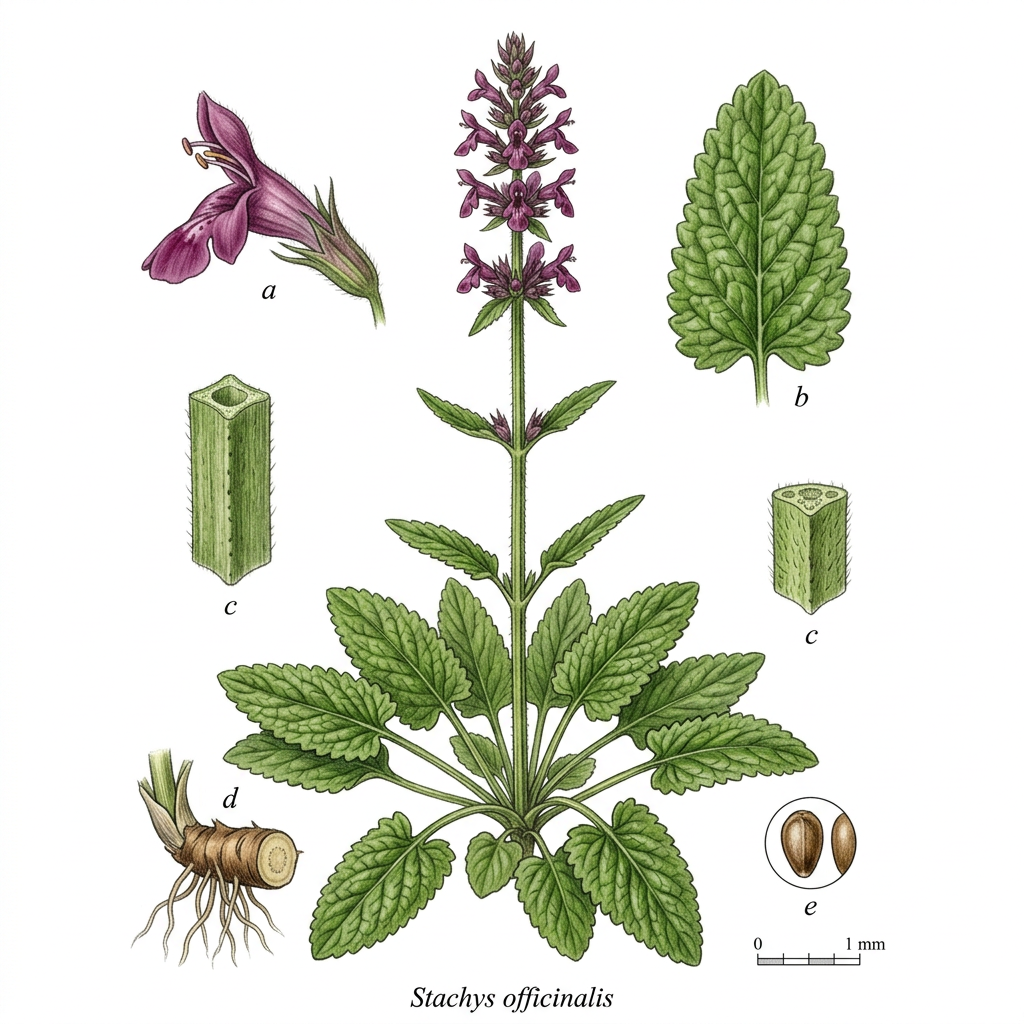
Betony

Betony

Stachys officinalis

Digestive aid
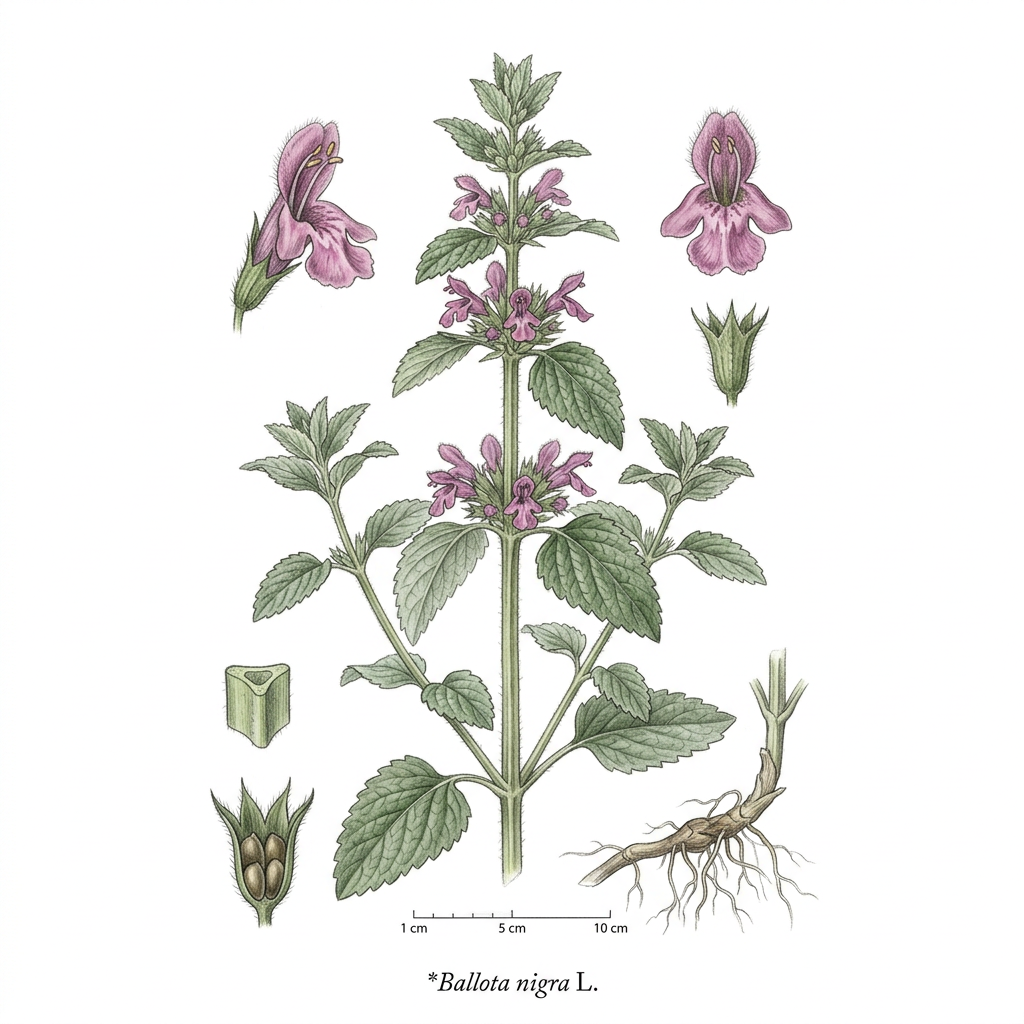
Black Horehound

Black Horehound

Ballota nigra

Digestive Aid
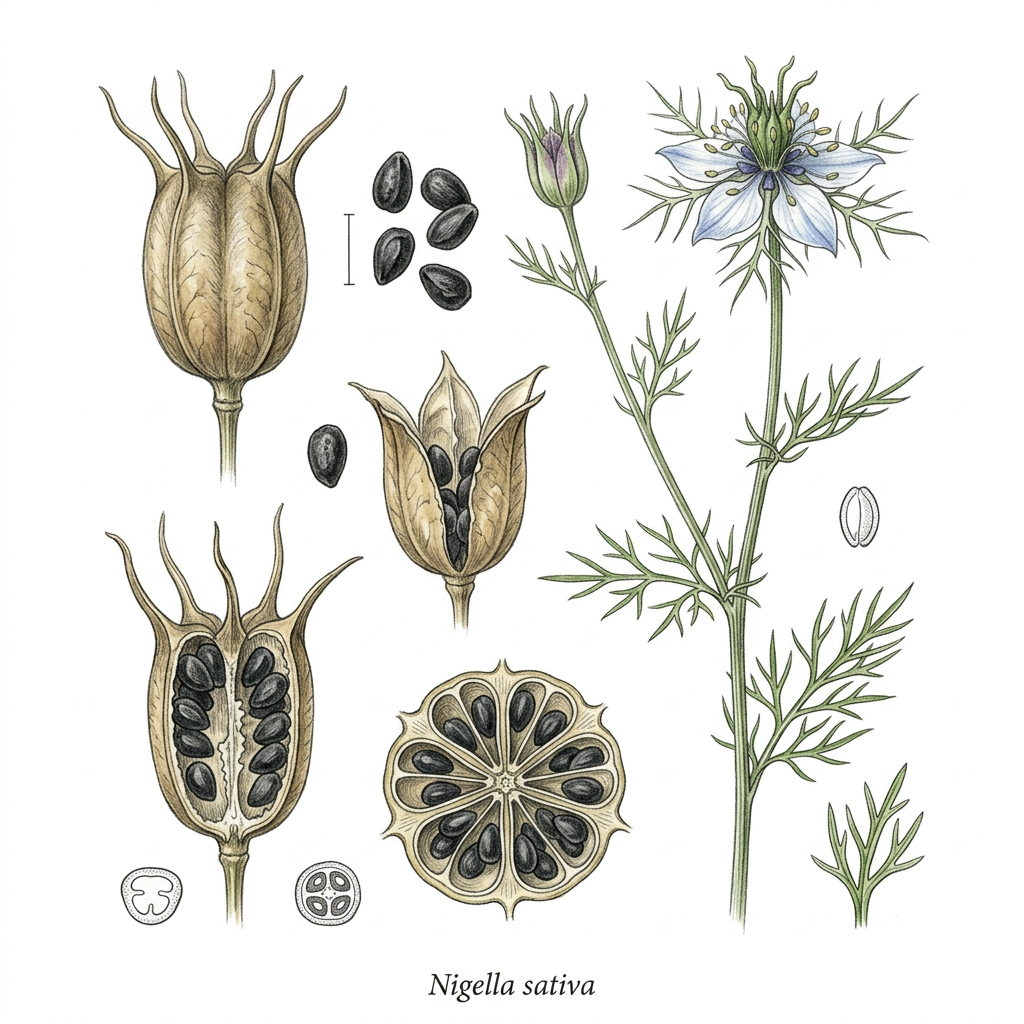
Black Seed

Black Seed

Nigella sativa

Immune Support