The Wild Sage logo
The Wild Sage Logo

Herbal Medicine at your fingertips

Comprehensive database of herbal remedies with detailed safety information and traditional uses

New to herbal terms? Read the glossary →
ADHD
Abcess
Acid Reflux Relief
Acinetobacter
Acne
Acne Vulgaris
Addisons
Adenomyosis
Adenovirus
Adrenal fatigue
Aging
Aids
Alcaligenes faecalis
Alcoholism
Allergic Rhinitis
Allergies
Allergy
Alopoecia
Alopoecia nervosa
Alzheimer's, Dementia & Cognitive Decline
420 herbs found
Important: This information is for educational purposes only. Always consult with qualified healthcare professionals before using herbal remedies, especially if you have existing health conditions or take medications.

Honey

Mel

low risk Risk
<p>Honey is a complex, supersaturated sugar solution produced by honeybees (Apis mellifera) from the nectar of flowers or honeydew secretions. It is chemically composed primarily of fructose and glucose, with trace amounts of minerals, enzymes, amino acids, and polyphenolic compounds that vary significantly based on the botanical and geographical source. While its appearance ranges from near-clear to deep amber, the quality is highly dependent on processing methods, with raw, unheated honey retaining the most active biological compounds.</p><p>Historically, honey has been a foundational substance in traditional medical systems across the globe, valued for its nutritional profile and its role as a versatile base for medicinal syrups and electuaries. It has been used for millennia as a wound dressing, a nourishing tonic for convalescence, and a soothing agent for digestive and respiratory catarrh. In contemporary practice, it remains a favoured demulcent for irritating coughs and sore throats, providing a physical coating that can mitigate inflammation and reduce the sensation of tickle in the pharynx.</p><p>Modern research has focused heavily on the antibacterial and anti-inflammatory properties of certain honeys, particularly those with high osmotic pressure and specific enzyme activity, such as Manuka honey. These studies suggest that the low pH and high sugar concentration create an unfavourable environment for bacterial growth, which is of interest for chronic wound management. While research into its systemic anti-inflammatory effects is ongoing, clinical evidence remains limited regarding its broader pharmacological impact, necessitating a cautious approach in complex medical cases.</p><p>In modern clinical practice, honey is typically employed as a topical agent for minor burns and chronic wounds, or as an adjunct for upper respiratory symptoms. It is frequently incorporated into herbal cough syrups to improve palatability and provide immediate symptomatic relief. When used, practitioners should advocate for the use of medical-grade or high-quality raw honey to ensure consistency and to minimise the risk of contamination with impurities.</p>

Uses & Conditions

Demulcent
Wound Care
Sore Throat
Wounds
Skin Ulcer
Bed Sores

Actions

Antibacterial
Demulcent
Anti-inflammatory

Synonyms

mel
Mel
Raw honey

Parts Used

Honey

Contraindications

  • Infants under 12 months of age due to the risk of infant botulism.
  • Individuals with known hypersensitivity or allergy to bee products or pollen.
  • Patients with poorly controlled diabetes mellitus or impaired glucose tolerance.
  • Patients with compromised immune systems when considering the use of non-sterile raw honey on open wounds.

Potential Side Effects

  • Transient rise in blood glucose levels.
  • Gastrointestinal discomfort or diarrhoea if consumed in large quantities.
  • Localised skin irritation or allergic reaction upon topical application.

Interactions

  • Antidiabetic medications: honey may cause fluctuations in blood glucose levels; monitor closely if insulin or oral hypoglycaemics are used.
  • Potential for altered absorption when co-administering with prescription medicines.

Dosages, tincture ratios & research — members only

Unlock Garreth's dosing guidance, tincture ratios, the dosage calculator and the research studies for Honey.

Your assessment and results stay saved — upgrading only unlocks more of them.

See membership plans

Community Photos

No community photos yet. Sign in to upload photos.

Reviews & Ratings

Sign in to leave a review.

No reviews yet. Be the first!

GF

Garreth Falls — B.Th., Dip. H.M., MNIMH

Content curated and reviewed by Garreth Falls, Consultant Medical Herbalist · The Wild Sage

Medical Disclaimer: This information is for educational purposes only and is not intended as medical advice. Always consult with qualified healthcare professionals before starting any herbal treatment.
Western tradition
Ayurvedic tradition

Sustainability & quality

Abundant

Ensure sourcing from sustainable beekeeping practices to support pollinator health.

References

  1. Pole "Ayurvedic Medicine" 2006
  2. Herbal Reality. Herb monographs. herbalreality.com

Related conditions

Explore conditions where Honey is traditionally used.

Related Herbs
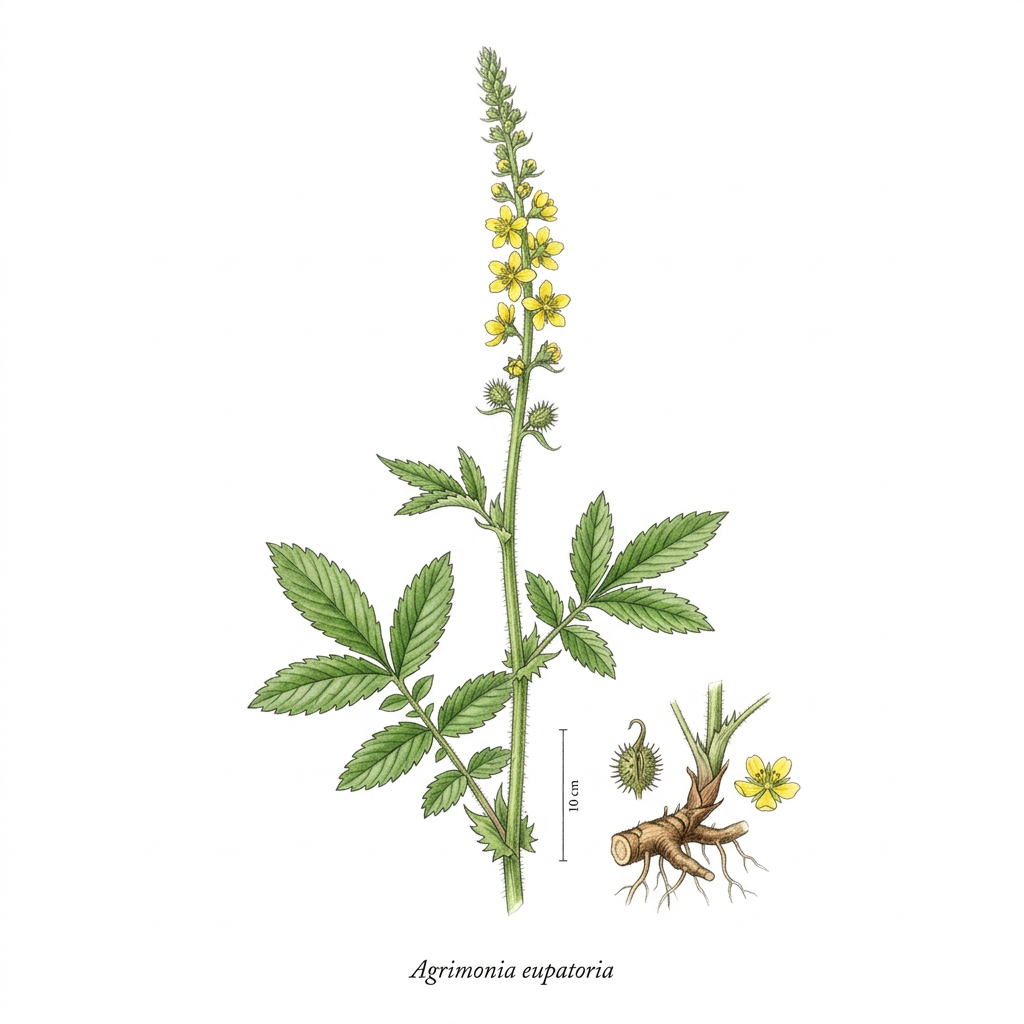
Agrimony

Agrimony

Agrimonia eupatoria

Digestive Aid
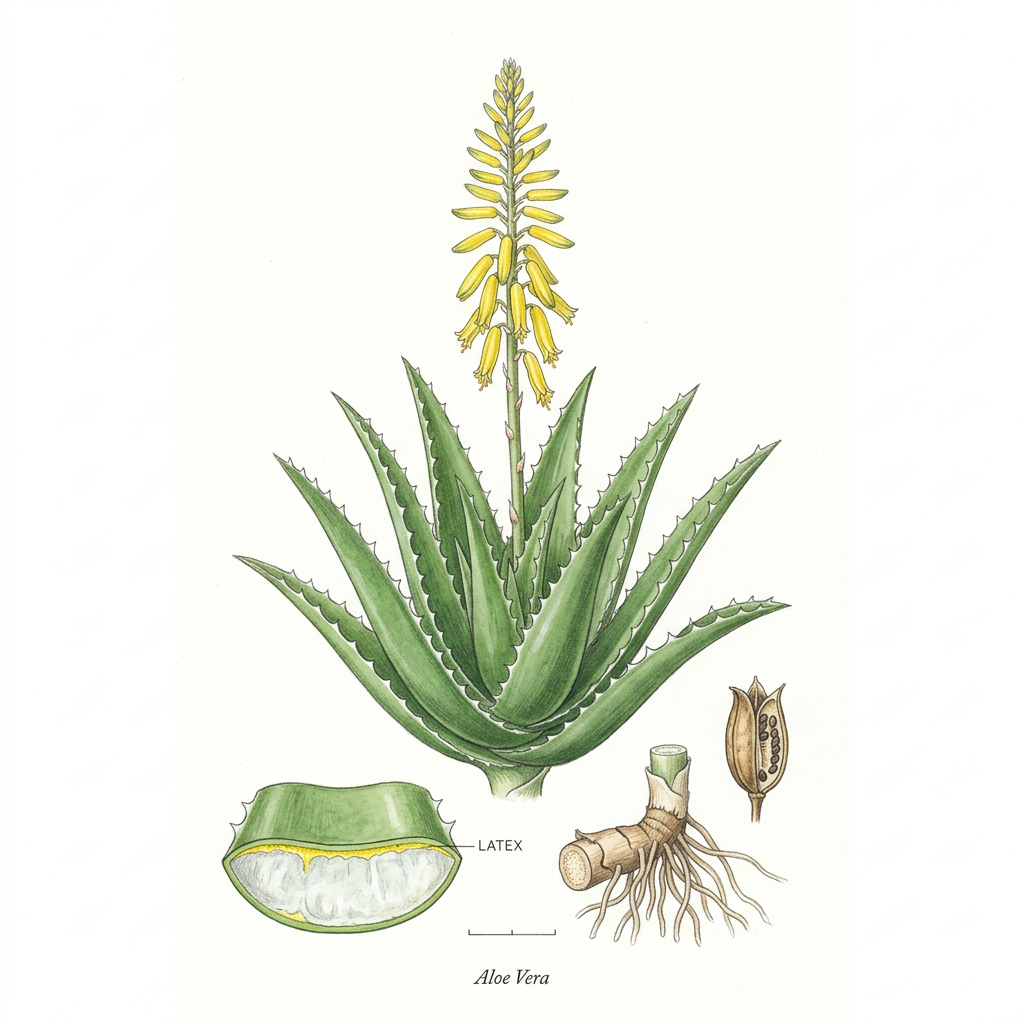
Aloe Vera

Aloe Vera

Aloe vera

Digestive Support
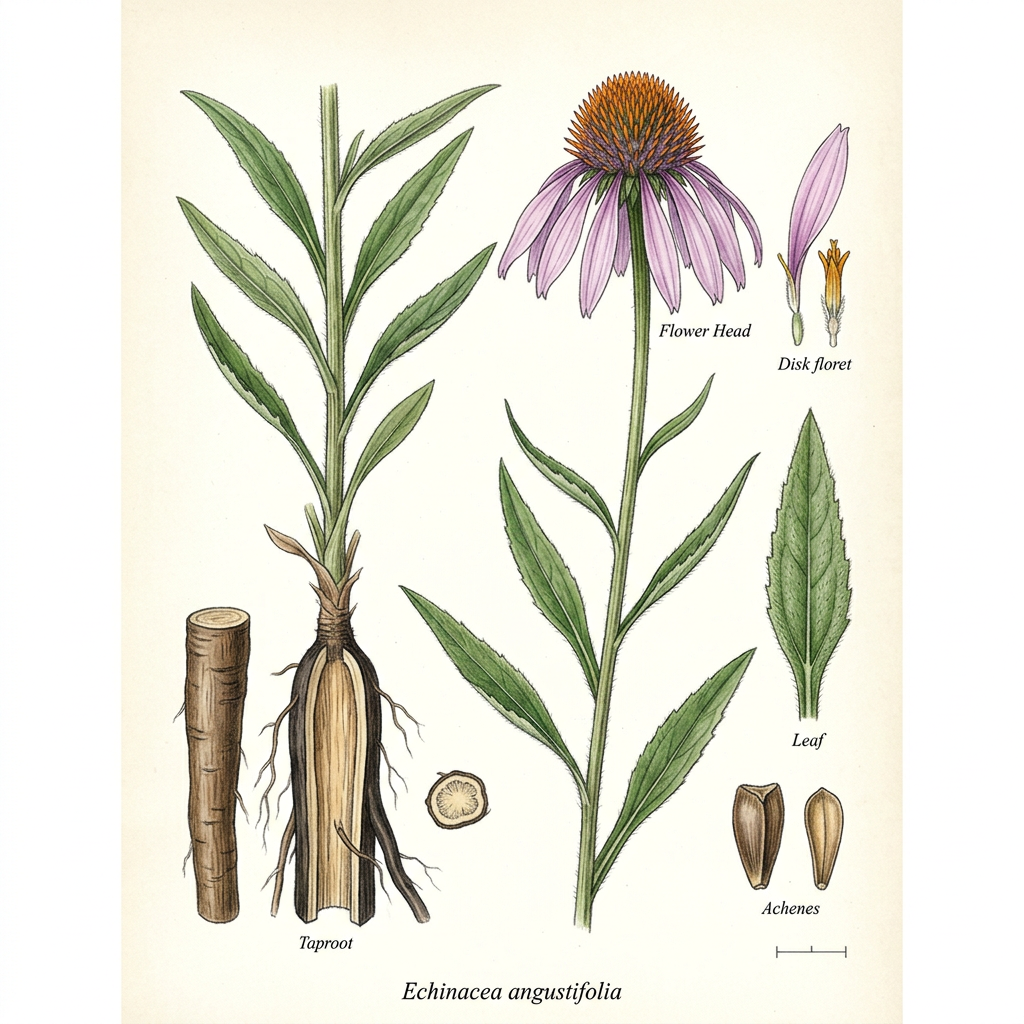
Echinacea angustifolia

Echinacea angustifolia
Echinacea angustifolia

Immune System Support
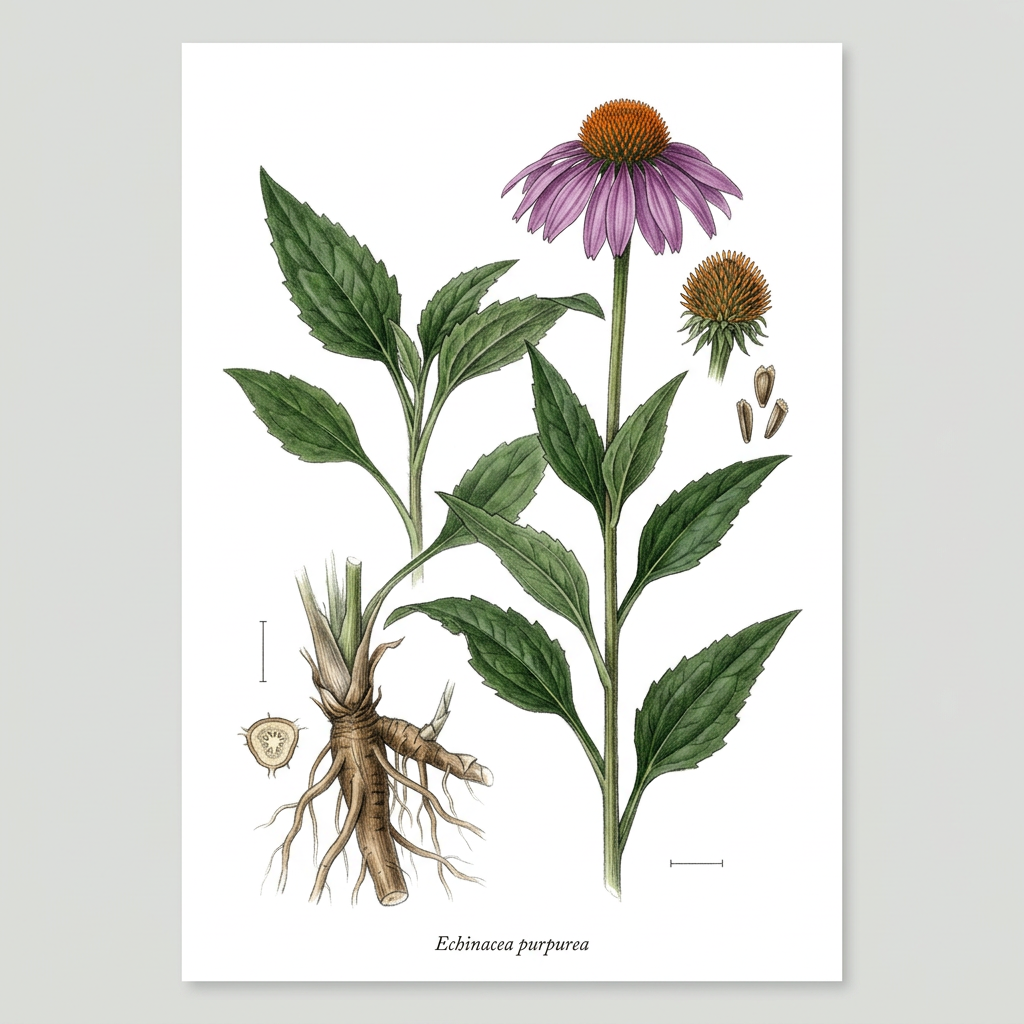
Echinacea purpurea

Echinacea purpurea

Echinacea purpurea

Immune Support