The Wild Sage logo
The Wild Sage Logo

Herbal Medicine at your fingertips

Comprehensive database of herbal remedies with detailed safety information and traditional uses

New to herbal terms? Read the glossary →
ADHD
Abcess
Acid Reflux Relief
Acinetobacter
Acne
Acne Vulgaris
Addisons
Adenomyosis
Adenovirus
Adrenal fatigue
Aging
Aids
Alcaligenes faecalis
Alcoholism
Allergic Rhinitis
Allergies
Allergy
Alopoecia
Alopoecia nervosa
Alzheimer's, Dementia & Cognitive Decline
420 herbs found
Important: This information is for educational purposes only. Always consult with qualified healthcare professionals before using herbal remedies, especially if you have existing health conditions or take medications.
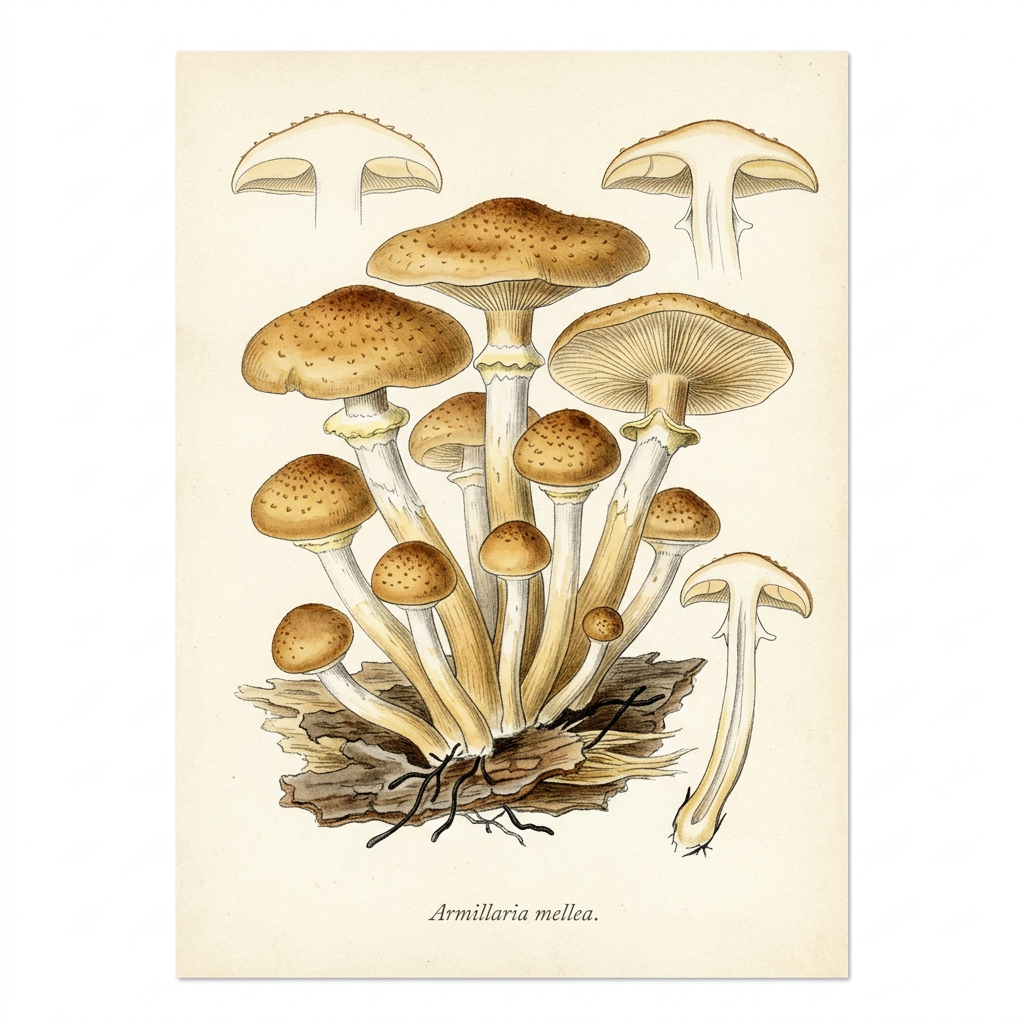
Honey mushroom

Honey mushroom

Armillaria mellea

low risk Risk
Physalacriaceae
warming, moist and earthy
<p>The honey mushroom, scientifically known as Armillaria mellea, is a fascinating species of edible fungus with a rich history in traditional herbal medicine. Revered in many cultures, particularly in Asia and Europe, this mushroom has been used for centuries not only as a culinary delicacy but also for its purported therapeutic properties. Ethnomedicinal practices have highlighted the honey mushroom’s potential in supporting overall health, as it thrives in various habitats and is found across the globe. Its sweet, honey-like flavor and unique texture make it a popular ingredient in numerous dishes, connecting food and medicine in a sustainable manner. Honey mushrooms exhibit a diverse array of therapeutic properties, making them a valuable addition to herbal medicine. Renowned for their **anti-fungal** qualities, these mushrooms combat harmful fungi and support skin health. Furthermore, they are believed to offer significant **immune support**, enhancing the body’s natural defenses against various pathogens. Additionally, emerging research suggests that honey mushrooms may possess **anti-aging** effects, helping to mitigate the signs of aging by combating oxidative stress and supporting cellular vitality. The polysaccharides and other bioactive compounds present in honey mushrooms work synergistically to promote health, making them a remarkable herb for fostering resilience and vitality. At the physiological level, the benefits of honey mushrooms can be attributed to their rich composition of polysaccharides, particularly beta-glucans, which are known for their immune-modulating effects. These compounds stimulate the immune system by activating macrophages and other immune cells, enhancing the body’s ability to respond effectively to infections. The antioxidant activity of honey mushrooms also plays a crucial role in cellular health, as it helps neutralize free radicals that contribute to aging and degenerative diseases. By promoting a balanced immune response and supporting cellular longevity, honey mushrooms stand out as not just a culinary delight but also a potent ally in maintaining health and wellness in our daily lives.</p>

Uses & Conditions

Anti-ageing
Stress reduction
Skin health
Lymphocyte activity
Meniere’s disease
Neuroasthenia
Neuropathy
Hypertension
Vertigo
Stroke
Staphylococcus infection
Nervous exhaustion
Headache
Insomnia
Epilepsy
Chronic fatigue

Actions

Immunomodulant
Anti-ageing
Antifungal

Parts Used

fruiting body

Native Countries

North America
Europe
Asia

USDA Hardiness Zones

USDA 3-9

Contraindications

  • Pregnancy and breastfeeding
  • Autoimmune conditions
  • Pre-surgery
  • Mushroom allergy

Potential Side Effects

  • Gastrointestinal upset
  • Mild skin irritation
  • Contact dermatitis
  • Hypoglycaemic episodes

Interactions

  • Immunosuppressants
  • Antidiabetic medications

Dosages, tincture ratios & research — members only

Unlock Garreth's dosing guidance, tincture ratios, the dosage calculator and the research studies for Honey mushroom.

Your assessment and results stay saved — upgrading only unlocks more of them.

See membership plans

Community Photos

No community photos yet. Sign in to upload photos.

Reviews & Ratings

Sign in to leave a review.

No reviews yet. Be the first!

GF

Garreth Falls — B.Th., Dip. H.M., MNIMH

Content curated and reviewed by Garreth Falls, Consultant Medical Herbalist · The Wild Sage

Medical Disclaimer: This information is for educational purposes only and is not intended as medical advice. Always consult with qualified healthcare professionals before starting any herbal treatment.
Chinese tradition

Sustainability & quality

Abundant

Common fungi species; ensure sourcing from reputable growers to avoid contaminated logs or substrate.

Key constituents

Polysaccharides, Seratonin, Sesquiterpine lactones, Tryptamine alkaloids, Polysaccharides

References

  1. Bensky "Chinese Herbal Medicine: Materia Medica" 3rd ed. 2004
  2. Herbal Reality. Herb monographs. herbalreality.com

Reviewed by Garreth, Medical Herbalist (MNIMH) · November 2026

Related conditions

Explore conditions where Honey mushroom is traditionally used.

Related Herbs
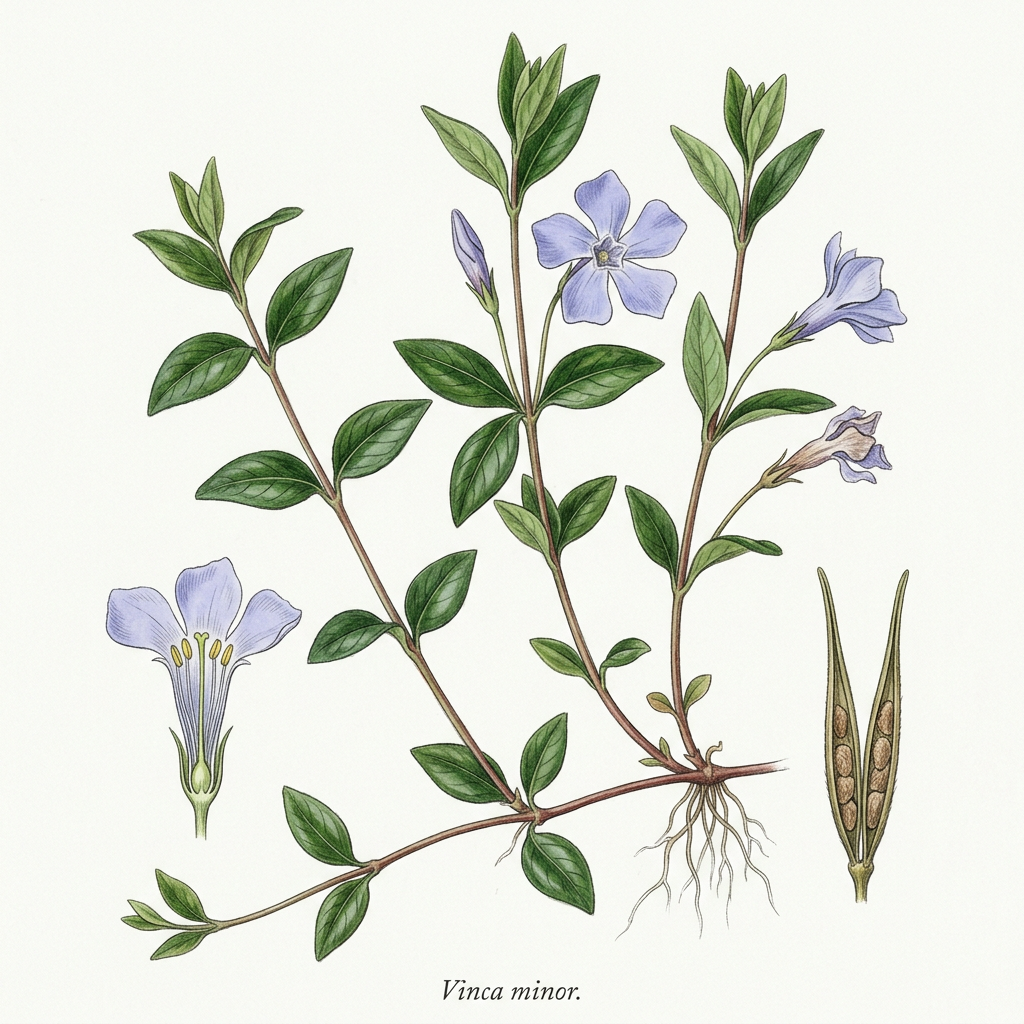
Periwinkle

Periwinkle

Vinca minor

Cognitive Support
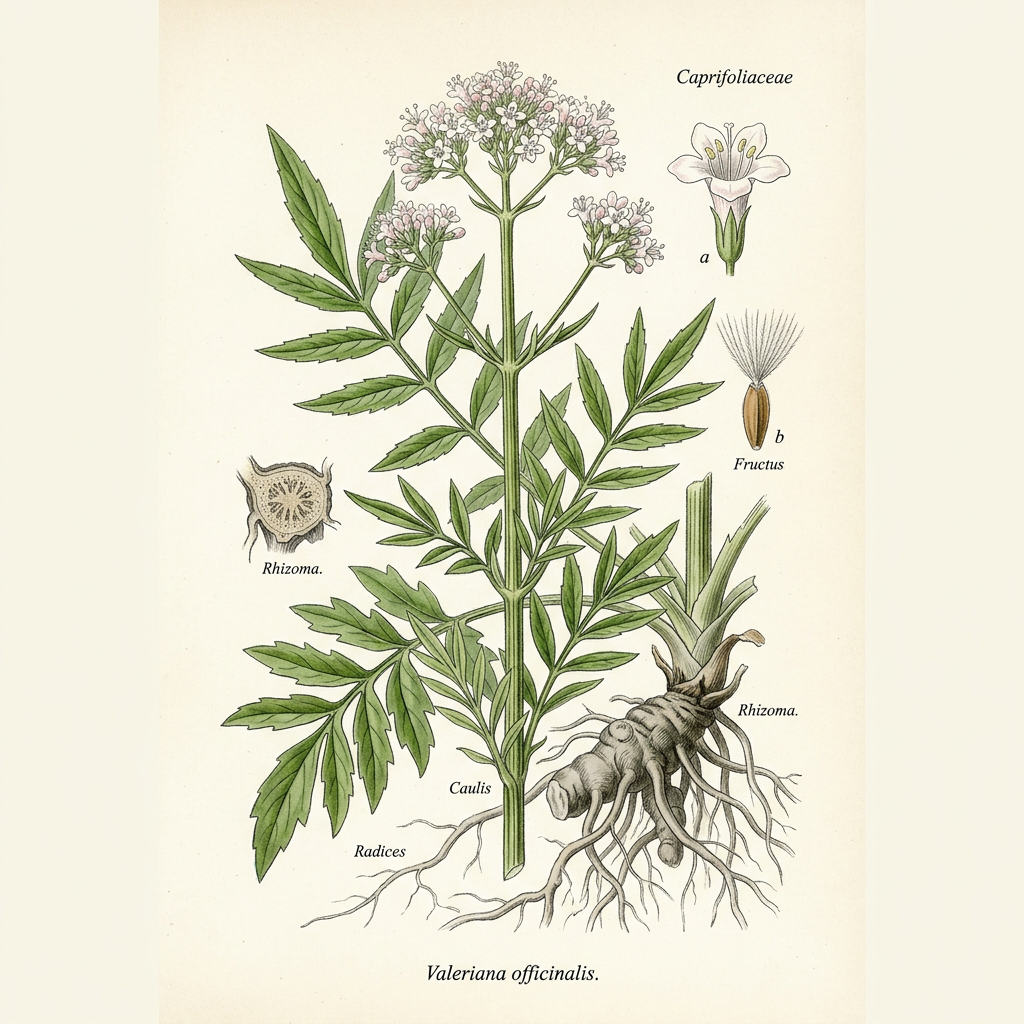
Valerian

Valerian

Valeriana officinalis

Sedation
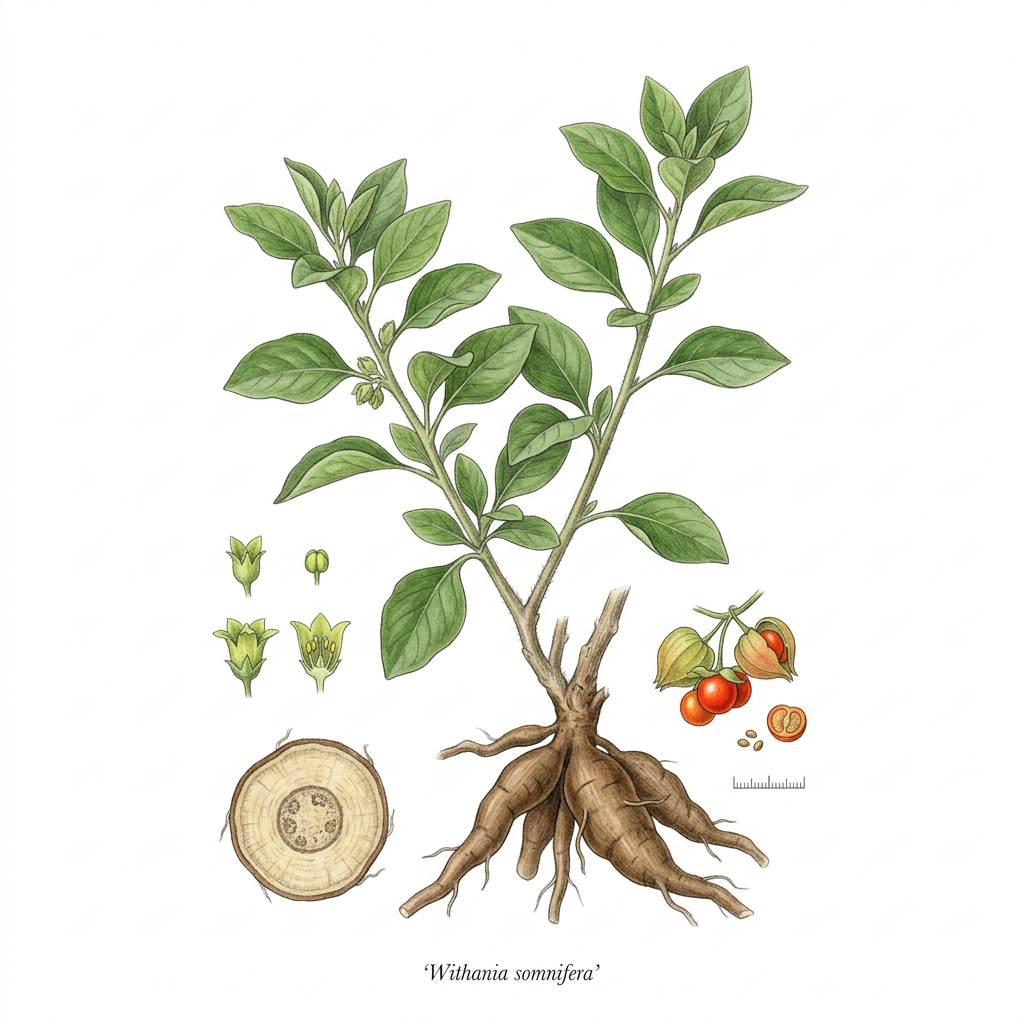
Ashwagandha

Ashwagandha

Withania somnifera

Immune Support
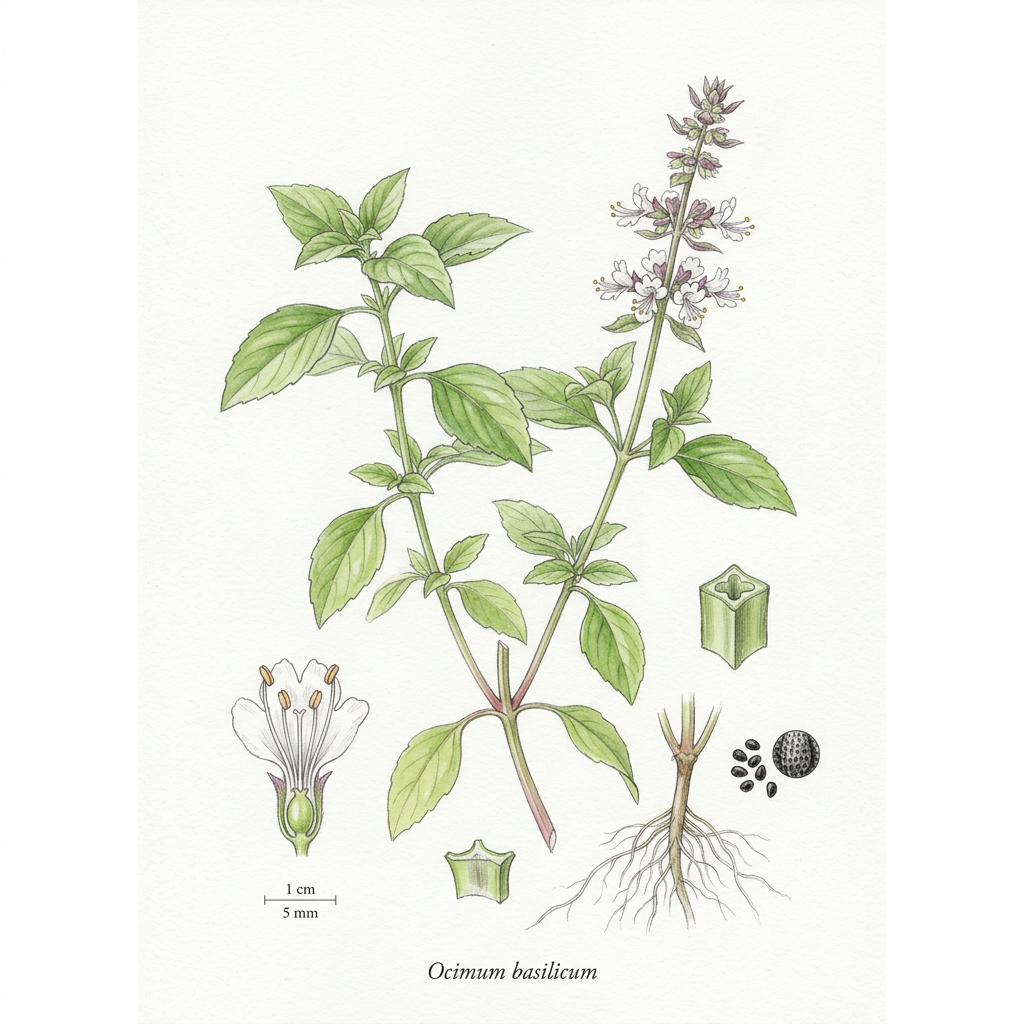
Basil

Basil

Ocimum basilicum

Convalescence