The Wild Sage logo
The Wild Sage Logo

Herbal Medicine at your fingertips

Comprehensive database of herbal remedies with detailed safety information and traditional uses

New to herbal terms? Read the glossary →
ADHD
Abcess
Acid Reflux Relief
Acinetobacter
Acne
Acne Vulgaris
Addisons
Adenomyosis
Adenovirus
Adrenal fatigue
Aging
Aids
Alcaligenes faecalis
Alcoholism
Allergic Rhinitis
Allergies
Allergy
Alopoecia
Alopoecia nervosa
Alzheimer's, Dementia & Cognitive Decline
420 herbs found
Important: This information is for educational purposes only. Always consult with qualified healthcare professionals before using herbal remedies, especially if you have existing health conditions or take medications.
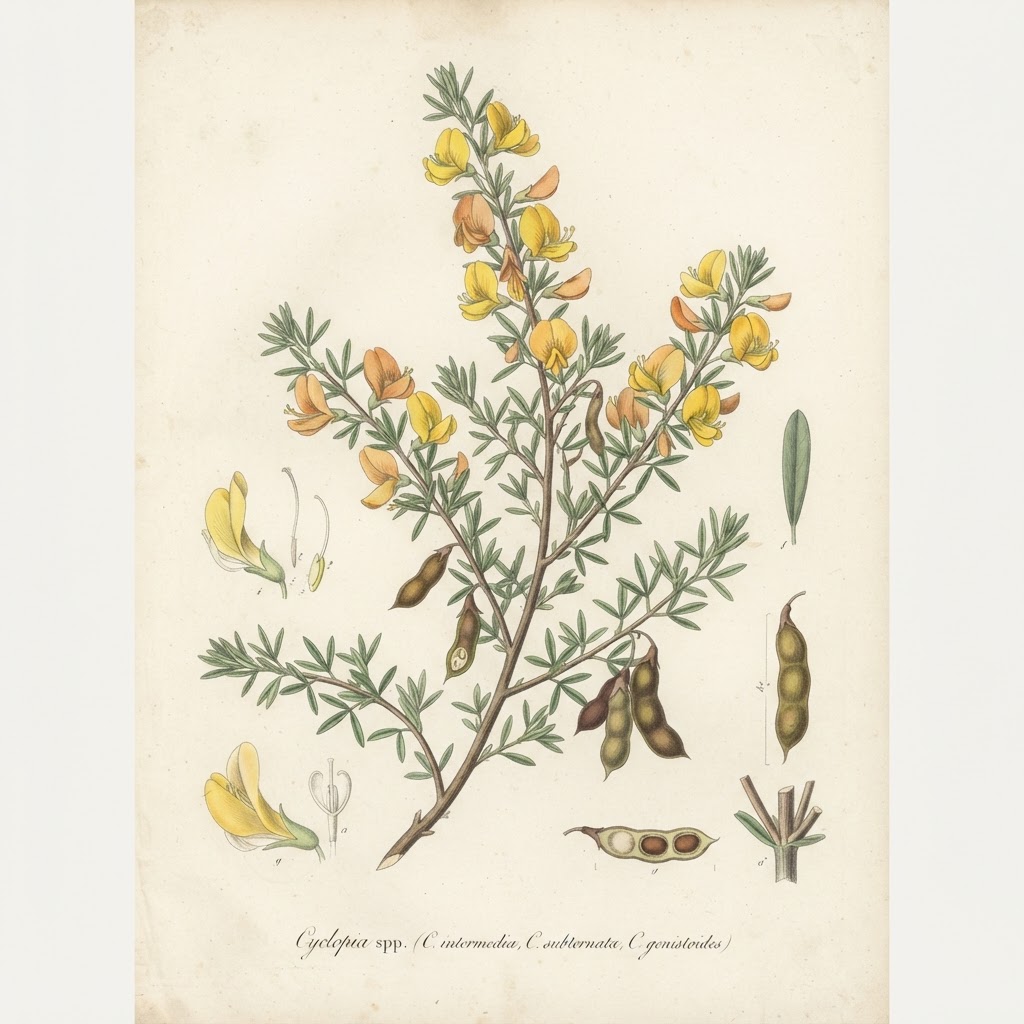
Honeybush

Honeybush

Cyclopia spp. (mainly C. intermedia, C. subternata, C. genistoides)

low risk Risk
Fabaceae
It is considered sweet, cooling, and moistening in nature, helping to nourish and soothe systemic dryness.
<p>Cyclopia intermedia, commonly known as Honeybush, is a woody shrub belonging to the Fabaceae family, native to the mountainous regions of the Western and Eastern Cape in South Africa. It is characterised by its trifoliate, lanceolate leaves and bright yellow, papilionaceous flowers that emit a distinct honey-like fragrance. The shrub thrives in specific acidic, well-draining soils and is typically wild-harvested from rocky sandstone slopes. Unlike many other tea-producing plants, it is not a true tea but a legume, possessing unique structural characteristics that distinguish it from the closely related Cyclopia genistoides or C. subternata. Historically, it has been used by indigenous populations in the Cape for generations, valued both for its sweet flavour and its reputed health-promoting properties. The plant material is traditionally fermented to develop its characteristic rich colour, aroma, and flavour profile, which makes it an appealing beverage base that is naturally caffeine-free and low in tannins. Contemporary research has focused primarily on its high polyphenol content, specifically the presence of mangiferin and isomangiferin, which are thought to contribute to its antioxidant and potential oestrogen-modulating effects. Whilst in vitro studies have shown promising outcomes regarding oxidative stress and metabolic health, clinical evidence in humans remains relatively sparse, necessitating a cautious, traditional-based approach to its use. In clinical practice, I often utilise Honeybush as a gentle, restorative beverage for patients who are sensitive to stimulants or who suffer from mild menopausal symptoms. It serves as an excellent vehicle for other herbal extracts or as a standalone supportive infusion. Due to its pleasant taste, patient compliance is typically very high, making it a reliable herb for long-term supportive care in cases of general depletion or mild inflammatory conditions.</p>

Uses & Conditions

Caffeine-free beverage substitute
Supportive nutrition for the endocrine system
Antioxidant support for long-term health
Menopausal Symptoms
General Debility
Mild Oxidative Stress
Dryness Of Mucous Membranes

Actions

Antioxidant
Phytoestrogen
Nutritive
Demulcent

Synonyms

Mountain Tea
Cape Tea

Parts Used

Aerial parts

Native Countries

South Africa

USDA Hardiness Zones

9
10
11

Contraindications

  • Known hypersensitivity to members of the Fabaceae family.

Potential Side Effects

  • Rare reports of mild gastrointestinal upset when consumed in extreme excess.

Interactions

  • No clinically significant drug interactions have been documented, though potential for interference with drugs metabolised by specific hepatic enzymes requires further study.

Dosages, tincture ratios & research — members only

Unlock Garreth's dosing guidance, tincture ratios, the dosage calculator and the research studies for Honeybush.

Your assessment and results stay saved — upgrading only unlocks more of them.

See membership plans

Community Photos

No community photos yet. Sign in to upload photos.

Reviews & Ratings

Sign in to leave a review.

No reviews yet. Be the first!

GF

Garreth Falls — B.Th., Dip. H.M., MNIMH

Content curated and reviewed by Garreth Falls, Consultant Medical Herbalist · The Wild Sage

Medical Disclaimer: This information is for educational purposes only and is not intended as medical advice. Always consult with qualified healthcare professionals before starting any herbal treatment.

Sustainability & quality

Abundant

Key constituents

Mangiferin, Isomangiferin, Hesperidin, Luteolin, Flavones, Xanthonoids, Polyphenols

References

  1. Herbal Reality. Herb monographs. herbalreality.com

Reviewed by Garreth, Medical Herbalist (MNIMH) · November 2026

Related Herbs
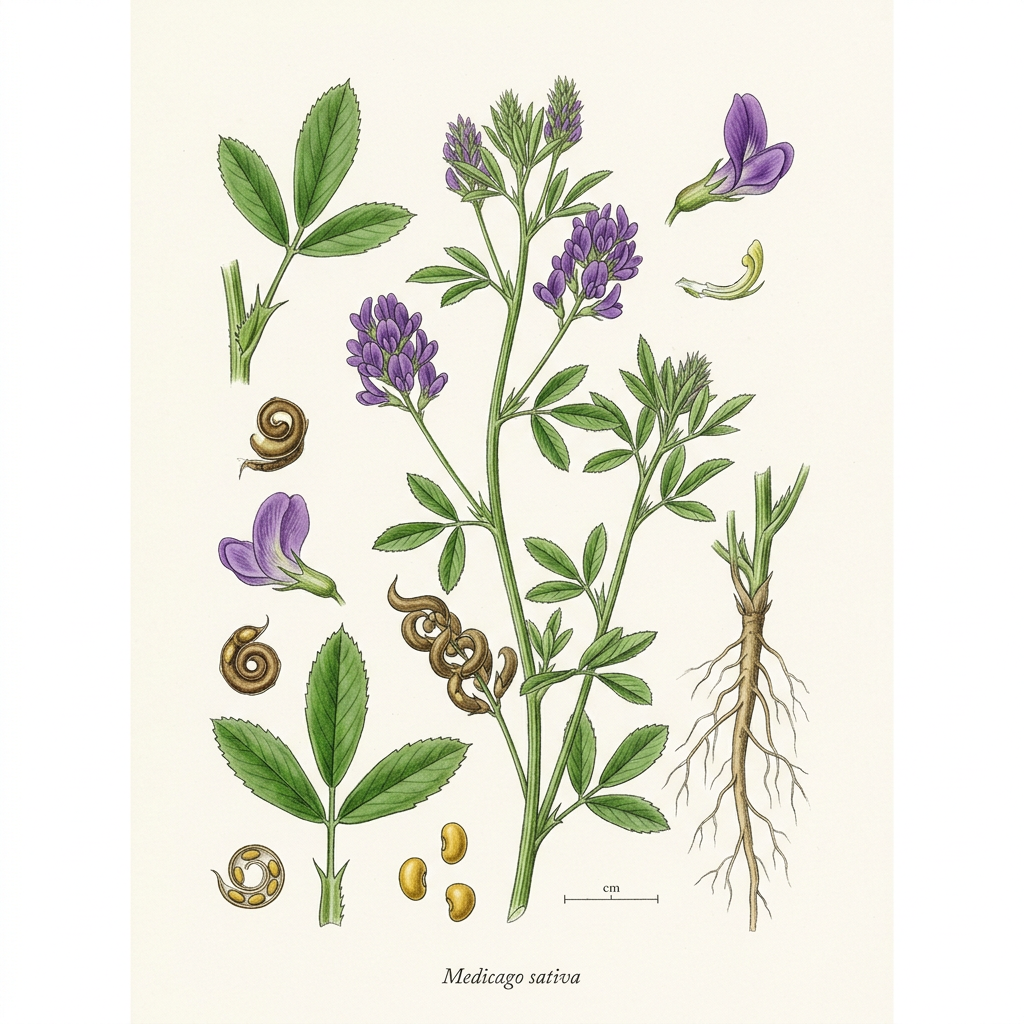
Alfalfa

Alfalfa

Medicago sativa

Nutritional Support
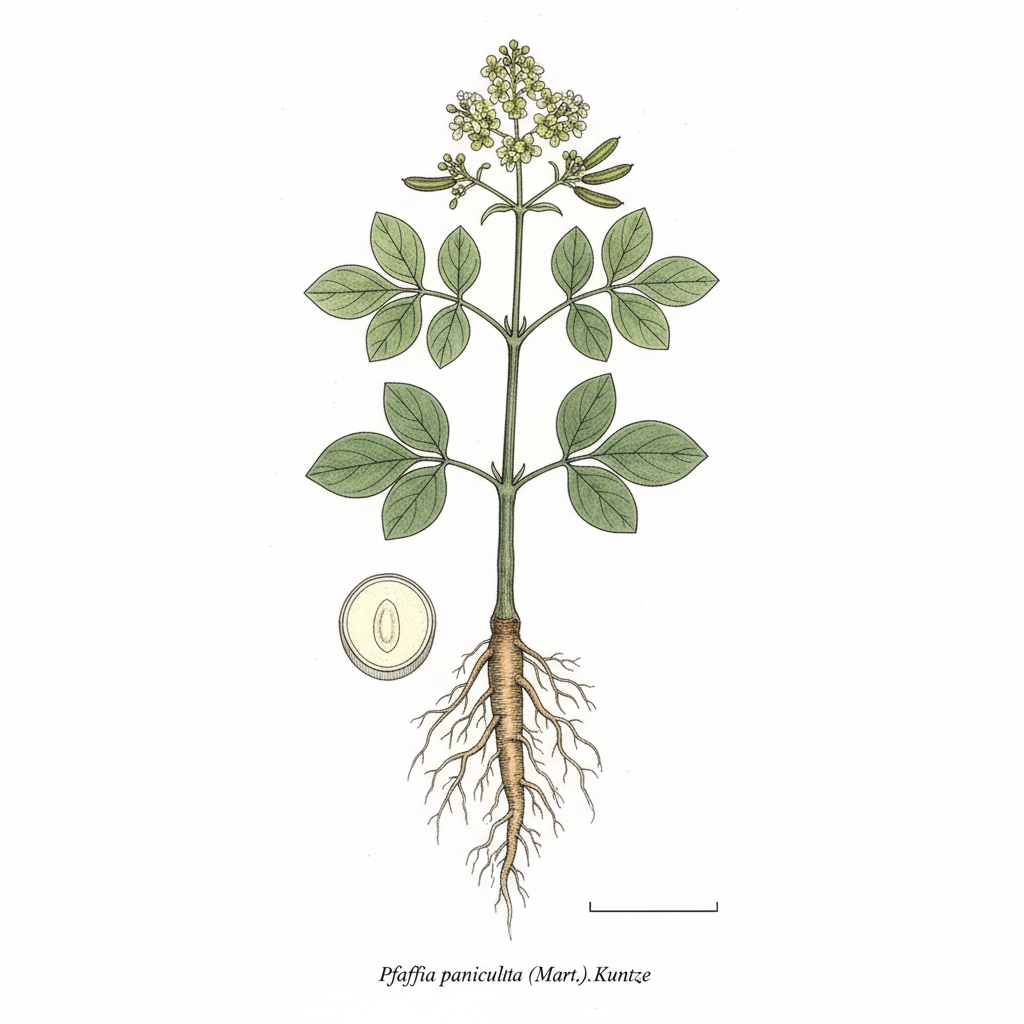
Brazillian ginseng

Brazillian ginseng

Pfaffia paniculata
Adaptation to Stress
Chaparro Amargosa

Chaparro Amargosa

Castela emoryi

Digestive Aid
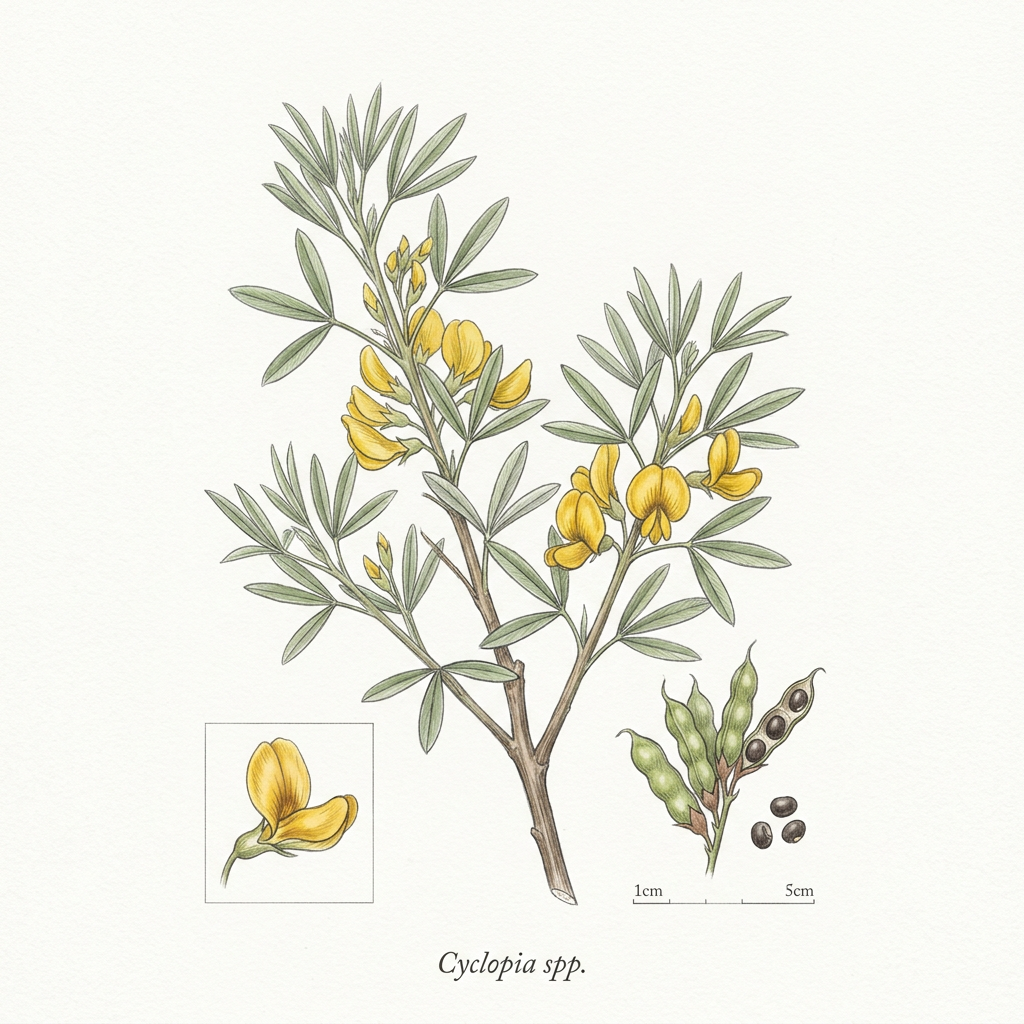
Cyclopia spp

Cyclopia spp

Cyclopia spp

Traditional beverage