The Wild Sage logo
The Wild Sage Logo

Herbal Medicine at your fingertips

Comprehensive database of herbal remedies with detailed safety information and traditional uses

New to herbal terms? Read the glossary →
ADHD
Abcess
Acid Reflux Relief
Acinetobacter
Acne
Acne Vulgaris
Addisons
Adenomyosis
Adenovirus
Adrenal fatigue
Aging
Aids
Alcaligenes faecalis
Alcoholism
Allergic Rhinitis
Allergies
Allergy
Alopoecia
Alopoecia nervosa
Alzheimer's, Dementia & Cognitive Decline
420 herbs found
Important: This information is for educational purposes only. Always consult with qualified healthcare professionals before using herbal remedies, especially if you have existing health conditions or take medications.
Honeysuckle

Honeysuckle

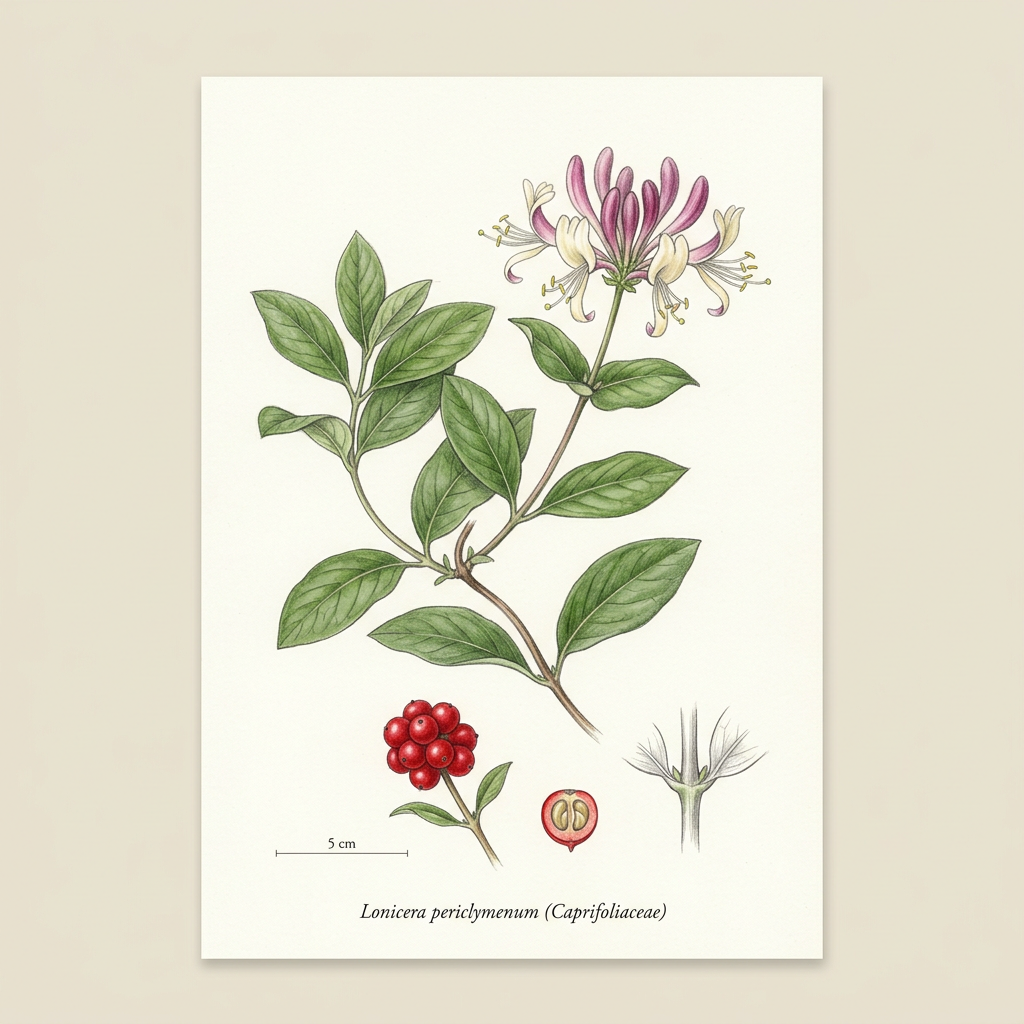
Lonicera periclymenum

low risk Risk
Caprifoliaceae
cooling, moist, sweet.
<p>Honeysuckle, scientifically known as Lonicera periclymenum, is a deciduous climbing plant native to Europe and parts of Asia. It has been celebrated in traditional herbal medicine for centuries, primarily within Chinese and European folk practices. In Traditional Chinese Medicine (TCM), honeysuckle is revered for its cooling properties and is often used to counteract heat in the body, making it a common remedy for fevers, infections, and inflammatory conditions. Its fragrant blooms attract not only pollinators but also herbalists who recognize its profound therapeutic potential. The therapeutic benefits of honeysuckle are extensive, underpinning its use as an antioxidant and for respiratory support. This remarkable herb is rich in flavonoids and phenolic compounds, which contribute to its ability to scavenge free radicals, thus providing protective effects against oxidative stress. Honeysuckle is also known for its anti-inflammatory properties, making it beneficial in the treatment of respiratory ailments such as colds, coughs, and bronchitis. The infusion or extract of its flowers can soothe throat irritation, facilitate mucus clearance, and promote overall respiratory health. Furthermore, it has been traditionally used for its diuretic properties, helping to promote detoxification and enhance kidney function. Honeysuckle operates in the body primarily through its active constituents, which modulate immune responses and reduce inflammation. The herb's capacity to inhibit pro-inflammatory cytokines and boost the activity of immune cells makes it a valuable ally in managing infections. Additionally, the antioxidant mechanism mitigates cellular damage caused by oxidative stress, thereby supporting cellular health and promoting longevity. With its diverse therapeutic actions and longstanding historical use, honeysuckle continues to be a cherished herb in both contemporary herbalism and traditional practices, celebrated for its ability to promote wellness and harmony within the body.</p>

Uses & Conditions

Detoxification
Cellular health
Blood sugar regulation
Asthma
Respiratory infections
Chronic inflammation
Urinary tract infections
Diabetes
Digestive issues
Spleen disorders
Microbial infection
Throat irritation
Sunburn
Rhinitis

Actions

Antioxidant
Cooling
Antiviral
Diuretic
Anti-spasmodic
Spleen tonic
Anti-asthmatic
Anti-inflammatory

Parts Used

Flower is said by Culpepper to be the most potent

Native Countries

Europe - Other Honeysuckle species exist but they do not seem to have the same actions.

USDA Hardiness Zones

USDA 3-9

Contraindications

  • Pregnancy and breastfeeding due to a lack of safety data
  • Known allergy or hypersensitivity to the Caprifoliaceae family
  • Severe kidney or liver impairment
  • Children under the age of 12 years without professional clinical supervision

Potential Side Effects

  • Nausea
  • Gastrointestinal tract upset

Interactions

  • Diuretics: potential additive effect on fluid excretion
  • Immunosuppressants: potential to modulate immune activity
  • NSAIDs: concurrent use may increase risk of gastrointestinal irritation

Dosages, tincture ratios & research — members only

Unlock Garreth's dosing guidance, tincture ratios, the dosage calculator and the research studies for Honeysuckle.

Your assessment and results stay saved — upgrading only unlocks more of them.

See membership plans

Community Photos

No community photos yet. Sign in to upload photos.

Reviews & Ratings

Sign in to leave a review.

No reviews yet. Be the first!

GF

Garreth Falls — B.Th., Dip. H.M., MNIMH

Content curated and reviewed by Garreth Falls, Consultant Medical Herbalist · The Wild Sage

Medical Disclaimer: This information is for educational purposes only and is not intended as medical advice. Always consult with qualified healthcare professionals before starting any herbal treatment.
Western tradition

Sustainability & quality

Abundant

A very common hedgerow shrub in the UK. Easily foraged in large quantities; always ensure plants are free from roadside pollution.

Key constituents

Flavonoids (e.g., quercetin, kaempferol), Phenolic acids (e.g., chlorogenic acid), Saponins, Triterpenes

References

  1. British Herbal Pharmacopoeia 1983
  2. Herbal Reality. Herb monographs. herbalreality.com

Reviewed by Garreth, Medical Herbalist (MNIMH) · November 2026

Related conditions

Explore conditions where Honeysuckle is traditionally used.

Related Herbs
Bhumi amla

Bhumi amla

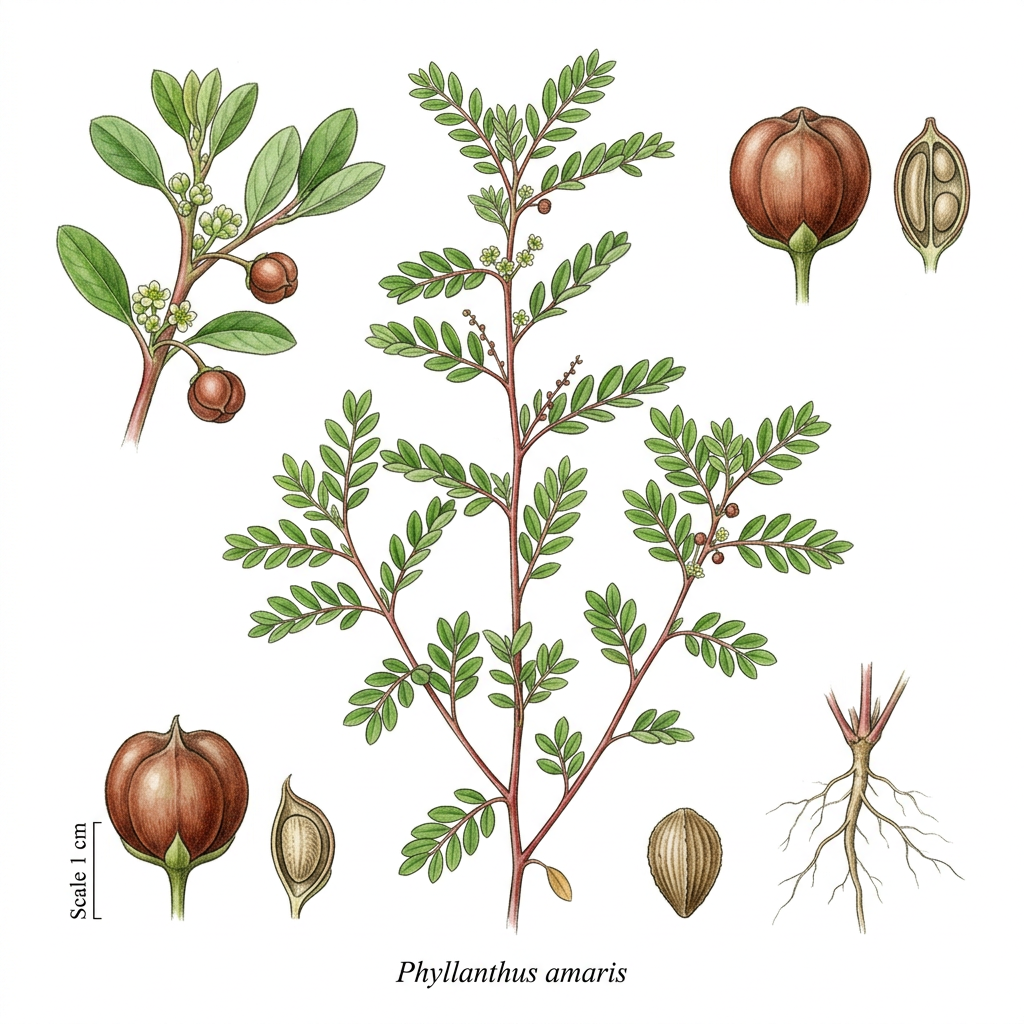
Phyllanthus amarus

Detoxification
Devil's Club

Devil's Club

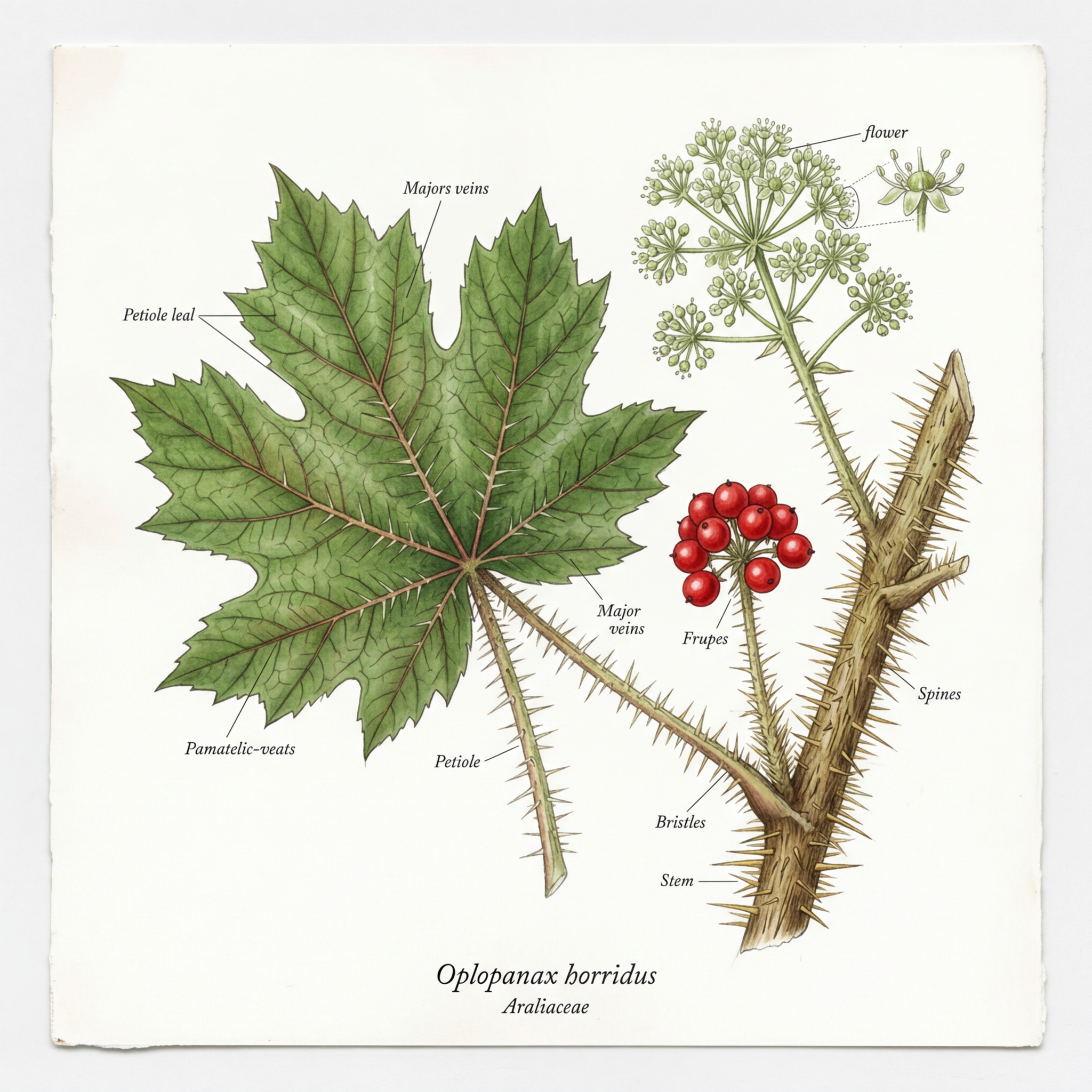
Oplopanax horridus

Immune modulation
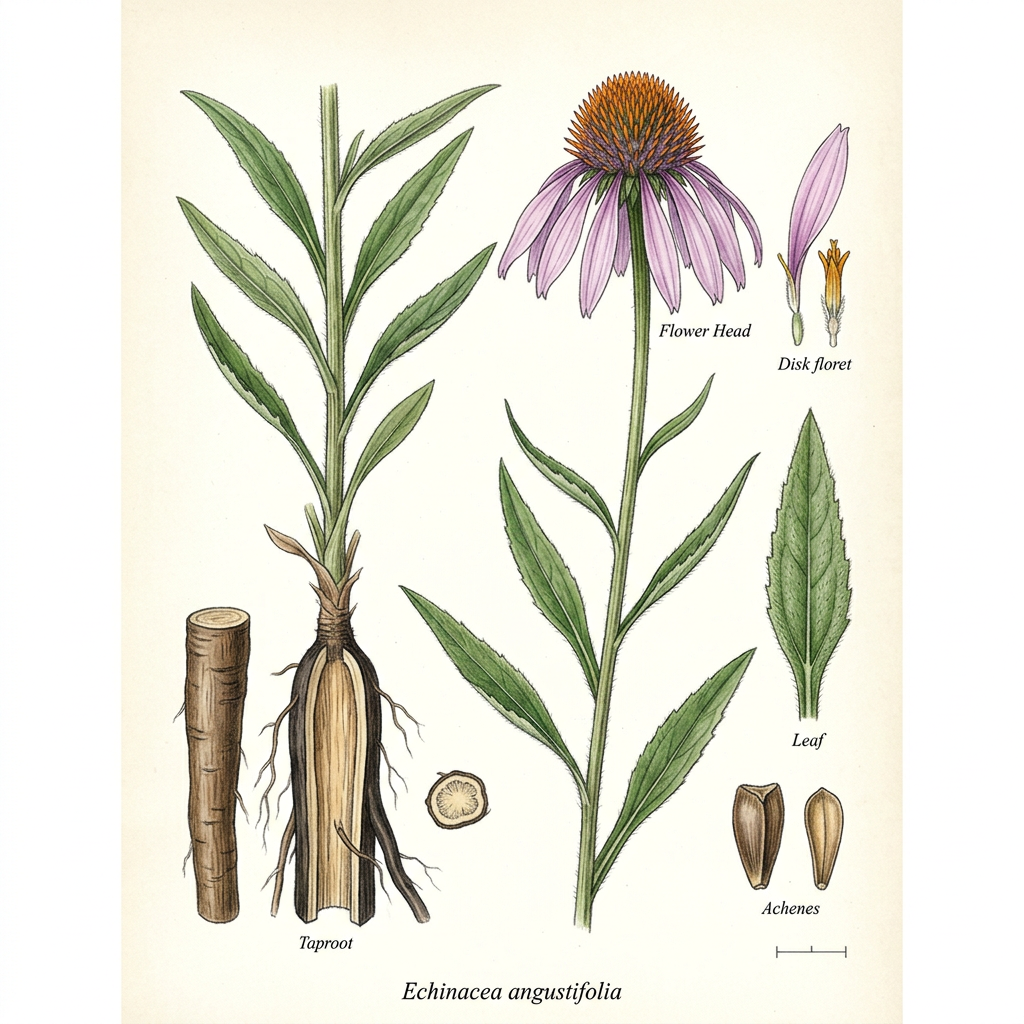
Echinacea angustifolia

Echinacea angustifolia
Echinacea angustifolia

Immune System Support
Mullein

Mullein

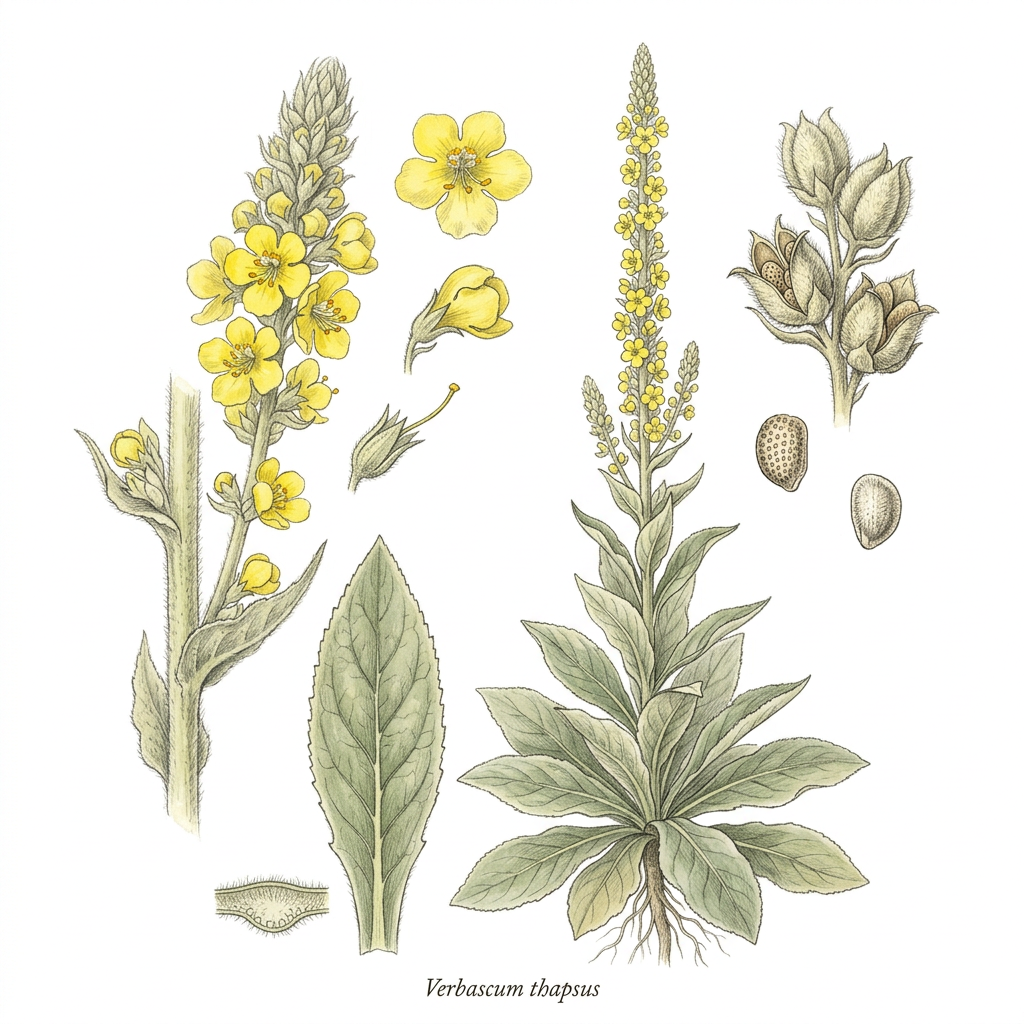
Verbascum thapsus

Mucus Clearance