The Wild Sage logo
The Wild Sage Logo

Herbal Medicine at your fingertips

Comprehensive database of herbal remedies with detailed safety information and traditional uses

New to herbal terms? Read the glossary →
ADHD
Abcess
Acid Reflux Relief
Acinetobacter
Acne
Acne Vulgaris
Addisons
Adenomyosis
Adenovirus
Adrenal fatigue
Aging
Aids
Alcaligenes faecalis
Alcoholism
Allergic Rhinitis
Allergies
Allergy
Alopoecia
Alopoecia nervosa
Alzheimer's, Dementia & Cognitive Decline
420 herbs found
Important: This information is for educational purposes only. Always consult with qualified healthcare professionals before using herbal remedies, especially if you have existing health conditions or take medications.
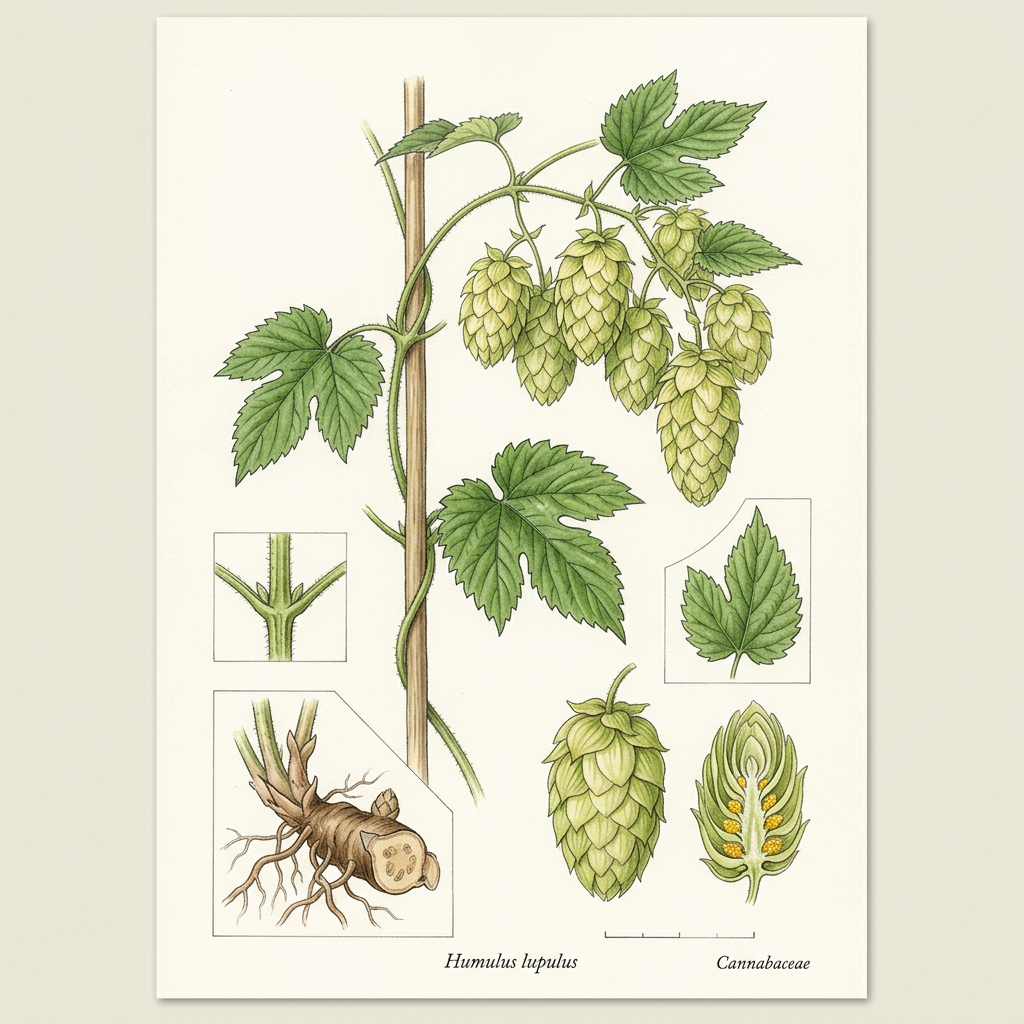
Hops

Hops

Humulus lupulus

moderate risk Risk
Cannabacea
cooling, bitter and moist.
<p>Hops, scientifically known as Humulus lupulus, is a perennial climbing vine belonging to the Cannabaceae family. Traditionally, hops have been prized not only for their pivotal role in brewing beer—where they impart bitterness and aroma—but also for their medicinal applications. Historically, hops have been utilized since ancient times, with references to their use in traditional herbal medicine dating back to the Middle Ages. They were commonly employed as a natural remedy for sleep disturbances and anxiety, often infused in teas or added to pillows to promote restful sleep. The use of hops in herbal medicine reflects a long-standing recognition of their calming properties, cherished by various cultures for their ability to soothe the mind and body. The therapeutic properties of hops are primarily attributed to their rich composition of phytochemicals, particularly bitter acids like humulone and lupulone, as well as aromatic compounds such as myrcene and humulene. These constituents contribute to hops’ renowned efficacy as a sedative and nervine, making it a valuable herbal ally in the management of insomnia, anxiety, and tension. Hops exhibit anti-anxiety properties by modulating neurotransmitter activity, particularly through interactions with gamma-aminobutyric acid (GABA) receptors in the brain. This action promotes relaxation and reduces feelings of stress and restlessness, making hops a natural choice for those seeking to enhance their sleep quality and mitigate anxiety levels. Additionally, the herb’s mild sedative effects can facilitate a smoother transition into sleep, leading to a deeper and more restorative rest. When consumed, whether in the form of teas, tinctures, or capsules, hops work synergistically within the body to calm the nervous system. Their sedative properties are complemented by the herb's ability to promote a healthy sleep cycle, thereby addressing both the physiological and mental components of insomnia and anxiety. Furthermore, hops' anti-inflammatory and antioxidant effects can support overall well-being, contributing to a holistic approach to stress management. With its rich history and well-documented therapeutic actions, hops remain a cherished herb in the realm of herbal medicine, appealing to those seeking natural solutions for common stress-related challenges.</p>

Uses & Conditions

Relaxation
Sleep Cycle Support
Stress Management
Tension Relief
Anxiety Disorders
Insomnia
Stress-Related Disorders
Hypochlorhydria
Endometriosis
Crohn’s Disease
Anorexia
Androgen Excess
Acne

Actions

Anxiolytic
Sedative
Anti-inflammatory
Antioxidant
NFkB Inhibitor
TNF-a Reducer

Synonyms

Hops

Parts Used

Flowers
Whole plant
Cones

Native Countries

Europe
Mediterranean
Northern Europe

USDA Hardiness Zones

USDA 3-7

Contraindications

  • Pregnancy and breastfeeding
  • Clinical depression
  • Oestrogen-sensitive conditions (e.g. breast cancer)
  • Pre-operative (discontinue at least two weeks before elective surgery)

Potential Side Effects

  • Drowsiness

Interactions

  • CNS depressants and sedatives
  • Alcohol
  • Hormonal medications (e.g. Oestrogen Replacement Therapy or oral contraceptives)
  • Antidepressants (SSRIs or MAOIs)

Dosages, tincture ratios & research — members only

Unlock Garreth's dosing guidance, tincture ratios, the dosage calculator and the research studies for Hops.

Your assessment and results stay saved — upgrading only unlocks more of them.

See membership plans

Community Photos

No community photos yet. Sign in to upload photos.

Reviews & Ratings

Sign in to leave a review.

No reviews yet. Be the first!

GF

Garreth Falls — B.Th., Dip. H.M., MNIMH

Content curated and reviewed by Garreth Falls, Consultant Medical Herbalist · The Wild Sage

Medical Disclaimer: This information is for educational purposes only and is not intended as medical advice. Always consult with qualified healthcare professionals before starting any herbal treatment.
Western tradition

Sustainability & quality

Cultivated

Mainly produced for the brewing industry, ensuring a stable and abundant supply for herbal use.

Key constituents

calming compounds, Anti-inflammatory, alpha acids, Xantholhumol, Penylflavonoids, Prenylnaringenin

References

  1. ESCOP Monographs 2nd ed. 2003
  2. EMA/HMPC Community Herbal Monograph
  3. British Herbal Pharmacopoeia 1983
  4. Herbal Reality. Herb monographs. herbalreality.com

Reviewed by Garreth, Medical Herbalist (MNIMH) · November 2026

Related conditions

Explore conditions where Hops is traditionally used.

Related Herbs
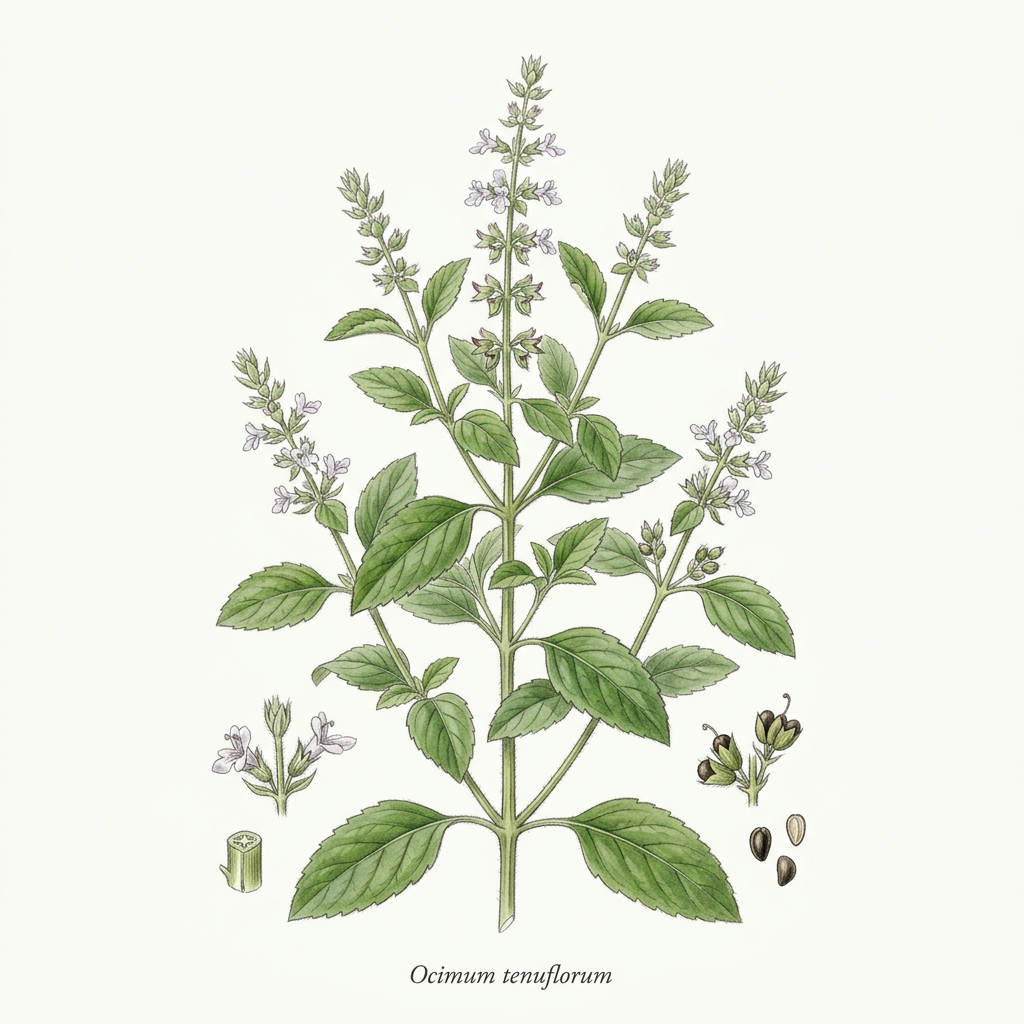
Tulsi

Tulsi

Ocimum tenuiflorum

Stress Management
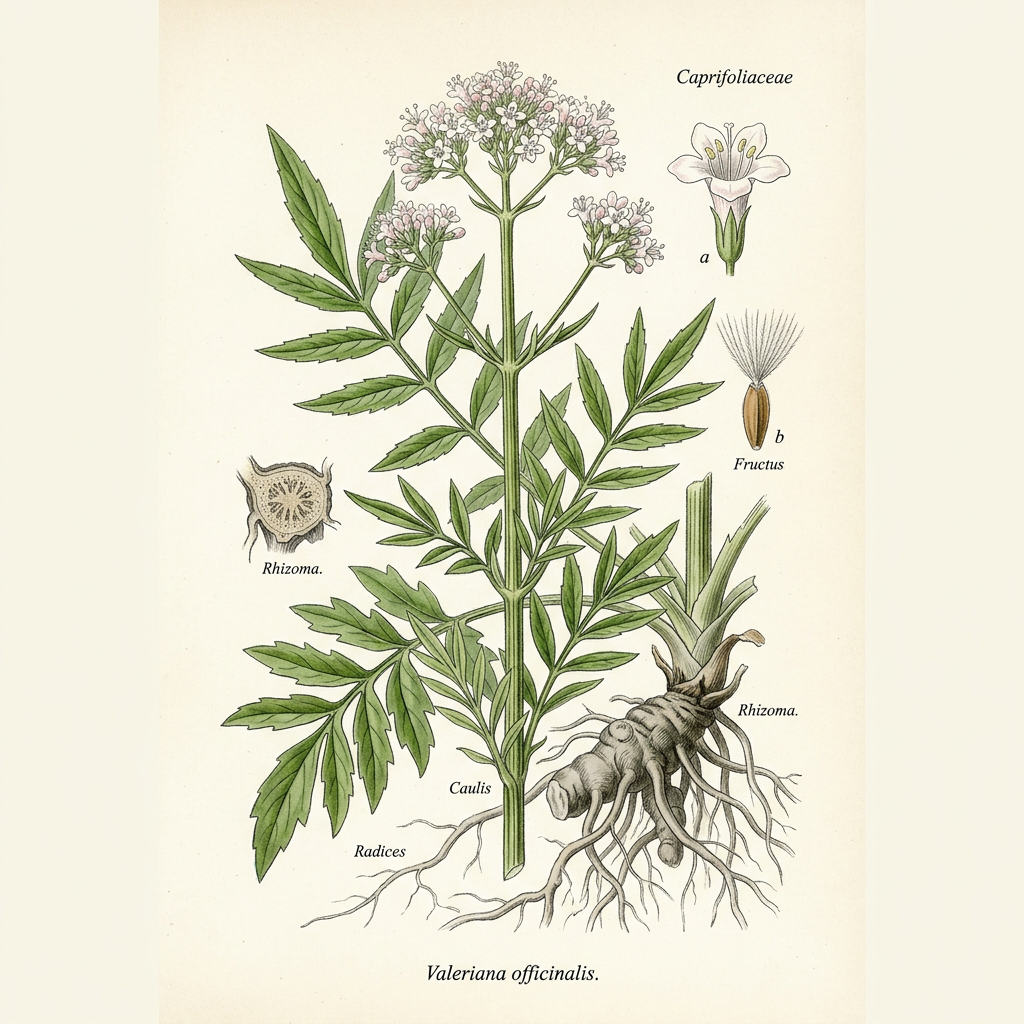
Valerian

Valerian

Valeriana officinalis

Sedation
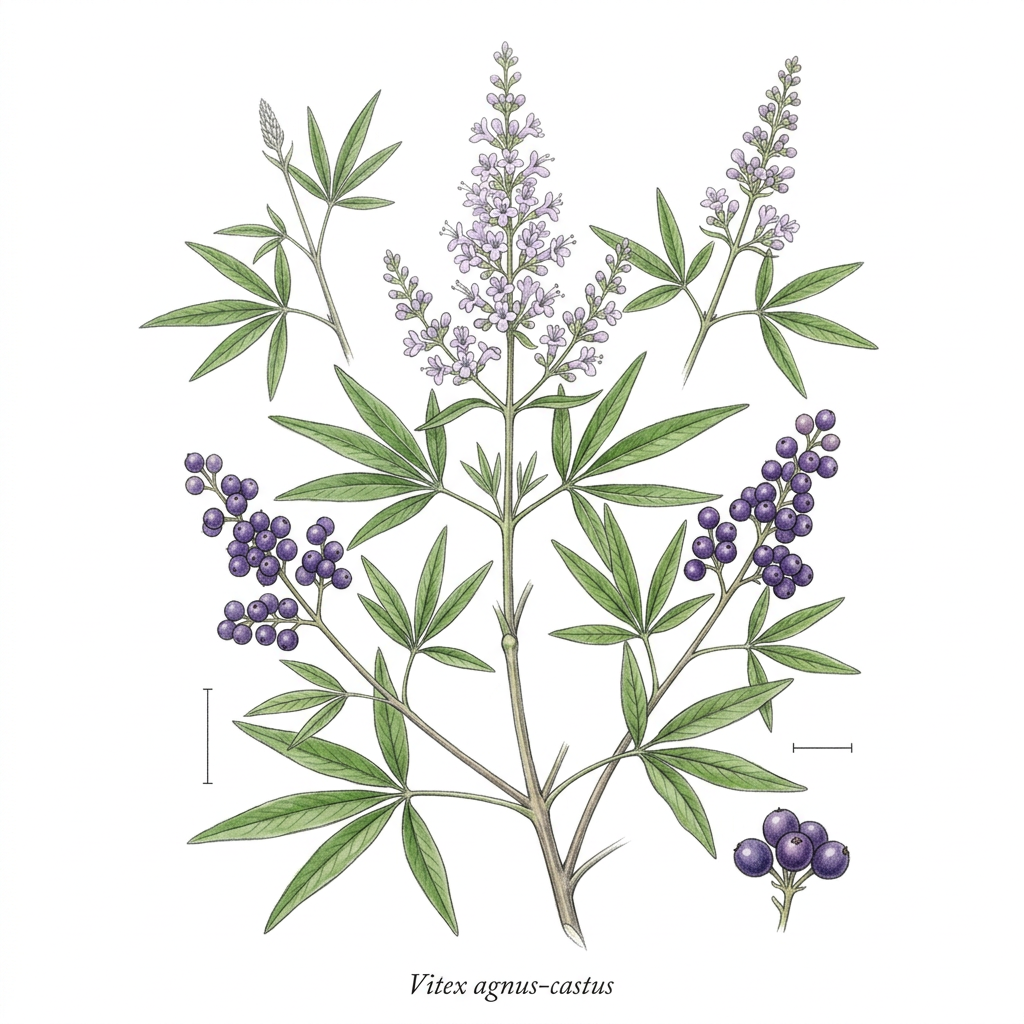
Chaste Tree

Chaste Tree

Vitex agnus-castus

Hormonal Balance
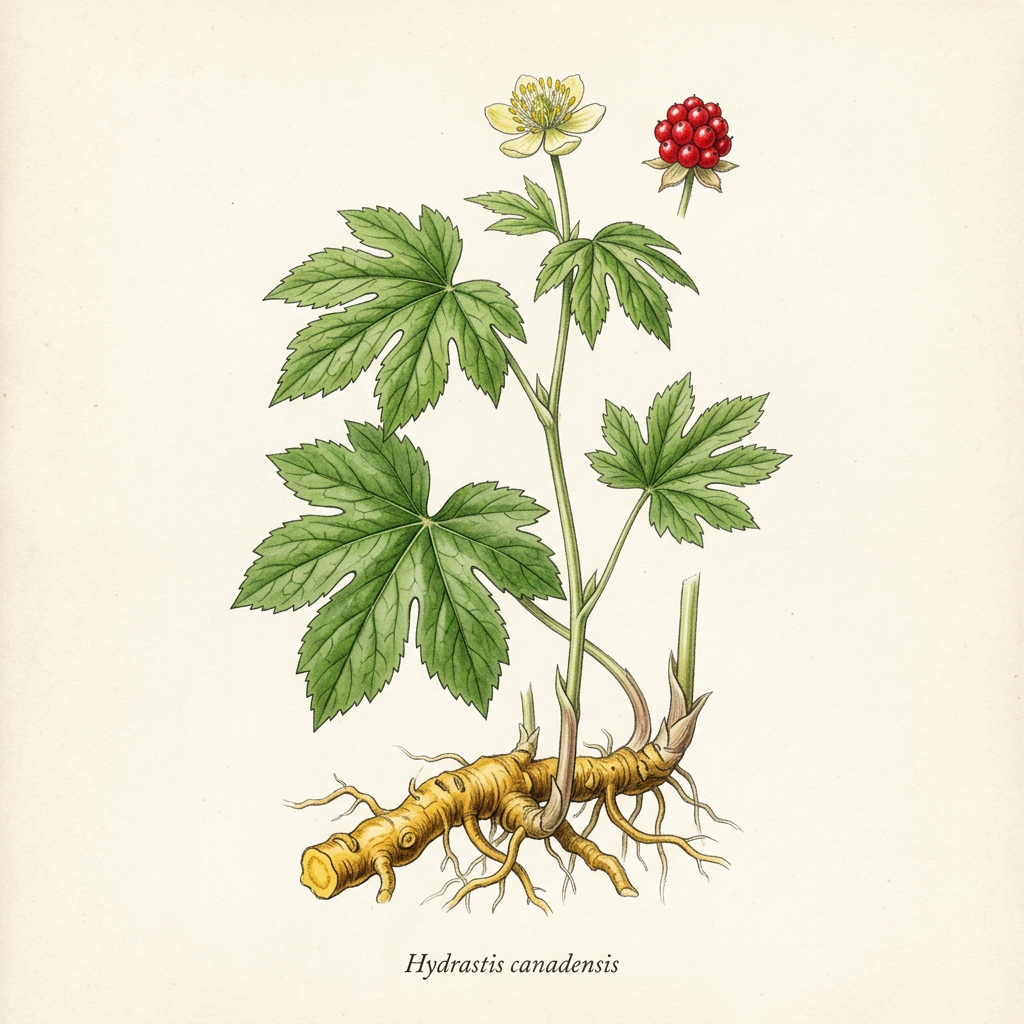
Goldenseal

Goldenseal

Hydrastis canadensis

Convalescence