The Wild Sage logo
The Wild Sage Logo

Herbal Medicine at your fingertips

Comprehensive database of herbal remedies with detailed safety information and traditional uses

New to herbal terms? Read the glossary →
ADHD
Abcess
Acid Reflux Relief
Acinetobacter
Acne
Acne Vulgaris
Addisons
Adenomyosis
Adenovirus
Adrenal fatigue
Aging
Aids
Alcaligenes faecalis
Alcoholism
Allergic Rhinitis
Allergies
Allergy
Alopoecia
Alopoecia nervosa
Alzheimer's, Dementia & Cognitive Decline
420 herbs found
Important: This information is for educational purposes only. Always consult with qualified healthcare professionals before using herbal remedies, especially if you have existing health conditions or take medications.
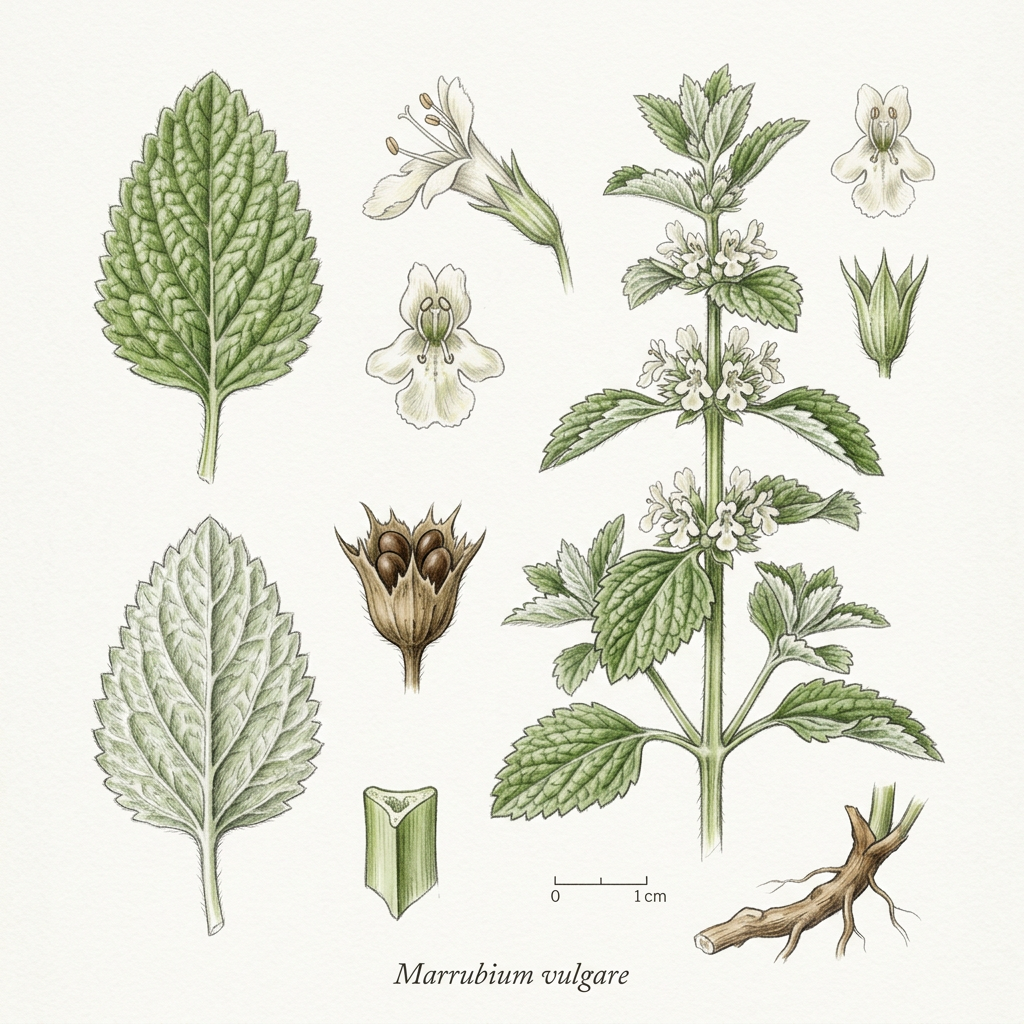
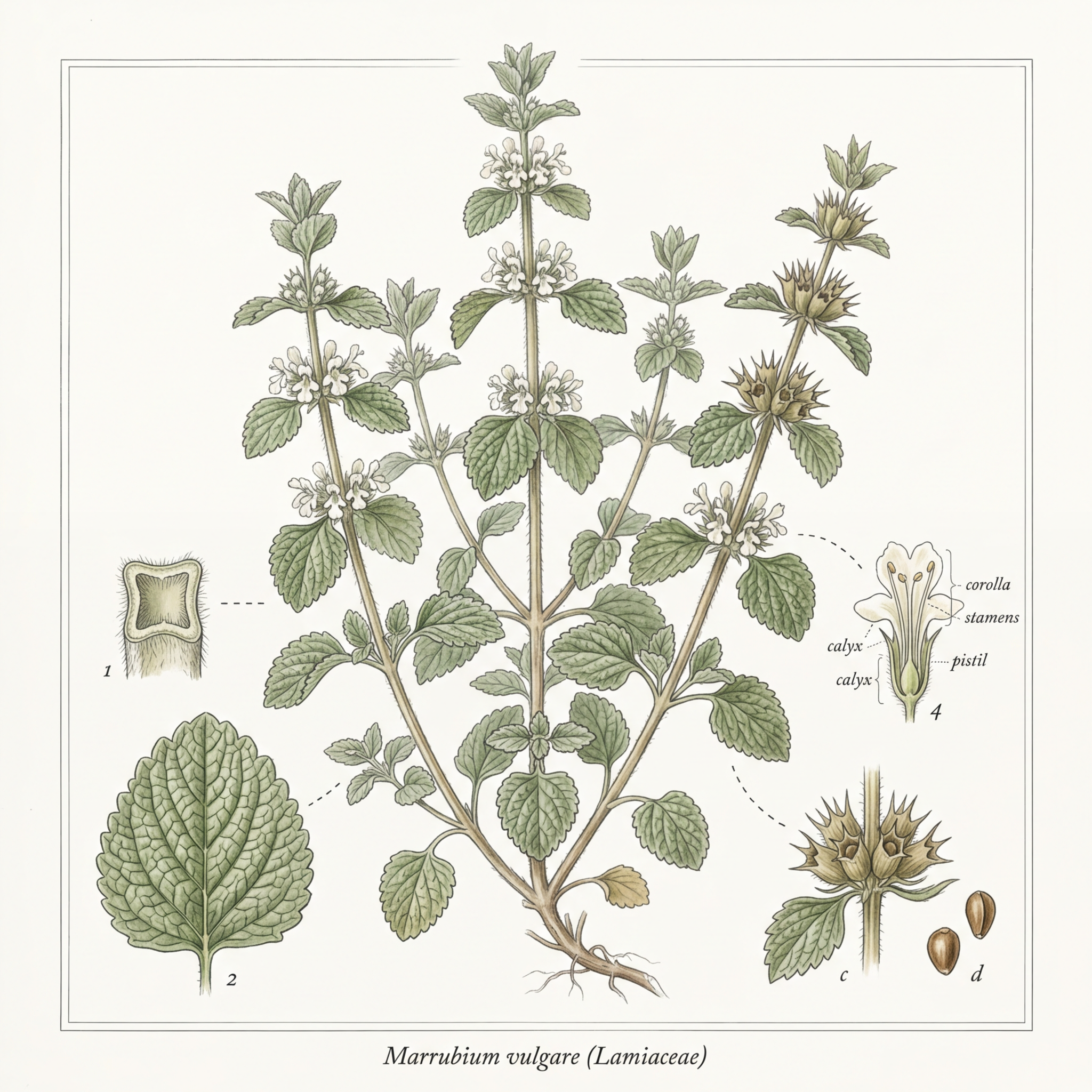
Horehound

Horehound

Marrubium vulgare

low risk Risk
Lamiaceae
bitter, warming and drying.
<p>This is a perennial herb belonging to the mint family (Lamiaceae) and has a long-standing history of medicinal use that dates back to ancient civilizations. Traditionally, horehound was valued for its expectorant properties, with references in both Greek and Roman herbal texts. It was prominently used in folk medicine across Europe and the Americas as a remedy for respiratory ailments, particularly coughs and bronchial inflammation. This herb's bitter taste also earned it a place in various herbal concoctions aimed at improving digestive health. The therapeutic benefits of horehound are well documented, particularly regarding its effectiveness in treating coughs and respiratory distress. Evidence supports its role as a potent anti-cough agent, with studies demonstrating significant reductions in cough frequency and severity when consumed as a tincture. Horehound's respiratory stimulant properties also contribute to improved respiratory function, making it beneficial for conditions such as asthma and bronchitis. Additionally, horehound exhibits moderate antimicrobial activity, suggesting its potential in inhibiting microbial growth, which can aid in the treatment of infections. Moreover, as a digestive aid, horehound tea is commonly employed to alleviate symptoms of dyspepsia, offering a holistic approach to gastrointestinal discomfort. The physiological actions of horehound can be attributed to its active constituents, which include marrubiin and various flavonoids that work synergistically to promote health. Horehound functions primarily by stimulating mucus secretion in the respiratory tract, thereby facilitating the expulsion of mucus and pathogens — a process that is vital during episodes of coughing and respiratory distress. The herb's bitter compounds may also enhance digestive secretions, promoting better enzyme activity and nutrient absorption in the gastrointestinal tract. Given these multifaceted actions, horehound stands out as a valuable herb in both traditional and modern herbal medicine, offering a natural alternative for addressing a range of ailments, particularly those related to the respiratory and digestive systems. However, as with any herbal remedy, it is advisable to consult with a healthcare provider, especially during pregnancy or when underlying health conditions exist.</p>

Uses & Conditions

Respiratory Support
Digestive Support
Cough
Upper Respiratory Tract Infection
Colds
Bronchitis
Asthma
Dyspepsia
Anorexia

Actions

Expectorant
Antimicrobial
Respiratory Stimulant
Bitter

Parts Used

Aerial parts

Native Countries

Mediterranean
Europe
North Africa
Western Asia

USDA Hardiness Zones

4
5
6
7
8

Contraindications

  • Pregnancy: avoid due to potential emmenagogue and uterine stimulant effects
  • Breastfeeding: avoid due to lack of safety data
  • Gastric or duodenal ulcers: potential to irritate sensitive mucosa
  • Gallstones or bile duct obstruction: use with caution as bitters may increase bile secretion
  • Surgery: discontinue at least two weeks prior to elective procedures

Potential Side Effects

  • Gastrointestinal upset including nausea or vomiting in large doses
  • Contact dermatitis from handling fresh plant
  • Excessive salivation
  • Increased gastric acid secretion

Interactions

  • Antidiabetic medications: may potentiate hypoglycaemic effects
  • Antihypertensive drugs: potential to potentiate blood pressure lowering effects
  • Cardiac glycosides: theoretical risk of altered absorption
  • Anticoagulants and antiplatelet agents: monitor for increased bleeding risk

Dosages, tincture ratios & research — members only

Unlock Garreth's dosing guidance, tincture ratios, the dosage calculator and the research studies for Horehound.

Your assessment and results stay saved — upgrading only unlocks more of them.

See membership plans

Community Photos

No community photos yet. Sign in to upload photos.

Reviews & Ratings

Sign in to leave a review.

No reviews yet. Be the first!

GF

Garreth Falls — B.Th., Dip. H.M., MNIMH

Content curated and reviewed by Garreth Falls, Consultant Medical Herbalist · The Wild Sage

Medical Disclaimer: This information is for educational purposes only and is not intended as medical advice. Always consult with qualified healthcare professionals before starting any herbal treatment.
Western tradition

Sustainability & quality

Abundant

Often found in the wild. If wild-harvesting, ensure accurate botanical identification to avoid misidentified mints.

Key constituents

Marrubiin (diterpene lactone), Flavonoids (including apigenin and luteolin), Phenolic acids, Tannins, Volatile oil (traces), Mucilage

References

  1. ESCOP Monographs 2nd ed. 2003
  2. British Herbal Pharmacopoeia 1983
  3. Herbal Reality. Herb monographs. herbalreality.com

Reviewed by Garreth, Medical Herbalist (MNIMH) · November 2026

Related conditions

Explore conditions where Horehound is traditionally used.

Related Herbs
White Horehound

White Horehound

Marrubium vulgare

Digestive aid
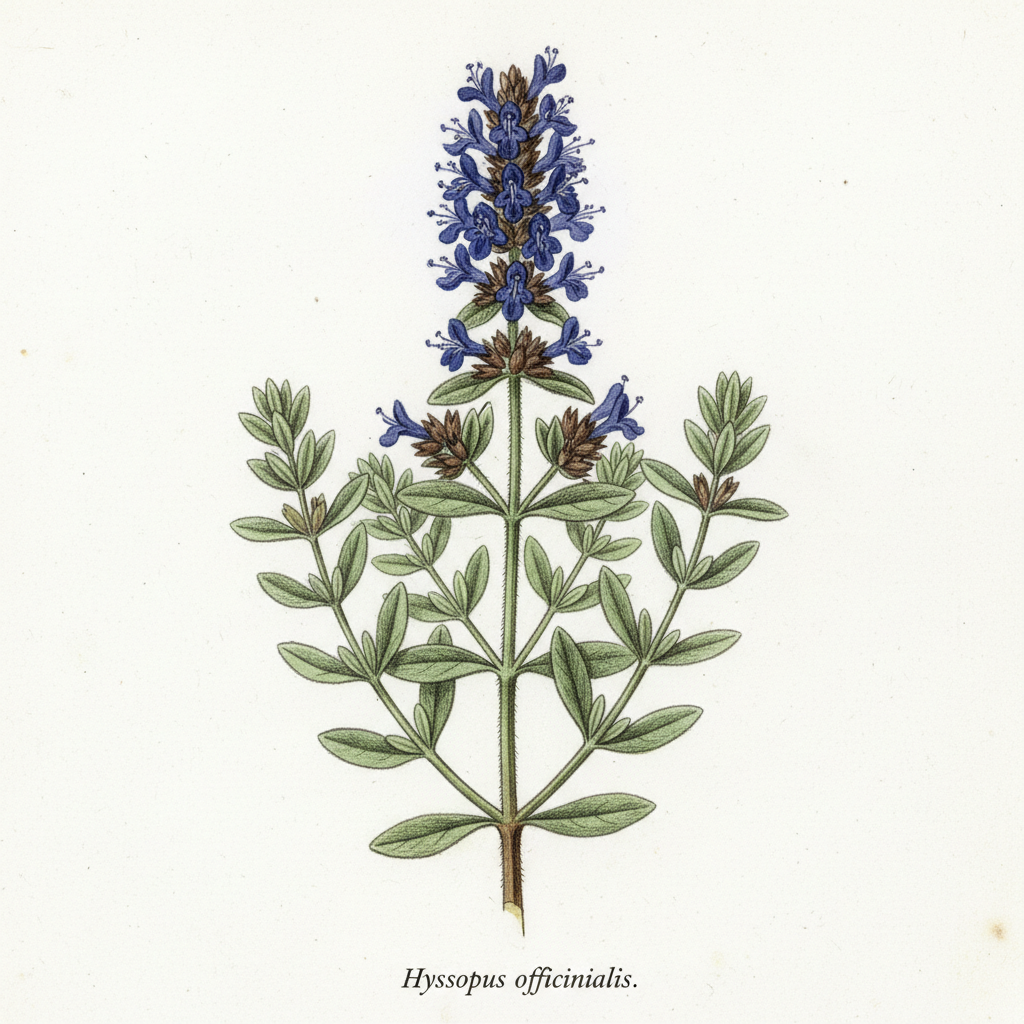
Hyssop

Hyssop

Hyssopus officinalis

Respiratory Support
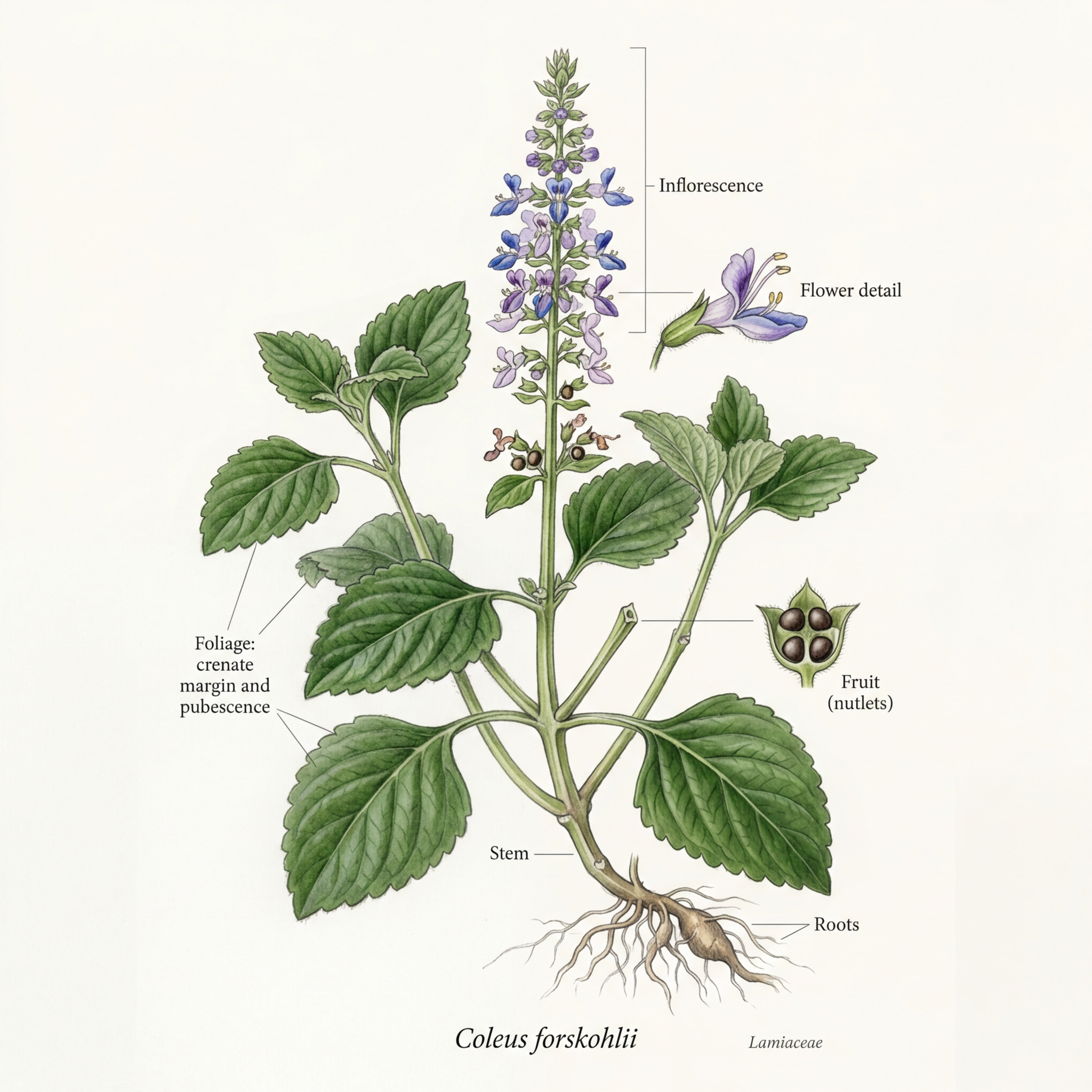
Coleus

Coleus

Coleus forskohlii

Weight Management
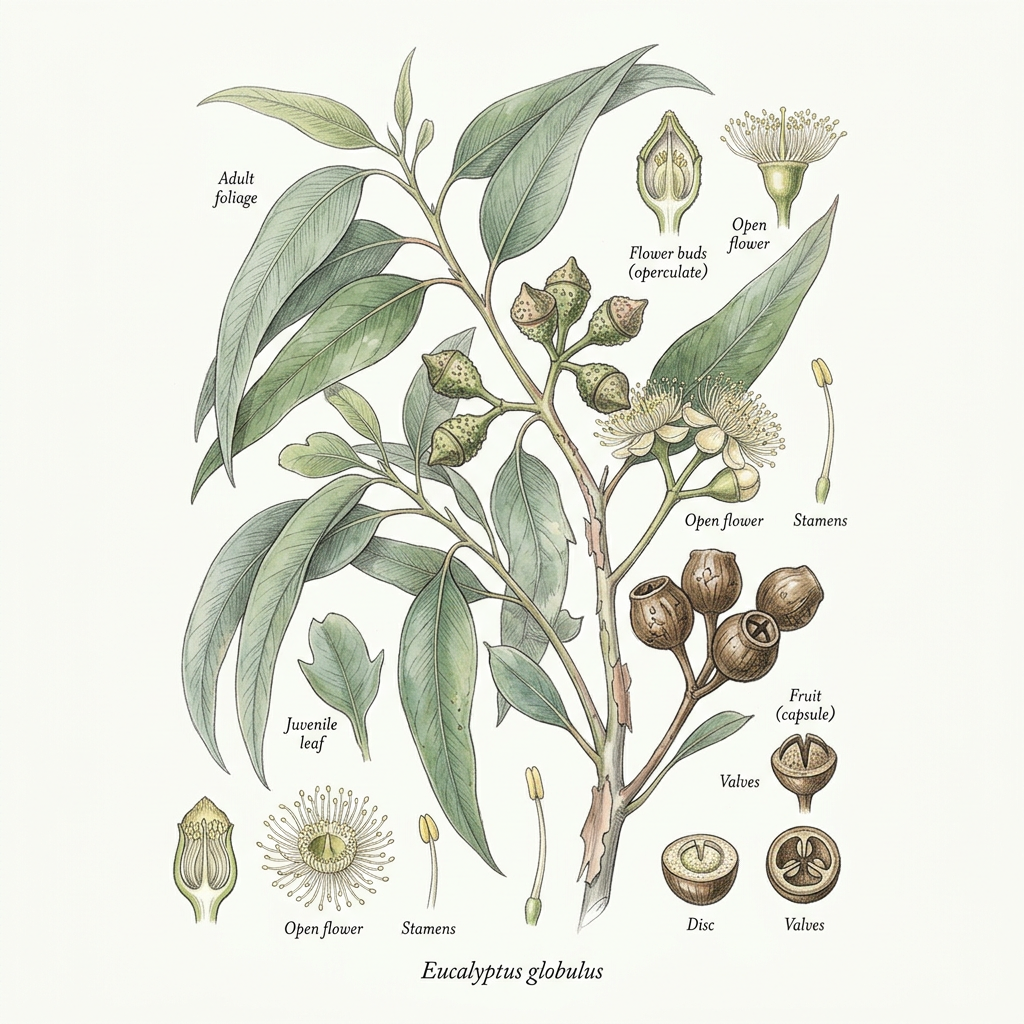
Eucalyptus

Eucalyptus

Eucalyptus globulus

Respiratory Support