The Wild Sage logo
The Wild Sage Logo

Herbal Medicine at your fingertips

Comprehensive database of herbal remedies with detailed safety information and traditional uses

New to herbal terms? Read the glossary →
ADHD
Abcess
Acid Reflux Relief
Acinetobacter
Acne
Acne Vulgaris
Addisons
Adenomyosis
Adenovirus
Adrenal fatigue
Aging
Aids
Alcaligenes faecalis
Alcoholism
Allergic Rhinitis
Allergies
Allergy
Alopoecia
Alopoecia nervosa
Alzheimer's, Dementia & Cognitive Decline
420 herbs found
Important: This information is for educational purposes only. Always consult with qualified healthcare professionals before using herbal remedies, especially if you have existing health conditions or take medications.
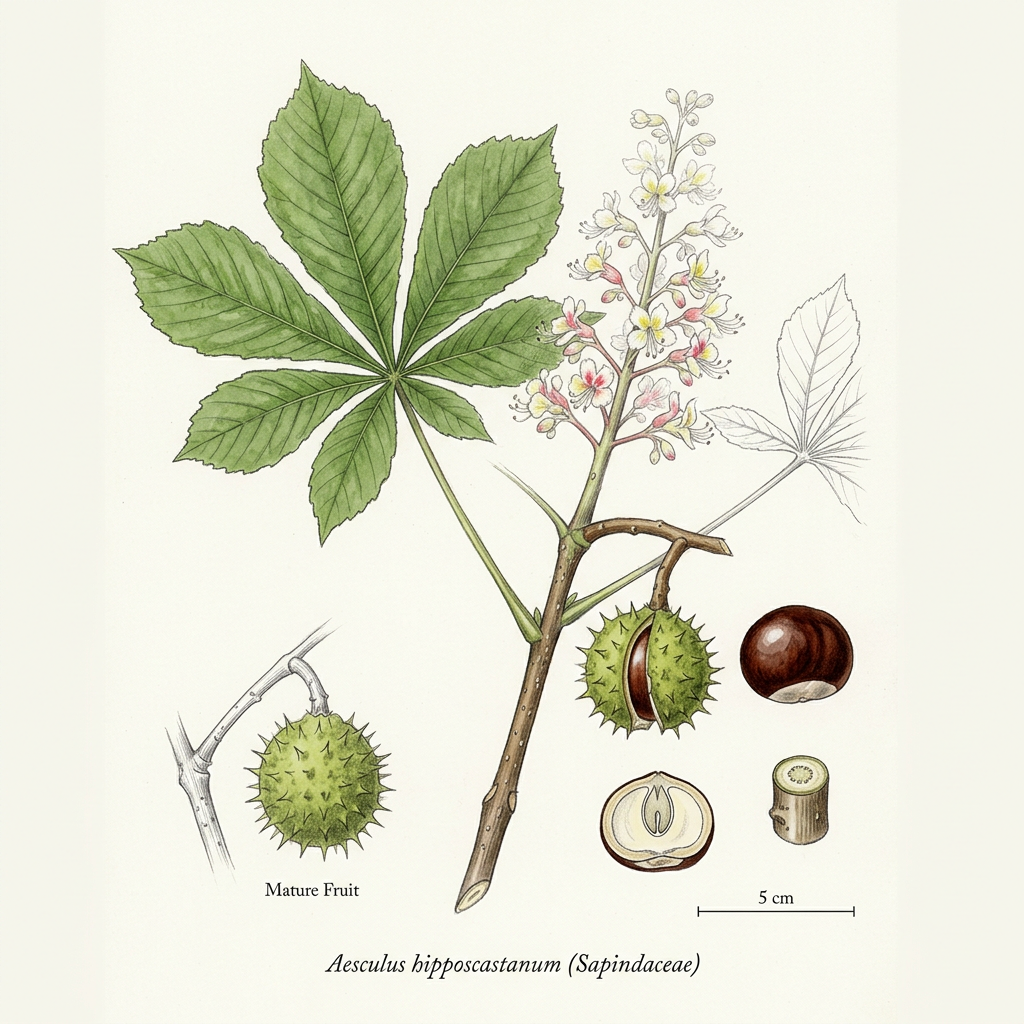
Horse Chestnut

Horse Chestnut

Aesculus hipposcastanum

moderate risk Risk
Sapindacae
bitter, astringent, drying
<p>Horse Chestnut, scientifically known as *Aesculus hippocastanum*, is a deciduous tree native to the Balkans but widely cultivated in temperate regions around the world. Revered for its striking flowers and glossy seeds, this tree has been a staple in traditional herbal medicine for centuries. Historically, its seeds were used in folk remedies to treat a variety of ailments, particularly those associated with venous insufficiency and circulatory problems. Traditional herbalists recognized Horse Chestnut's potential in addressing varicose veins and chronic venous insufficiency, referring to it as a vital remedy for enhancing blood flow and alleviating symptoms of stagnation. This remarkable herb exhibits a plethora of therapeutic properties, making it a sought-after ingredient in contemporary herbal formulations. Horse Chestnut is renowned for its astringent and anti-inflammatory effects, which can help in reducing swelling and discomfort associated with varicose veins. Its active compound, aescin, contributes to its cardio-protective and vasoprotective actions, supporting and tonifying the vascular system while bolstering the health of capillaries. Additionally, Horse Chestnut is recognized for its diuretic properties, which aid in flushing excess fluids from the body, thus providing relief from edema. Its multifaceted roles as a blood tonic and circulatory stimulant amplify its benefits for overall cardiovascular health, while its actions as a hepatic and gallbladder tonic enhance digestive function and promote the body's natural detoxification processes. The efficacy of Horse Chestnut lies in its ability to modulate circulatory health through several mechanisms. Aescin enhances vascular tone and reduces capillary permeability, thereby minimizing edema and improving blood flow in areas affected by poor circulation. By acting as an anti-inflammatory agent, it helps alleviate discomfort and inflammation within blood vessels, promoting vascular integrity. Furthermore, Horse Chestnut exhibits anti-hyperlipidaemic effects, aiding in the maintenance of healthy lipid levels in the blood, which is essential for cardiovascular well-being. Its combination of actions not only addresses specific venous health concerns but also contributes holistically to the restoration of bodily equilibrium, making Horse Chestnut a valuable ally in both traditional and modern herbal medicine.</p>

Uses & Conditions

Blood Tonic
Circulation Improvement
Bells’ Palsy
Bruising
Cachexia
Candida
Capillary Fragility
Carpal Tunnel Syndrome
Chemotherapy Support
Chronic Venous Insufficiency
Cramps
Cystitis
Deep Vein Thrombosis
Disc Prolapse
Dysmenorrhoea
Gastrointestinal Upset
Haemorrhoids
Hypotension
IBS
Lymphoedema
Meniere’s Disease
Neuralgia
Night Cramps
Oedema
Osteoarthritis
Phlebitis
Pimples
Portal Hypertension
Prostatitis
RSI
Spider Veins
Sprains
Thrush
Trigeminal Neuralgia
Ulcers
Varicose Veins

Actions

Anti-diabetic
Anti-diarrhoeal
Anti-hyperlipidaemic
Anti-inflammatory
Anti-nociceptive
Anxiolytic
Astringent
Bitter
Cardio-protective
Cholagogue
Choleretic
Digestive Stimulant
Diuretic
Gall Bladder Tonic
Hepatic
Hepatoprotective
NFkB Inhibitor
Stimulant
TNF-a Reduction
Tonic
Urinary Anti-inflammatory
Vasoprotective
Vulnerary

Synonyms

Horse chestnut

Parts Used

Seeds

Native Countries

Europe

USDA Hardiness Zones

USDA 4-8
USDA 5-9
USDA 6-11

Contraindications

  • Do not apply to broken skin
  • Do not apply to ulcerated skin

Dosages, tincture ratios & research — members only

Unlock Garreth's dosing guidance, tincture ratios, the dosage calculator and the research studies for Horse Chestnut.

Your assessment and results stay saved — upgrading only unlocks more of them.

See membership plans

Community Photos

No community photos yet. Sign in to upload photos.

Reviews & Ratings

Sign in to leave a review.

No reviews yet. Be the first!

GF

Garreth Falls — B.Th., Dip. H.M., MNIMH

Content curated and reviewed by Garreth Falls, Consultant Medical Herbalist · The Wild Sage

Medical Disclaimer: This information is for educational purposes only and is not intended as medical advice. Always consult with qualified healthcare professionals before starting any herbal treatment.
Western tradition

Sustainability & quality

Abundant

Common ornamental and street tree; ensure seed/bark collections are done respectfully from public spaces.

Key constituents

Aesclepus active compounds, Anti-inflammatory, Saponins, Triterpenes

References

  1. ESCOP Monographs 2nd ed. 2003
  2. EMA/HMPC Community Herbal Monograph

Reviewed by Garreth, Medical Herbalist (MNIMH) · November 2026

Related conditions

Explore conditions where Horse Chestnut is traditionally used.

Related Herbs
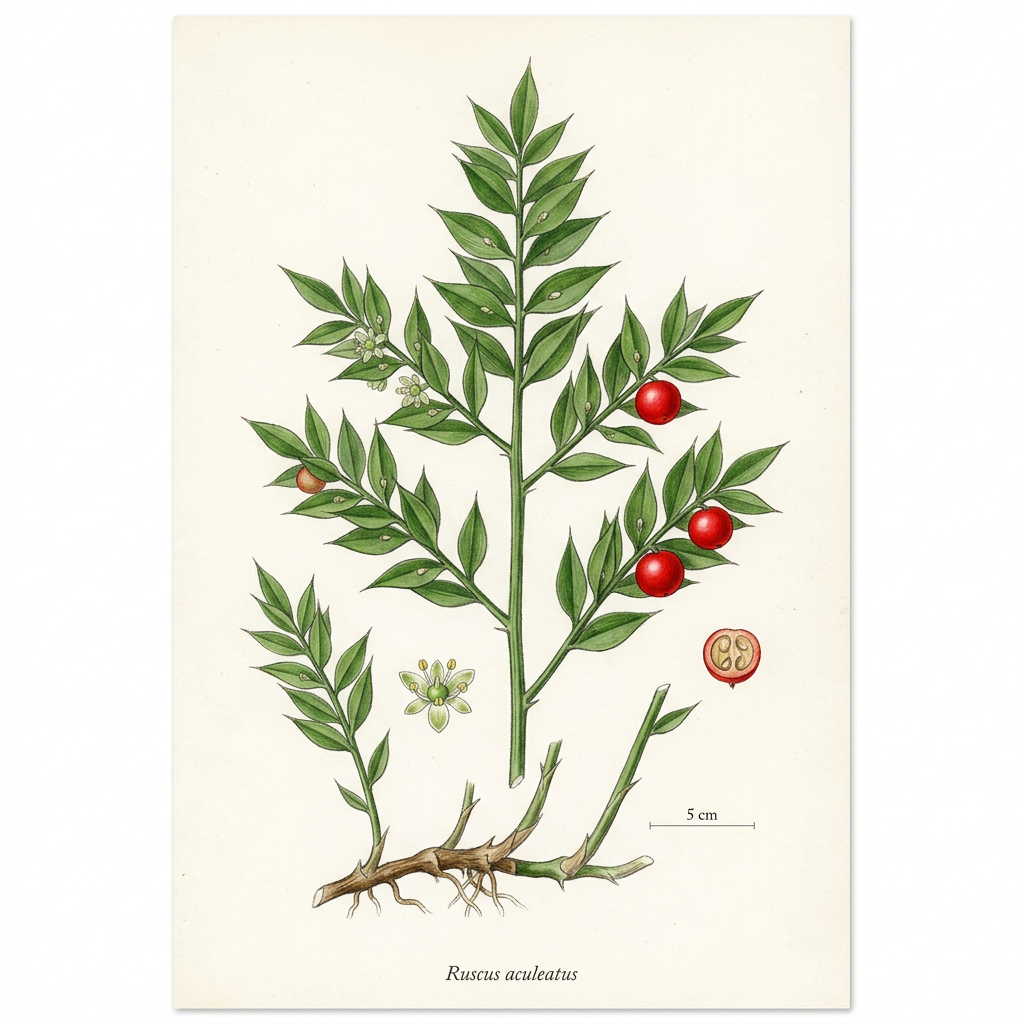
Butcher's Broom

Butcher's Broom

Ruscus aculeatus

Vascular Health
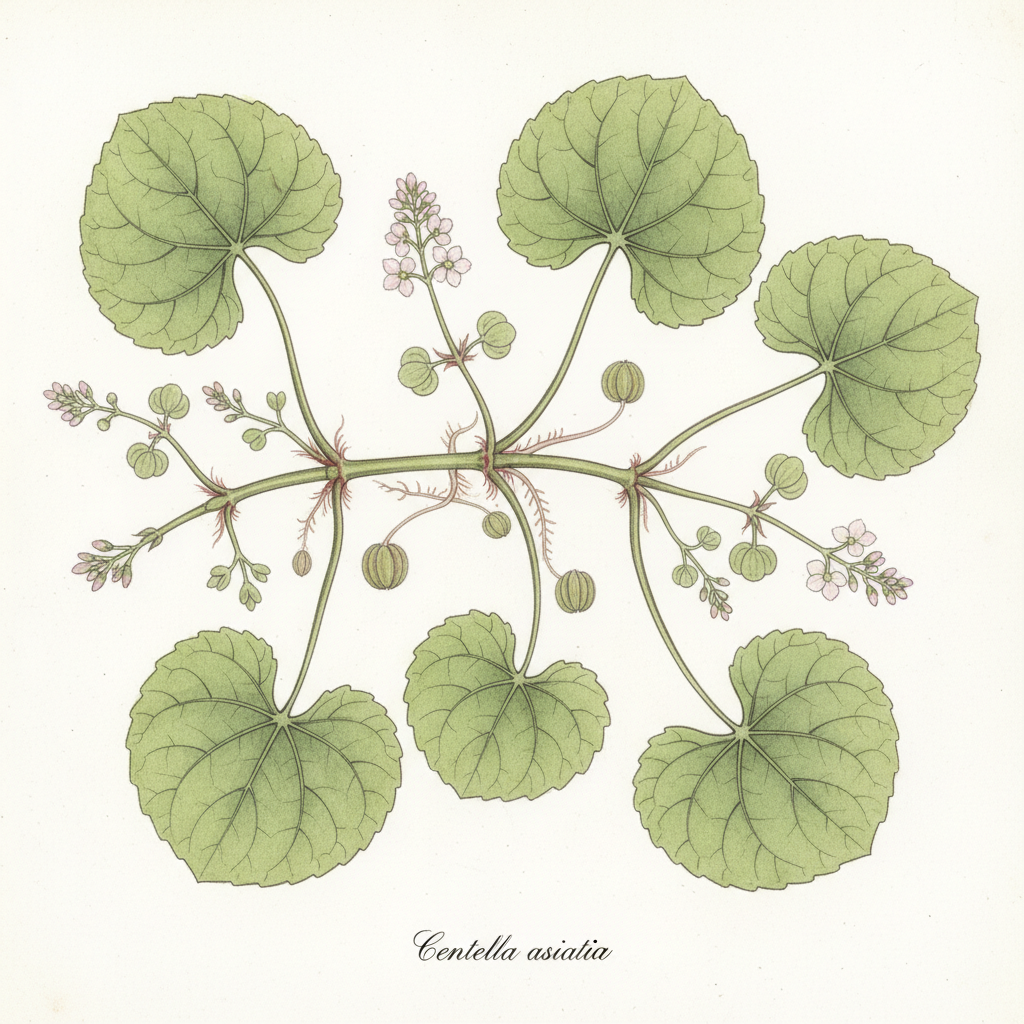
Gotu Kola

Gotu Kola

Centella asiatica

Cognitive Support
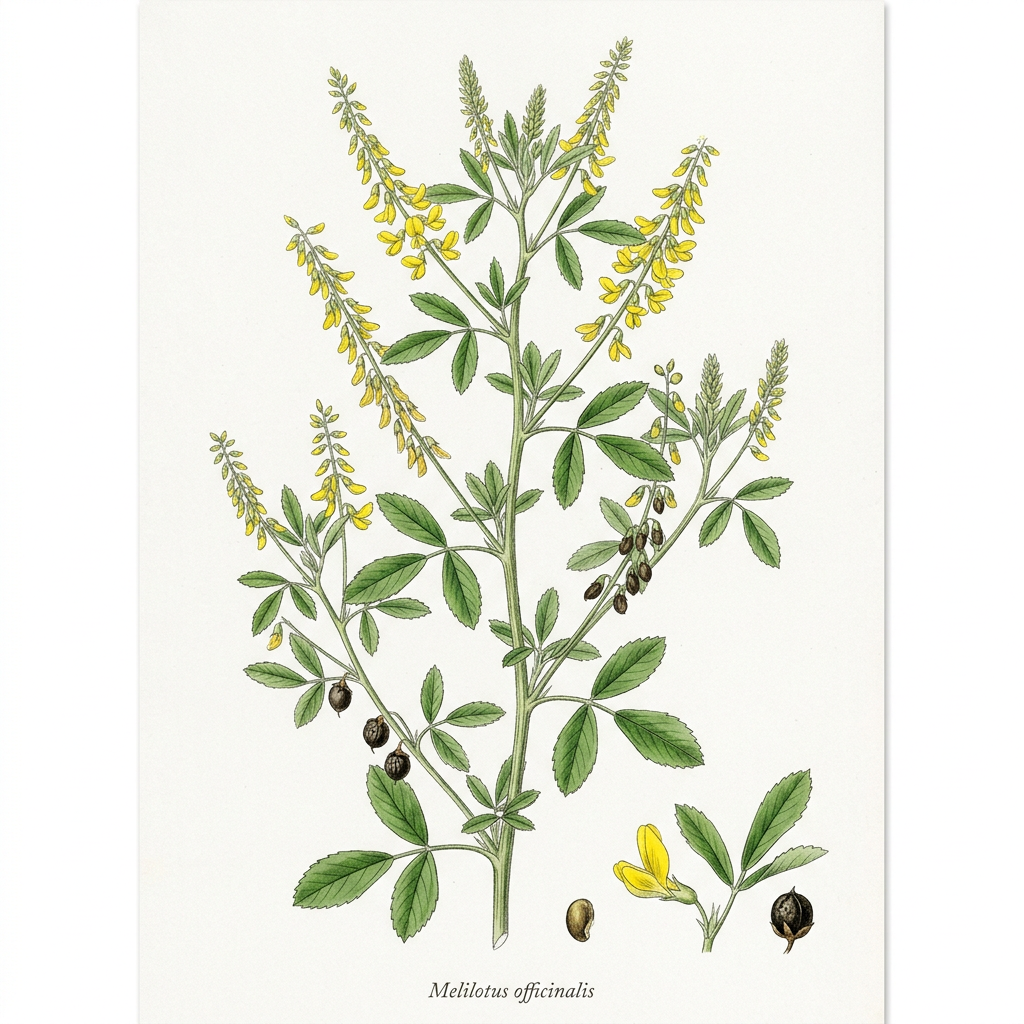
Melilot

Melilot

Melilotus officinalis

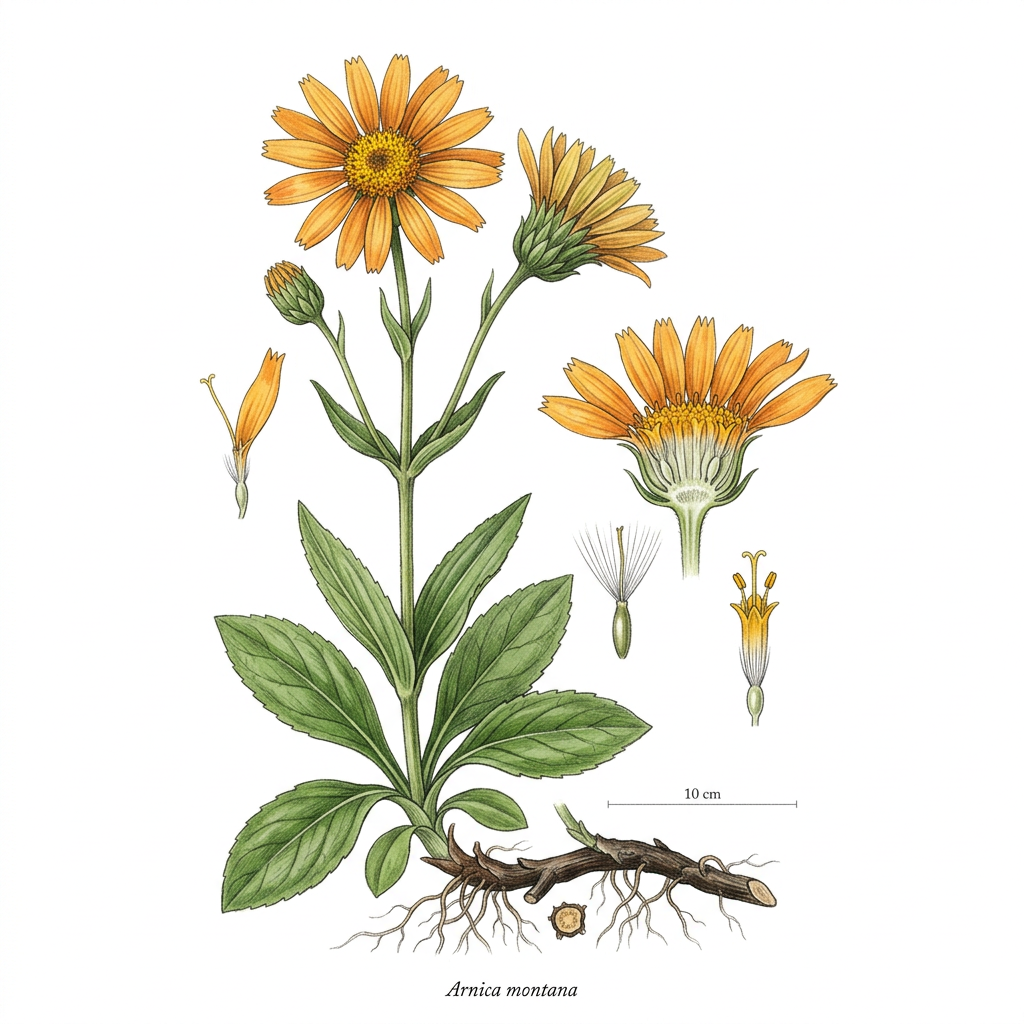
Arnica

Arnica

Arnica montana

Tissue Repair