The Wild Sage logo
The Wild Sage Logo

Herbal Medicine at your fingertips

Comprehensive database of herbal remedies with detailed safety information and traditional uses

New to herbal terms? Read the glossary →
ADHD
Abcess
Acid Reflux Relief
Acinetobacter
Acne
Acne Vulgaris
Addisons
Adenomyosis
Adenovirus
Adrenal fatigue
Aging
Aids
Alcaligenes faecalis
Alcoholism
Allergic Rhinitis
Allergies
Allergy
Alopoecia
Alopoecia nervosa
Alzheimer's, Dementia & Cognitive Decline
420 herbs found
Important: This information is for educational purposes only. Always consult with qualified healthcare professionals before using herbal remedies, especially if you have existing health conditions or take medications.
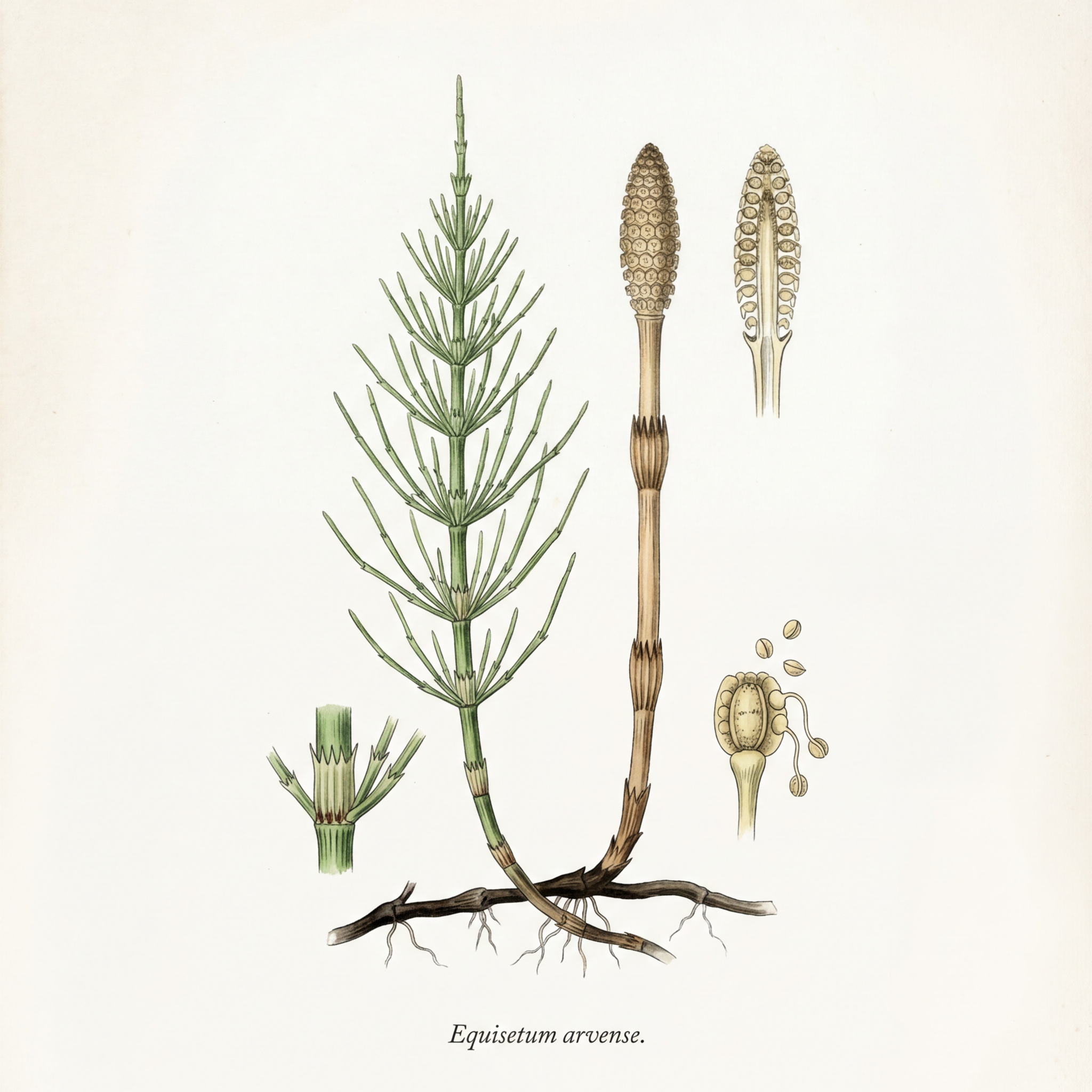
Horsetail

Horsetail

Equisetum arvense

low risk Risk
Equisetaceae
cool, dry, bitter, astringent
<p>Horsetail (Equisetum arvense) a perennial plant belonging to the Equisetaceae family, is one of the oldest living species on Earth, with a lineage dating back over 300 million years. Known for its distinctive jointed stems and brush-like appearance, horsetail has been utilized in traditional herbal medicine for centuries. Ancient Greeks and Romans recognized its utility for wound healing, while indigenous cultures employed it for various ailments, including inflammatory conditions and urinary disorders. This resilient herb was also historically valued for its ability to promote tissue repair and strengthen bones due to its high silica content, a property that still underpins many of its modern applications. The therapeutic properties of horsetail are extensive, making it a valuable addition to both herbal formulations and wellness routines. Rich in silica, horsetail supports bone health by enhancing the bioavailability of calcium, a critical element for maintaining bone density and strength. Additionally, its diuretic action promotes urinary tract health by facilitating the elimination of excess fluids and toxins, which can help prevent urinary infections and support kidney function. Beyond these benefits, horsetail is also esteemed for its ability to enhance the health and appearance of hair and nails. The herb's antioxidant properties help combat oxidative stress, potentially reducing the signs of aging and promoting overall skin vitality. Horsetail's diverse impacts are attributed to its unique phytochemical composition, which includes flavonoids, saponins, and the essential minerals that facilitate collagen synthesis and tissue regeneration. When ingested, the silica in horsetail plays a pivotal role in connective tissue formation and cellular health by reinforcing cell membranes and supporting skin elasticity. Moreover, its digestive aid properties can enhance nutrient absorption, particularly of essential minerals like calcium and magnesium, further promoting systemic health. Thus, horsetail serves not only as a potent herbal remedy for specific ailments but also as a holistic ally in the maintenance of overall well-being.</p>

Uses & Conditions

Connective tissue support
Silica supplementation
Mineral absorption support
Osteoarthritis
Dyspepsia
Chronic kidney disease
Hair loss
Connective tissue disorders
Skin health
Bed wetting
Bleeding
Brittle nails
COPD
Dysuria
Joint function impairment
Tooth weakness
Pyuria
Epistaxis
Enuresis
Ehlers-Danlos syndrome
Wound healing
Pyelonephritis
Osteoporosis
Interstitial cystitis
Heavy metal toxicity
Haematuria
Emphysema

Actions

Antioxidant
Digestive aid
Diuretic
Connective tissue restorative
Hair restorative

Synonyms

Horsetail
Field horsetail
Common horsetail
Pewterwort
Bottlebrush
Shavegrass
Nature's hoover

Parts Used

Aerial parts
Whole plant
Stems

Native Countries

Asia
Europe
Northern Europe

USDA Hardiness Zones

USDA 3-10
USDA 3-9
USDA 4-8

Contraindications

  • Pregnancy and breastfeeding
  • Oedema associated with impaired heart or kidney function
  • History of thiamine deficiency
  • Known allergy to plants in the Equisetaceae family

Potential Side Effects

  • Gastrointestinal upset
  • Mild nausea
  • Electrolyte disturbances
  • Skin irritation

Interactions

  • Diuretic medications
  • Lithium
  • Potassium-depleting drugs
  • Antidiabetic medications

Dosages, tincture ratios & research — members only

Unlock Garreth's dosing guidance, tincture ratios, the dosage calculator and the research studies for Horsetail.

Your assessment and results stay saved — upgrading only unlocks more of them.

See membership plans

Community Photos

No community photos yet. Sign in to upload photos.

Reviews & Ratings

Sign in to leave a review.

No reviews yet. Be the first!

GF

Garreth Falls — B.Th., Dip. H.M., MNIMH

Content curated and reviewed by Garreth Falls, Consultant Medical Herbalist · The Wild Sage

Medical Disclaimer: This information is for educational purposes only and is not intended as medical advice. Always consult with qualified healthcare professionals before starting any herbal treatment.
Western tradition

Sustainability & quality

Abundant

A common weed in damp soils. Ensure harvested material is free from Equisetum palustre, a toxic relative often found in mixed stands.

Key constituents

Antioxidant, Digestive enzymes, Aconitic acid, Alkaloids, Bitter, flavonoids, Minerals, Saponins, Silica, Sterols, Thiaminase, Isoquercetin, Eucalyptin, Rutin

References

  1. ESCOP Monographs 2nd ed. 2003
  2. British Herbal Pharmacopoeia 1983
  3. Herbal Reality. Herb monographs. herbalreality.com

Reviewed by Garreth, Medical Herbalist (MNIMH) · November 2026

Related conditions

Explore conditions where Horsetail is traditionally used.

Related Herbs
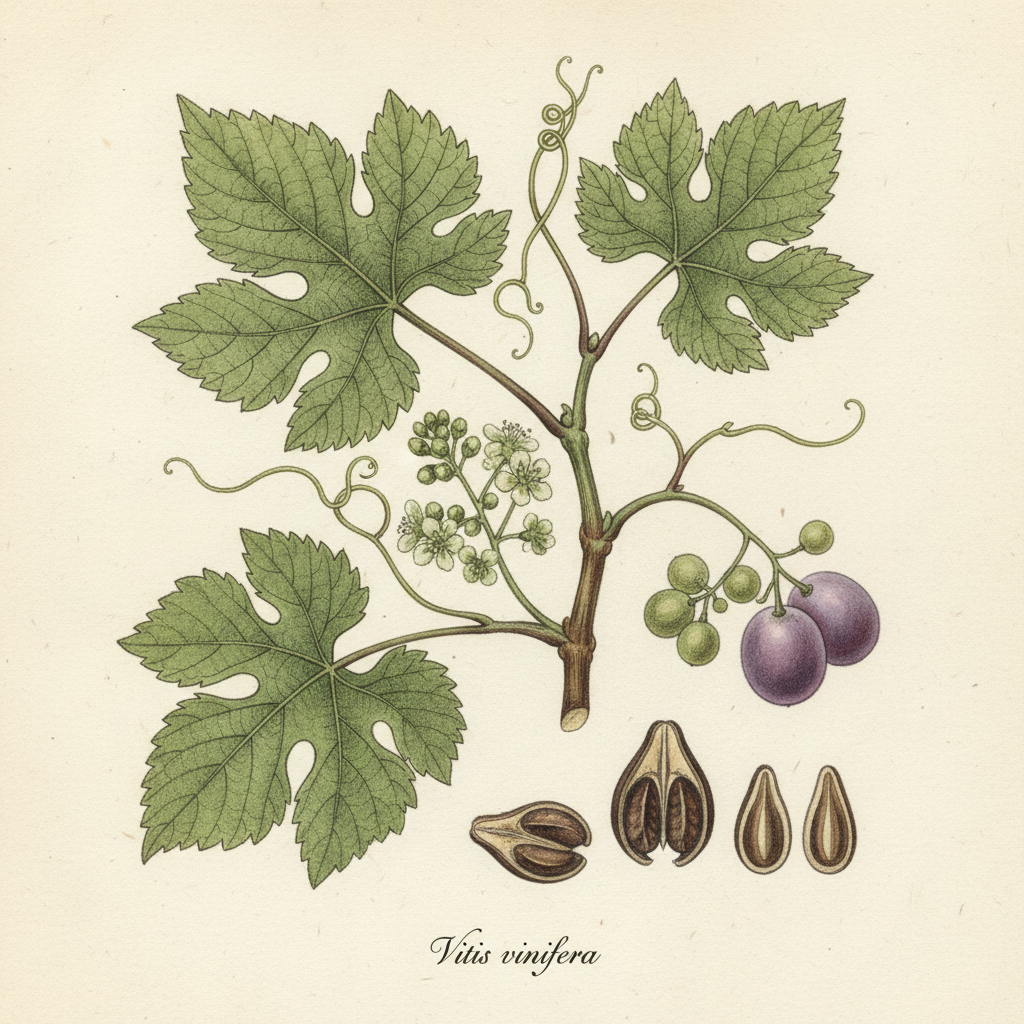
Grape Seed

Grape Seed

Vitis vinifera

Circulation
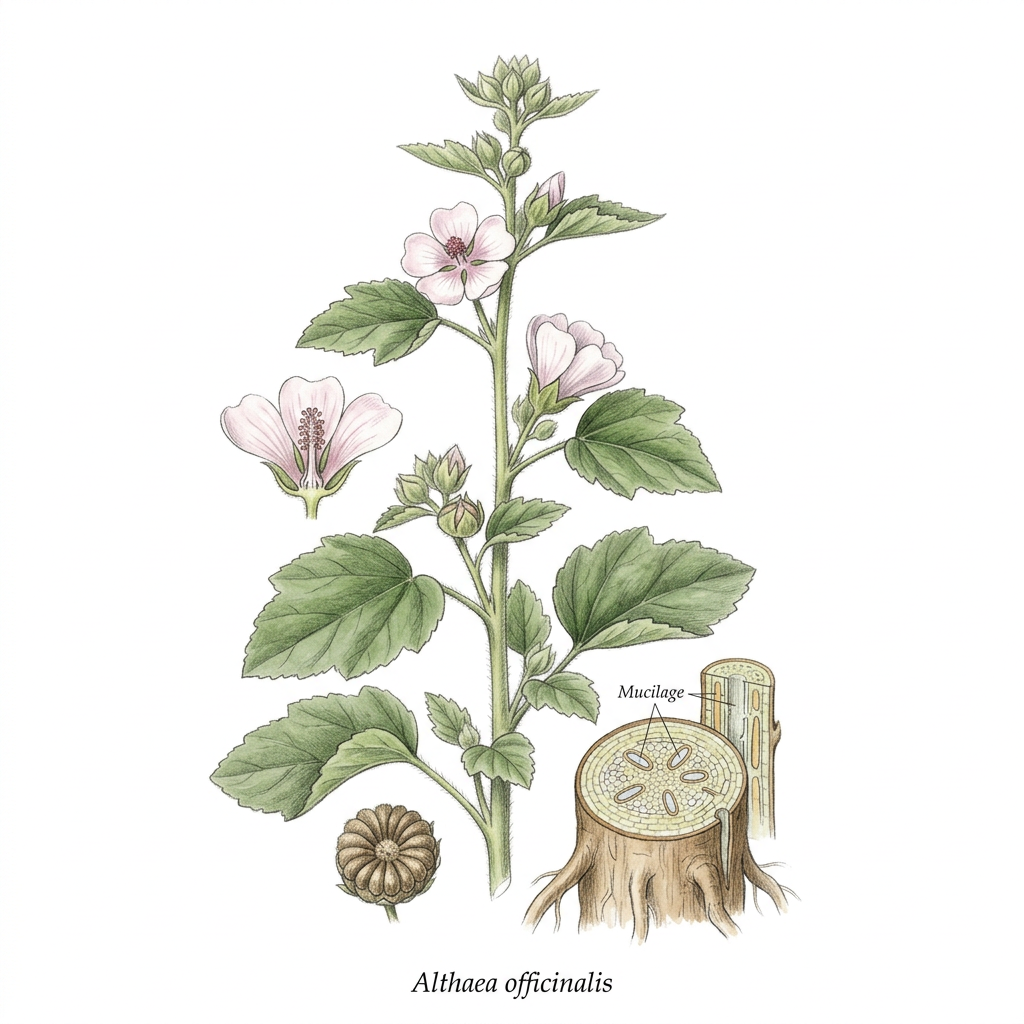
Marshmallow

Marshmallow

Althaea officinalis

Digestive Aid
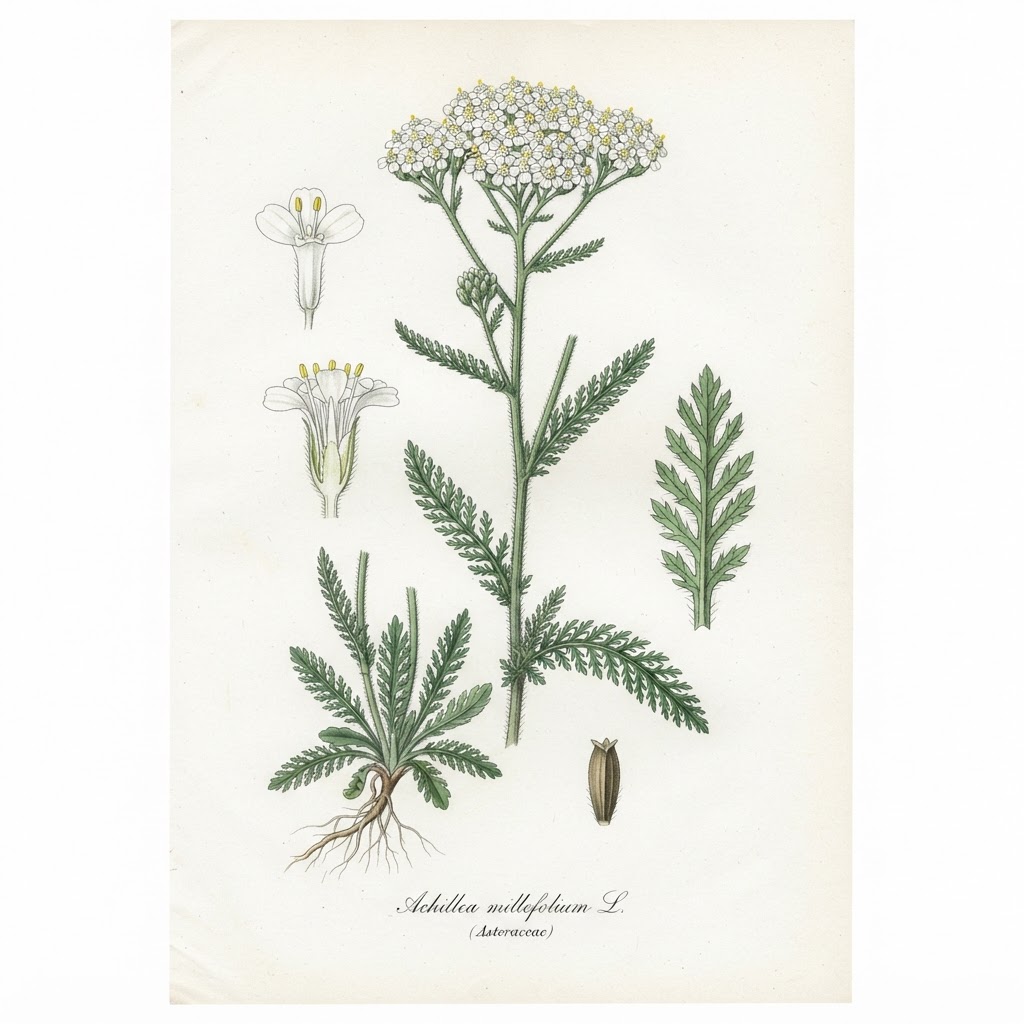
Yarrow

Yarrow

Achillea millefolium

Digestive Tonic
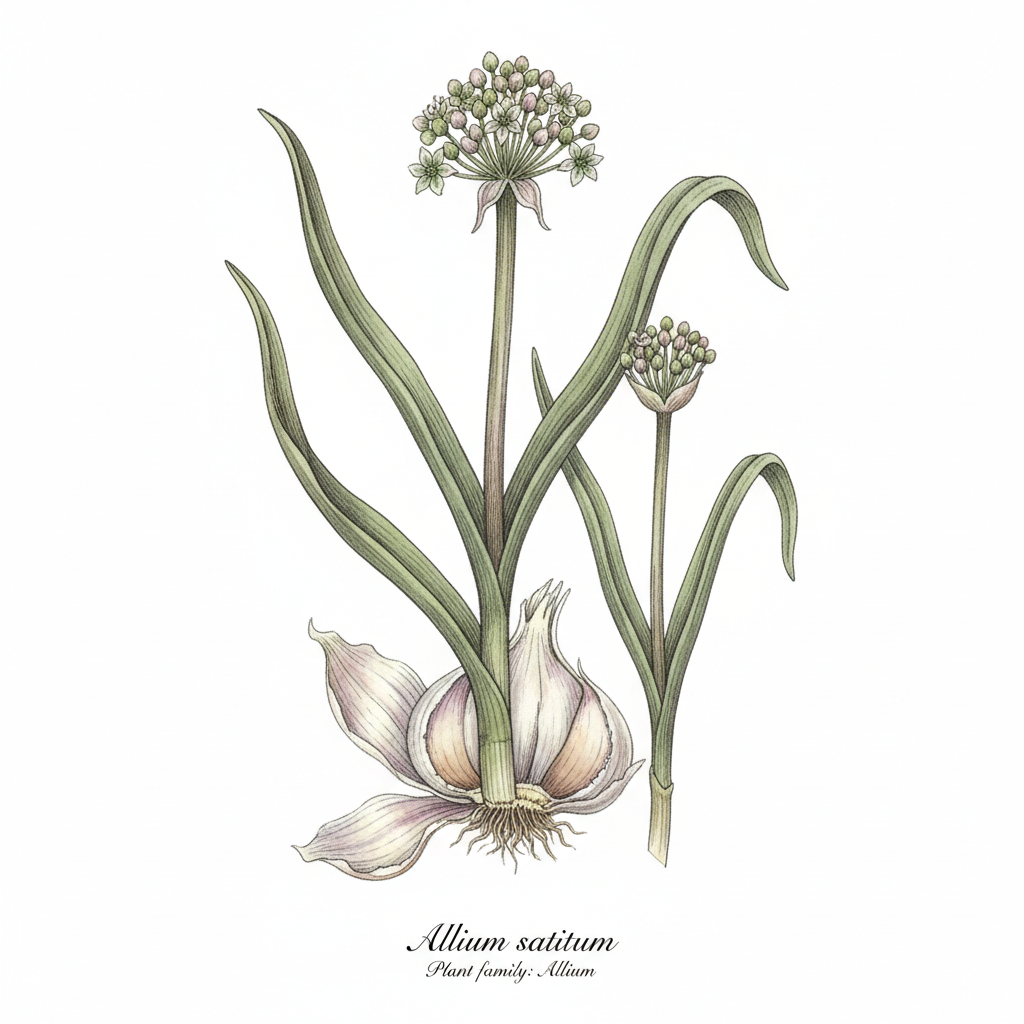
Garlic

Garlic

Allium sativum

Immune Support