The Wild Sage logo
The Wild Sage Logo

Herbal Medicine at your fingertips

Comprehensive database of herbal remedies with detailed safety information and traditional uses

New to herbal terms? Read the glossary →
ADHD
Abcess
Acid Reflux Relief
Acinetobacter
Acne
Acne Vulgaris
Addisons
Adenomyosis
Adenovirus
Adrenal fatigue
Aging
Aids
Alcaligenes faecalis
Alcoholism
Allergic Rhinitis
Allergies
Allergy
Alopoecia
Alopoecia nervosa
Alzheimer's, Dementia & Cognitive Decline
420 herbs found
Important: This information is for educational purposes only. Always consult with qualified healthcare professionals before using herbal remedies, especially if you have existing health conditions or take medications.
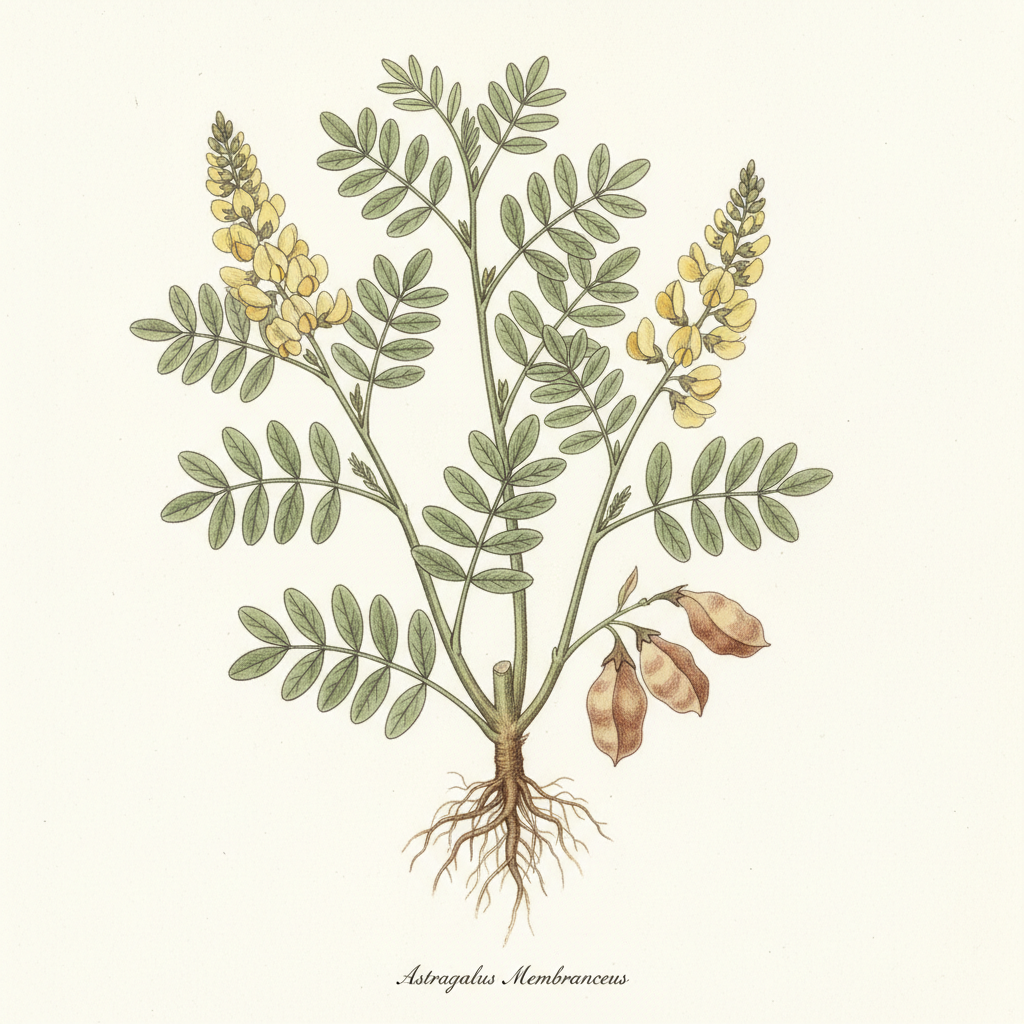
Huang qi

Huang qi

Astragalus membranaceus

low risk Risk
Fabaceae
Sweet, slightly bitter; primarily warming.- Direction/movement: Consolidating and uplifting.
<p>commonly known as astragalus or huang qi, is a prominent herb in Traditional Chinese Medicine (TCM) known for its long-standing history of use. This perennial plant, belonging to the legume family (Fabaceae), has been utilized for over two millennia, primarily to enhance vitality and bolster the immune system. Historically, it was employed not only to strengthen the body's defenses against illnesses but also to promote longevity and overall wellness. Astragalus root is often found in various preparations, including decoctions and tinctures, and is regarded as an adaptogen—helping the body adapt to stressors both physical and emotional. In contemporary herbal practice, Astragalus membranaceus has gained recognition for its diverse therapeutic properties. With a robust evidence base, it is classified as an immune modulator that significantly enhances immune function, backed by studies demonstrating increased activity of immune cells. Additionally, it holds potential benefits for cardiovascular health by improving hemodynamic parameters such as blood pressure and heart rate variability. Astragalus is notable for its ability to regulate blood sugar levels, making it a valuable adjunct in diabetes management. Its wound-healing properties, while less extensively researched, are evidenced through positive outcomes in tissue regeneration and healing time. Furthermore, preliminary studies suggest anticancer activity, although more rigorous research is warranted in this area. The therapeutic effects of Astragalus membranaceus can be attributed to its complex phytochemical composition, which includes saponins, flavonoids, polysaccharides, and antioxidants. These compounds work synergistically to enhance intracellular antioxidant activity, thereby reducing oxidative stress and promoting cellular health. Astragalus operates by modulating various physiological pathways, including the activation of the Nrf2 pathway, which plays a critical role in cellular defense against oxidative damage. Additionally, it acts as an aldose reductase inhibitor, helping to mitigate complications associated with diabetes by regulating glucose metabolism. As a warming herb with tonic properties, Astragalus not only supports immune and cardiovascular health but also fosters overall vitality, making it an essential component of holistic herbal therapy.</p>

Uses & Conditions

Immune Support
Adaptogen
Blood Tonic
Vitality Enhancement
Longevity Promotion
Stress Adaptation
Adrenal Fatigue
Allergic Rhinitis
Angina
Atherosclerosis
Autoimmune Conditions
Bladder Cancer
Bronchiectasis
Cancer
Cardiac Failure
Cervical Dysplasia
Chemotherapy Support
Chronic Fatigue
Congestive Heart Failure
Diabetes
Eosinophilic Esophagitis
Fibromyalgia
Graves Disease
HIV/AIDS
Jaundice
Kidney Disease
Leukopenia
Lupus
Lymphadenitis
Myocardial Infarction
Nerve Damage
Organ Prolapse
Oxidative Stress
Post Viral Fatigue
Radiation Protection
Stomach Ulcers

Actions

Adaptogen
Aldose Reductase Inhibitor
Anti-bacterial
Anti-cancer
Antioxidant
Blood Tonic
Cardio-tonic
Diuretic
Hepatoprotective
Hypotensive
Immunomodulator
Inotropic
Nrf2 Pathway Activator
Warming
Wound Healing

Parts Used

Dried root (Radix Astragali)

Native Countries

China
Korea
Mongolia
Russia

USDA Hardiness Zones

6
7
8

Contraindications

  • Acute infections
  • Autoimmune conditions
  • Pregnancy and breastfeeding
  • Organ transplant recipients

Potential Side Effects

  • Gastrointestinal upset
  • Loose stools
  • Allergic reactions
  • Skin rash

Interactions

  • Immunosuppressants
  • Anticoagulants
  • Hypoglycaemic agents

Dosages, tincture ratios & research — members only

Unlock Garreth's dosing guidance, tincture ratios, the dosage calculator and the research studies for Huang qi.

Your assessment and results stay saved — upgrading only unlocks more of them.

See membership plans

Community Photos

No community photos yet. Sign in to upload photos.

Reviews & Ratings

Sign in to leave a review.

No reviews yet. Be the first!

GF

Garreth Falls — B.Th., Dip. H.M., MNIMH

Content curated and reviewed by Garreth Falls, Consultant Medical Herbalist · The Wild Sage

Medical Disclaimer: This information is for educational purposes only and is not intended as medical advice. Always consult with qualified healthcare professionals before starting any herbal treatment.
Chinese tradition

Sustainability & quality

Cultivated

Widely farmed in China. Ethical sourcing is important; check for heavy metal testing standards if importing directly.

Key constituents

Antioxidant, flavonoids, Polysaccharides, Saponins, Triterpenes

References

  1. Bone & Mills "Principles and Practice of Phytotherapy" 2nd ed. 2013
  2. Bensky "Chinese Herbal Medicine: Materia Medica" 3rd ed. 2004
  3. Herbal Reality. Herb monographs. herbalreality.com

Reviewed by Garreth, Medical Herbalist (MNIMH) · November 2026

Related conditions

Explore conditions where Huang qi is traditionally used.

Related Herbs
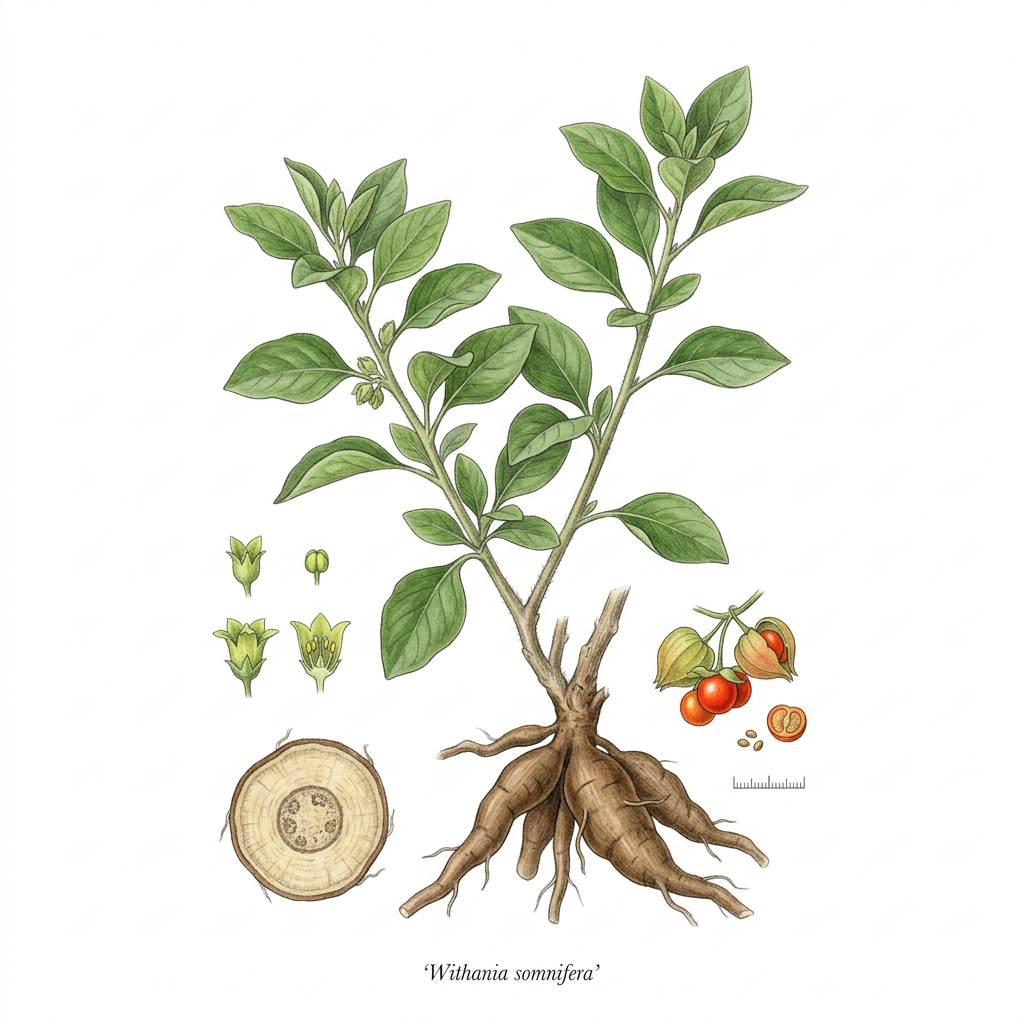
Ashwagandha

Ashwagandha

Withania somnifera

Immune Support
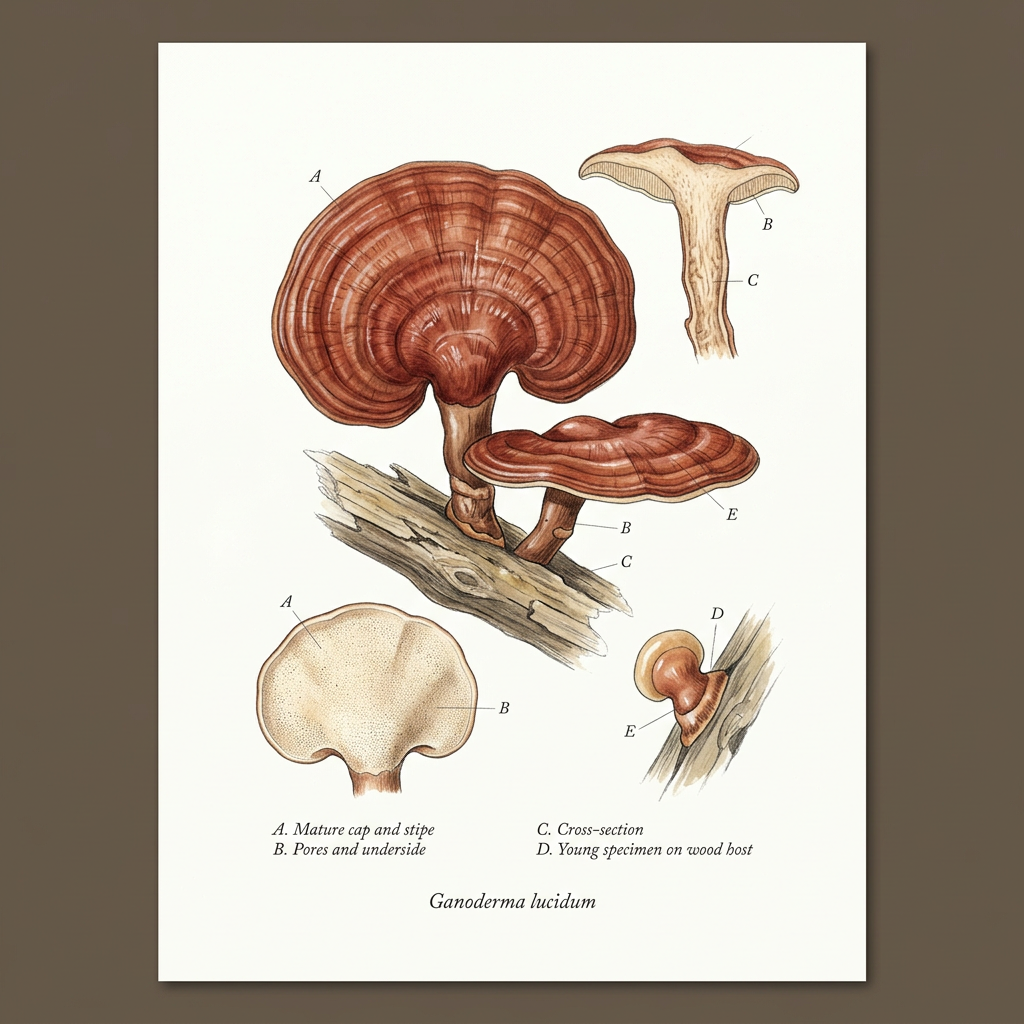
Reishi

Reishi

Ganoderma lucidum

Immune Support
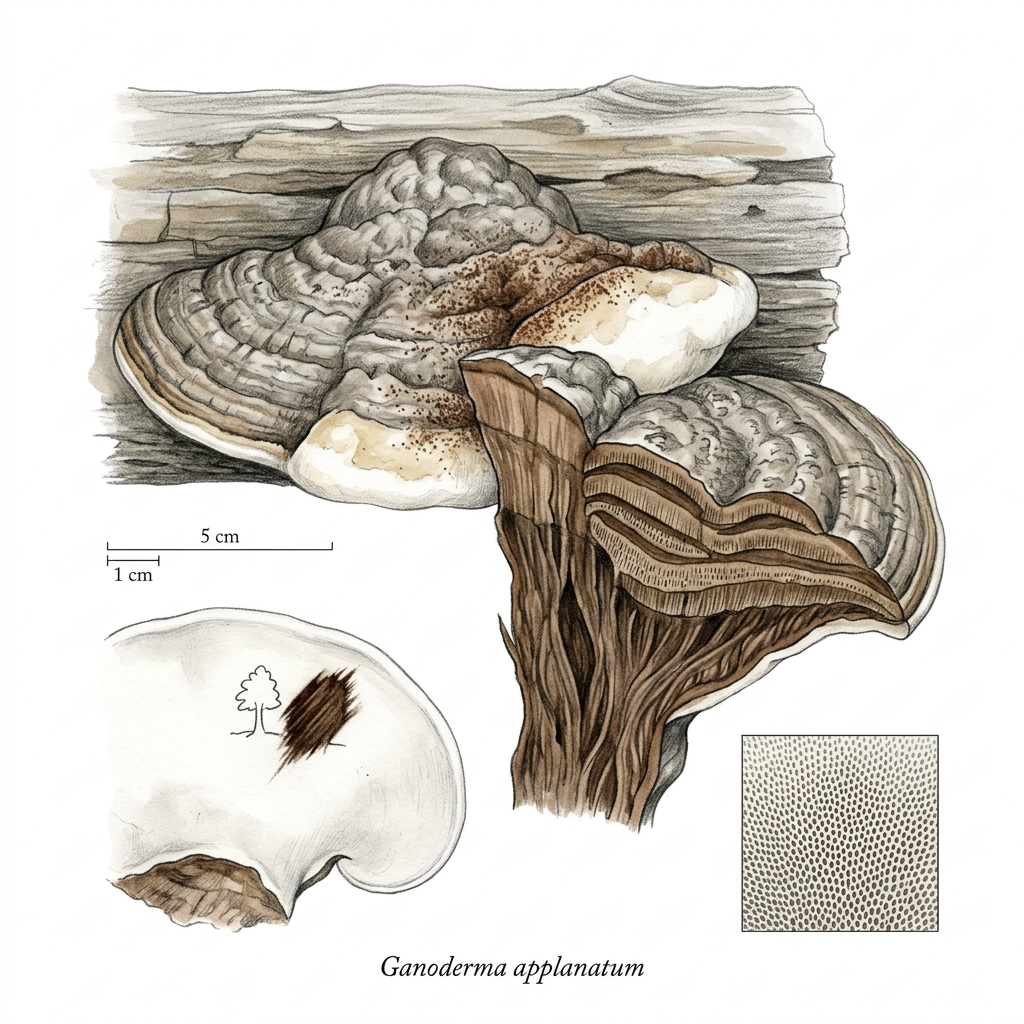
Artist's Conk

Artist's Conk

Ganoderma applanatum

Immune Support
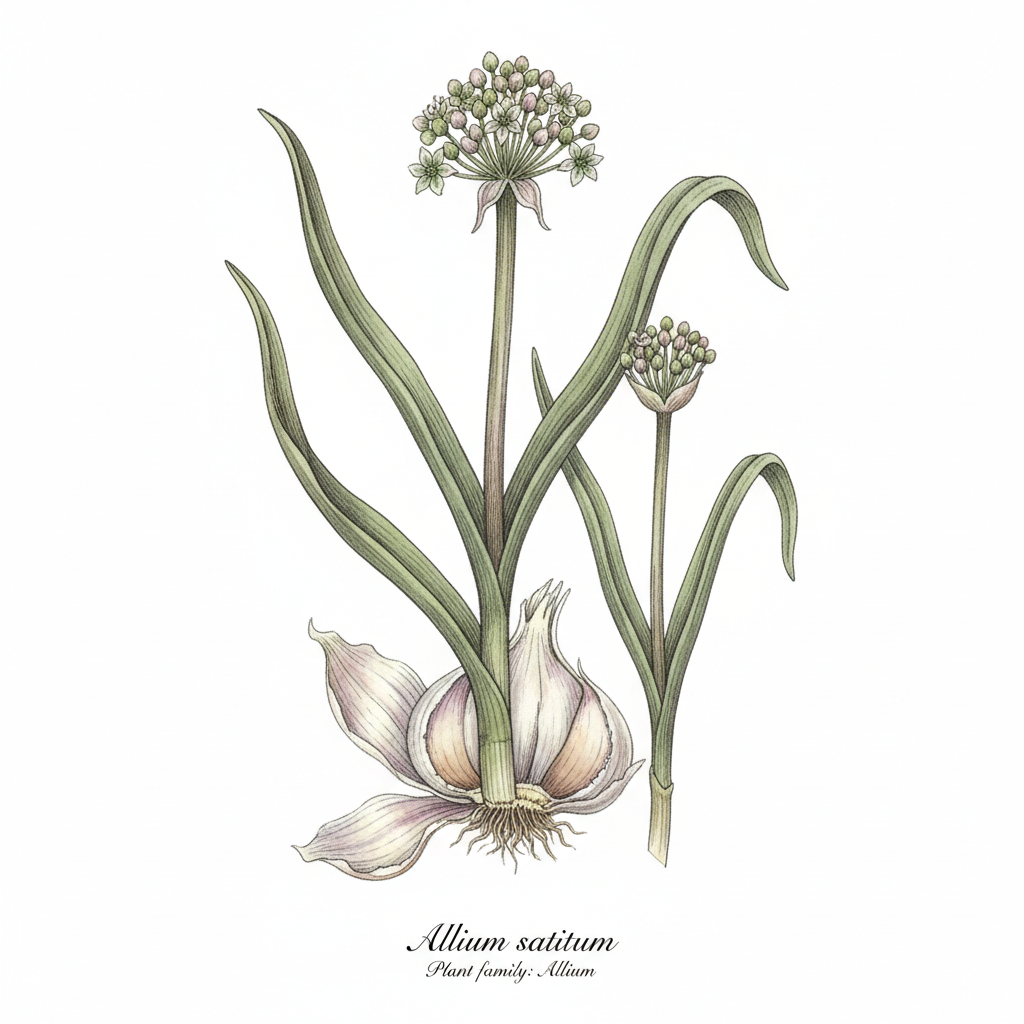
Garlic

Garlic

Allium sativum

Immune Support