The Wild Sage logo
The Wild Sage Logo

Herbal Medicine at your fingertips

Comprehensive database of herbal remedies with detailed safety information and traditional uses

New to herbal terms? Read the glossary →
ADHD
Abcess
Acid Reflux Relief
Acinetobacter
Acne
Acne Vulgaris
Addisons
Adenomyosis
Adenovirus
Adrenal fatigue
Aging
Aids
Alcaligenes faecalis
Alcoholism
Allergic Rhinitis
Allergies
Allergy
Alopoecia
Alopoecia nervosa
Alzheimer's, Dementia & Cognitive Decline
420 herbs found
Important: This information is for educational purposes only. Always consult with qualified healthcare professionals before using herbal remedies, especially if you have existing health conditions or take medications.
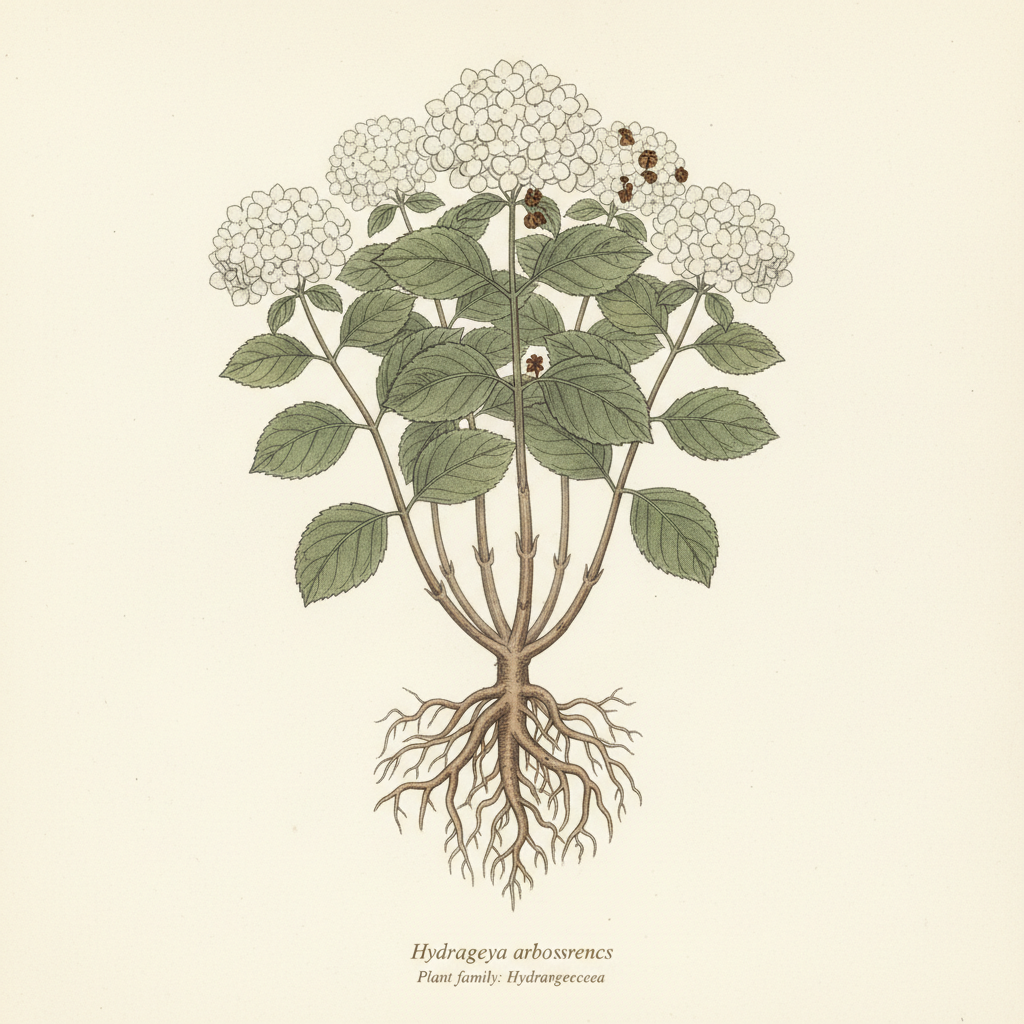
Hydrangea

Hydrangea

Hydrangea arborescens

low risk Risk
Hydrangeacae
cool, moist, bitter, astringent
<p>Hydrangea arborescens, commonly known as the smooth hydrangea or seven-bark, is a perennial flowering shrub native to North America. Esteemed in traditional herbal medicine, Hydrangea has been utilized by Indigenous peoples for centuries for its therapeutic properties. Historically, this herb was employed not only for its aesthetic appeal in gardens but also for its medicinal benefits, particularly in supporting urinary health. The plant is characterized by its clusters of large, white, or light green flowers that resemble clouds, providing a visually appealing aspect to any landscape. The roots and bark are the primary parts used for therapeutic purposes, believed to embody a wealth of healing potential. Hydrangea arborescens is widely recognized for its anti-inflammatory, diuretic, and renal tonic actions, making it a valuable ally in herbal medicine. The herb's diuretic properties aid in promoting urine production, facilitating the elimination of toxins and excess fluids from the body. This action is particularly beneficial for individuals suffering from conditions that affect renal function and urinary tract health. Additionally, its anti-inflammatory effects help alleviate discomfort associated with inflammatory conditions, providing relief in symptoms ranging from urinary tract infections to kidney-related ailments. The renal tonic properties further support overall kidney health, enhancing the organ's ability to filter waste effectively and maintain homeostasis within the body. In terms of its biochemical mechanism, Hydrangea arborescens contains active compounds that influence kidney function and promote fluid balance. These compounds can help relax the smooth muscle of the urinary tract, making it easier for the body to expel waste and fluids. Additionally, its anti-inflammatory agents may inhibit the activity of pro-inflammatory mediators, reducing swelling and discomfort. Overall, Hydrangea arborescens stands out not only for its charming presence in gardens but also for its significant role in supporting renal health and providing a holistic approach to wellness.</p>

Uses & Conditions

Adrenal Tonic
Energy Support
Pyuria
Urinary Gravel
Kidney Stones
Kidney Inflammation
Renal Weakness
Urinary Tract Infection
Oedema
Renal Calculi
Kidney Disease
Haematuria
Cystitis
Dysuria
Bladder Stones
Diabetes
Asthma
Dizziness

Actions

Anti-inflammatory
Diuretic
Renal Tonic
Adrenal Tonic

Parts Used

Root

Native Countries

Europe
North America and Asia

USDA Hardiness Zones

USDA 3-9

Contraindications

  • Pregnancy and breastfeeding
  • Acute kidney failure or severe renal impairment without medical supervision
  • Children under the age of 12 years
  • History of hypersensitivity or allergic reactions to the Hydrangeaceae family
  • Concurrent use with medications that require strict electrolyte balance monitoring

Potential Side Effects

  • Dizziness at high doses

Interactions

  • Diuretics: potential additive effects may increase urine output and electrolyte loss
  • Lithium: diuretic activity may alter renal clearance, necessitating monitoring of serum levels
  • Antihypertensives: theoretical risk of potentiating blood pressure-lowering effects

Dosages, tincture ratios & research — members only

Unlock Garreth's dosing guidance, tincture ratios, the dosage calculator and the research studies for Hydrangea .

Your assessment and results stay saved — upgrading only unlocks more of them.

See membership plans

Community Photos

No community photos yet. Sign in to upload photos.

Reviews & Ratings

Sign in to leave a review.

No reviews yet. Be the first!

GF

Garreth Falls — B.Th., Dip. H.M., MNIMH

Content curated and reviewed by Garreth Falls, Consultant Medical Herbalist · The Wild Sage

Medical Disclaimer: This information is for educational purposes only and is not intended as medical advice. Always consult with qualified healthcare professionals before starting any herbal treatment.
Western tradition

Sustainability & quality

Cultivated

Mainly grown as an ornamental. If sourcing for medicinal use, ensure the specific medicinal species (H. arborescens) is provided rather than ornamental variants.

Key constituents

Hydrangin, Hydrangenol, Saponins, Flavonoids, Essential oils, Cyanogenic glycosides, Resins

References

  1. British Herbal Pharmacopoeia 1983
  2. Herbal Reality. Herb monographs. herbalreality.com

Reviewed by Garreth, Medical Herbalist (MNIMH) · November 2026

Related conditions

Explore conditions where Hydrangea is traditionally used.

Related Herbs
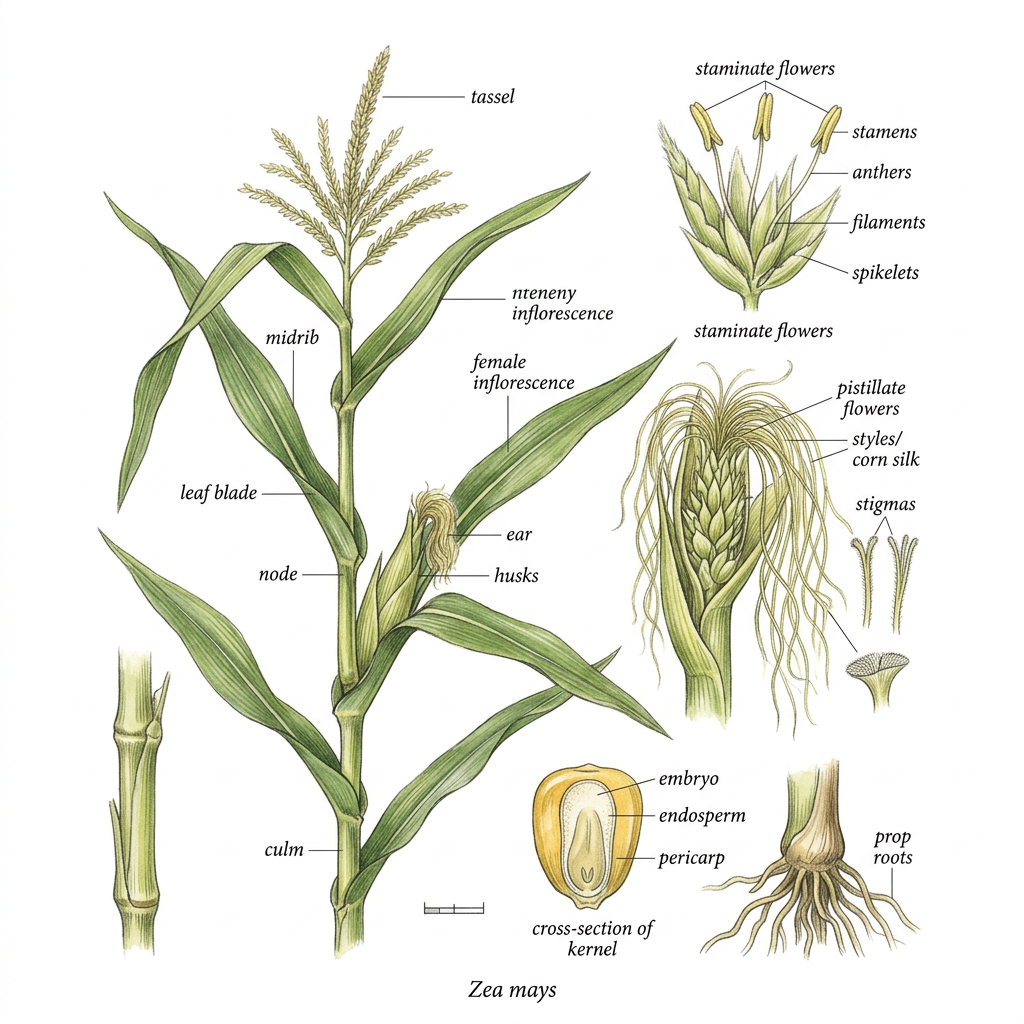
Corn Silk

Corn Silk

Zea mays

Fluid balance
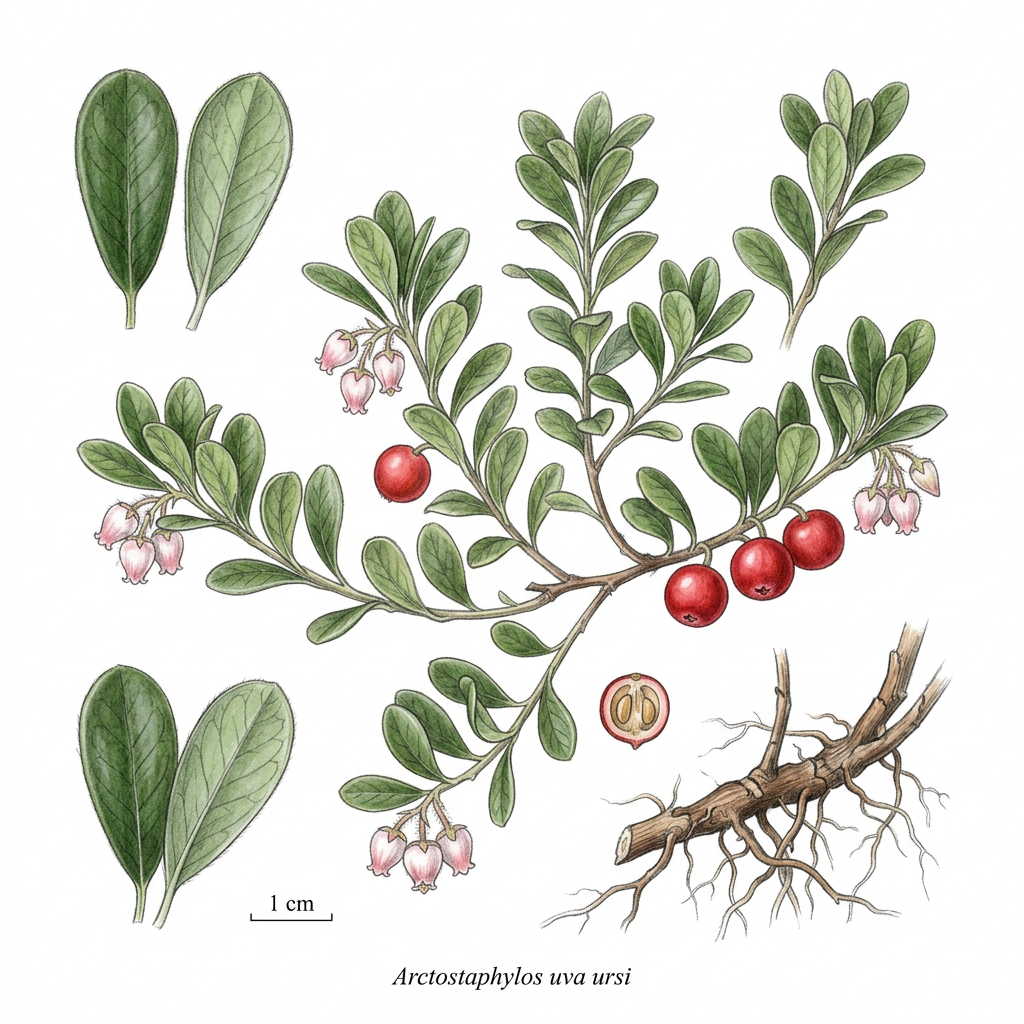
Bearberry

Bearberry

Arctostaphylos uva ursi

Urinary Health
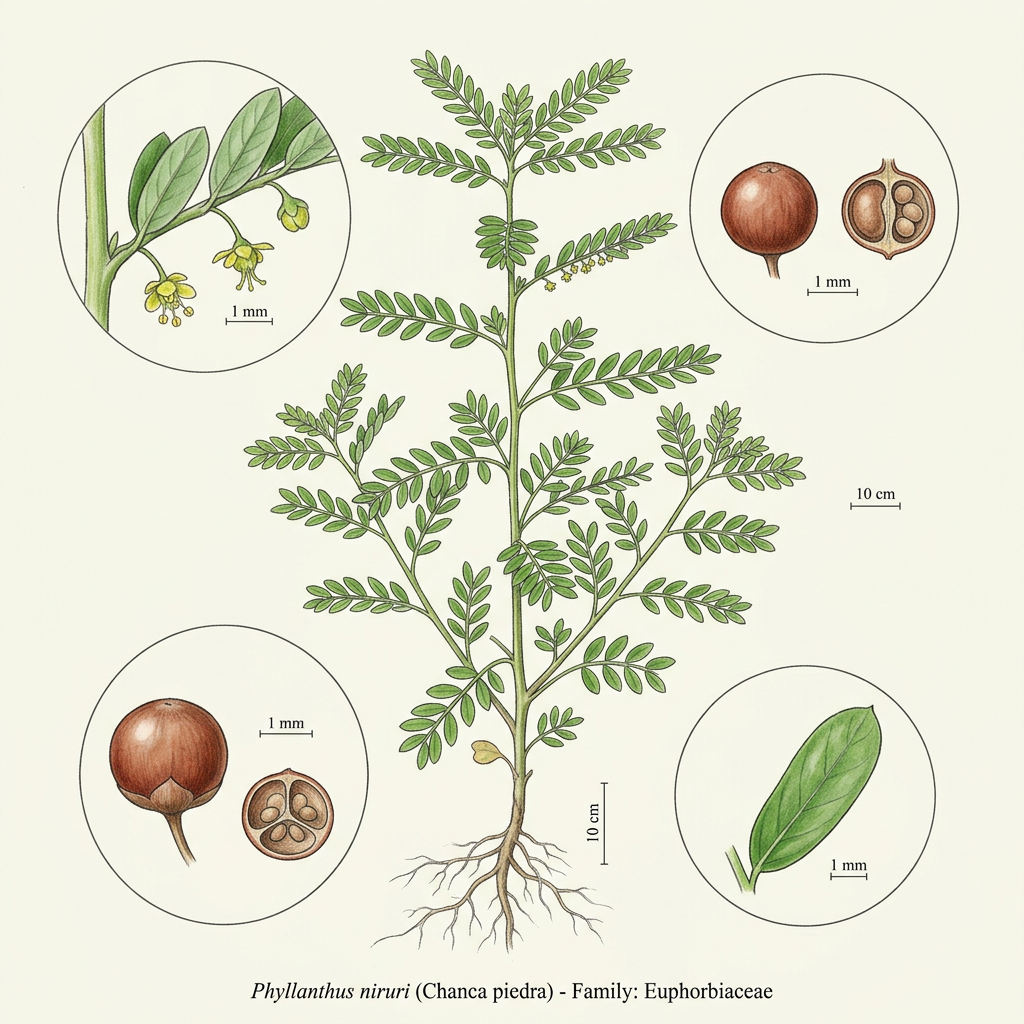
Chanca piedra

Chanca piedra

Phyllanthus niruri

Detoxification Support
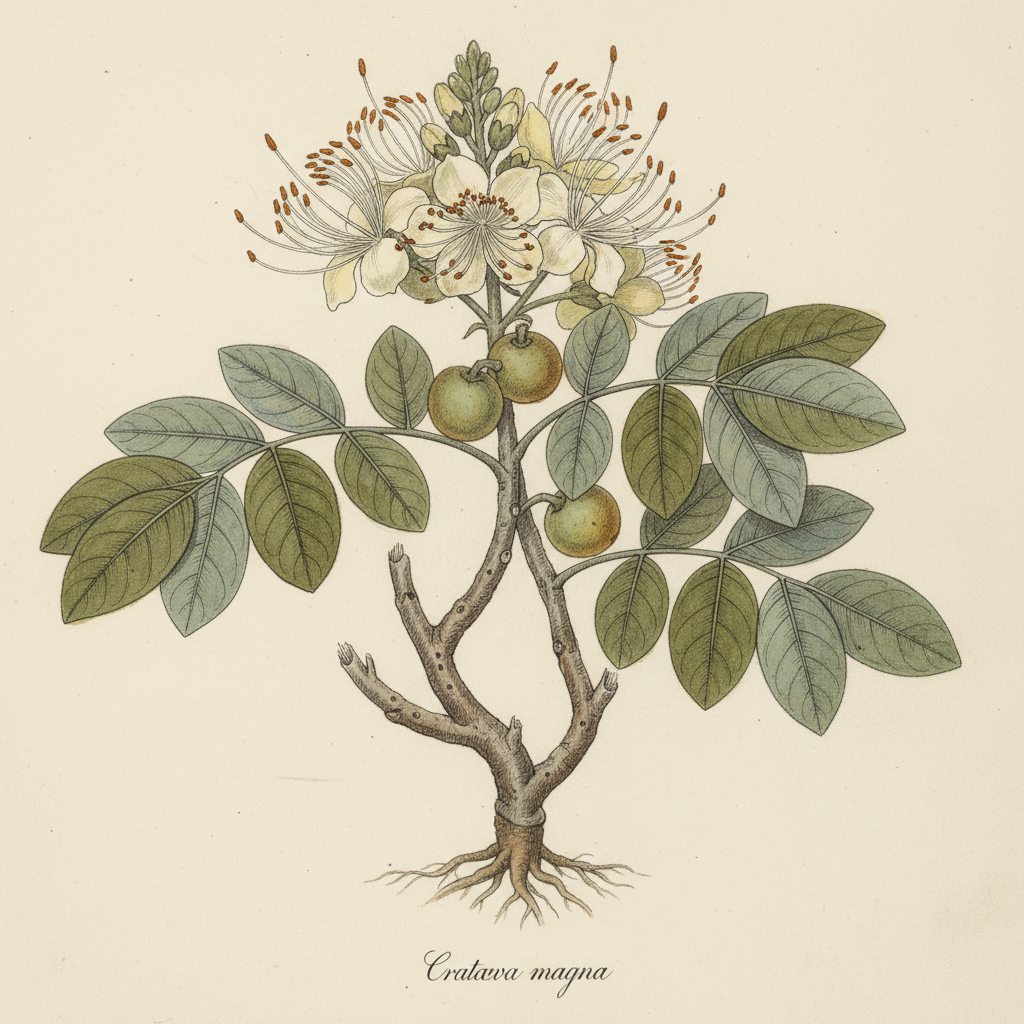
Crataeva magna

Crataeva magna

Crataeva magna

Digestive Support