The Wild Sage logo
The Wild Sage Logo

Herbal Medicine at your fingertips

Comprehensive database of herbal remedies with detailed safety information and traditional uses

New to herbal terms? Read the glossary →
ADHD
Abcess
Acid Reflux Relief
Acinetobacter
Acne
Acne Vulgaris
Addisons
Adenomyosis
Adenovirus
Adrenal fatigue
Aging
Aids
Alcaligenes faecalis
Alcoholism
Allergic Rhinitis
Allergies
Allergy
Alopoecia
Alopoecia nervosa
Alzheimer's, Dementia & Cognitive Decline
420 herbs found
Important: This information is for educational purposes only. Always consult with qualified healthcare professionals before using herbal remedies, especially if you have existing health conditions or take medications.
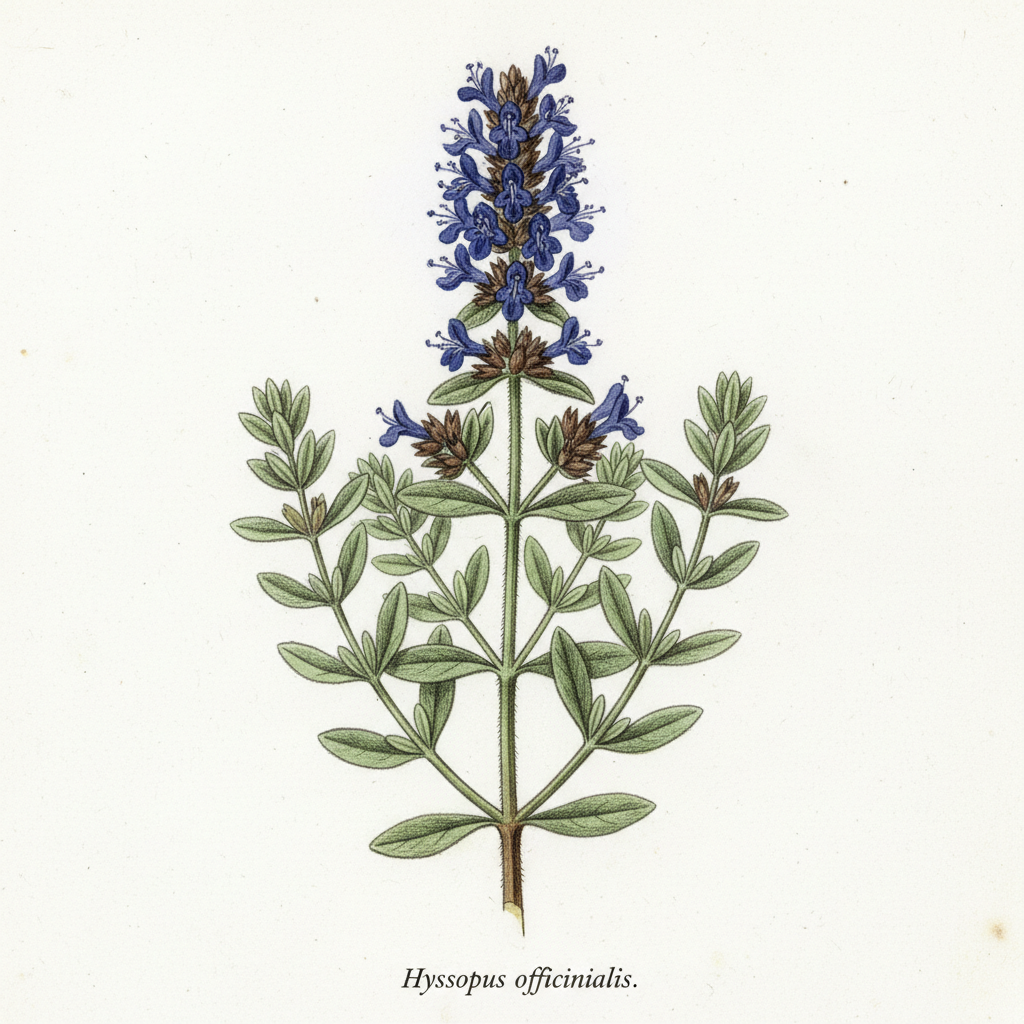
Hyssop

Hyssop

Hyssopus officinalis

moderate risk Risk
Lamiaceae
Known for cleansing properties, supports emotional balance and mental focus.
<p>Hyssop, a hardy perennial herb belonging to the mint family (Lamiaceae), has a rich history steeped in both culinary and medicinal traditions. With origins tracing back to ancient civilizations in the Mediterranean region, Hyssopus officinalis was highly regarded by cultures such as the Greeks and Romans. Known for its aromatic, slightly bitter leaves and vibrant blue flowers, hyssop was traditionally used not only to flavor food but also to purify spaces and promote healing. In biblical texts, hyssop is referenced as a ceremonial plant, symbolizing cleansing and renewal—attributes that underscore its importance throughout history. This versatile herb has continued to thrive in gardens and herbal apothecaries, praised for its broad spectrum of therapeutic applications. The therapeutic properties of hyssop are multifaceted, making it a valuable ally in herbal medicine. Renowned primarily for its expectorant properties, hyssop effectively aids respiratory health, helping to alleviate symptoms of coughs, colds, and bronchitis by soothing irritation in the airways and facilitating the expulsion of mucus. Beyond its respiratory benefits, hyssop possesses anti-inflammatory and antispasmodic actions, which can ease muscle spasms and reduce inflammation in various bodily systems. Additionally, its nervine qualities contribute to its efficacy in stress reduction, promoting relaxation and emotional balance. These properties make hyssop a well-rounded herb for supporting overall health and well-being, particularly during times of illness or stress. Hyssop works in the body through a combination of its active constituents, including flavonoids and essential oils, which interact with various physiological systems. The herb’s expectorant action occurs as these constituents stimulate mucous membrane secretions in the respiratory tract, thereby thinning mucus and relieving congestion. In addition, hyssop’s anti-inflammatory compounds help to reduce inflammation in the respiratory pathways, allowing for easier breathing. Its nervine effects are thought to stem from its ability to exert a calming influence on the nervous system, promoting relaxation and reducing anxiety—a dual action that can significantly enhance recovery from respiratory illnesses. By promoting not only physical healing but also mental tranquility, hyssop embodies the holistic nature of herbal medicine.</p>

Uses & Conditions

Respiratory Support
Emotional Balance
Digestive Support
Asthma
Bronchitis
Bronchiectasis
Cough
Catarrhal States
Impaired Expectoration
Poor Appetite
Wounds

Actions

Anti-inflammatory
Nervine
Antibacterial
Expectorant
Uterine Stimulant

Parts Used

Aerial parts

Native Countries

Mediterranean

USDA Hardiness Zones

USDA 3-9

Contraindications

  • Pregnancy due to uterine stimulation
  • Epilepsy
  • History of seizure disorders
  • Hypertension
  • Ingestion of concentrated essential oil

Potential Side Effects

  • Neurotoxicity from high doses of volatile oil
  • Seizures in predisposed individuals
  • Skin irritation or contact dermatitis from topical use
  • Nausea or vomiting from concentrated essential oil ingestion

Interactions

  • Anticonvulsants: Potential to lower seizure threshold and antagonise medication
  • Central Nervous System Depressants: Possible additive effects with sedatives or anxiolytics
  • Antihypertensives: Use with caution as volatile oils may affect blood pressure regulation

Dosages, tincture ratios & research — members only

Unlock Garreth's dosing guidance, tincture ratios, the dosage calculator and the research studies for Hyssop.

Your assessment and results stay saved — upgrading only unlocks more of them.

See membership plans

Community Photos

No community photos yet. Sign in to upload photos.

Reviews & Ratings

Sign in to leave a review.

No reviews yet. Be the first!

GF

Garreth Falls — B.Th., Dip. H.M., MNIMH

Content curated and reviewed by Garreth Falls, Consultant Medical Herbalist · The Wild Sage

Medical Disclaimer: This information is for educational purposes only and is not intended as medical advice. Always consult with qualified healthcare professionals before starting any herbal treatment.
Western tradition

Sustainability & quality

Abundant

Commonly grown in gardens. Simple to grow; prefer fresh material for essential oil quality.

Key constituents

Flavonoids, Monoterpenes, Pinene, Ketones, Pinocamphone, isopinocamphone, Diosmin

References

  1. British Herbal Pharmacopoeia 1983
  2. Herbal Reality. Herb monographs. herbalreality.com

Reviewed by Garreth, Medical Herbalist (MNIMH) · November 2026

Related conditions

Explore conditions where Hyssop is traditionally used.

Related Herbs
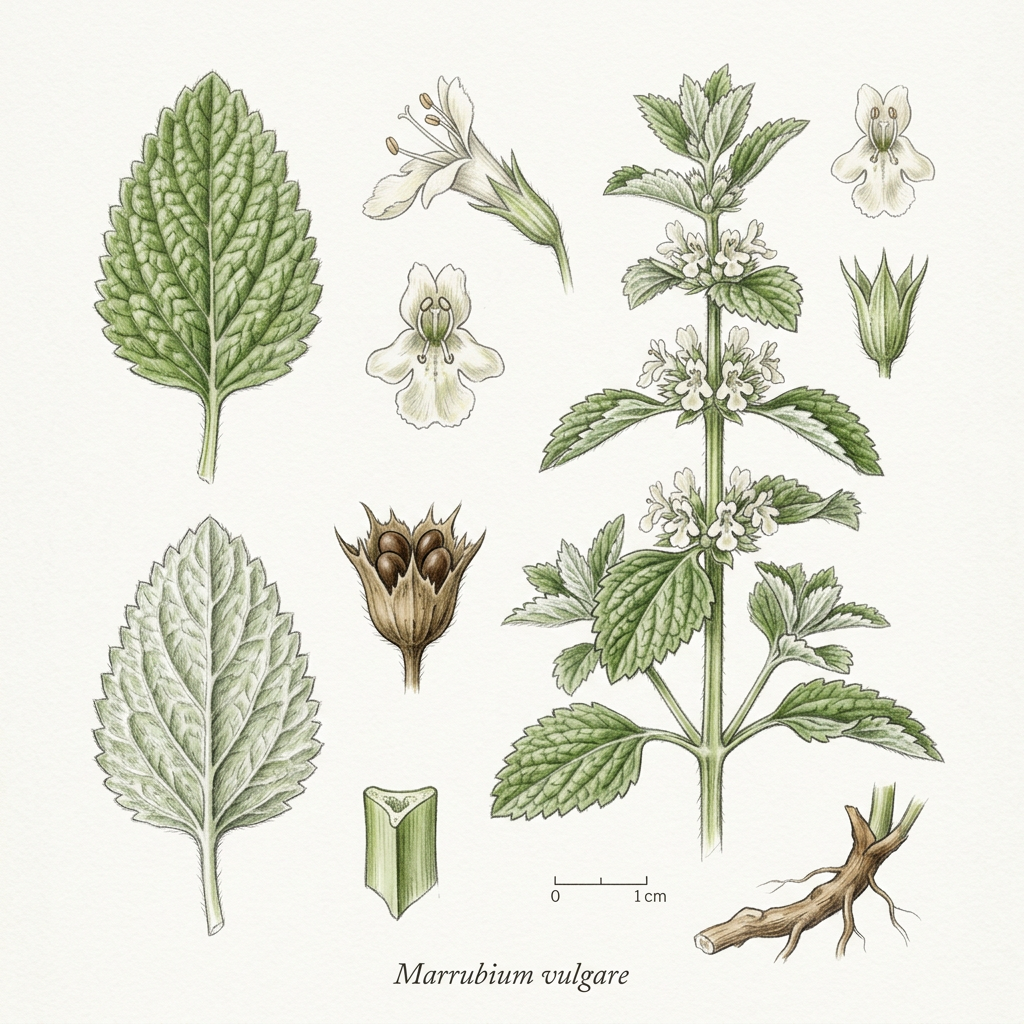
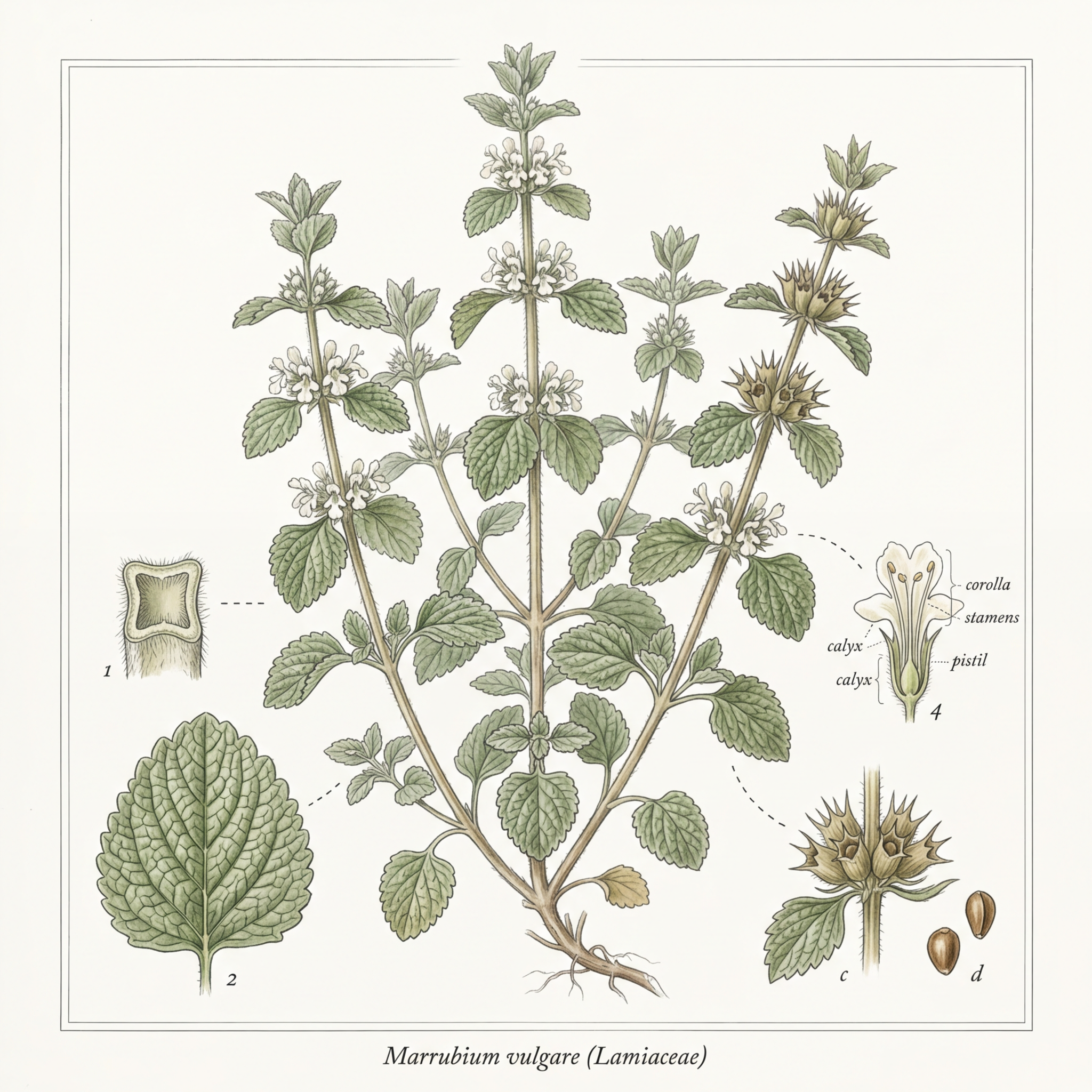
Horehound

Horehound

Marrubium vulgare

Respiratory Support
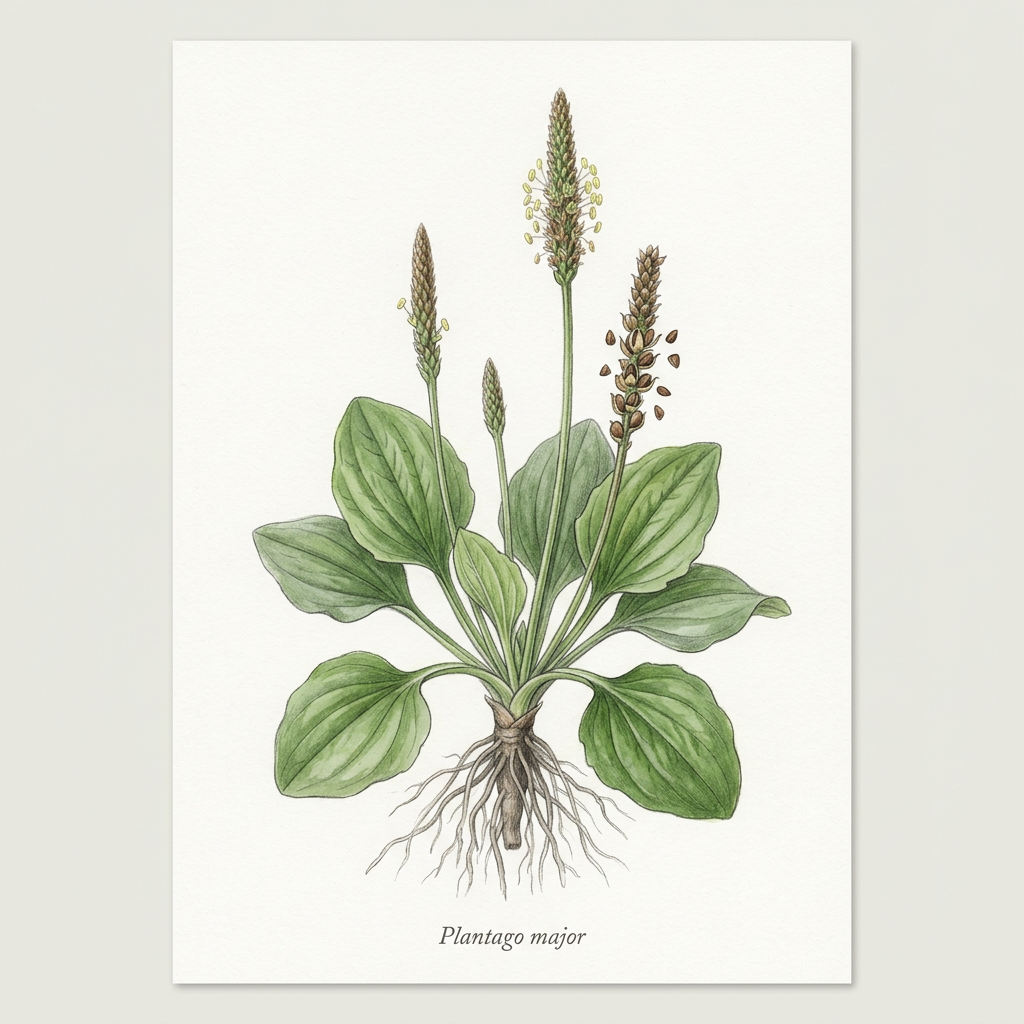
Plantain

Plantain

Plantago major

Lung Support
White Horehound

White Horehound

Marrubium vulgare

Digestive aid
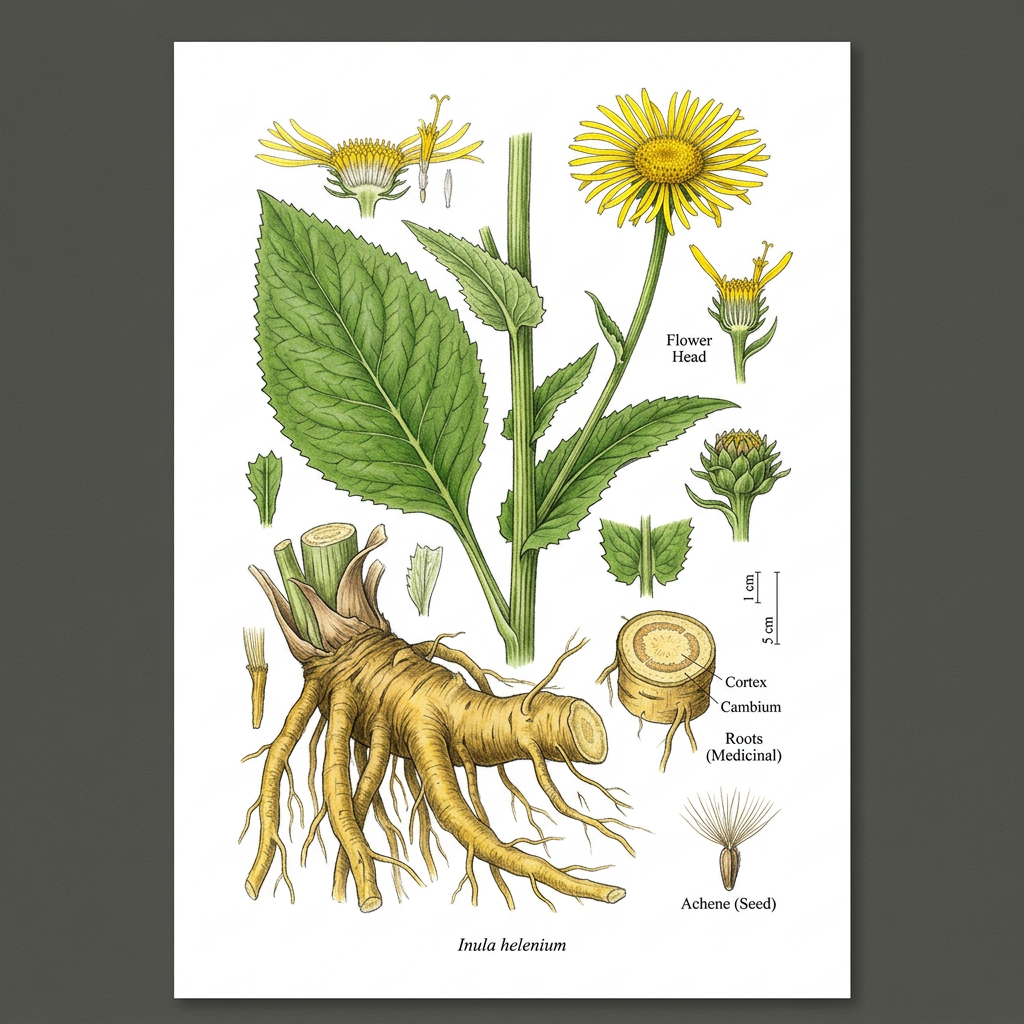
Elecampane

Elecampane

Inula helenium

Lung Health