The Wild Sage logo
The Wild Sage Logo

Herbal Medicine at your fingertips

Comprehensive database of herbal remedies with detailed safety information and traditional uses

New to herbal terms? Read the glossary →
ADHD
Abcess
Acid Reflux Relief
Acinetobacter
Acne
Acne Vulgaris
Addisons
Adenomyosis
Adenovirus
Adrenal fatigue
Aging
Aids
Alcaligenes faecalis
Alcoholism
Allergic Rhinitis
Allergies
Allergy
Alopoecia
Alopoecia nervosa
Alzheimer's, Dementia & Cognitive Decline
420 herbs found
Important: This information is for educational purposes only. Always consult with qualified healthcare professionals before using herbal remedies, especially if you have existing health conditions or take medications.
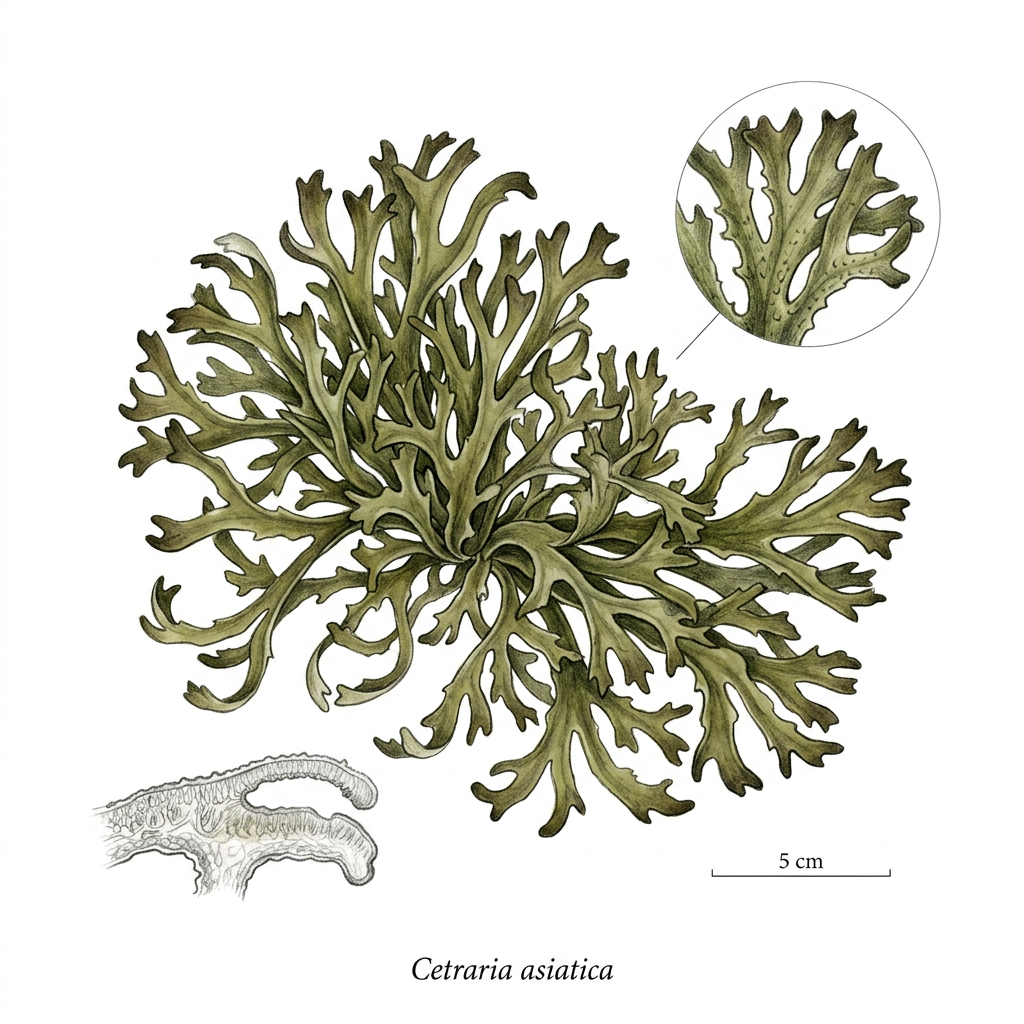
Icelandic moss

Icelandic moss

Cetraria islandica

low risk Risk
Parmeliaceae
bitter, cooling, moistening
<p>Icelandic moss, scientifically known as Cetraria asiatica, is a fascinating lichen renowned for its historical significance in traditional herbal medicine, particularly within Nordic and Arctic cultures. Used for centuries as a vital food source and remedy, this lichen thrives in the harsh climates of Iceland, Greenland, and other subarctic regions. Traditionally, Icelandic moss has been employed to support respiratory health, soothe digestive disturbances, and as a general tonic. The rich historical tapestry surrounding this herb underscores its role as not only a nutritional staple but also a cornerstone of herbal healing practices among indigenous peoples. The therapeutic properties of Icelandic moss are varied and impactful. Primarily recognized for its anti-inflammatory effects, this lichen serves as a mucous membrane tonic, making it particularly beneficial for addressing respiratory illnesses. Its demulcent qualities provide a soothing effect on irritated mucosal tissues in the respiratory tract and gastrointestinal system. Additionally, Icelandic moss is celebrated for its respiratory stimulant properties, promoting respiratory function and enhancing mucus clearance. This multifaceted herb also contains polysaccharides known as lichenin and isolichenin, which contribute to its ability to hydrate and protect mucous membranes, making it a valuable ally in the treatment of coughs, bronchitis, and bronchial congestion. Mechanistically, Icelandic moss works within the body by coating and protecting mucous membranes, thus alleviating irritation and facilitating healing. When ingested, the polysaccharides in Icelandic moss engage with mucus membranes, forming a viscous gel-like substance that promotes moisture retention and enhances the body's natural defenses against pathogens and irritants. Additionally, its anti-inflammatory properties help to mitigate the body's inflammatory responses, providing relief from the discomfort associated with respiratory ailments. By integrating Icelandic moss into health regimens, individuals can harness its enduring traditional wisdom, supporting optimal respiratory health and overall well-being.</p>

Uses & Conditions

Mucous membrane tonic
Wound healing
Cough relief
Gastrointestinal tract disorders
Upper respiratory tract infection
Bronchitis
Bronchial congestion
Digestive disturbances

Actions

Anti-inflammatory
Respiratory stimulant
Antimicrobial
TNF-alpha reduction
NFkB inhibitor

Parts Used

Whole plant

Native Countries

Northern Europe

USDA Hardiness Zones

USDA 3-9

Contraindications

  • Pregnancy and breastfeeding
  • Active gastric or duodenal ulcers
  • Severe liver or kidney impairment
  • Autoimmune conditions

Potential Side Effects

  • Gastrointestinal upset including nausea
  • Mild abdominal cramping
  • Allergic reactions
  • Contact dermatitis

Interactions

  • Potential delay in drug absorption due to mucilage
  • Potential interference with mineral absorption in high doses

Dosages, tincture ratios & research — members only

Unlock Garreth's dosing guidance, tincture ratios, the dosage calculator and the research studies for Icelandic moss.

Your assessment and results stay saved — upgrading only unlocks more of them.

See membership plans

Community Photos

No community photos yet. Sign in to upload photos.

Reviews & Ratings

Sign in to leave a review.

No reviews yet. Be the first!

GF

Garreth Falls — B.Th., Dip. H.M., MNIMH

Content curated and reviewed by Garreth Falls, Consultant Medical Herbalist · The Wild Sage

Medical Disclaimer: This information is for educational purposes only and is not intended as medical advice. Always consult with qualified healthcare professionals before starting any herbal treatment.
Western tradition

Sustainability & quality

At risk

Often over-harvested in the wild; source from producers who use sustainable collection methods or cultivated alternatives.

Key constituents

Lichenan (Lichenin), Isolichenan, Protolichesterinic acid, Fumarprotocetraric acid, Usnic acid, Mucilage polysaccharides, Bitter principles

References

  1. ESCOP Monographs 2nd ed. 2003
  2. EMA/HMPC Community Herbal Monograph
  3. British Herbal Pharmacopoeia 1983
  4. Herbal Reality. Herb monographs. herbalreality.com

Reviewed by Garreth, Medical Herbalist (MNIMH) · November 2026

Related conditions

Explore conditions where Icelandic moss is traditionally used.

Related Herbs
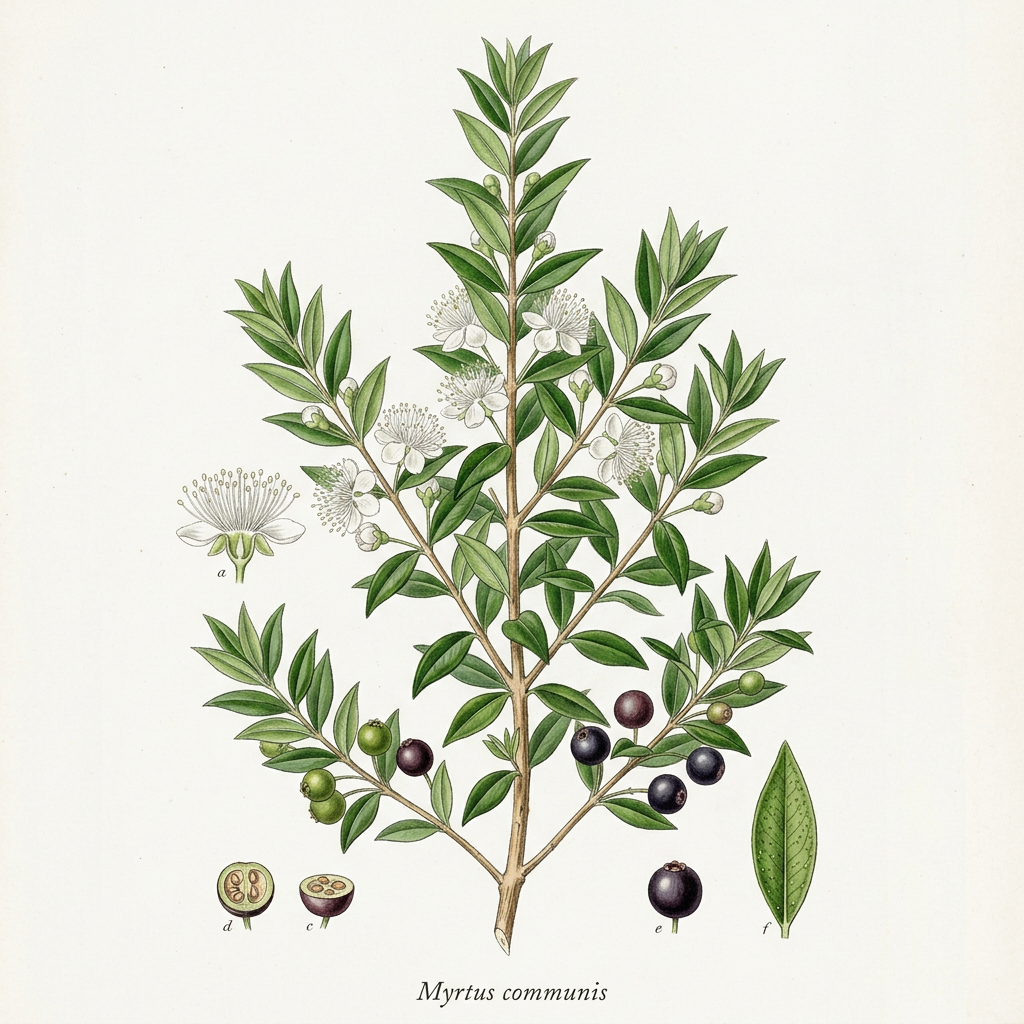
Myrtle

Myrtle

Myrtus communis

Respiratory Support
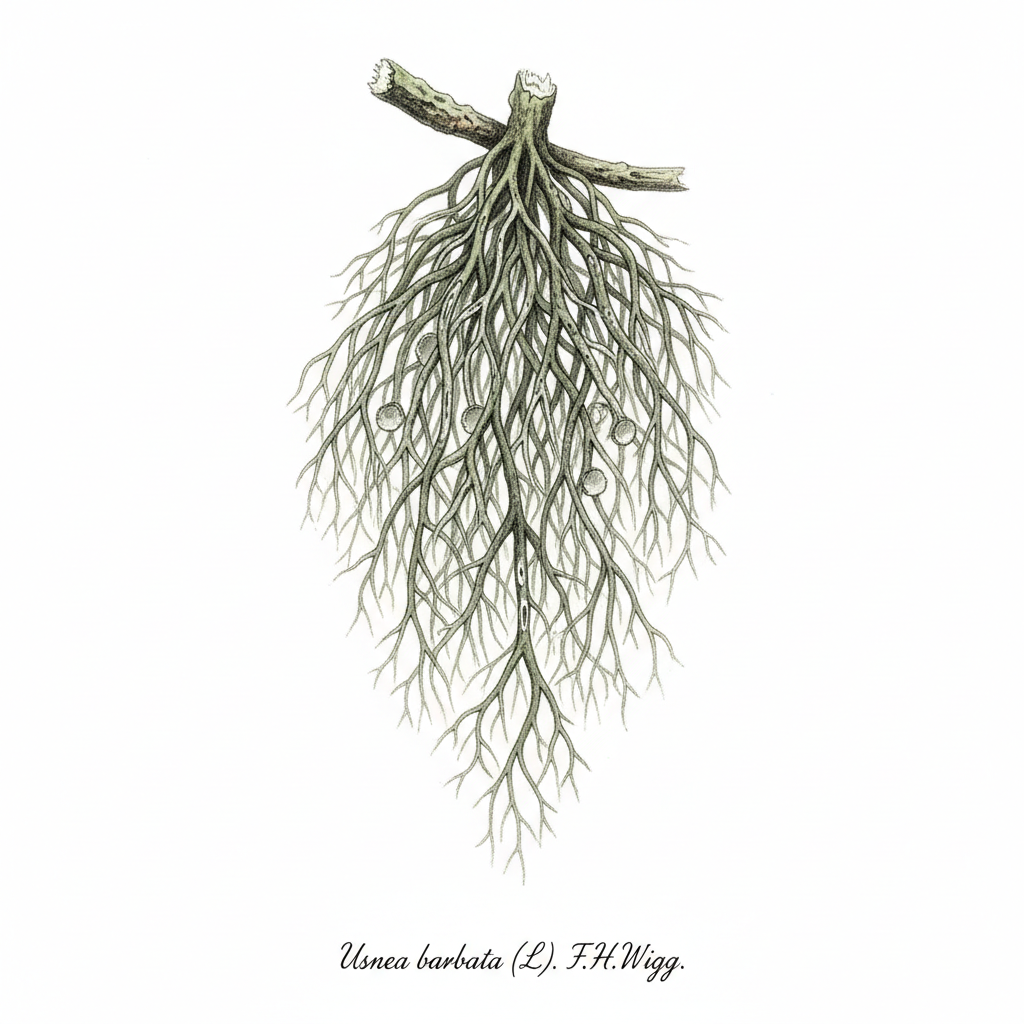
Old Man's Beard

Old Man's Beard

Usnea

Immune Response Modulation
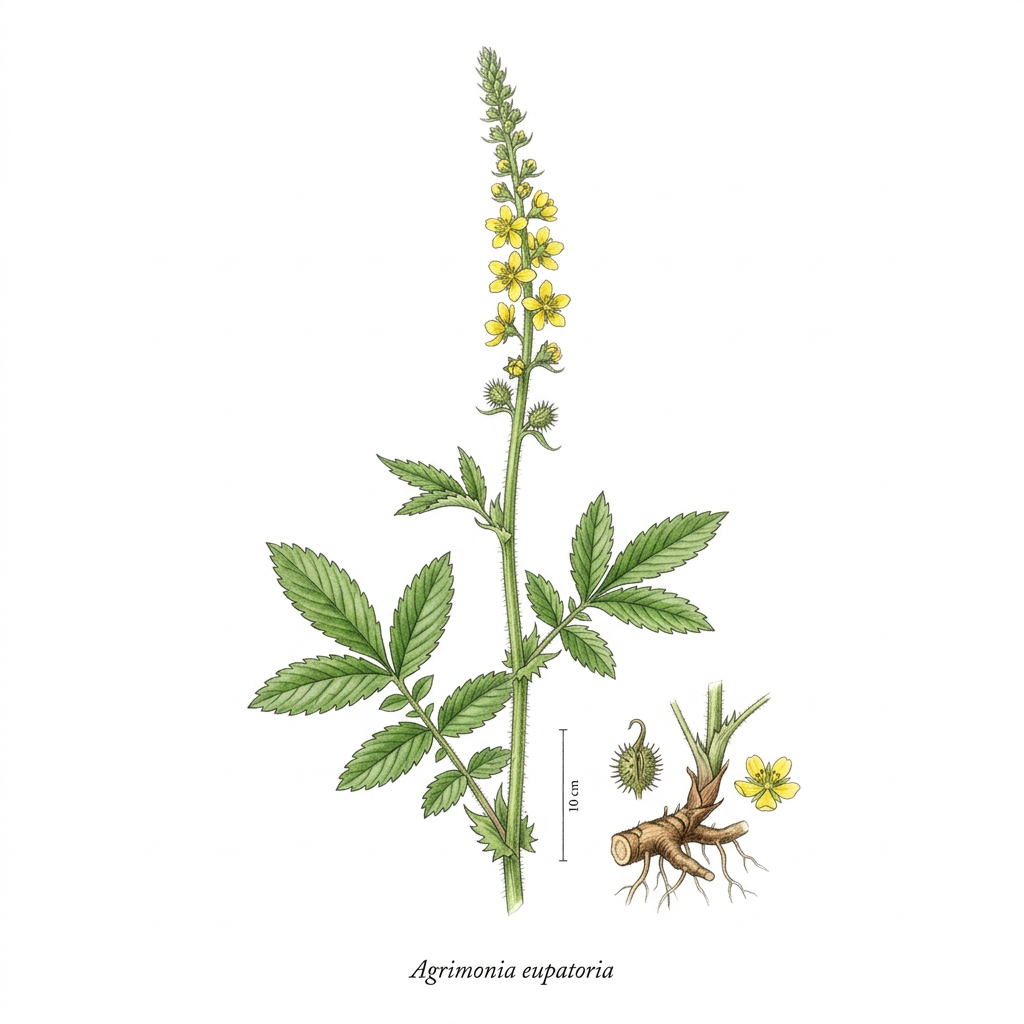
Agrimony

Agrimony

Agrimonia eupatoria

Digestive Aid
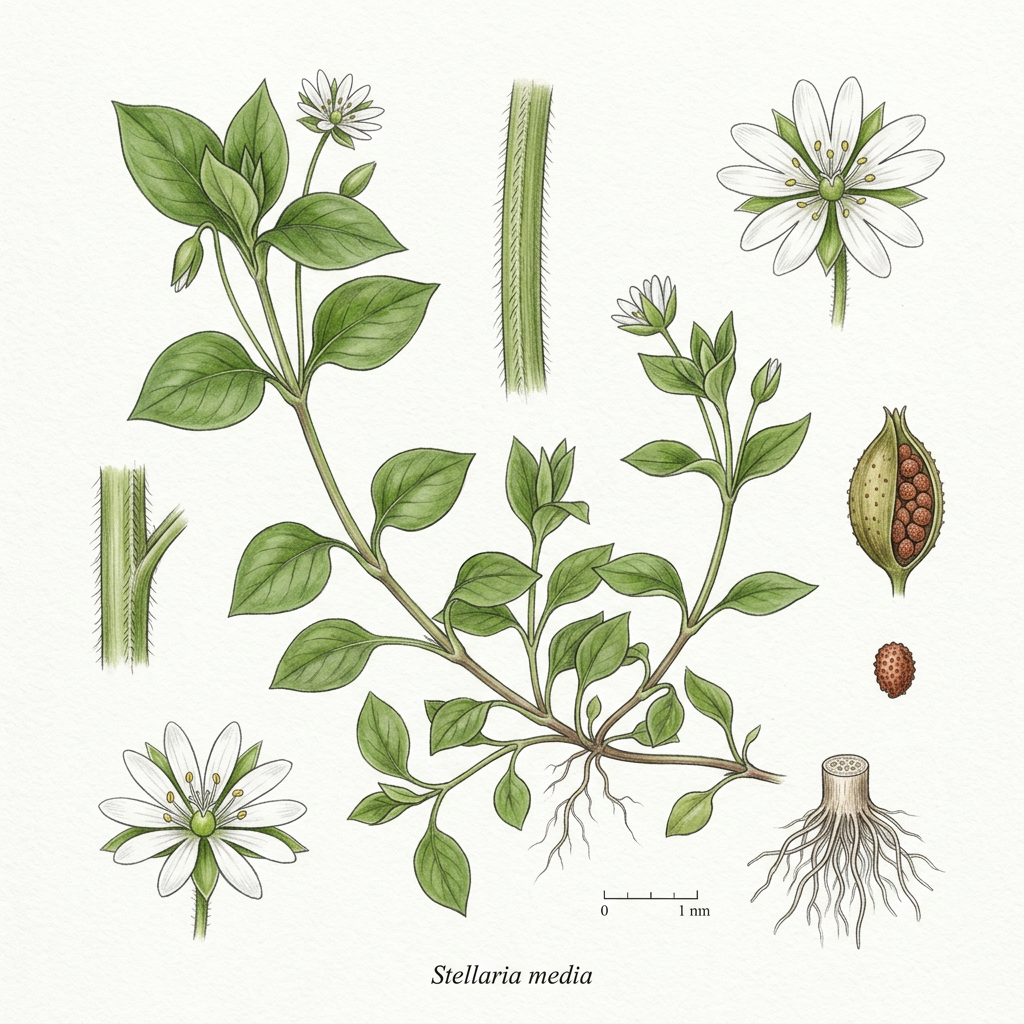
Chickweed

Chickweed

Stellaria media

Nutritive