The Wild Sage logo
The Wild Sage Logo

Herbal Medicine at your fingertips

Comprehensive database of herbal remedies with detailed safety information and traditional uses

New to herbal terms? Read the glossary →
ADHD
Abcess
Acid Reflux Relief
Acinetobacter
Acne
Acne Vulgaris
Addisons
Adenomyosis
Adenovirus
Adrenal fatigue
Aging
Aids
Alcaligenes faecalis
Alcoholism
Allergic Rhinitis
Allergies
Allergy
Alopoecia
Alopoecia nervosa
Alzheimer's, Dementia & Cognitive Decline
420 herbs found
Important: This information is for educational purposes only. Always consult with qualified healthcare professionals before using herbal remedies, especially if you have existing health conditions or take medications.
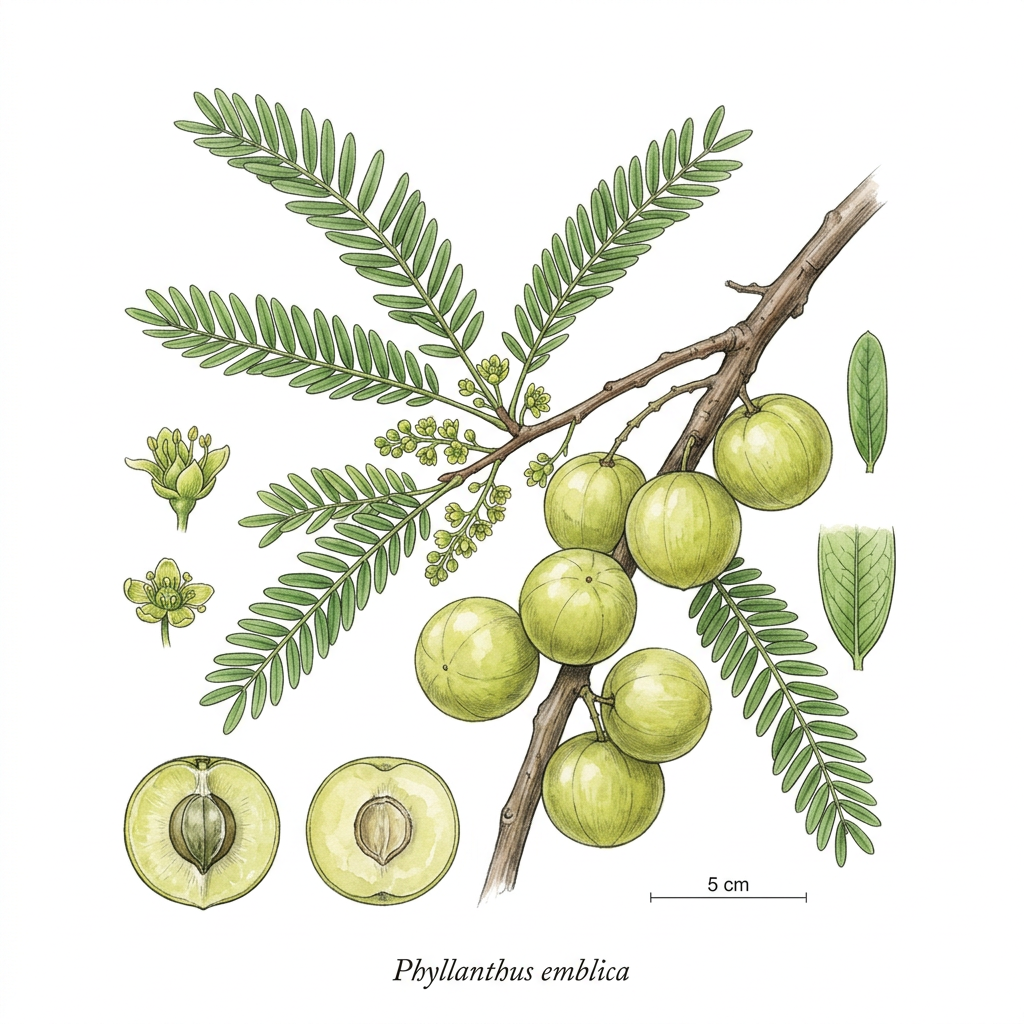
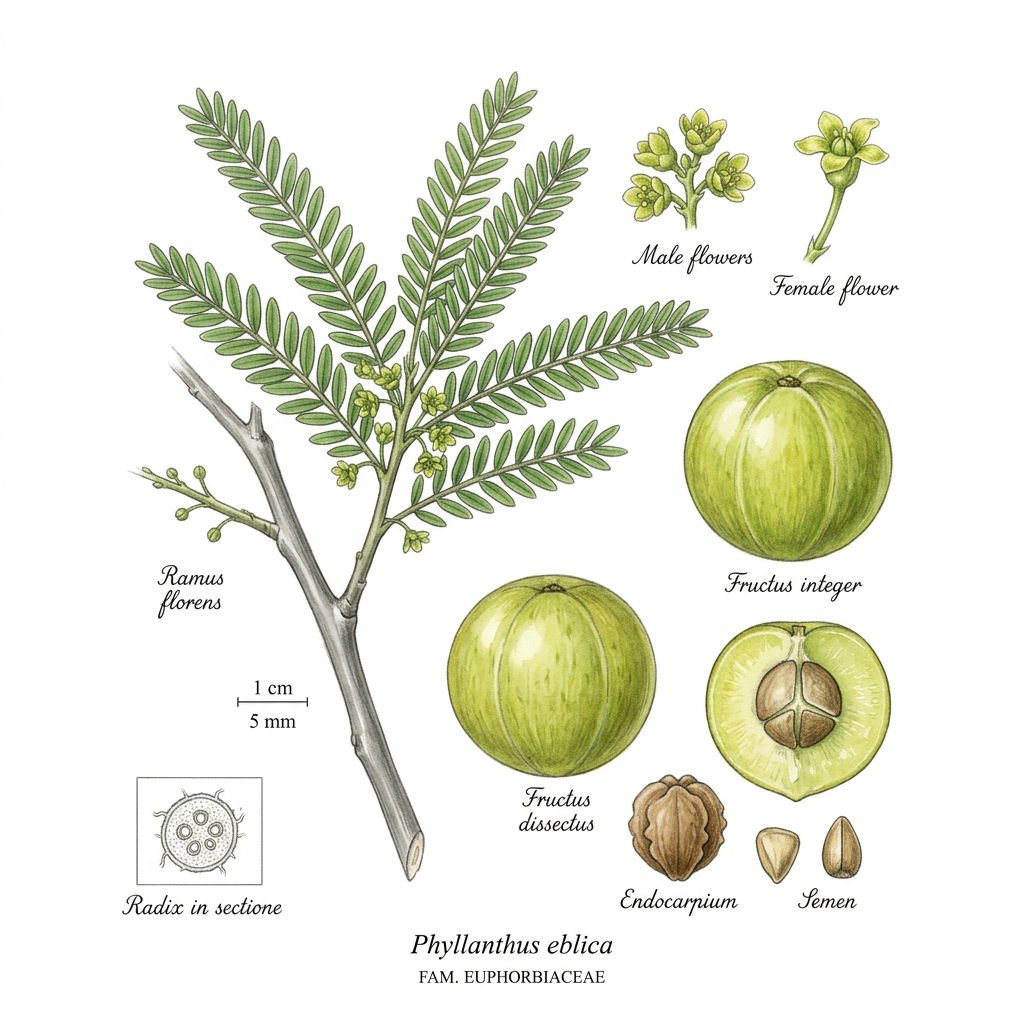
Indian Gooseberry - Amla

Indian Gooseberry - Amla

Phyllanthus emblica

low risk Risk
Phyllanthaceae
cooling bitter
<p>Phyllanthus eblica, commonly known in various cultures as the Indian Gooseberry or Amla, is a revered herb used in traditional Ayurvedic medicine for centuries. This remarkable plant, native to the Indian subcontinent, is celebrated not only for its nutritional properties but also for its extensive therapeutic applications. The fruit of Phyllanthus eblica is traditionally consumed in various forms, from fresh fruit to chutneys, pickles, and herbal preparations, showcasing its cultural significance. Its historical use encompasses a broad spectrum of health benefits, where it has been employed as a rejuvenating tonic, enhancing vitality and longevity, and as a remedy for a variety of ailments, including digestive issues and infections. The therapeutic properties of Phyllanthus eblica are vast and well-documented. Rich in antioxidants, particularly vitamin C and various polyphenolic compounds, it exhibits potent anti-viral and anti-inflammatory actions. This herb has gained recognition as an effective digestive aid, supporting liver health through its hepatoprotective effects. It has been shown to inhibit the nuclear factor kappa B (NFkB) pathway, thereby reducing the production of pro-inflammatory cytokines such as tumor necrosis factor-alpha (TNF-α). By mitigating oxidative stress and modulating inflammatory responses, Phyllanthus eblica demonstrates its capacity to promote overall wellness, improve metabolic functions, and bolster the immune system. The mechanisms through which Phyllanthus eblica exerts its beneficial effects involve complex interactions at the cellular level. Its bioactive constituents help to regulate enzyme activity and support the liver's detoxifying functions, thereby enhancing the body’s ability to eliminate toxins. Additionally, its antiviral properties are attributed to its ability to inhibit viral replication, making it a valuable ally in the prevention and management of various viral infections. Through these multifaceted actions, Phyllanthus eblica serves not only as a powerful therapeutic agent but also as a symbol of health and vitality in traditional herbal practices. By integrating this herb into contemporary wellness regimens, individuals can harness its age-old benefits to support their health in a holistic manner.</p>

Uses & Conditions

Immune Support
Digestive Aid
Liver Support
Nutritional Support
Vitality Enhancement
Longevity Promotion
Cellular Detoxification
Chronic Disease Prevention
Rejuvenating Tonic
Viral Infection
Non-Alcoholic Fatty Liver Disease
Male Pattern Baldness
Pancreatitis
Hypercholesterolaemia

Actions

Anti-viral
Hepatoprotective
Antioxidant
Anti-inflammatory
NFkB Inhibitor
TNF-a Inhibitor
Mild Laxative

Parts Used

Fruit
Seeds
Leaves
Bark

Native Countries

India
Bangladesh
Sri Lanka
Nepal
Myanmar

USDA Hardiness Zones

10
11

Contraindications

  • Pregnancy and breastfeeding due to insufficient clinical evidence
  • Surgery: discontinue at least two weeks prior due to potential antiplatelet activity
  • Severe diarrhoea
  • Known hypersensitivity to the Phyllanthaceae family

Potential Side Effects

  • Mild gastrointestinal discomfort
  • Increased bowel movements
  • Contact dermatitis when applied topically

Interactions

  • Anticoagulants and antiplatelet agents: theoretical risk of increased bleeding
  • Hypoglycaemic agents: may potentiate blood-glucose-lowering effects
  • Hepatotoxic drugs: potential for altered metabolism of medications

Dosages, tincture ratios & research — members only

Unlock Garreth's dosing guidance, tincture ratios, the dosage calculator and the research studies for Indian Gooseberry - Amla.

Your assessment and results stay saved — upgrading only unlocks more of them.

See membership plans

Community Photos

No community photos yet. Sign in to upload photos.

Reviews & Ratings

Sign in to leave a review.

No reviews yet. Be the first!

GF

Garreth Falls — B.Th., Dip. H.M., MNIMH

Content curated and reviewed by Garreth Falls, Consultant Medical Herbalist · The Wild Sage

Medical Disclaimer: This information is for educational purposes only and is not intended as medical advice. Always consult with qualified healthcare professionals before starting any herbal treatment.
Ayurvedic tradition

Sustainability & quality

Abundant

Widely cultivated in India; ensure high-quality harvesting and drying methods are applied to maintain potency.

Key constituents

Hydrolysable tannins (Emblicanin A and B), Ascorbic acid (Vitamin C), Ellagic acid, Gallic acid, Flavonoids, Pectin, Phyllemblin, Phenolic compounds

References

  1. Bensky "Chinese Herbal Medicine: Materia Medica" 3rd ed. 2004
  2. Pole "Ayurvedic Medicine" 2006
  3. Herbal Reality. Herb monographs. herbalreality.com

Reviewed by Garreth, Medical Herbalist (MNIMH) · November 2026

Related conditions

Explore conditions where Indian Gooseberry - Amla is traditionally used.

Related Herbs
Amla

Amla

Phyllanthus emblica

Digestive Aid
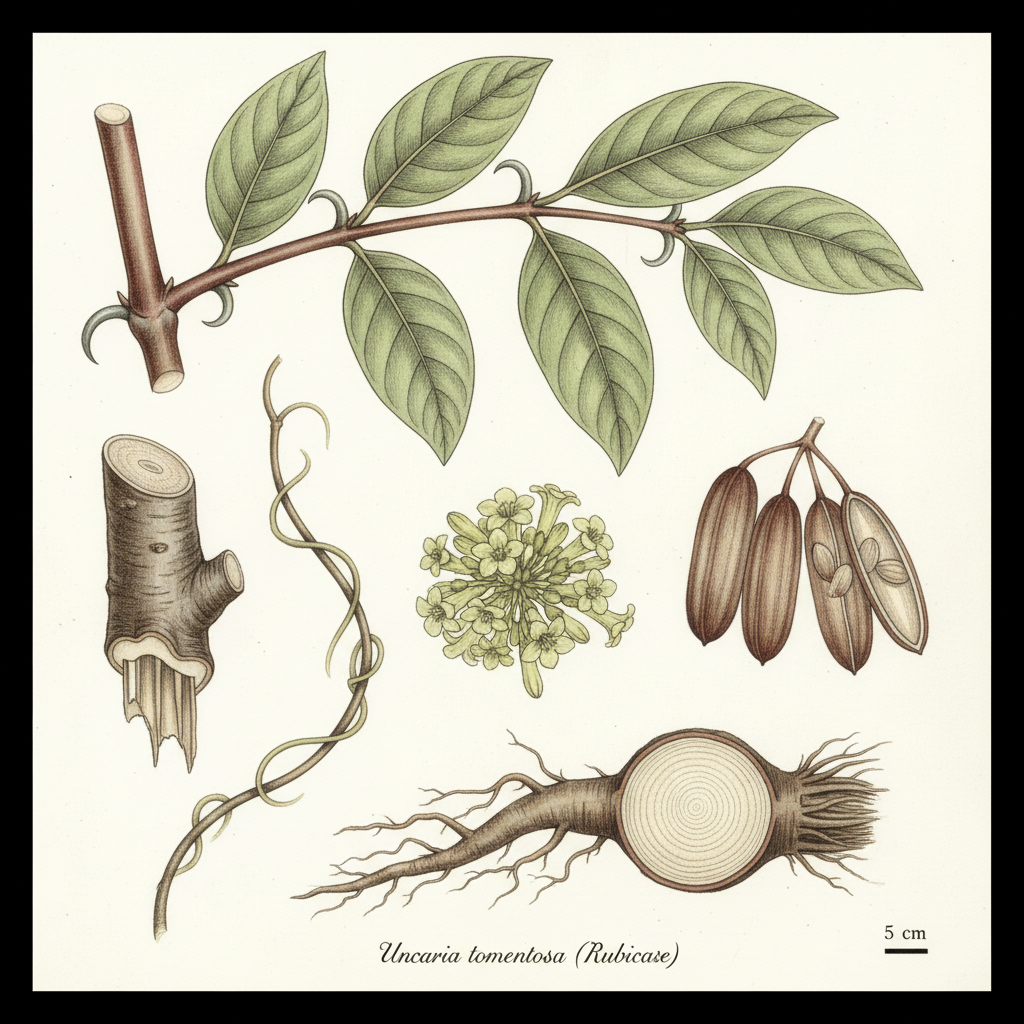
Cat's Claw

Cat's Claw

Uncaria tomentosa

Immune Support
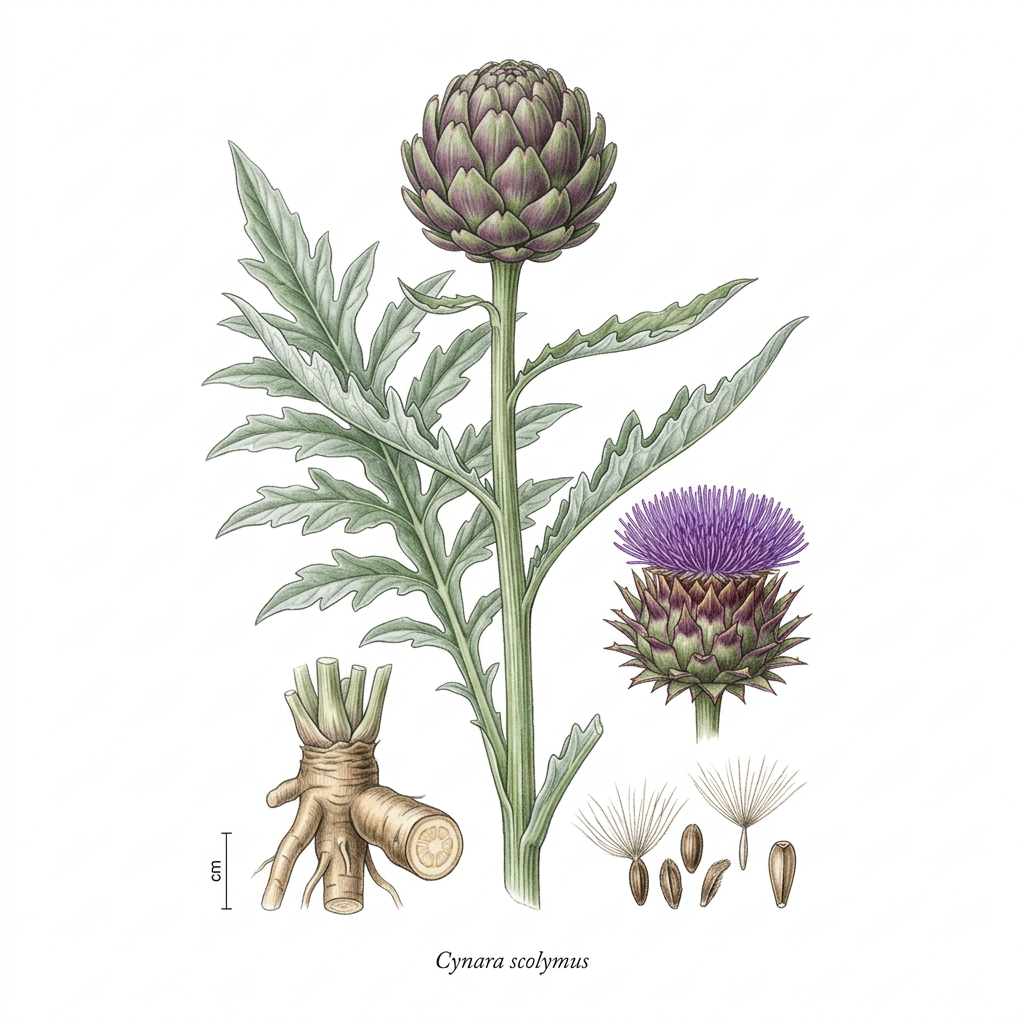
Globe artichoke

Globe artichoke

Cynara scolymus

Liver Support
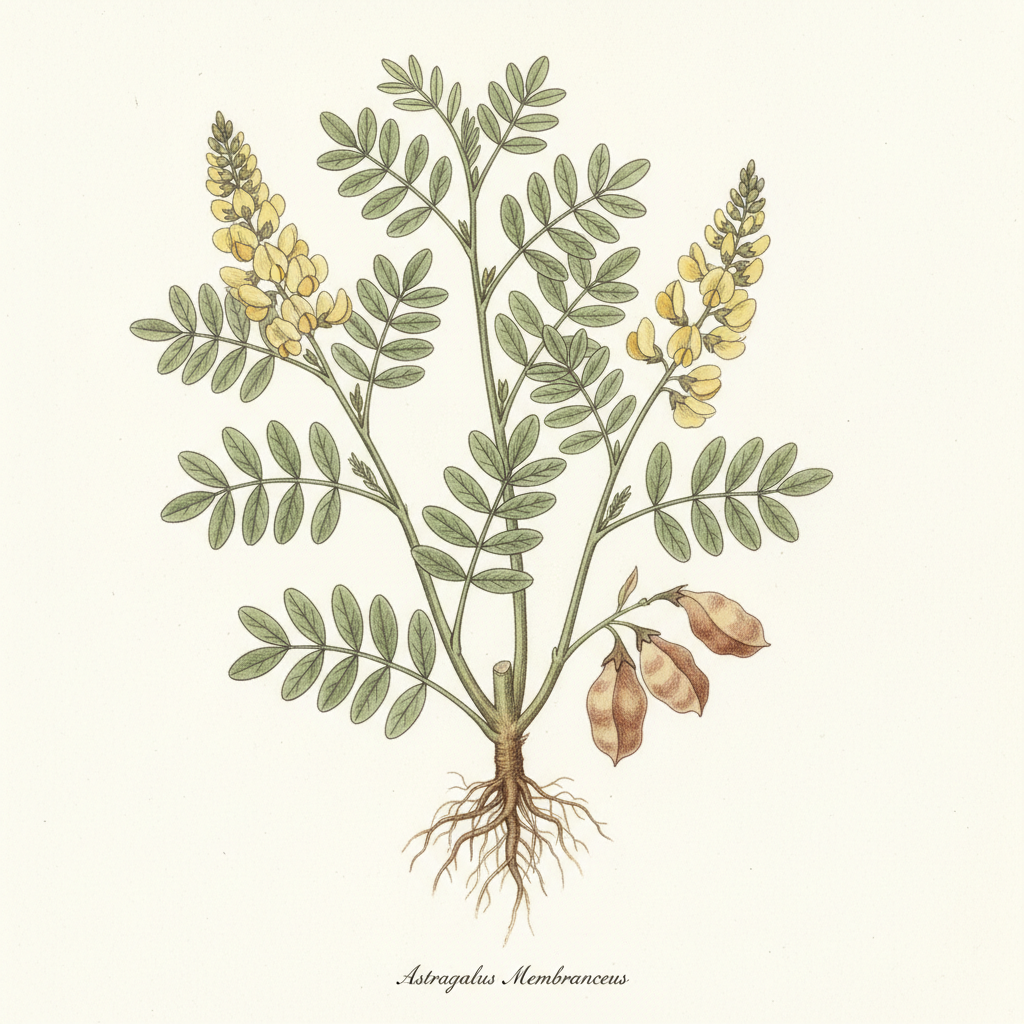
Huang qi

Huang qi

Astragalus membranaceus

Immune Support