The Wild Sage logo
The Wild Sage Logo

Herbal Medicine at your fingertips

Comprehensive database of herbal remedies with detailed safety information and traditional uses

New to herbal terms? Read the glossary →
ADHD
Abcess
Acid Reflux Relief
Acinetobacter
Acne
Acne Vulgaris
Addisons
Adenomyosis
Adenovirus
Adrenal fatigue
Aging
Aids
Alcaligenes faecalis
Alcoholism
Allergic Rhinitis
Allergies
Allergy
Alopoecia
Alopoecia nervosa
Alzheimer's, Dementia & Cognitive Decline
420 herbs found
Important: This information is for educational purposes only. Always consult with qualified healthcare professionals before using herbal remedies, especially if you have existing health conditions or take medications.
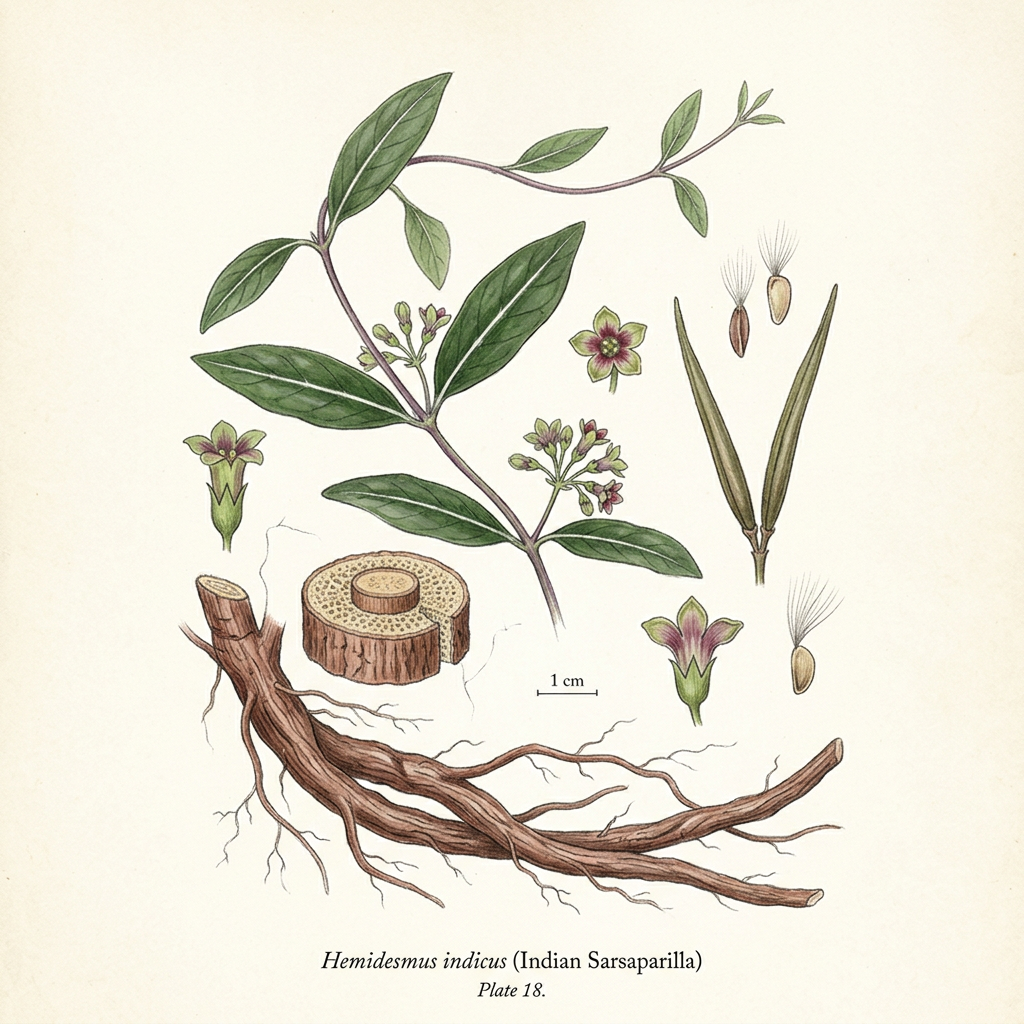
Indian sarsparilla

Indian sarsparilla

Hemidesmus

low risk Risk
Apocynaceae
cool, moist, astringent
<p>Indian sarsaparilla, known scientifically as *Hemidesmus indicus*, is a perennial climbing herb native to the subcontinent of India and parts of Southeast Asia. This remarkable plant has been integral to traditional Ayurvedic medicine for centuries, where it is revered for its multifaceted therapeutic properties. Known locally as "Anantmool," it is often employed in traditional formulations aimed at purifying the blood, alleviating skin disorders, and increasing overall vitality. The root of Indian sarsaparilla is particularly prized for its nuanced flavor, making it a popular ingredient in herbal teas and tonics, as well as in various traditional remedies to address a wide array of health concerns. From a therapeutic perspective, Indian sarsaparilla exhibits a diverse range of health benefits due to its rich composition of phytochemicals. Notable actions include its astringent properties, which can promote tissue tightening and support skin health by aiding in the management of conditions such as acne and eczema. Furthermore, it acts as a natural detoxifier, encouraging the elimination of toxins from the body and thus contributing to improved metabolic function. Indian sarsaparilla has also been recognized for its immune-supporting qualities, attributed to its antioxidant capacity, which helps combat oxidative stress and enhances the body’s resilience against infections. Additionally, it may support digestive health, enabling better nutrient absorption and promoting regularity. The mechanisms by which Indian sarsaparilla operates in the body involve several pathways. Its active compounds, including saponins and tannins, contribute to its astringent and anti-inflammatory effects. These compounds interact with cellular receptors to modulate immune responses and promote detoxification processes in the liver. Moreover, the herb's antioxidant constituents help neutralize free radicals, thereby reducing inflammation and supporting skin integrity. Through these actions, Indian sarsaparilla not only fortifies the body's defenses but also nourishes and revitalizes, continuing to embody the essence of traditional healing wisdom while resonating with modern herbal practices.</p>

Uses & Conditions

Detoxification
Digestion Support
Improved Mobility
Skin Hydration
Nutrient Absorption
Regularity
Oxidative Stress
Osteoarthritis
Eczema
Psoriasis
Joint Pain
Immune Deficiency
Poor Appetite
Allergy
Haemorrhoids

Actions

Anti-microbial
Astringent
Anti-inflammatory
Hepatoprotective
Immunostimulant

Parts Used

Roots

Native Countries

India

USDA Hardiness Zones

USDA 10-11

Contraindications

  • Pregnancy: avoid due to lack of safety data regarding uterine effects
  • Breastfeeding: avoid due to insufficient evidence of safety for infants
  • Autoimmune conditions: use with caution as the herb may stimulate immune activity
  • Oestrogen-sensitive conditions: monitor usage due to potential weak hormonal modulation

Potential Side Effects

  • Mild gastrointestinal upset or nausea if taken on an empty stomach
  • Potential for minor allergic skin reactions in sensitive individuals
  • Uncommon reports of excessive cooling sensation in the extremities

Interactions

  • Diuretics: potential additive effects may increase urinary output
  • Hypoglycaemic agents: may theoretically potentiate blood glucose-lowering effects
  • Immunosuppressants: potential to interfere with pharmacological suppression of the immune system

Dosages, tincture ratios & research — members only

Unlock Garreth's dosing guidance, tincture ratios, the dosage calculator and the research studies for Indian sarsparilla.

Your assessment and results stay saved — upgrading only unlocks more of them.

See membership plans

Community Photos

No community photos yet. Sign in to upload photos.

Reviews & Ratings

Sign in to leave a review.

No reviews yet. Be the first!

GF

Garreth Falls — B.Th., Dip. H.M., MNIMH

Content curated and reviewed by Garreth Falls, Consultant Medical Herbalist · The Wild Sage

Medical Disclaimer: This information is for educational purposes only and is not intended as medical advice. Always consult with qualified healthcare professionals before starting any herbal treatment.
Ayurvedic tradition

Sustainability & quality

At risk

Demand for this plant is high in herbal trade, and wild populations are declining. Choose only certified cultivated or sustainably sourced material.

Key constituents

2-hydroxy-4-methoxybenzaldehyde, Triterpenoids (amyrins and lupeol), Coumarins, Steroidal saponins, Phenolic acids, Flavonoid glycosides, Essential oils

References

  1. Pole "Ayurvedic Medicine" 2006
  2. Herbal Reality. Herb monographs. herbalreality.com

Reviewed by Garreth, Medical Herbalist (MNIMH) · November 2026

Related conditions

Explore conditions where Indian sarsparilla is traditionally used.

Related Herbs
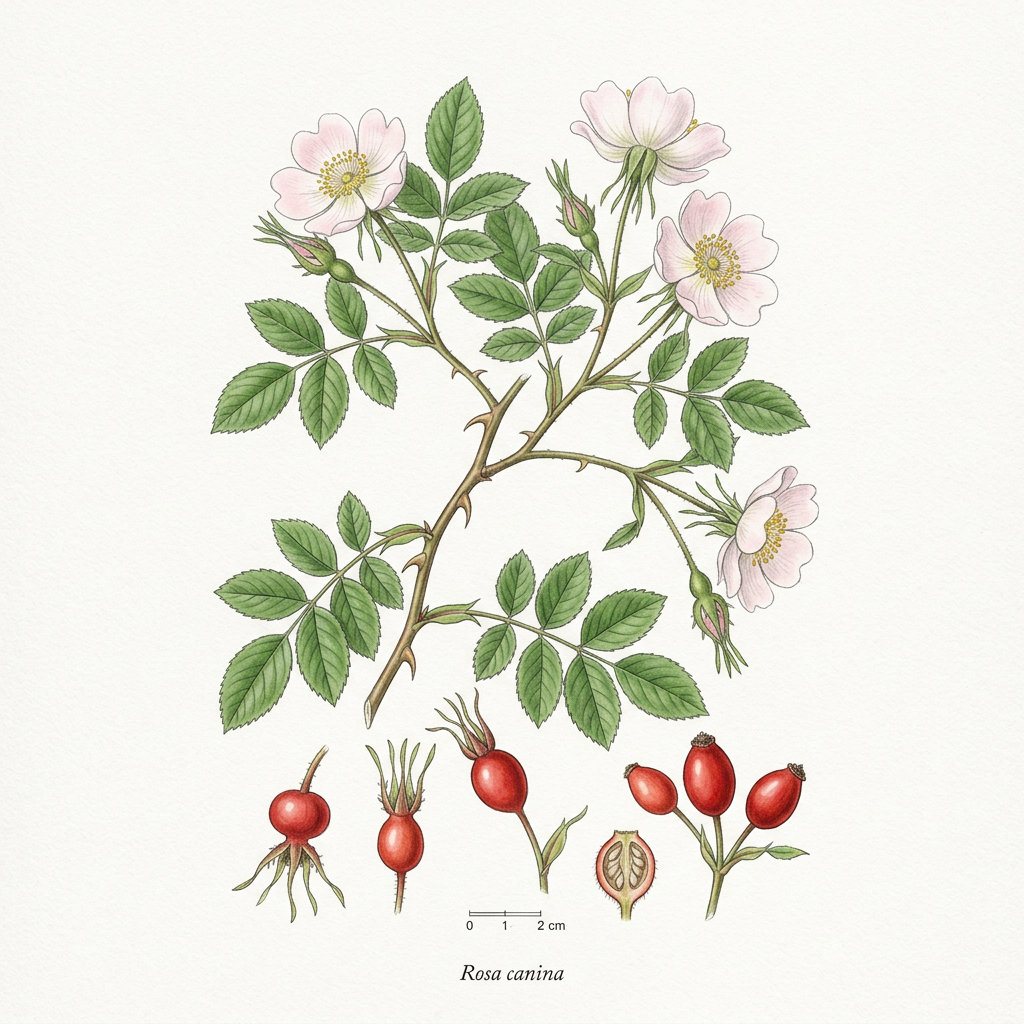
Dog rose

Dog rose

Rosa canina

Immune Support
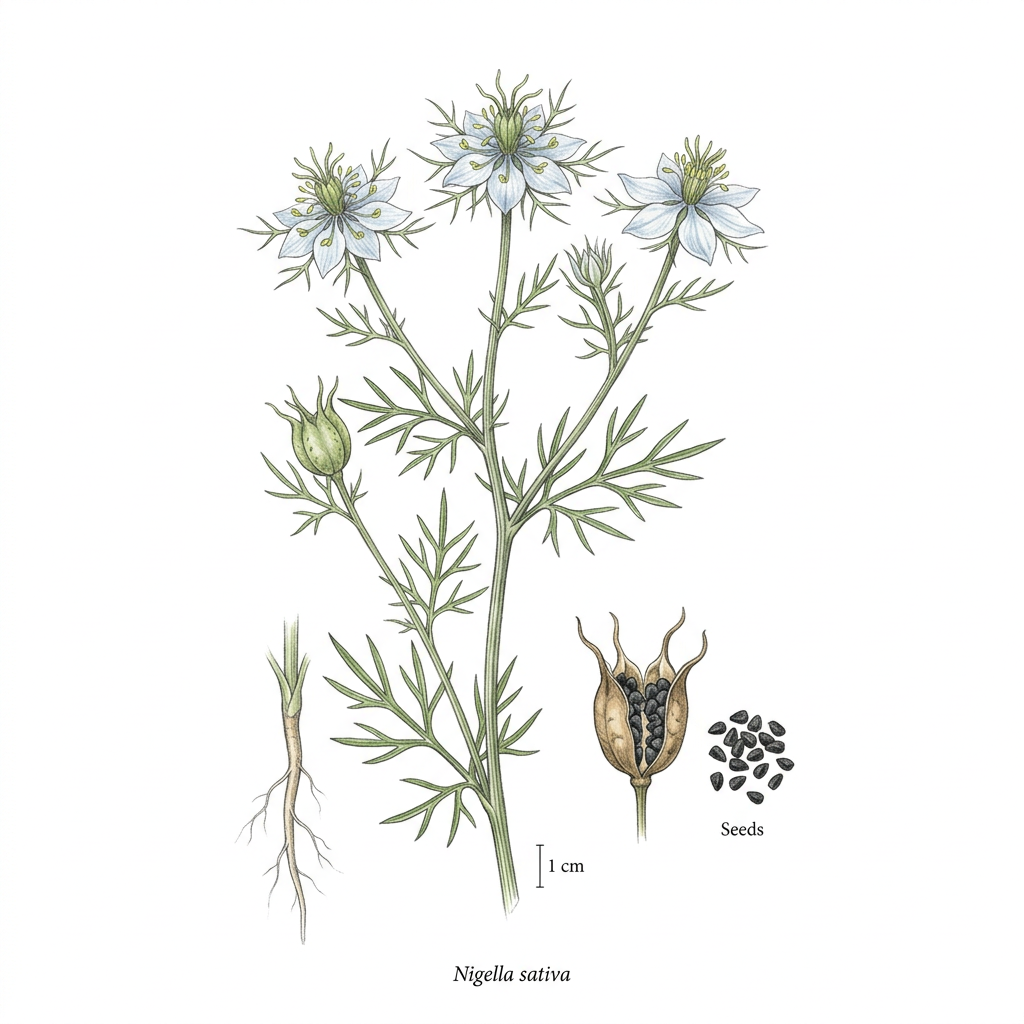
Black Cumin Seed

Black Cumin Seed

Nigella sativa

Antioxidant Support
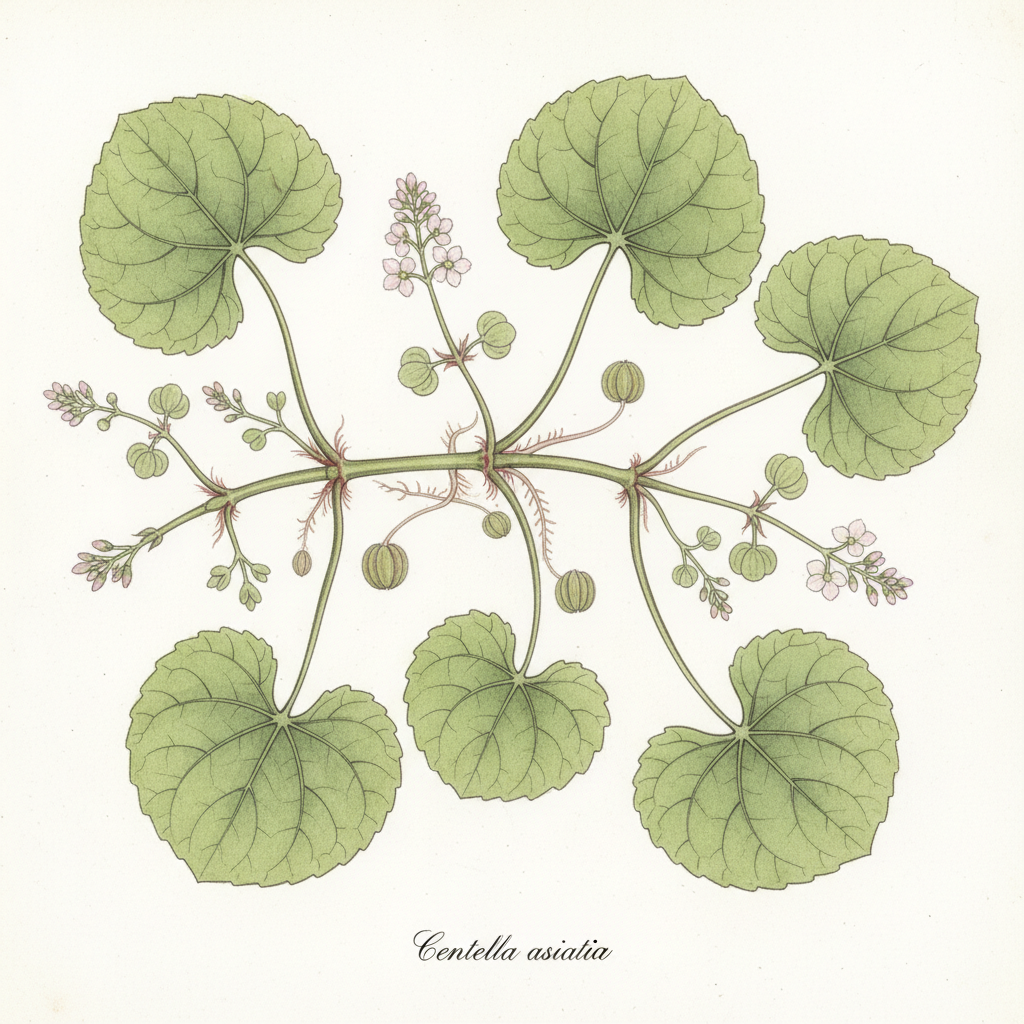
Gotu Kola

Gotu Kola

Centella asiatica

Cognitive Support
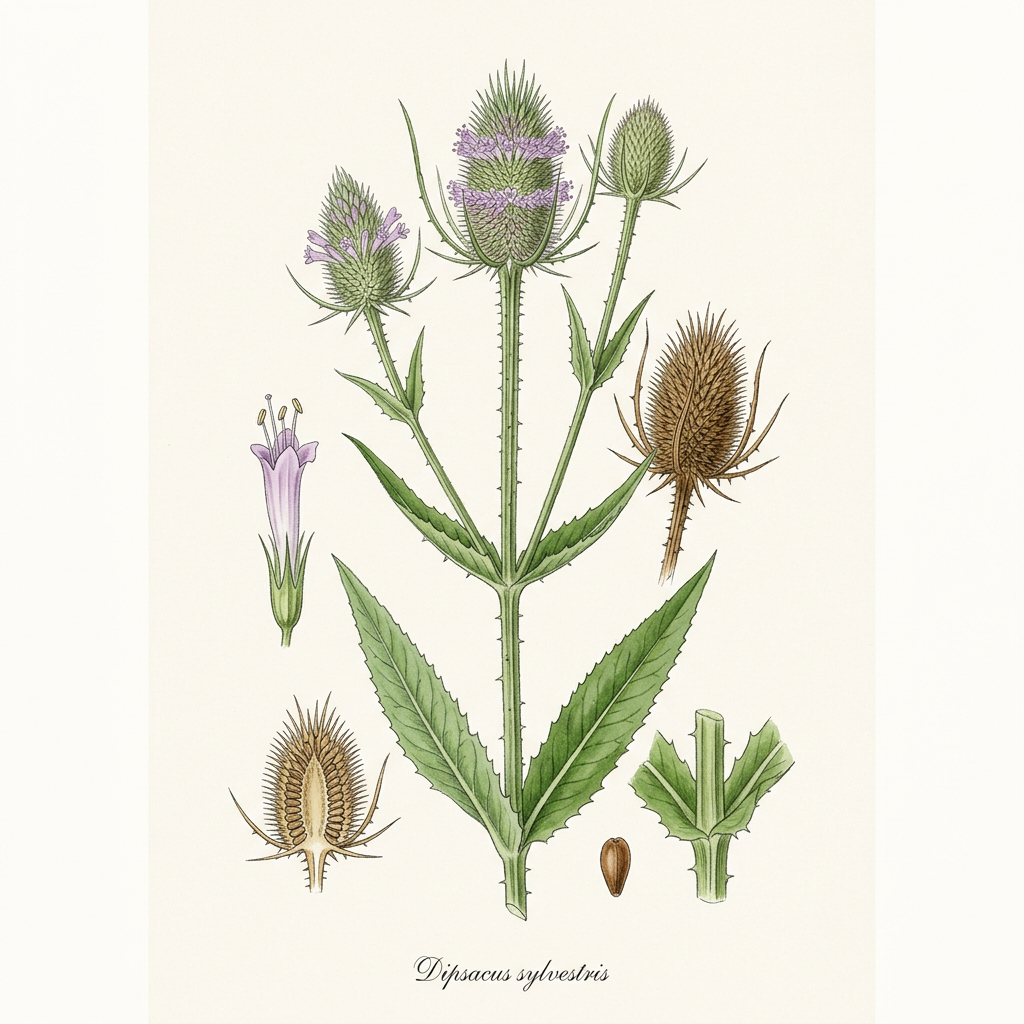
Teasel

Teasel

Dipsacus fullonum

Bone Building