The Wild Sage logo
The Wild Sage Logo

Herbal Medicine at your fingertips

Comprehensive database of herbal remedies with detailed safety information and traditional uses

New to herbal terms? Read the glossary →
ADHD
Abcess
Acid Reflux Relief
Acinetobacter
Acne
Acne Vulgaris
Addisons
Adenomyosis
Adenovirus
Adrenal fatigue
Aging
Aids
Alcaligenes faecalis
Alcoholism
Allergic Rhinitis
Allergies
Allergy
Alopoecia
Alopoecia nervosa
Alzheimer's, Dementia & Cognitive Decline
420 herbs found
Important: This information is for educational purposes only. Always consult with qualified healthcare professionals before using herbal remedies, especially if you have existing health conditions or take medications.
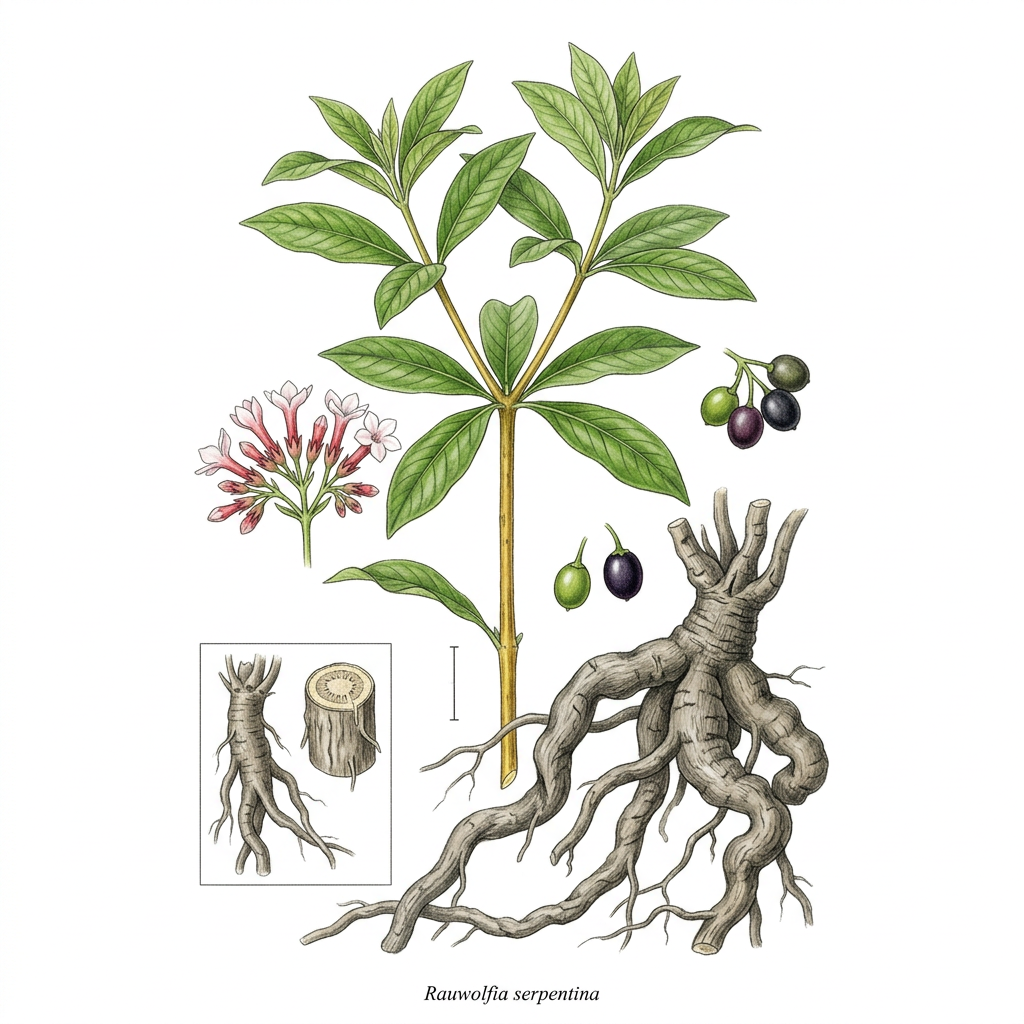
Indian Snakeroot

Indian Snakeroot

Rauwolfia serpentina

moderate risk Risk
Apocynaceae
bitter, cooling and moistening
<p>Rauwolfia serpentina, commonly known as Indian Snakeroot, is a perennial herbaceous plant belonging to the Apocynaceae family. Native to the tropical and subtropical regions of India and Southeast Asia, this herb has a rich historical footprint in traditional Ayurvedic medicine, where it has been esteemed for centuries for its multifaceted therapeutic applications. Indigenous healers and practitioners have utilized Rauwolfia serpentina for its calming effects, primarily to support mental health and manage various nervous conditions. The herb's profound association with traditional healing underscores its significance in cultural practices, earned through generations of experiential knowledge. The therapeutic properties of Rauwolfia serpentina are both remarkable and diverse. It is particularly noted for its anti-hypertensive action, making it an invaluable ally in the management of high blood pressure, while also promoting cardiovascular health. Additionally, the herb's neuroprotective and sedative qualities render it effective for alleviating anxiety, reducing stress, and enhancing overall mental well-being. The primary active alkaloid, reserpine, is believed to play a pivotal role in these effects, as it facilitates the depletion of catecholamines—neurotransmitters associated with stress responses—thereby promoting a sense of calm and mental clarity. Mechanistically, Rauwolfia serpentina operates primarily through its impact on the central nervous system and cardiovascular system. Reserpine’s action inhibits the uptake of neurotransmitters such as norepinephrine in the brain, which lowers blood pressure and creates a sedative effect. Furthermore, the herb influences serotonin levels, contributing to its anxiolytic properties. By modulating the balance of neurochemicals in the body, Rauwolfia serpentina fosters a harmonious environment, lending both physical and psychological solace. The integrative benefits of this venerable herb exemplify its enduring value in contemporary herbalism and holistic health practices, serving as a bridge between ancient wisdom and modern therapeutic application.</p>

Uses & Conditions

Mental clarity
Calming effects
Cardiovascular health
Sleep quality
Hypertension
Depression
Anxiety
Insomnia
Headaches
Dementia
Bipolar disorder
Epilepsy
Nervousness
Stress
Fatigue
Parkinsons
Bacillus

Actions

Anti-hypertensive
Neuroprotective
Sedative
Anti-depressant

Parts Used

Roots

Native Countries

India

USDA Hardiness Zones

10
11

Contraindications

  • Depression history
  • Parkinsonism
  • Convulsion history

Potential Side Effects

  • Nasal congestion
  • Lethargy
  • Sedation
  • Psychiatric depression
  • Hypotension
  • Nausea
  • Vomiting
  • Abdominal cramping
  • Gastric ulceration
  • Nightmares
  • Bradycardia
  • Angina-like symptoms
  • Bronchospasm
  • Skin rash
  • Itching
  • Galactorrhea
  • Breast enlargement
  • Sexual dysfunction

Interactions

  • Antihypertensive medications: may cause additive effects leading to hypotension
  • Monoamine oxidase inhibitors: potential for severe hypertensive crisis or altered central nervous system effects
  • Central nervous system depressants: may increase sedation or dizziness
  • Levodopa: may antagonise the therapeutic effects used for Parkinsonian symptoms
  • Digoxin: potential for additive bradycardia or cardiac rhythm alterations

Dosages, tincture ratios & research — members only

Unlock Garreth's dosing guidance, tincture ratios, the dosage calculator and the research studies for Indian Snakeroot.

Your assessment and results stay saved — upgrading only unlocks more of them.

See membership plans

Community Photos

No community photos yet. Sign in to upload photos.

Reviews & Ratings

Sign in to leave a review.

No reviews yet. Be the first!

GF

Garreth Falls — B.Th., Dip. H.M., MNIMH

Content curated and reviewed by Garreth Falls, Consultant Medical Herbalist · The Wild Sage

Medical Disclaimer: This information is for educational purposes only and is not intended as medical advice. Always consult with qualified healthcare professionals before starting any herbal treatment.
Ayurvedic tradition

Sustainability & quality

At risk

CITES II listed; ensure all material is legally sourced from certified sustainable plantations.

Key constituents

Reserpine, Ajmaline, Serpentine, Rescinnamine, Yohimbine, Ajmalicine, Deserpidine

References

  1. Bensky "Chinese Herbal Medicine: Materia Medica" 3rd ed. 2004
  2. Pole "Ayurvedic Medicine" 2006
  3. Bone & Mills "Principles and Practice of Phytotherapy" 2nd ed. 2013
  4. Herbal Reality. Herb monographs. herbalreality.com

Reviewed by Garreth, Medical Herbalist (MNIMH) · November 2026

Related conditions

Explore conditions where Indian Snakeroot is traditionally used.

Related Herbs
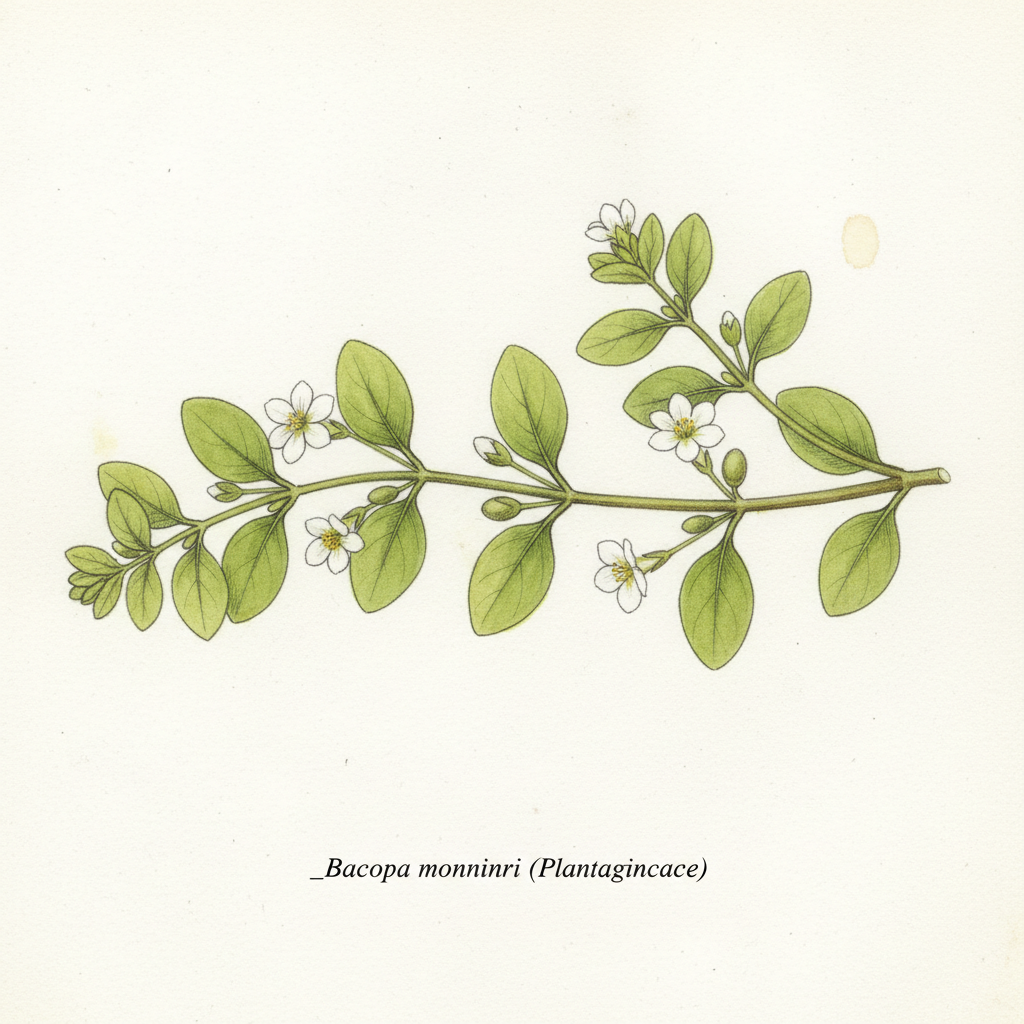
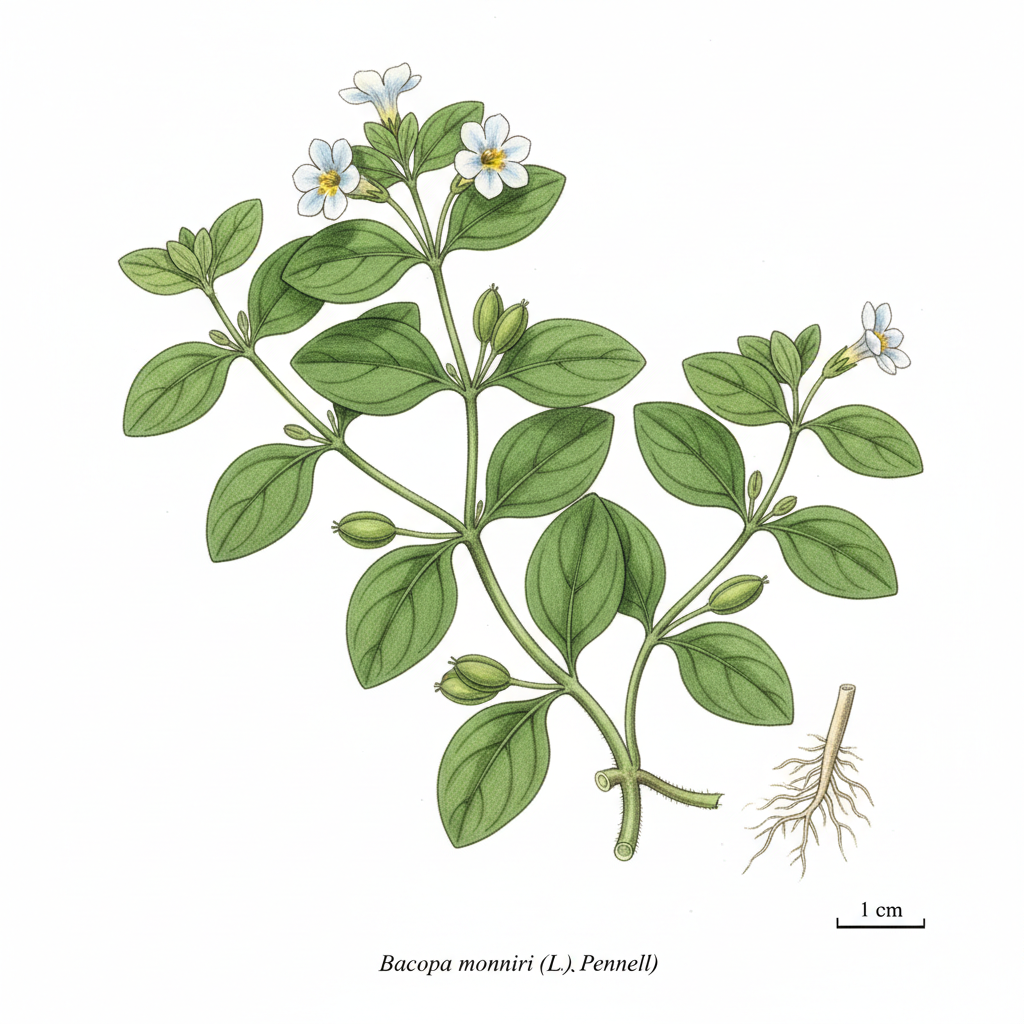
Water hyssop

Water hyssop

Bacopa monnieri

Memory Enhancement
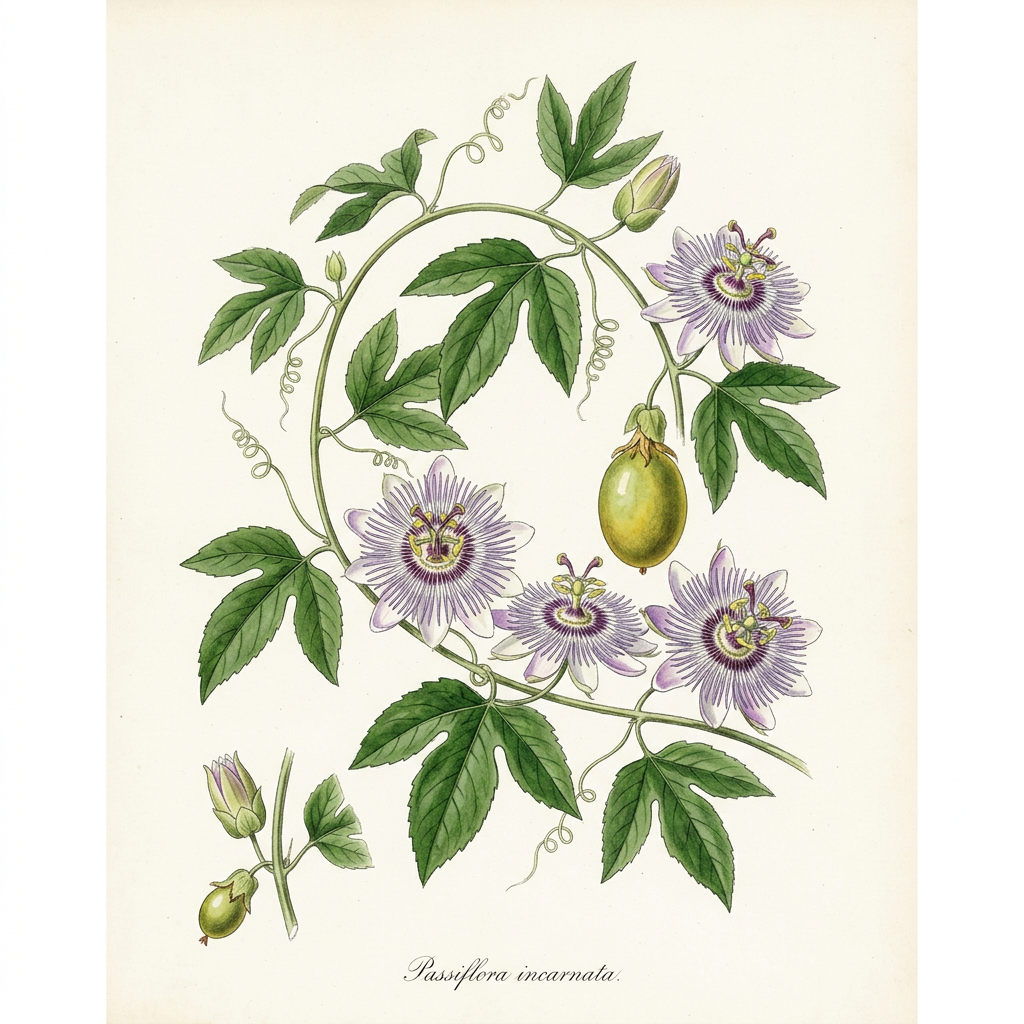
Passionflower

Passionflower

Passiflora incarnata

Calming Effects
Brahmi

Brahmi

Bacopa monnieri

Cognitive Function
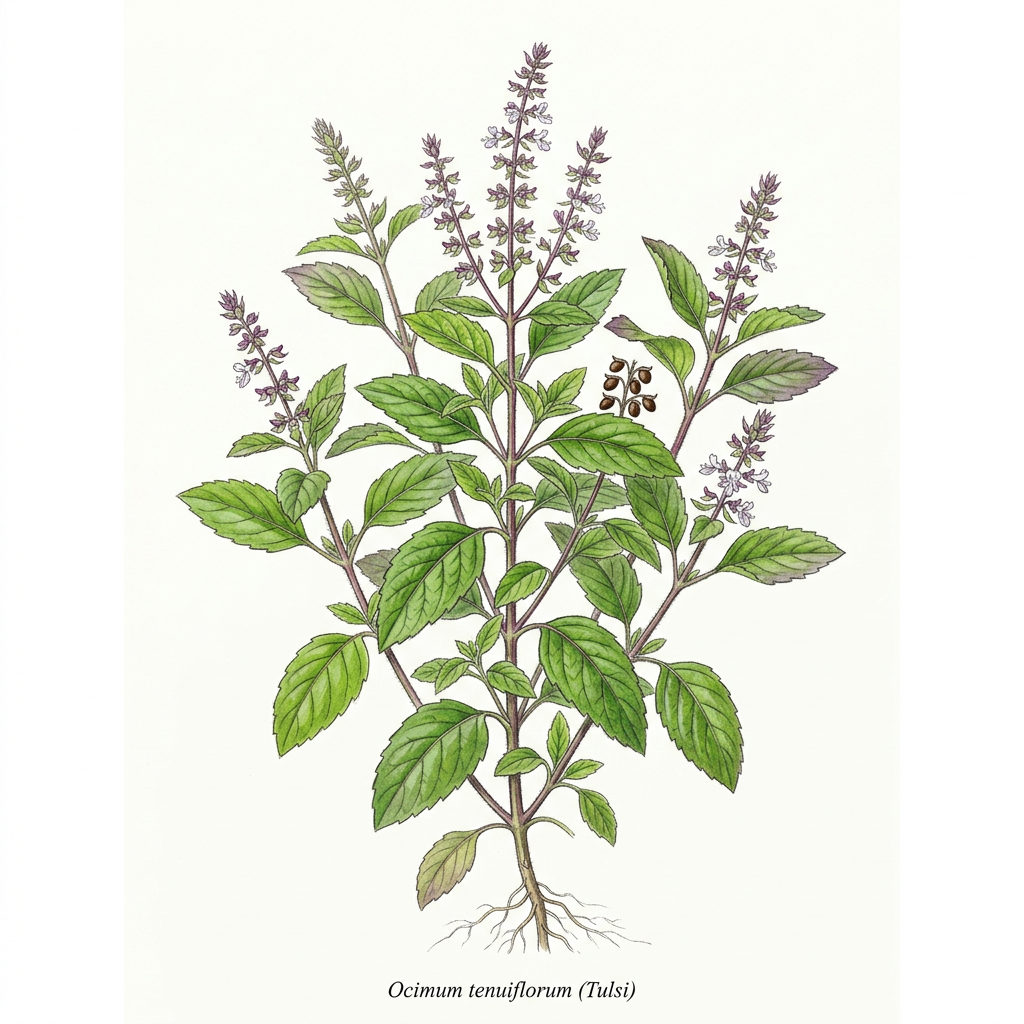
Holy Basil (Tulsi)

Holy Basil (Tulsi)

Ocimum tenuiflorum

Adaptogen