The Wild Sage logo
The Wild Sage Logo

Herbal Medicine at your fingertips

Comprehensive database of herbal remedies with detailed safety information and traditional uses

New to herbal terms? Read the glossary →
ADHD
Abcess
Acid Reflux Relief
Acinetobacter
Acne
Acne Vulgaris
Addisons
Adenomyosis
Adenovirus
Adrenal fatigue
Aging
Aids
Alcaligenes faecalis
Alcoholism
Allergic Rhinitis
Allergies
Allergy
Alopoecia
Alopoecia nervosa
Alzheimer's, Dementia & Cognitive Decline
420 herbs found
Important: This information is for educational purposes only. Always consult with qualified healthcare professionals before using herbal remedies, especially if you have existing health conditions or take medications.
Indian tobacco

Indian tobacco

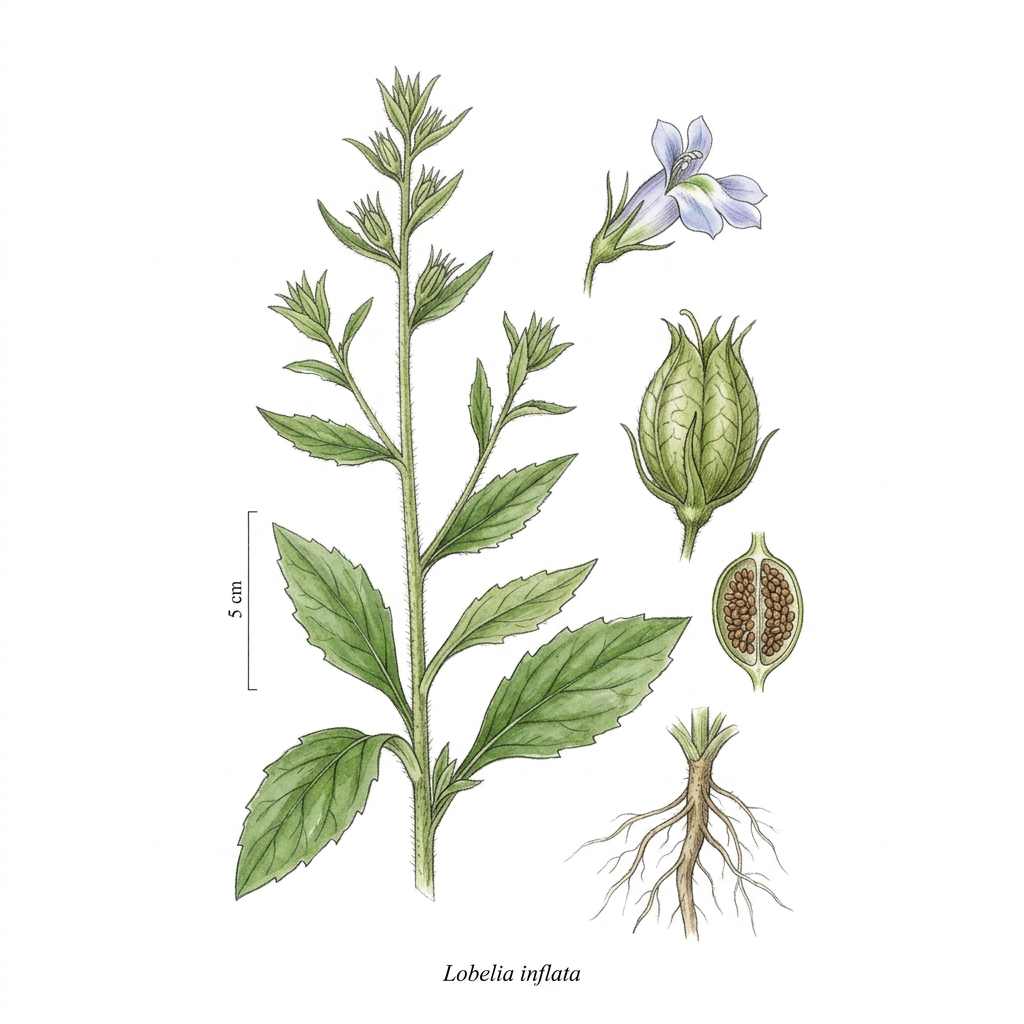
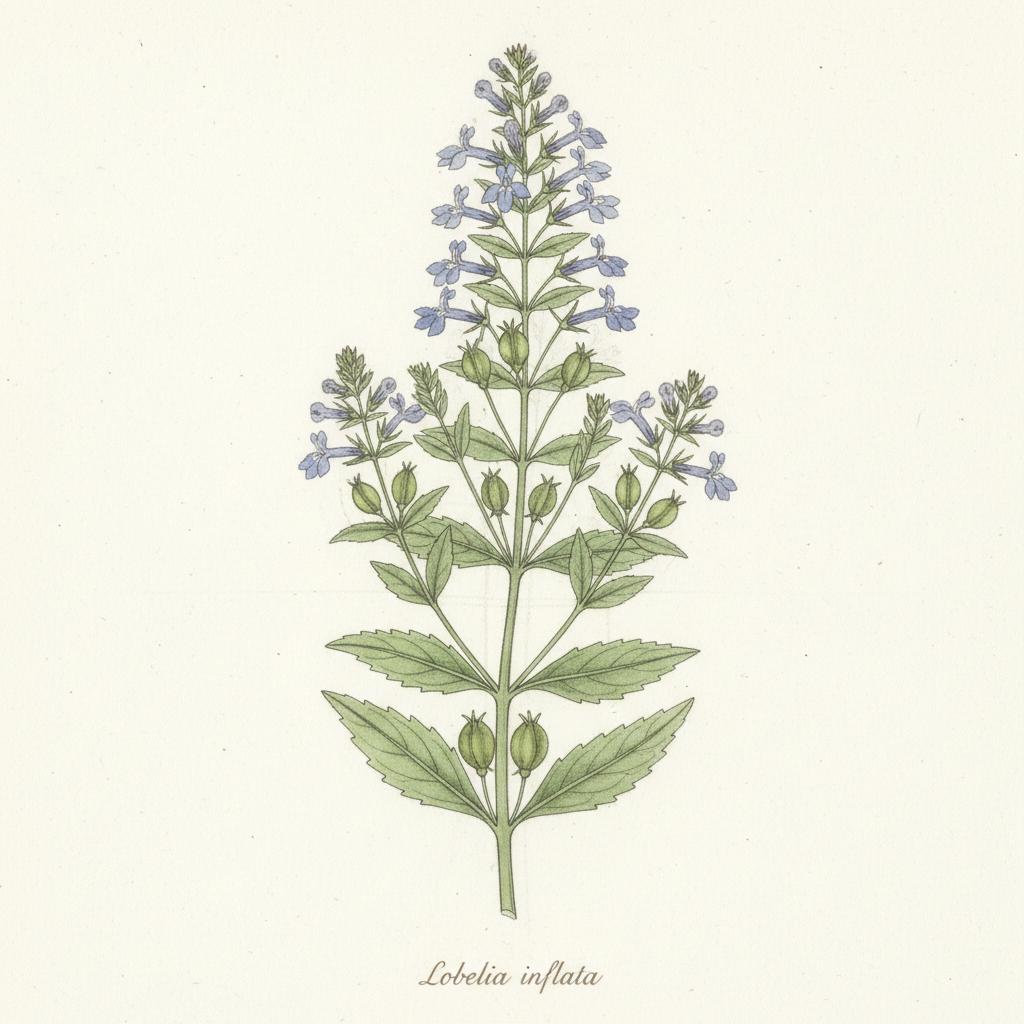
Lobelia inflata

low risk Risk
Campanulaceae
bitter pungent and sweet
<p>Indian Tobacco, scientifically recognized as *Lobelia inflata*, has a rich history in traditional herbal medicine, particularly among Native American tribes, who have utilized the herb for its various therapeutic properties for centuries. Known for its distinctive blue flowers and iridescent seeds, Indian Tobacco has been employed as a respiratory aid, reflecting its historical use in treating ailments such as asthma and bronchitis. Beyond respiratory conditions, it has also been utilized for its potential in managing convulsive disorders, nausea, and other health issues, often consumed as an infusion, tincture, or powder. This remarkable herb exhibits a diverse range of therapeutic properties, making it particularly valuable in herbal medicine. Key actions attributed to Indian Tobacco include its anti-convulsant, expectorant, and spasmolytic effects, which contribute to its efficacy in alleviating symptoms of respiratory distress and seizure disorders. Clinical studies have indicated that Indian Tobacco can enhance respiratory function as measured by the peak expiratory flow rate (PEFR) in asthmatic patients, and it may effectively reduce seizure frequency under controlled conditions. Furthermore, its ability to act as a bitter and respiratory stimulant supports digestive health and aids in bronchial relaxation, promoting easier breathing. The therapeutic mechanisms of Indian Tobacco can be attributed to its active compounds, primarily lobeline, which interacts with the nervous system and respiratory pathways. Lobeline appears to exert a central nervous system sedative effect while simultaneously stimulating respiratory function by acting on neurotransmitter systems responsible for airway regulation. This dual action makes Indian Tobacco a unique intervention in treating conditions characterized by bronchoconstriction or excessive nervous excitability. However, caution is warranted due to potential side effects associated with high doses, including the risk of seizures and cardiovascular distress, particularly in individuals with pre-existing heart conditions or during pregnancy. Thus, while Indian Tobacco offers notable therapeutic benefits, it should be utilized judiciously under professional guidance to ensure safety and effectiveness.</p>

Uses & Conditions

Nicotine Withdrawal
Asthma
Bronchial Spasm
Convulsions
Croup
Diphtheria
Epilepsy
Muscle Spasms
Nausea
Nervous Tension
Respiratory Disorders
Shortness of Breath
Stress
Tetanus
Urinary Incontinence
Whiplash

Actions

Anti-asthmatic
Anti-convulsant
Bitter
CNS Sedative
Expectorant
Respiratory Stimulant
Spasmolytic

Parts Used

Dried aerial parts (stems
leaves
and seed pods)
Seeds

Native Countries

United States
Canada
Mexico
Central America
South America

USDA Hardiness Zones

3
4
5
6
7

Contraindications

  • Pregnancy
  • Heart disease
  • Hyper- and hypotension
  • High doses are toxic
  • Excessive doses may cause death
  • Requires caution due to potential for respiratory depression

Potential Side Effects

  • Nausea
  • Profuse vomiting (emetic effect)
  • Dizziness
  • Lightheadedness
  • Tremors
  • Sweating
  • Tachycardia
  • Respiratory depression

Interactions

  • Nicotine products: Lobeline may have additive effects increasing toxicity risk
  • Antidepressants (SSRIs/MAOIs): Potential for increased central nervous system stimulation
  • Antihypertensive medication: May cause unpredictable blood pressure fluctuations
  • CNS depressants: Increased risk of respiratory depression
  • Diclofenac: Lobelia may decrease its effect
  • General: Can increase bioavailability of many drugs

Dosages, tincture ratios & research — members only

Unlock Garreth's dosing guidance, tincture ratios, the dosage calculator and the research studies for Indian tobacco.

Your assessment and results stay saved — upgrading only unlocks more of them.

See membership plans

Community Photos

No community photos yet. Sign in to upload photos.

Reviews & Ratings

Sign in to leave a review.

No reviews yet. Be the first!

GF

Garreth Falls — B.Th., Dip. H.M., MNIMH

Content curated and reviewed by Garreth Falls, Consultant Medical Herbalist · The Wild Sage

Medical Disclaimer: This information is for educational purposes only and is not intended as medical advice. Always consult with qualified healthcare professionals before starting any herbal treatment.
Western tradition

Sustainability & quality

Cultivated

Requires careful sourcing as this herb is strictly for professional use due to its potent physiological effects.

Key constituents

Lobeline, Alkaloids, Chelidonic acid, Gums, Resins, Lobelanidine, Piperine

References

  1. British Herbal Pharmacopoeia 1983
  2. Mills & Bone "The Essential Guide to Herbal Safety" 2005
  3. Herbal Reality. Herb monographs. herbalreality.com

Reviewed by Garreth, Medical Herbalist (MNIMH) · November 2026

Related conditions

Explore conditions where Indian tobacco is traditionally used.

Related Herbs
Lobelia

Lobelia

Lobelia inflata

Nicotine withdrawal
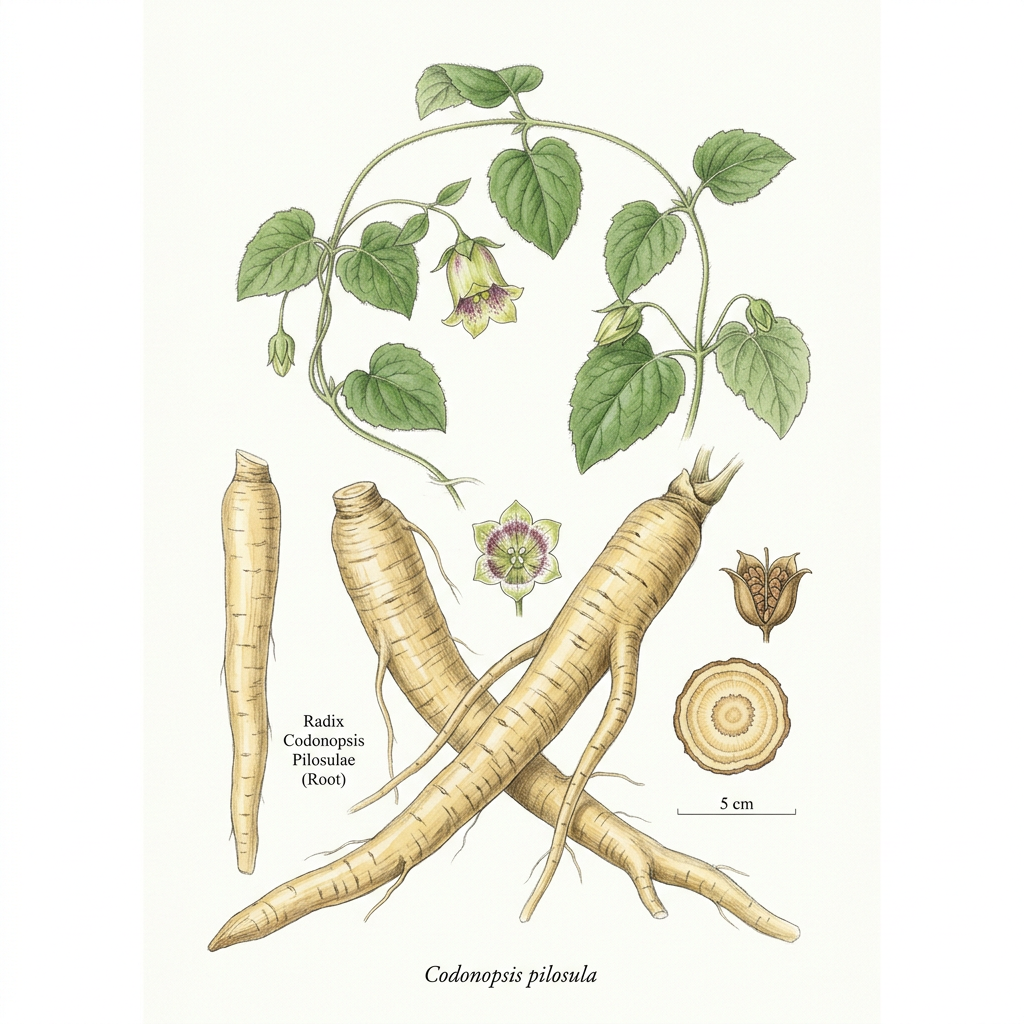
Codonopsis

Codonopsis

Codonopsis pilosula

Adaptogen
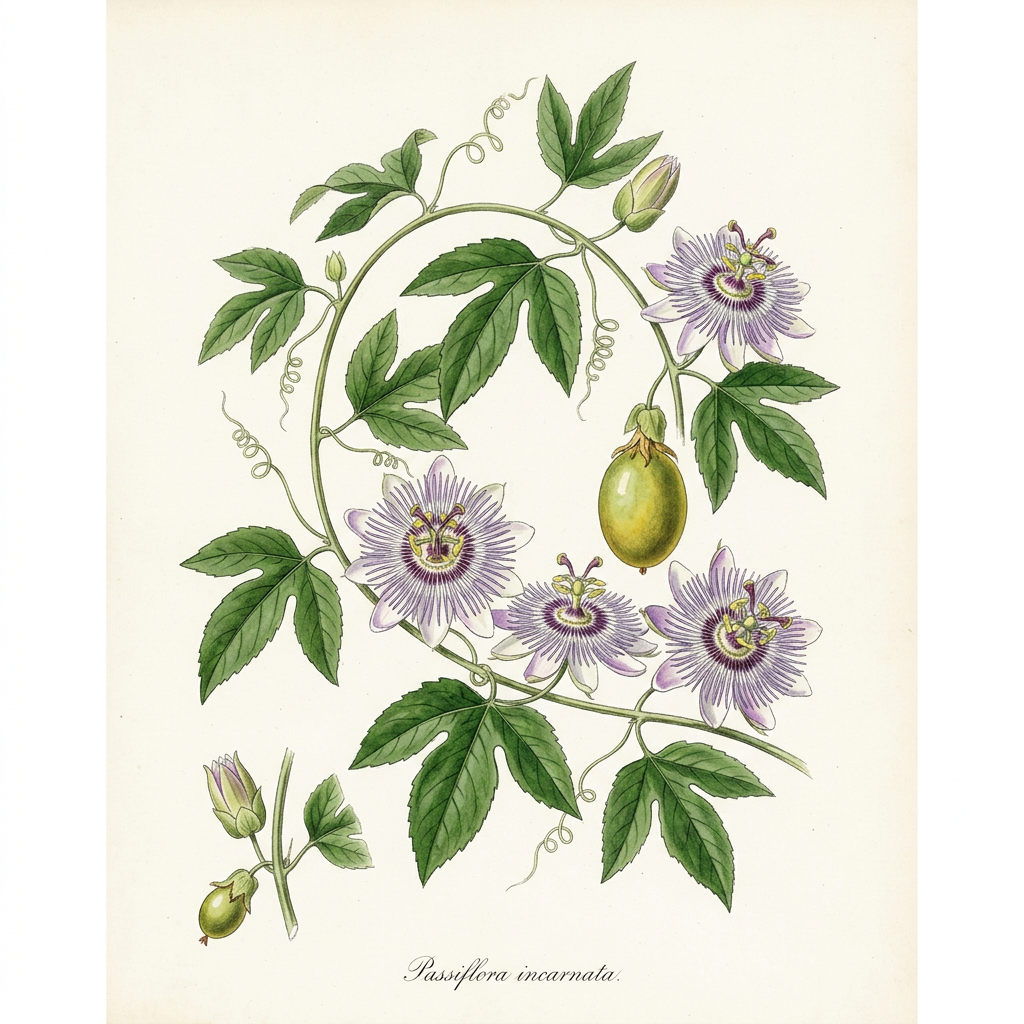
Passionflower

Passionflower

Passiflora incarnata

Calming Effects
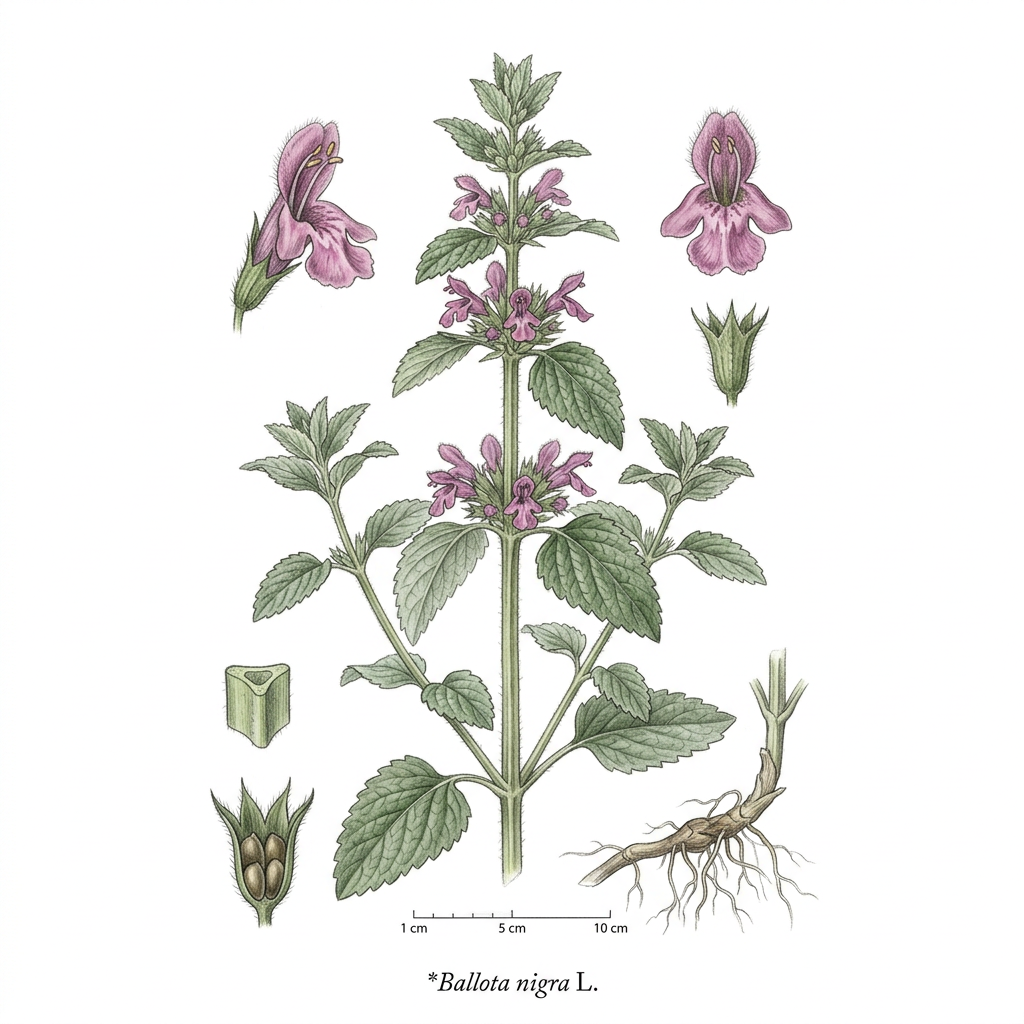
Black Horehound

Black Horehound

Ballota nigra

Digestive Aid