The Wild Sage logo
The Wild Sage Logo

Herbal Medicine at your fingertips

Comprehensive database of herbal remedies with detailed safety information and traditional uses

New to herbal terms? Read the glossary →
ADHD
Abcess
Acid Reflux Relief
Acinetobacter
Acne
Acne Vulgaris
Addisons
Adenomyosis
Adenovirus
Adrenal fatigue
Aging
Aids
Alcaligenes faecalis
Alcoholism
Allergic Rhinitis
Allergies
Allergy
Alopoecia
Alopoecia nervosa
Alzheimer's, Dementia & Cognitive Decline
420 herbs found
Important: This information is for educational purposes only. Always consult with qualified healthcare professionals before using herbal remedies, especially if you have existing health conditions or take medications.
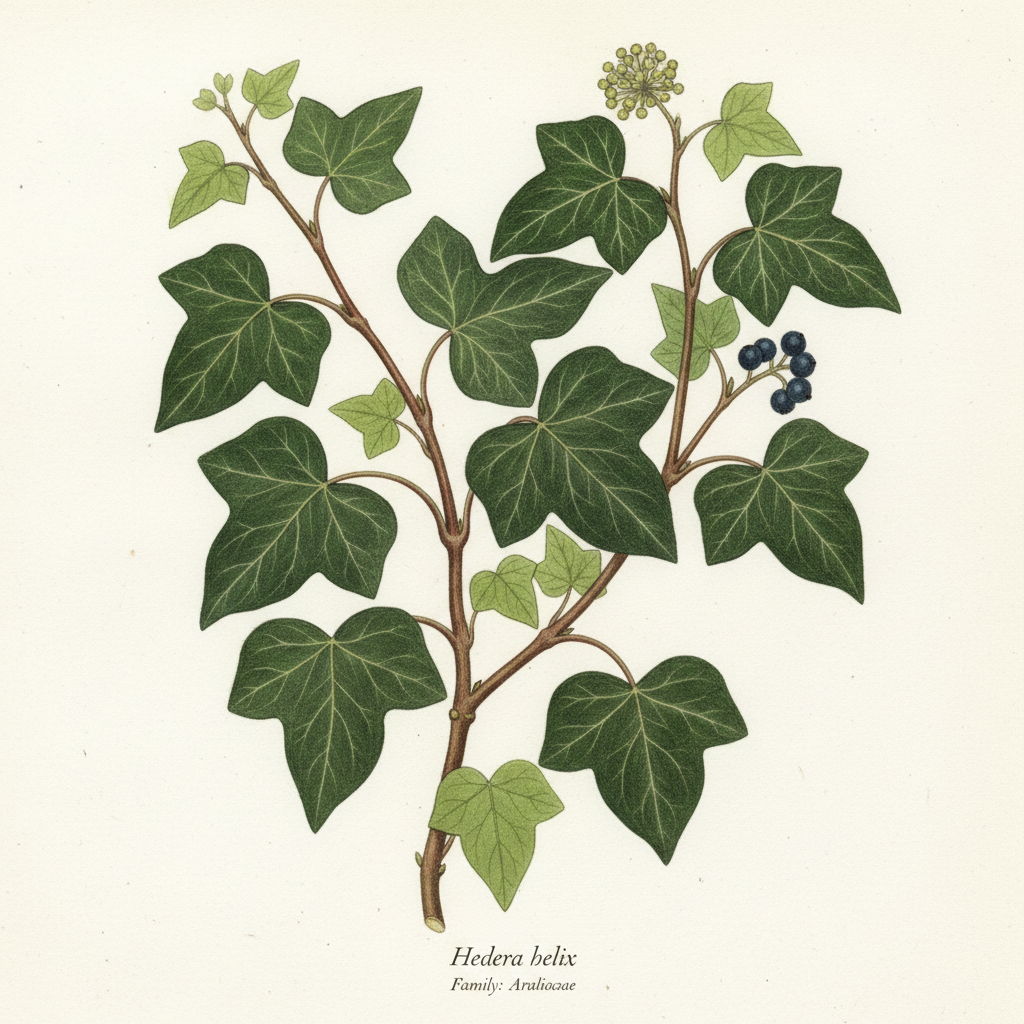
Ivy

Ivy

Hedera helix

low risk Risk
Araliaceae
warming, moistening, sweet, bitter
<p>Ivy, scientifically known as Hedera helix, has been revered for centuries across various cultures for its remarkable therapeutic properties. Historically, this evergreen vine has been used in traditional herbal medicine systems, particularly in Europe, where it was employed for its respiratory benefits and as a natural remedy for skin ailments. Ancient herbalists recognized the plant's adaptability as it clings tenaciously to walls and trees, symbolizing resilience and endurance. In folklore, ivy was often associated with fidelity and strong relationships, earning it a place in ceremonial decorations, especially during the winter solstice and weddings. The primary therapeutic properties of ivy are attributed to its anti-inflammatory and skin tonic effects. Ivy extract is rich in saponins, which have been shown to promote expectoration, aiding in the relief of coughs and bronchitis by loosening phlegm in the respiratory tract. This makes ivy not only a valuable herbal expectorant but also a soothing option for those suffering from respiratory conditions. Additionally, ivy is celebrated for its ability to support skin health, as its anti-inflammatory properties can help alleviate conditions such as eczema and psoriasis. When applied topically, ivy can aid in reducing swelling and irritation, promoting overall skin vitality. In the body, ivy works by acting on various physiological pathways. Its saponins exhibit expectorant activity by enhancing the secretion of mucus in the airways, facilitating the removal of mucus and debris from the respiratory system. Moreover, the flavonoids found in ivy are known for their antioxidant properties, combating oxidative stress and thereby contributing to overall skin health. Ivy also influences vascular health by improving circulation, which is particularly beneficial for inflammatory conditions. By harnessing the diverse actions of ivy, herbalists can formulate treatments that not only address respiratory issues but also enhance skin resilience and contribute to holistic well-being. Thus, ivy stands out as a versatile herbal ally, bridging traditional wisdom with modern therapeutic applications.</p>

Uses & Conditions

Respiratory Support
Expectorant Support
Lung Function Improvement
Chronic Bronchitis
Asthma
Allergic Rhinitis
Dry Cough
Productive Cough
Skin Conditions
Eczema
Microbial Infection
Whooping Cough
Sinusitis
Upper Respiratory Tract Infection
COPD

Actions

Spasmolytic
Secretolytic
Sedative
TNF-alpha Reduction
NFkB Inhibition

Parts Used

Leaves

Native Countries

Europe

USDA Hardiness Zones

USDA 5-10

Contraindications

  • Pregnancy and breastfeeding
  • Children under the age of four
  • Active peptic ulcers or gastritis
  • Known hypersensitivity to the Araliaceae family

Potential Side Effects

  • Gastrointestinal upset including nausea
  • vomiting
  • or diarrhoea
  • Contact dermatitis or skin irritation upon topical application
  • Allergic reactions including skin rashes or respiratory distress

Interactions

  • Expectorant medicines: concurrent use may cause over-stimulation of bronchial secretions
  • Anti-tussive medication: potential interference with cough suppression
  • Pharmaceutical respiratory drugs: use with caution

Dosages, tincture ratios & research — members only

Unlock Garreth's dosing guidance, tincture ratios, the dosage calculator and the research studies for Ivy.

Your assessment and results stay saved — upgrading only unlocks more of them.

See membership plans

Community Photos

No community photos yet. Sign in to upload photos.

Reviews & Ratings

Sign in to leave a review.

No reviews yet. Be the first!

GF

Garreth Falls — B.Th., Dip. H.M., MNIMH

Content curated and reviewed by Garreth Falls, Consultant Medical Herbalist · The Wild Sage

Medical Disclaimer: This information is for educational purposes only and is not intended as medical advice. Always consult with qualified healthcare professionals before starting any herbal treatment.
Western tradition

Sustainability & quality

Abundant

A very common and invasive climber. Easily foraged, but ensure it is harvested away from traffic-heavy areas to minimise accumulation of contaminants.

Key constituents

Hedera helix, Ivy extract, Ivy saponins, Triterpene saponins, Flavone glycosides, phenol carbon acids

References

  1. EMA/HMPC Community Herbal Monograph
  2. ESCOP Monographs 2nd ed. 2003
  3. Herbal Reality. Herb monographs. herbalreality.com

Reviewed by Garreth, Medical Herbalist (MNIMH) · November 2026

Related conditions

Explore conditions where Ivy is traditionally used.

Related Herbs
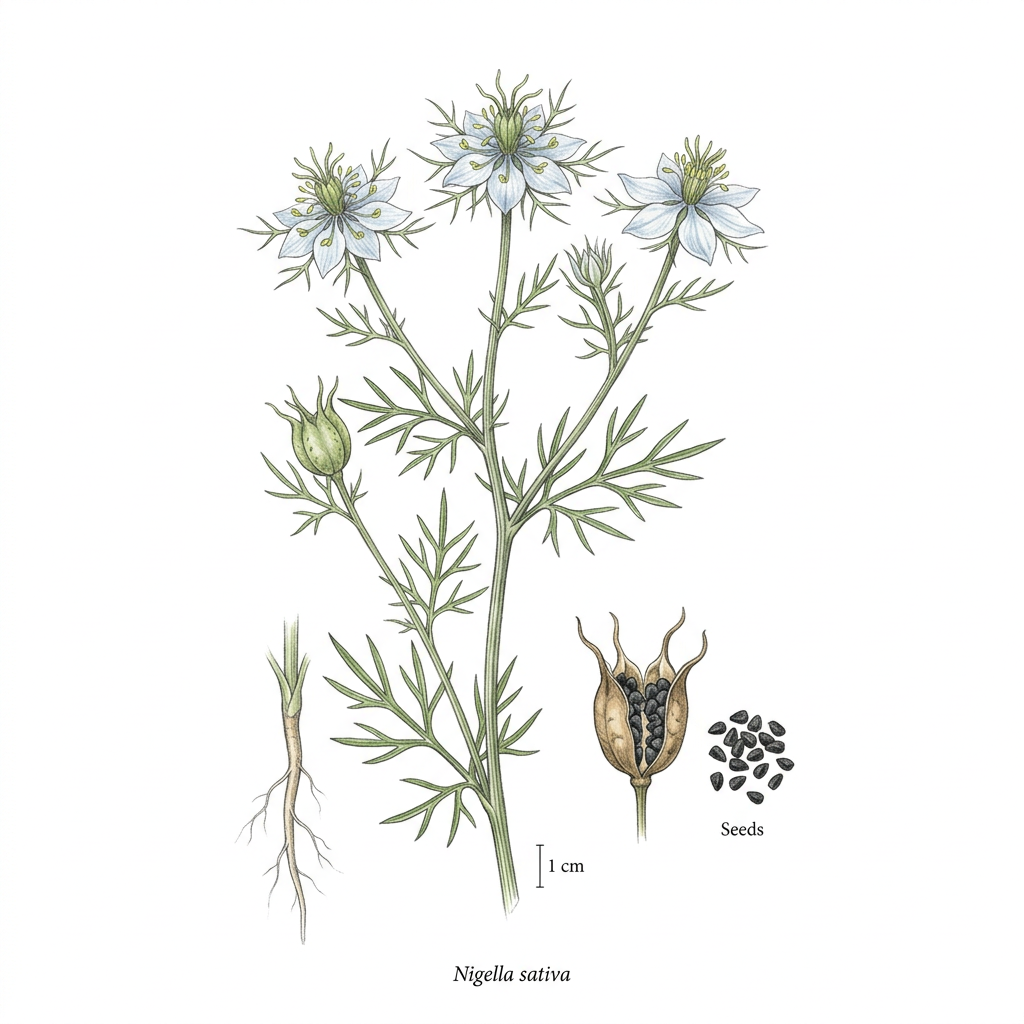
Black Cumin Seed

Black Cumin Seed

Nigella sativa

Antioxidant Support
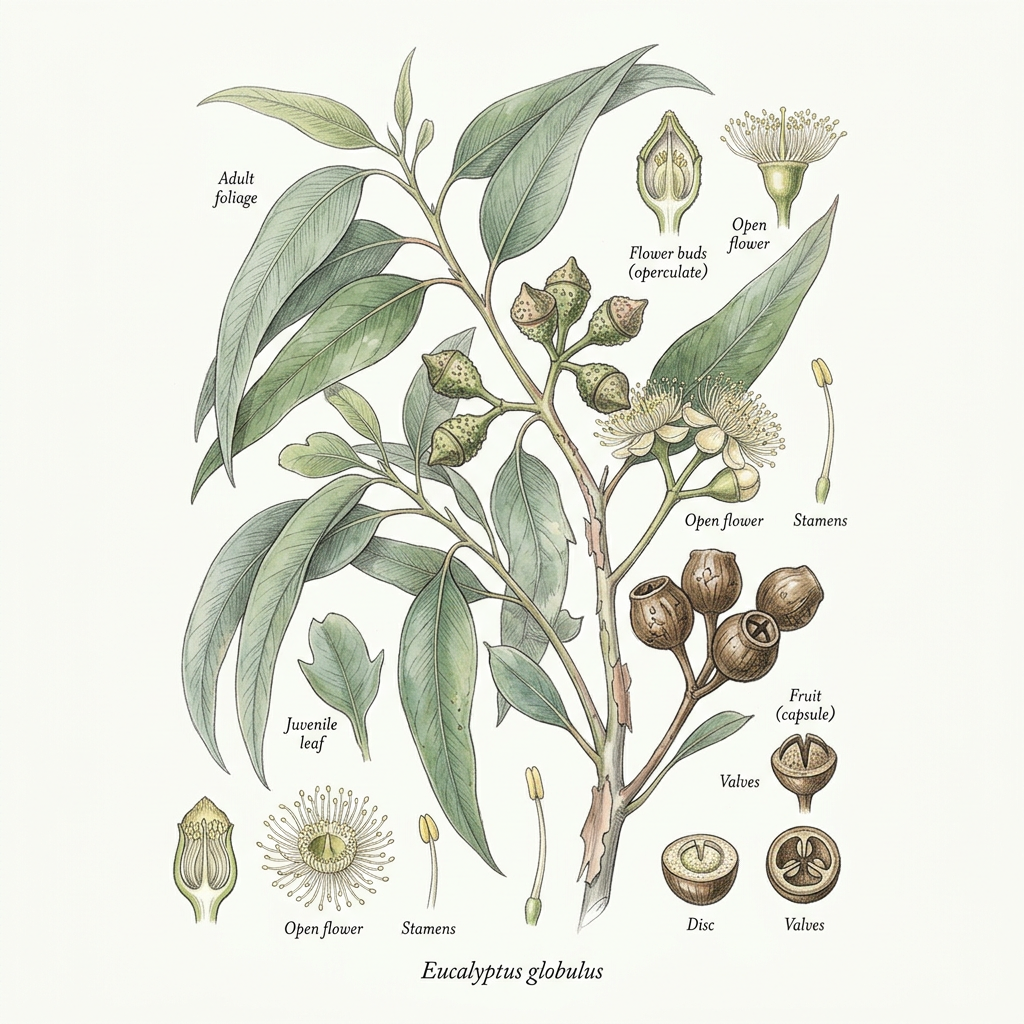
Eucalyptus

Eucalyptus

Eucalyptus globulus

Respiratory Support
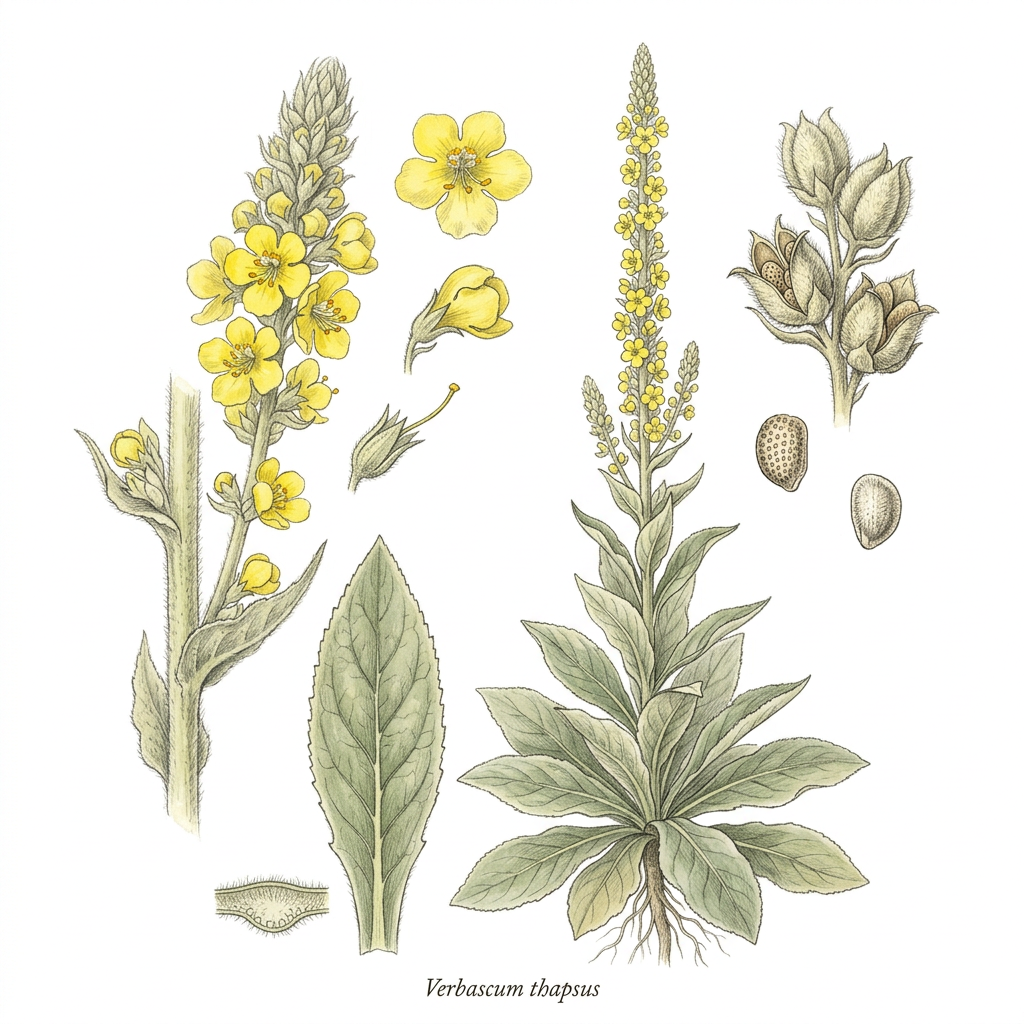
Mullein

Mullein

Verbascum thapsus

Mucus Clearance
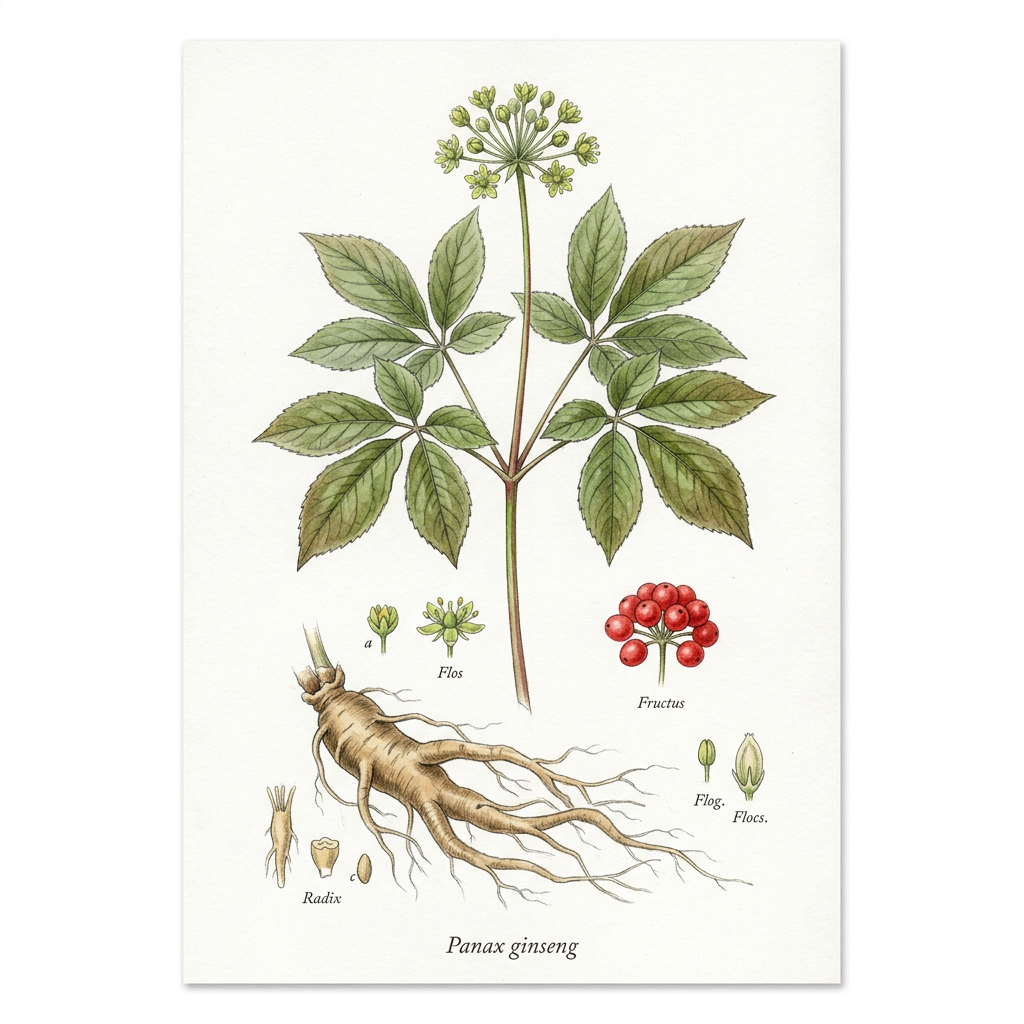
Panax ginseng

Panax ginseng

Panax ginseng

Energy Booster