The Wild Sage logo
The Wild Sage Logo

Herbal Medicine at your fingertips

Comprehensive database of herbal remedies with detailed safety information and traditional uses

New to herbal terms? Read the glossary →
ADHD
Abcess
Acid Reflux Relief
Acinetobacter
Acne
Acne Vulgaris
Addisons
Adenomyosis
Adenovirus
Adrenal fatigue
Aging
Aids
Alcaligenes faecalis
Alcoholism
Allergic Rhinitis
Allergies
Allergy
Alopoecia
Alopoecia nervosa
Alzheimer's, Dementia & Cognitive Decline
420 herbs found
Important: This information is for educational purposes only. Always consult with qualified healthcare professionals before using herbal remedies, especially if you have existing health conditions or take medications.
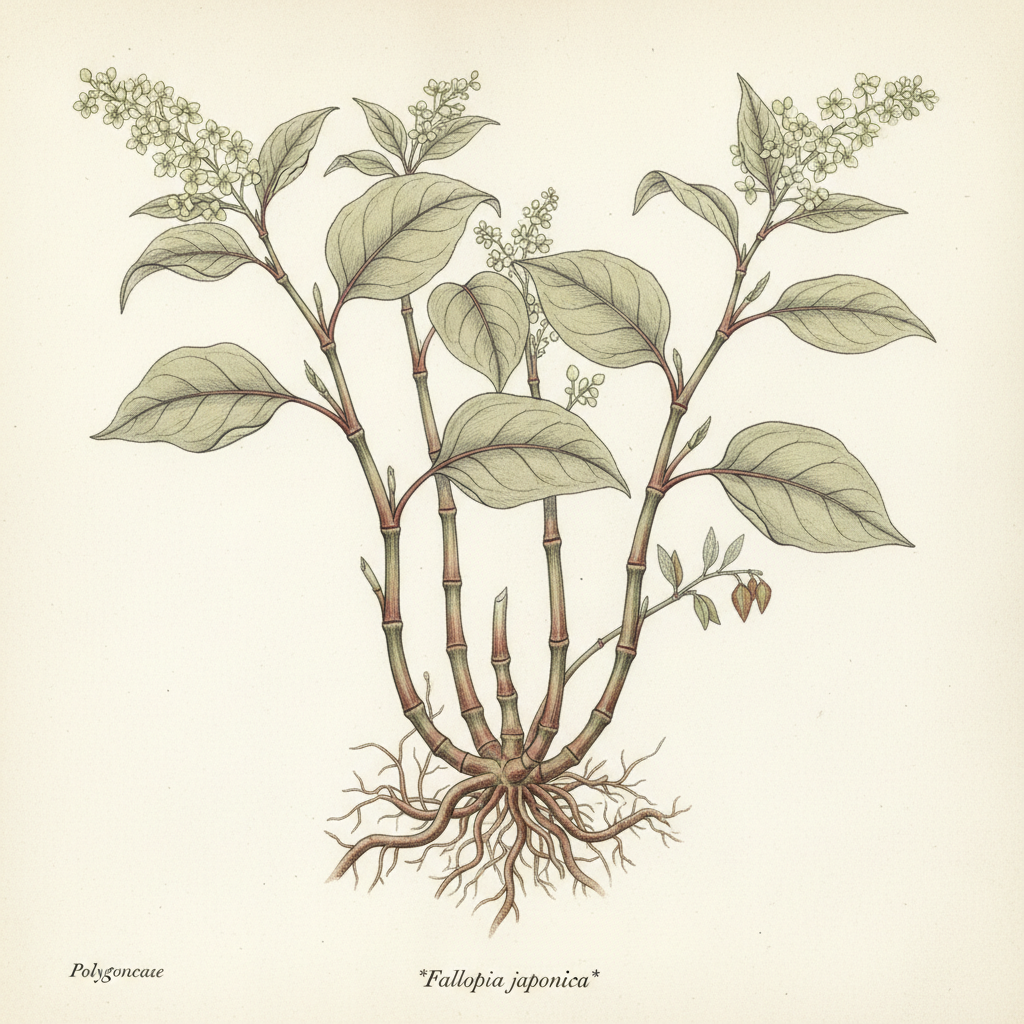
Japanese Knotweed

Japanese Knotweed

Fallopia japonica

low risk Risk
Polygonaceae
cold, moist, bitter
<p>Japanese Knotweed, known scientifically as Fallopia japonica, is a perennial plant indigenous to East Asia but has since proliferated across much of the world, particularly in North America and Europe. Traditionally, this herb has been employed in various cultures for its medicinal properties, particularly in Traditional Chinese Medicine (TCM), where it was used to promote overall health and well-being. Historical records indicate its use in treating a multitude of ailments, from respiratory conditions to digestive issues, showcasing its importance in herbal pharmacopoeia. Today, it is recognized not only for its historical utility but also as a robust source of bioactive compounds, with resveratrol being the most notable. The primary therapeutic properties of Japanese Knotweed are attributed to its high resveratrol content, an influential antioxidant that plays a pivotal role in combating oxidative stress and inflammation. This herb is increasingly being integrated into herbal protocols for Lyme disease, serving as a key player in the management of this tick-borne illness. The anti-inflammatory action of Japanese Knotweed helps alleviate symptoms associated with Lyme disease, while its immune-supportive properties bolster the body's natural defenses. Additionally, its antioxidant effects contribute to its role in promoting cardiovascular health, enhancing longevity, and potentially protecting against neurodegenerative diseases. Mechanistically, Japanese Knotweed works by modulating various biochemical pathways within the body. Resveratrol, its cornerstone compound, scavenges free radicals and reduces oxidative stress, thereby preventing cellular damage. Moreover, it influences inflammatory pathways by inhibiting pro-inflammatory cytokines and promoting the expression of anti-inflammatory factors. This dual action not only aids in the management of inflammation associated with Lyme disease but also supports overall immune function. As research continues to explore the multifaceted benefits of Japanese Knotweed, its role as a valuable herbal ally in both preventive and therapeutic contexts becomes increasingly evident, making it a staple in the practice of modern herbalism.</p>

Uses & Conditions

Immune Support
Antioxidant Activity
Chemo-support
Inflammation
Chronic Pain
Digestive Disorders
Bleeding Disorders
Atherosclerosis
Cancer
Cardiovascular Disease
Diabetes
Lyme Disease
Respiratory Conditions
Neurodegenerative Diseases
Dyspepsia
Rheumatoid Arthritis
Immune deficiency
Osteoarthritis
Adenovirus

Actions

Anti-inflammatory
Antioxidant
NFkB inhibitor
TNF-a reduction
Heme oxygenase-1 reduction
Cytoprotective
Anti-coagulant

Parts Used

Whole plant

Native Countries

Asia

USDA Hardiness Zones

USDA 5-11

Contraindications

  • Pregnancy: avoid due to potential for stimulating uterine blood flow
  • Breastfeeding: avoid due to lack of clinical evidence
  • Scheduled surgery: discontinue at least two weeks prior to surgery to mitigate risk of bleeding
  • Oestrogen-sensitive conditions: use with caution due to potential weak oestrogenic activity

Potential Side Effects

  • Mild gastrointestinal upset including nausea or abdominal cramping
  • Loose stools or diarrhoea at higher doses
  • Skin sensitivity or mild rash in susceptible individuals

Interactions

  • Anticoagulants and antiplatelet drugs: may increase risk of bruising or bleeding
  • Immunosuppressant medication: may interfere with efficacy
  • Non-steroidal anti-inflammatory drugs (NSAIDs): possible additive effects
  • Prescription medicines metabolised by CYP450 enzymes: components like resveratrol may influence hepatic enzyme activity

Dosages, tincture ratios & research — members only

Unlock Garreth's dosing guidance, tincture ratios, the dosage calculator and the research studies for Japanese Knotweed.

Your assessment and results stay saved — upgrading only unlocks more of them.

See membership plans

Community Photos

No community photos yet. Sign in to upload photos.

Reviews & Ratings

Sign in to leave a review.

No reviews yet. Be the first!

GF

Garreth Falls — B.Th., Dip. H.M., MNIMH

Content curated and reviewed by Garreth Falls, Consultant Medical Herbalist · The Wild Sage

Medical Disclaimer: This information is for educational purposes only and is not intended as medical advice. Always consult with qualified healthcare professionals before starting any herbal treatment.
Chinese tradition

Sustainability & quality

Abundant

Regarded as a highly invasive weed in many western regions. Abundant for harvest, but confirm the identification before use.

Key constituents

Resveratrol, - Emodin, - Polydatin, Quercetin, Catechins, Tannins, Flavonoids

References

  1. Bensky "Chinese Herbal Medicine: Materia Medica" 3rd ed. 2004
  2. Herbal Reality. Herb monographs. herbalreality.com

Reviewed by Garreth, Medical Herbalist (MNIMH) · November 2026

Related conditions

Explore conditions where Japanese Knotweed is traditionally used.

Related Herbs
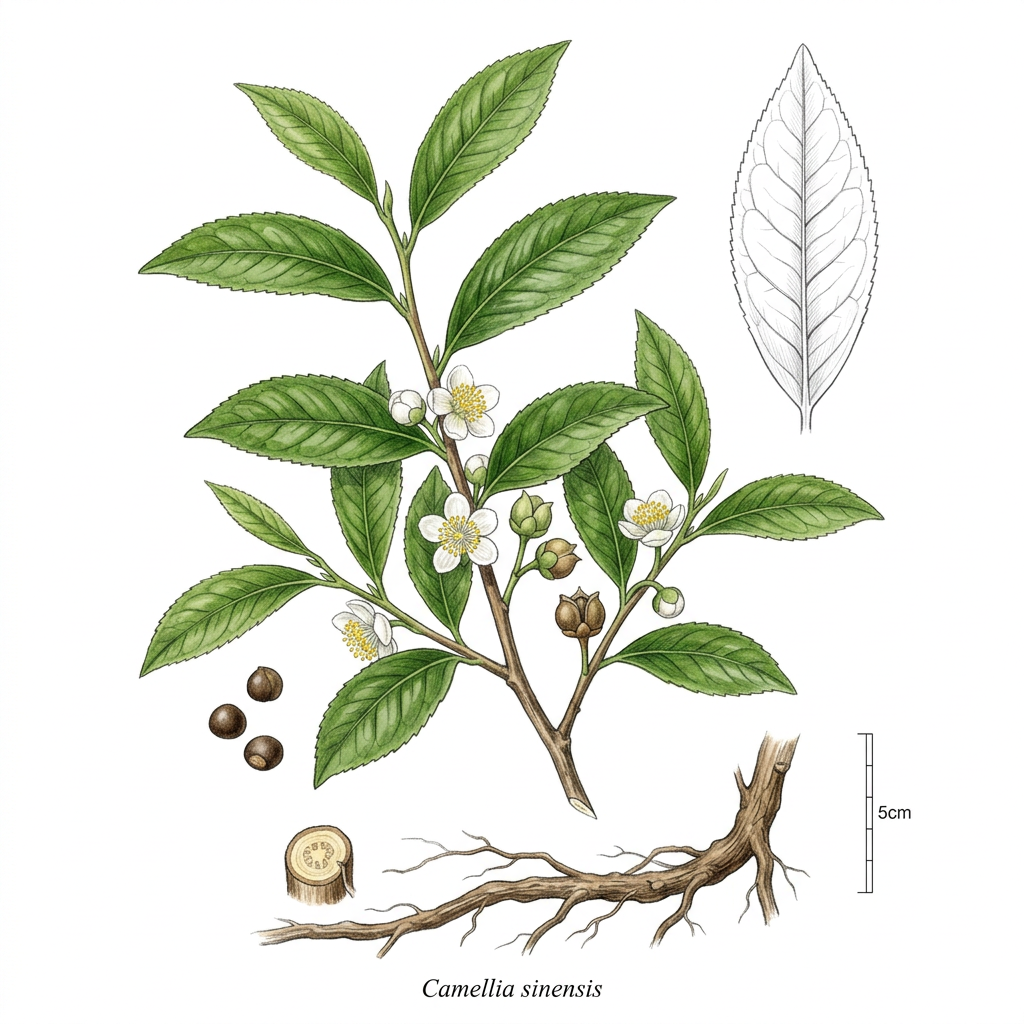
Green Tea

Green Tea

Camellia sinensis

Hypertension
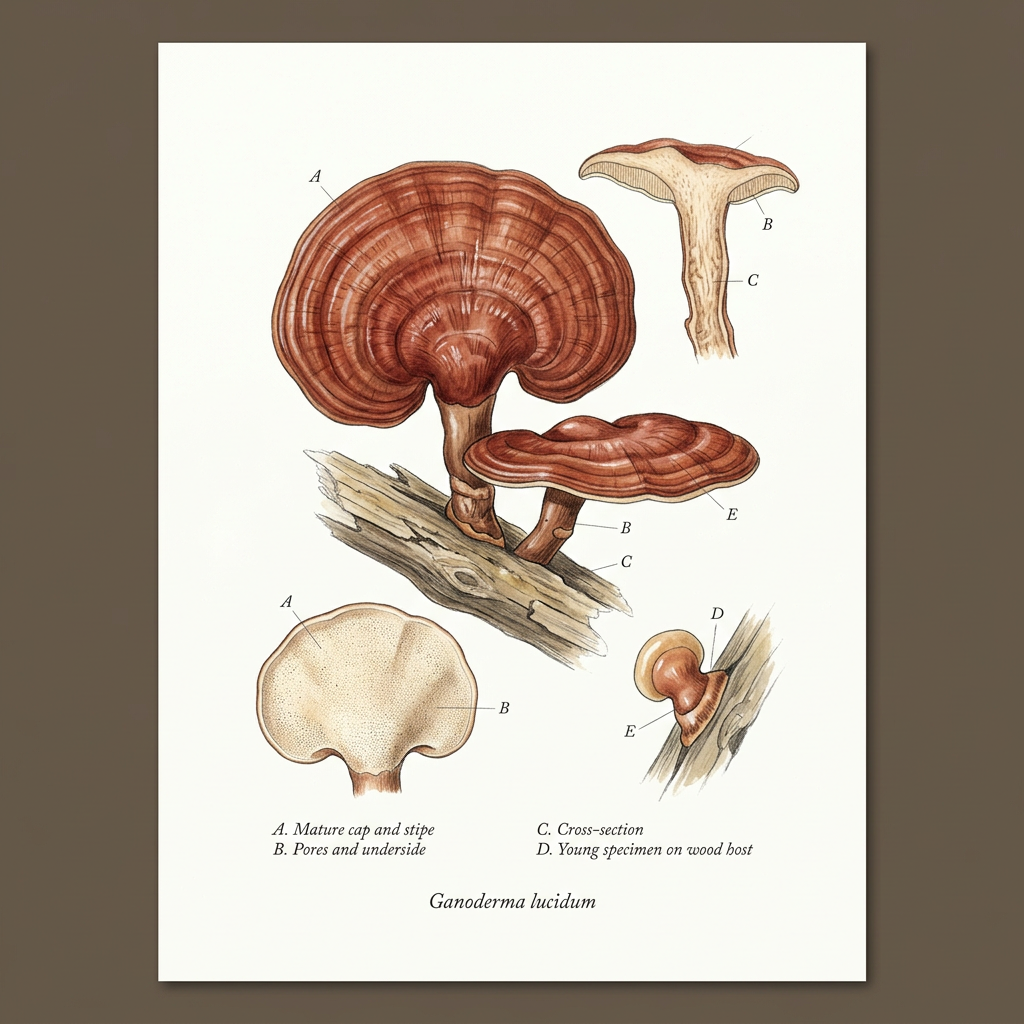
Reishi

Reishi

Ganoderma lucidum

Immune Support
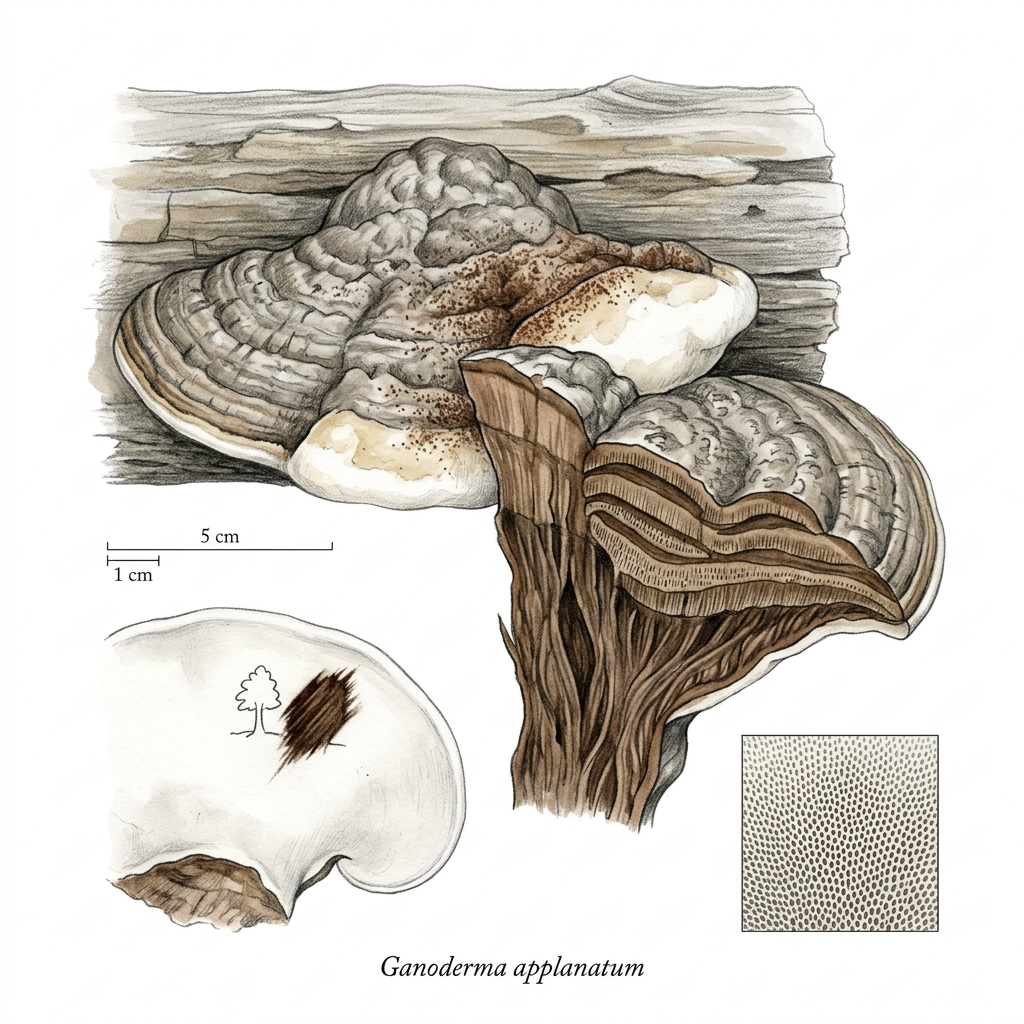
Artist's Conk

Artist's Conk

Ganoderma applanatum

Immune Support
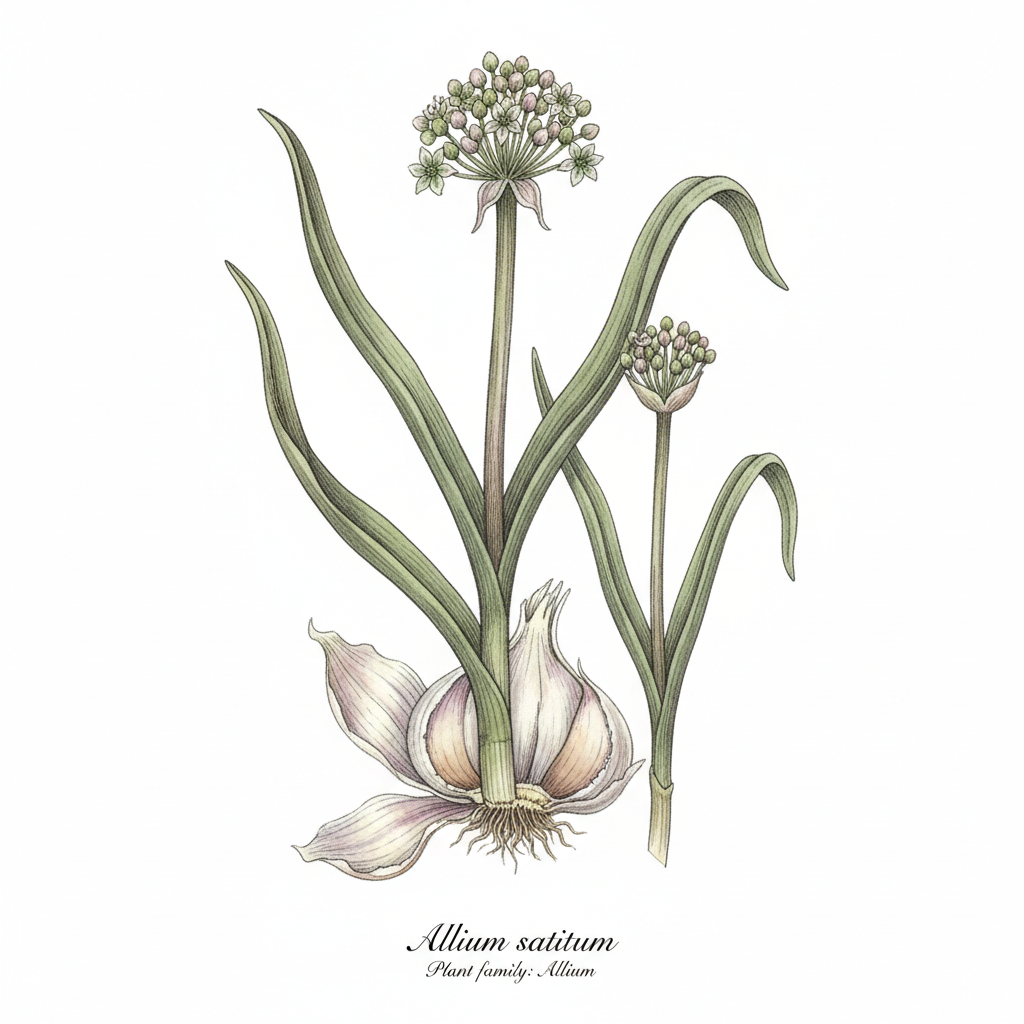
Garlic

Garlic

Allium sativum

Immune Support