The Wild Sage logo
The Wild Sage Logo

Herbal Medicine at your fingertips

Comprehensive database of herbal remedies with detailed safety information and traditional uses

New to herbal terms? Read the glossary →
ADHD
Abcess
Acid Reflux Relief
Acinetobacter
Acne
Acne Vulgaris
Addisons
Adenomyosis
Adenovirus
Adrenal fatigue
Aging
Aids
Alcaligenes faecalis
Alcoholism
Allergic Rhinitis
Allergies
Allergy
Alopoecia
Alopoecia nervosa
Alzheimer's, Dementia & Cognitive Decline
420 herbs found
Important: This information is for educational purposes only. Always consult with qualified healthcare professionals before using herbal remedies, especially if you have existing health conditions or take medications.
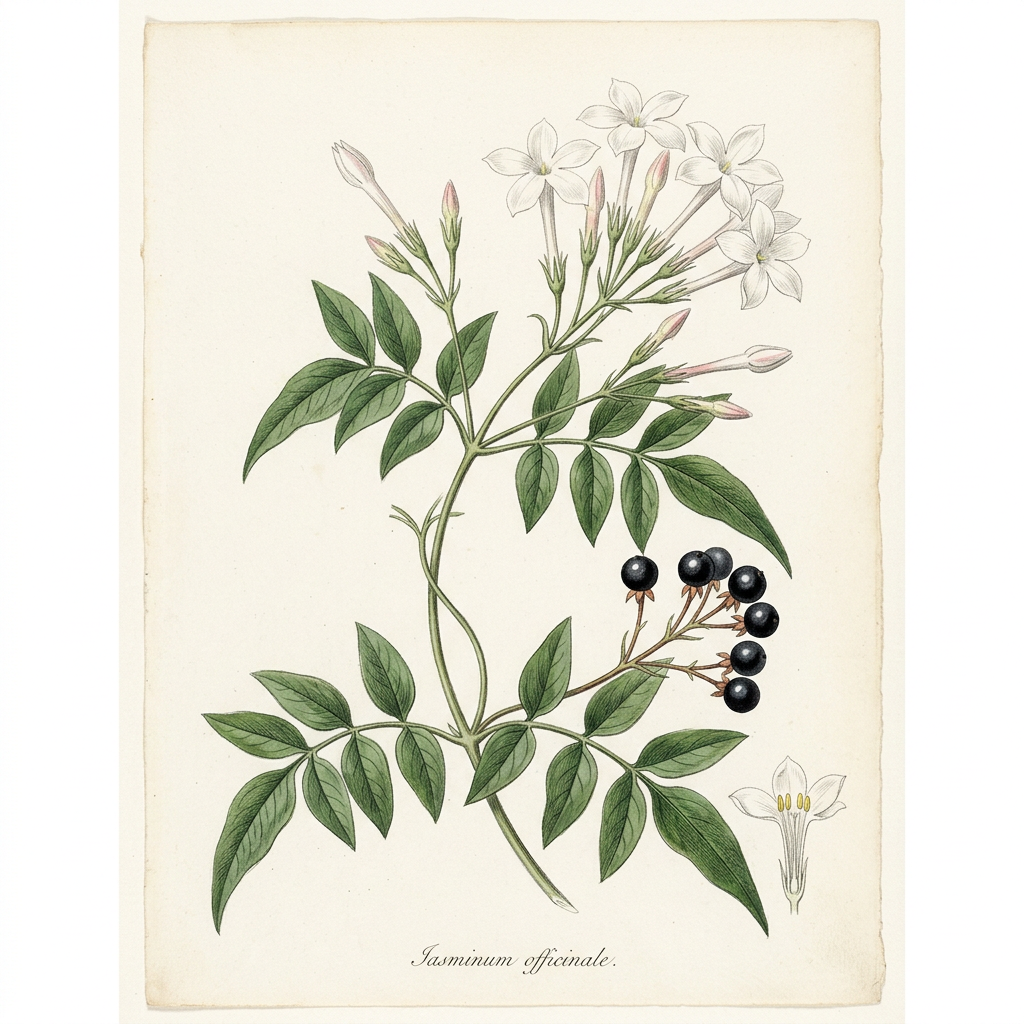
Jasmine

Jasmine

Jasminum spp.

low risk Risk
Oleaceae
cooling, moistening
<p>Jasminum officinale and related species are evergreen or deciduous climbing shrubs, characterised by their fragrant, star-shaped white or yellow flowers and pinnate leaves. Native primarily to tropical and subtropical regions of Eurasia and Oceania, they thrive in well-drained soil with adequate sunlight. The plant belongs to the Oleaceae family and is widely cultivated for both its aromatic oils and ornamental value.</p><p>Traditionally, Jasmine has been used as a nervine relaxant and aphrodisiac, often featuring in aromatic traditions to soothe the spirit and alleviate low mood. In various cultures, it has historically been employed to support uterine health, particularly during labour and to aid lactation, and has been utilised as a supportive tonic for the respiratory system in cases of catarrh. Its deep association with rituals of relaxation and emotional balance persists in modern herbal practice.</p><p>Modern research into Jasminum species is somewhat limited but suggests potential sedative and antispasmodic properties. The aromatic compounds, particularly linalool and benzyl acetate, are thought to influence the limbic system, supporting its use in aromatherapy for stress, anxiety, and mild depressive states. In clinical practice, it is primarily viewed as a nervous system harmoniser, helpful for those suffering from tension-related insomnia or emotional exhaustion. It should be used as a supportive botanical rather than a primary treatment for complex pathology.</p>

Uses & Conditions

Anxiety
Depression
Sleep improvement
Stress relief
Mood enhancement
Fatigue management
Relaxation
Digestive health
Pain relief
Skin healing
Respiratory support
Liver support
Hormonal balance
Joint pain
Dysmenorrhea
Nervous tension
Cough relief

Actions

Anxiolytic
Anti-inflammatory
Antioxidant
Immune support
COX-2 inhibitor

Parts Used

Flowers

USDA Hardiness Zones

7
8
9
10

Contraindications

  • Pregnancy: avoid high doses due to potential uterine stimulant effects
  • Breastfeeding: lack of safety data suggests caution during lactation
  • Hormone-sensitive conditions: use with caution given theoretical estrogenic activity
  • Allergies: known contact dermatitis risk in sensitive individuals

Potential Side Effects

  • Contact dermatitis on sensitive skin
  • Dizziness or nausea if inhaled in excessive quantities
  • Mild drowsiness

Interactions

  • Sedatives: may potentiate the effects of barbiturates or benzodiazepines
  • Prescribed psychotropic medications: use caution
  • Hormone therapies: use caution

Dosages, tincture ratios & research — members only

Unlock Garreth's dosing guidance, tincture ratios, the dosage calculator and the research studies for Jasmine.

Your assessment and results stay saved — upgrading only unlocks more of them.

See membership plans

Community Photos

No community photos yet. Sign in to upload photos.

Reviews & Ratings

Sign in to leave a review.

No reviews yet. Be the first!

GF

Garreth Falls — B.Th., Dip. H.M., MNIMH

Content curated and reviewed by Garreth Falls, Consultant Medical Herbalist · The Wild Sage

Medical Disclaimer: This information is for educational purposes only and is not intended as medical advice. Always consult with qualified healthcare professionals before starting any herbal treatment.
Western tradition
Chinese tradition

Sustainability & quality

Cultivated

Mainly produced as a crop; verify ethical harvesting conditions for large-scale agricultural operations.

Key constituents

Benzyl acetate, Linalool, Jasmone, Indole, Phytosterols, Flavonoid glycosides, Triterpenoids

References

  1. Herbal Reality. Herb monographs. herbalreality.com

Reviewed by Garreth, Medical Herbalist (MNIMH) · November 2026

Related conditions

Explore conditions where Jasmine is traditionally used.

Related Herbs
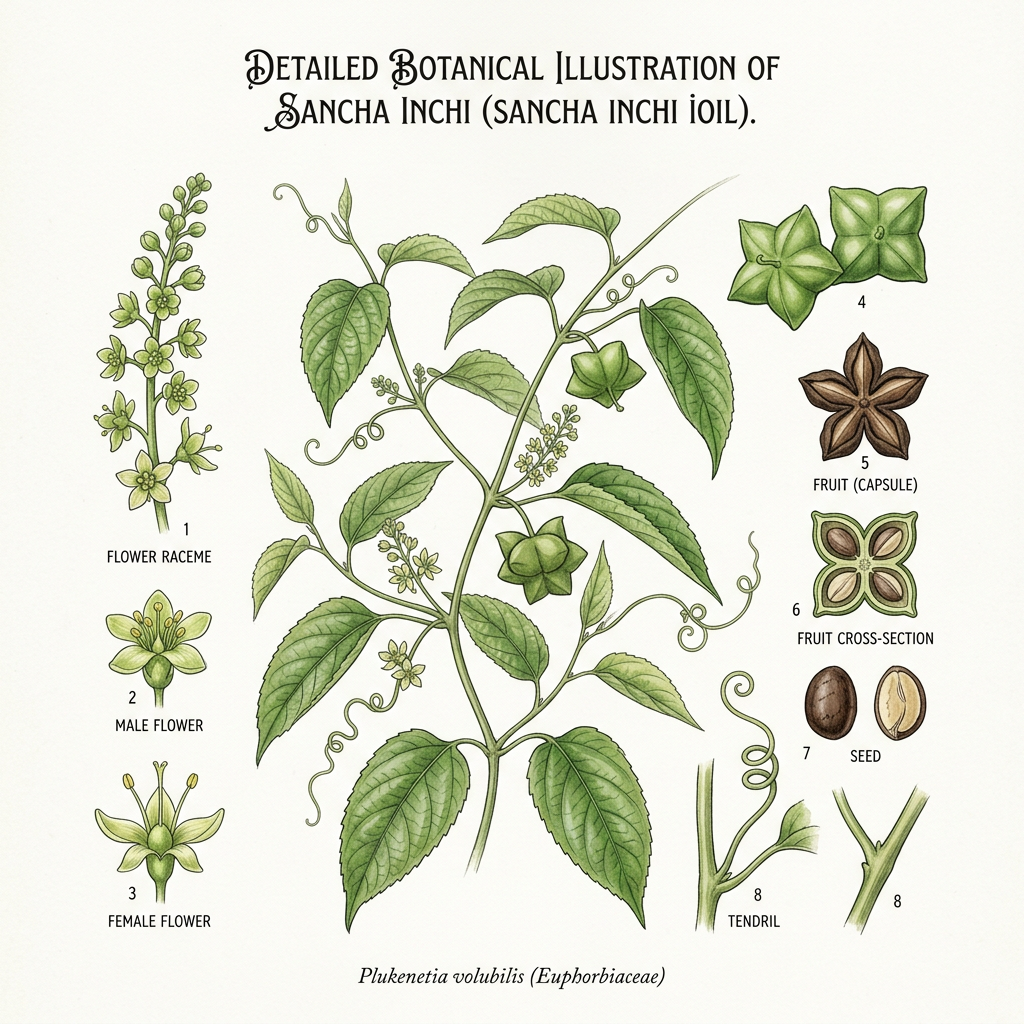
Sancha Inchi iOIl

Sancha Inchi iOIl
Sancha Inchi iOIl

Nutritional Supplementation
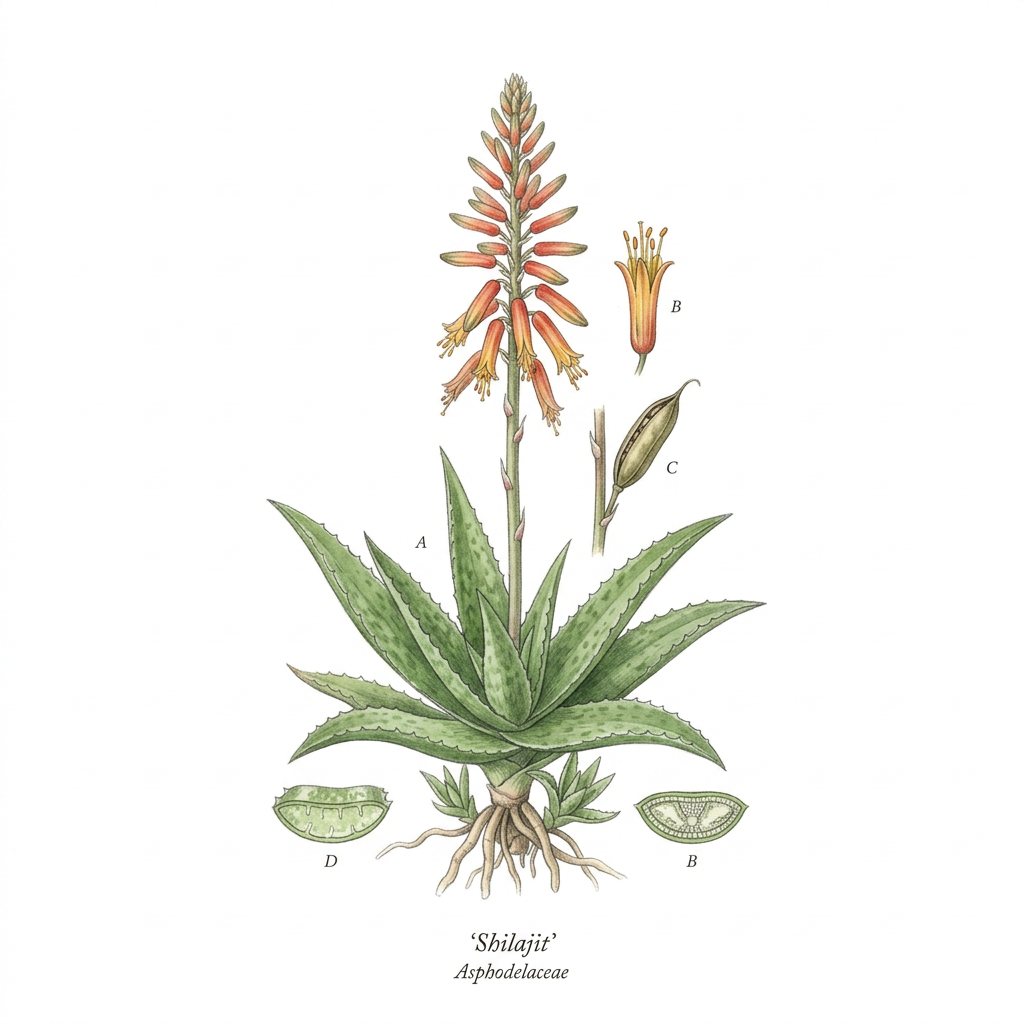
Shilajit

Shilajit

Shilajit

Energy Enhancement
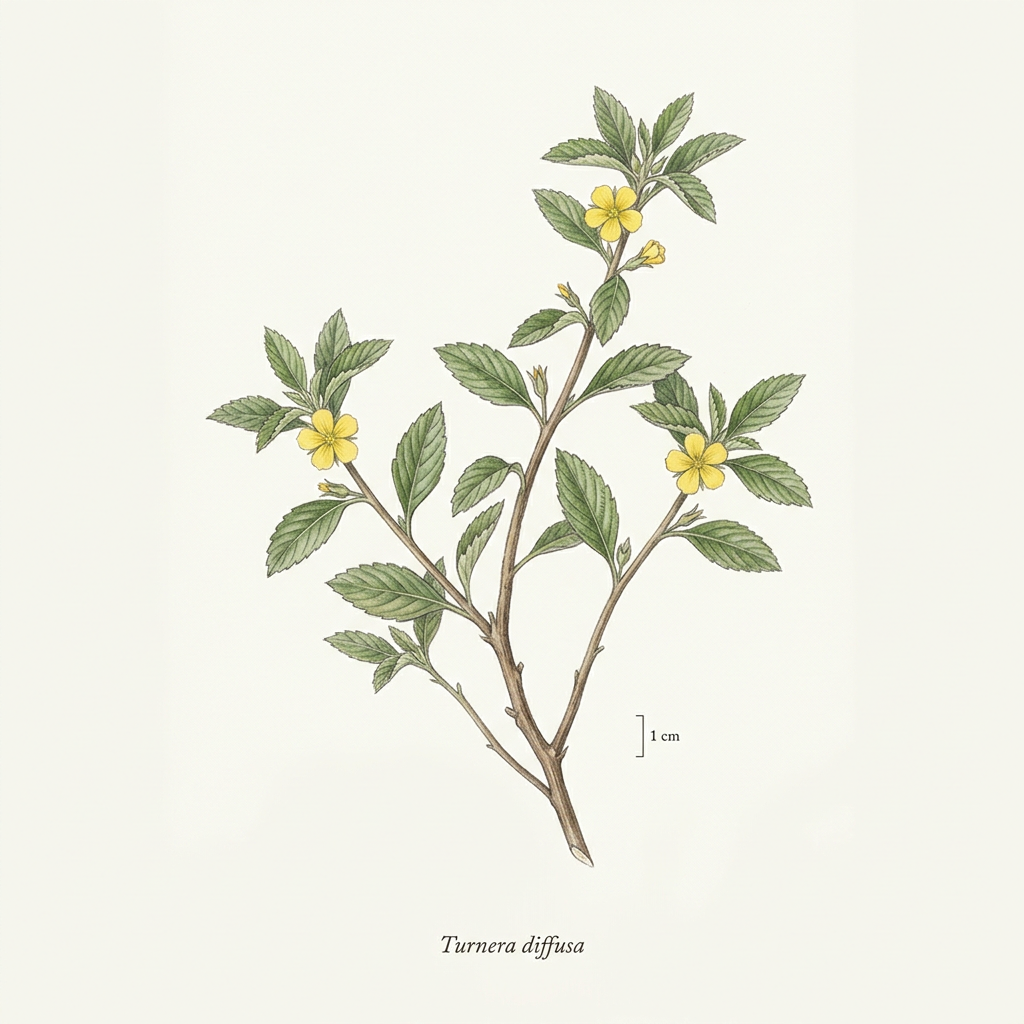
Damiana

Damiana

Turnera diffusa

Aphrodisiac Effect
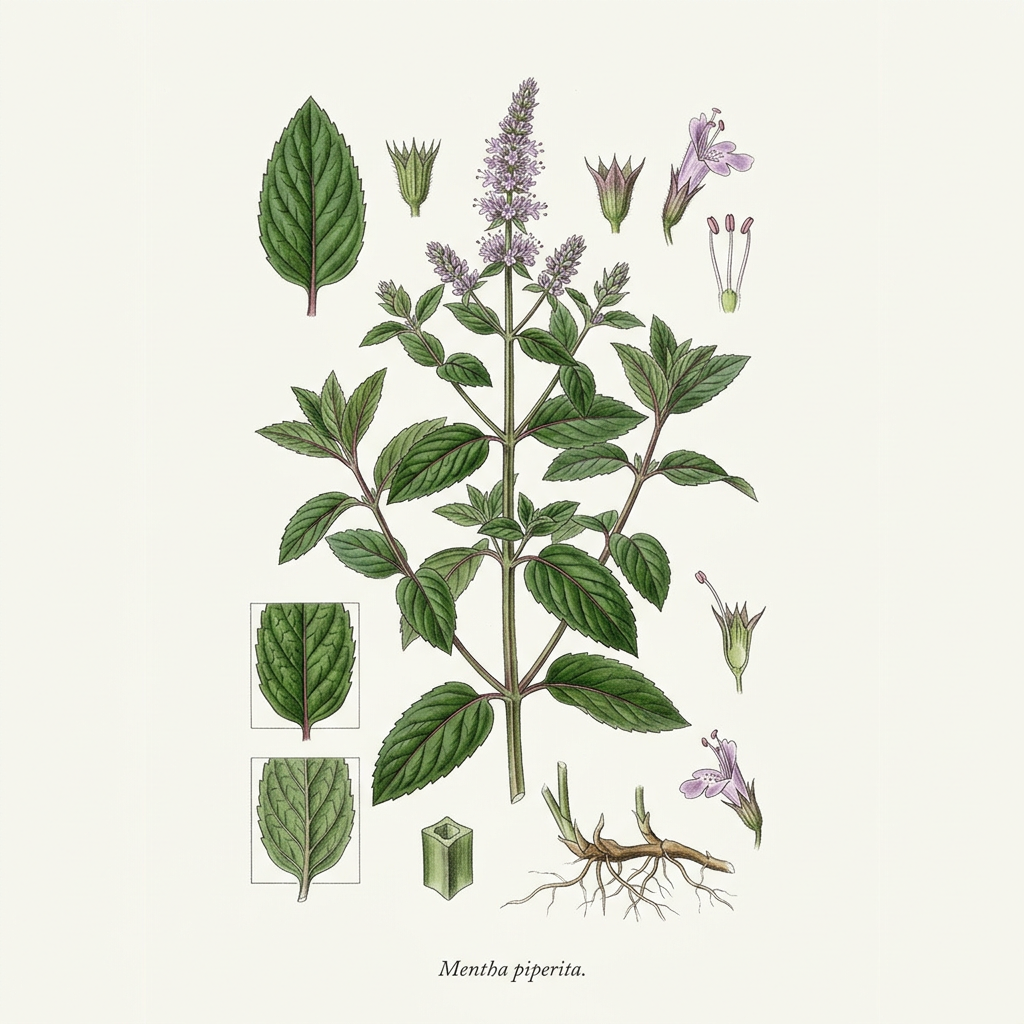
Mentha piperita

Mentha piperita

Mentha piperita

Digestive Aid